

Lately I’ve been testing various point and shoot cameras for AP. Some dirt cheap, some moderately expensive. And there’s one thing that nags me every time regarding the images produced: namely, would I be better off just sticking with my smartphone?
Conventional wisdom suggests my handset can do a ‘good enough’ job for everyday photography after all. Do I need to re-invest in a dedicated snapshot camera – other than for nostalgic reasons / a different user ‘experience’?
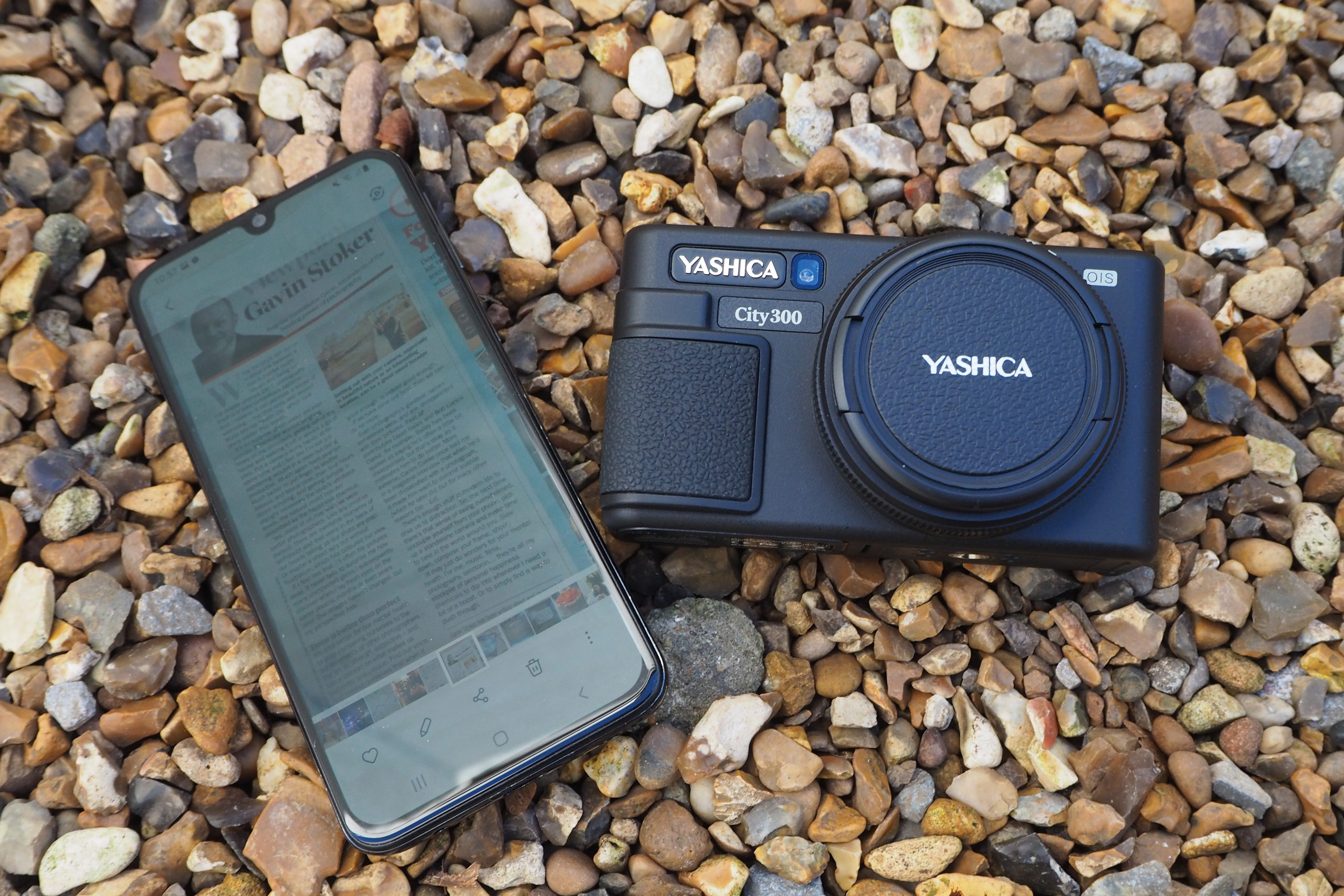
To answer that niggling question I’ve selected a ‘cheap as chips’ basic Kodak Pixpro C1 pocket snapshot, a slightly more expensive Yashica City 300 – with user-selectable HDR shooting mode – plus my five-year-old Samsung Galaxy A40 smartphone. The phone automatically activates HDR when it reckons the scene requires it. It’s not flashy or expensive by any means; I made my choice because it fits my trouser pocket.
The C1 is similarly unflashy. As with the City 300, it’s a fixed lens camera. If I want to ‘zoom’ in, then as with my smartphone I do so knowing the image is being cropped and degraded.
At the heart of the C1 sits a 1/3-inch BSI CMOS sensor boasting 13MP resolution, plus 26mm equivalent f/2.0 aperture lens. For the City 300 it’s a 1/1.56-inch smartphone sensor promising a maximum 50MP effective resolution, coupled with 24mm, f/1.8 aperture lens. My Samsung phone offers a 16MP resolution and a 1/2.8-inch sensor, with f/1.7 aperture rear camera.

Shooting in 4:3 aspect ratio on each and selecting the best available quality JPEG settings on the two cameras, I headed out on a crisp winter’s morning. I selected the day because there was plenty of sunshine forecast, plus an almost featureless blue sky.
With bright skies and darkened foregrounds visible when looking at the screens of my three devices, I knew this would be a great opportunity to test, compare, and contrast my Samsung phone and the Yashica City 300’s HDR capabilities. I also wanted to see how the more-or-less fully automatic Kodak Pixpro C1, without any user selectable HDR mode, coped with the exact same scenes.
By selecting ‘D’ for Digital Zoom mode on the Yashica City 300’s lens dial, I scrolled through its menus until I found its HDR on/off setting. However, operating in this mode means that resolution is fixed at 12MP, rather than the camera’s maximum 50MP resolution.
Testing times
For my first test subject I headed out to my local pond, always well-stocked with wildfowl. With its water reflecting blue skies and over-hanging foliage darkening the surrounding area, I reasoned this provided a suitable challenge for my trio of image capture devices. Next up I chose the recently repainted, shiny and reflective Victorian footbridge at Teddington Lock, and lastly, the red-brick Jacobean gem that is Ham House. By this time the sun had positioned itself top right of my frame, almost backlighting the house and throwing much of its façade into shadow. Again, making it less straightforward in terms of exposure.
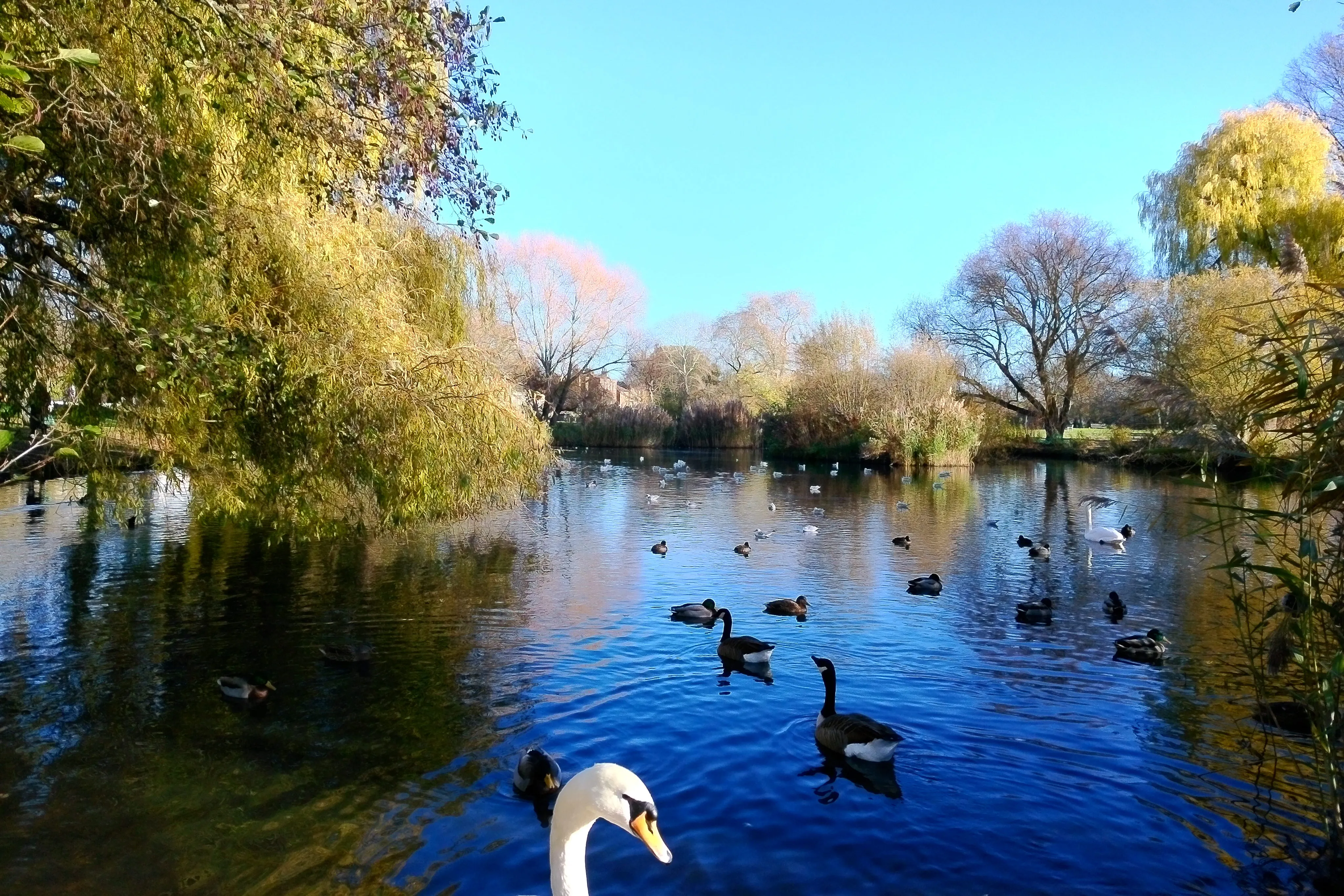


For each of these test shots the most expensive of my three contenders – the Yashica City 300 – delivered the most disappointing results. With HDR mode ‘on’, thus resulting in a 12MP photo, it preserved a pleasing amount of shadow and highlight detail, and yet the boost to colour is so vivid as to almost look Pop Art like. Lens flare and ghosting is also visible in my wide angle shot of Ham House, where the sun was sitting top right of frame at the time. I wasn’t completely happy with sharpness either, in that of the three devices the Yashica shots most closely resembled video grabs.
By contrast my Samsung Galaxy A40 smartphone has delivered colourful, punchy and consistent results with sufficient contrast. Exposures with HDR automatically activated – which I could tell because ‘HDR’ flashes up on screen at the time – appear even. A good level of detail is visible in both the shadows and the highlights. Indeed, the Samsung has retained shadow detail that both the Kodak Pixpro C1 and Yashica City 300 struggled to preserve – and while colours look vivid, they don’t look too unnaturalistic or over-saturated. On the Yashica the 12MP HDR mode imagery generally looks a little over-processed and more akin to a video grab than a traditional photo.


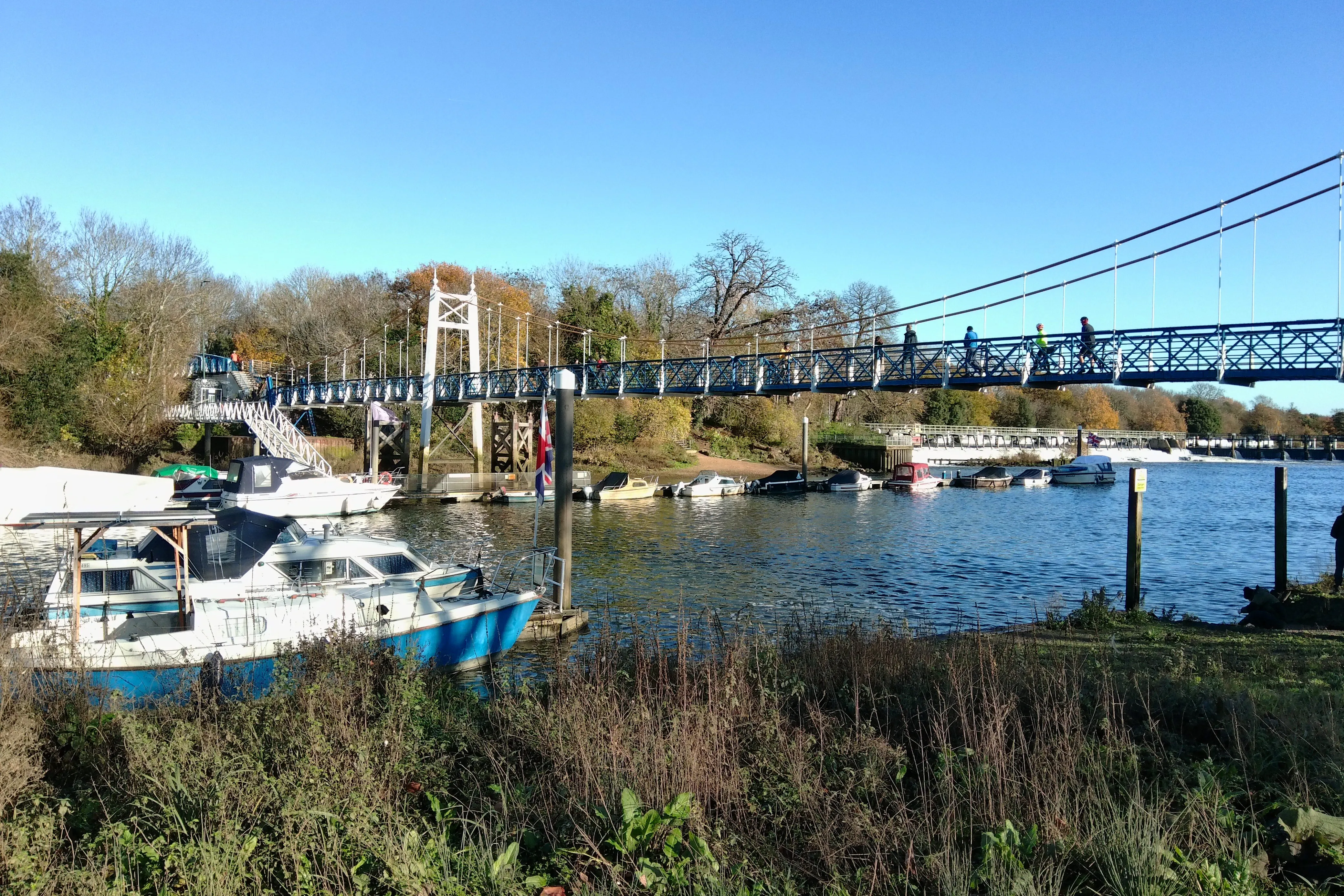
Yes there is the occasional blown highlight visible in my Samsung test images – particularly with more challenging subjects such as the all-white hull of a boat, reflected against darker water – but I was impressed with the dynamic range delivered overall, especially as I didn’t primarily choose the A40 for its camera spec, more because it’s the only phone I currently own.
Finally, the Kodak Pixpro C1’s exposures are commendably even, given it’s one of the most affordable and bare bones point-and-shoots on the market. Unsurprisingly, it too suffers from blown highlights; retaining any detail in the white hull of the boats proves too much of a challenge when the camera’s exposure system has a deep blue sky to contend with. The bright sunshine has also introduced purple fringing where tree branches meet the self-same sky, and detail suffers the closer I examine its frames. But neither of these criticisms are a surprise; I can’t complain about toy-like results when the camera can be had for a pocket money price. Yes, there is a little more detail in the Yashica’s shots, with HDR activated, but of the two I prefer the Kodak’s slightly more realistic non HDR images overall.
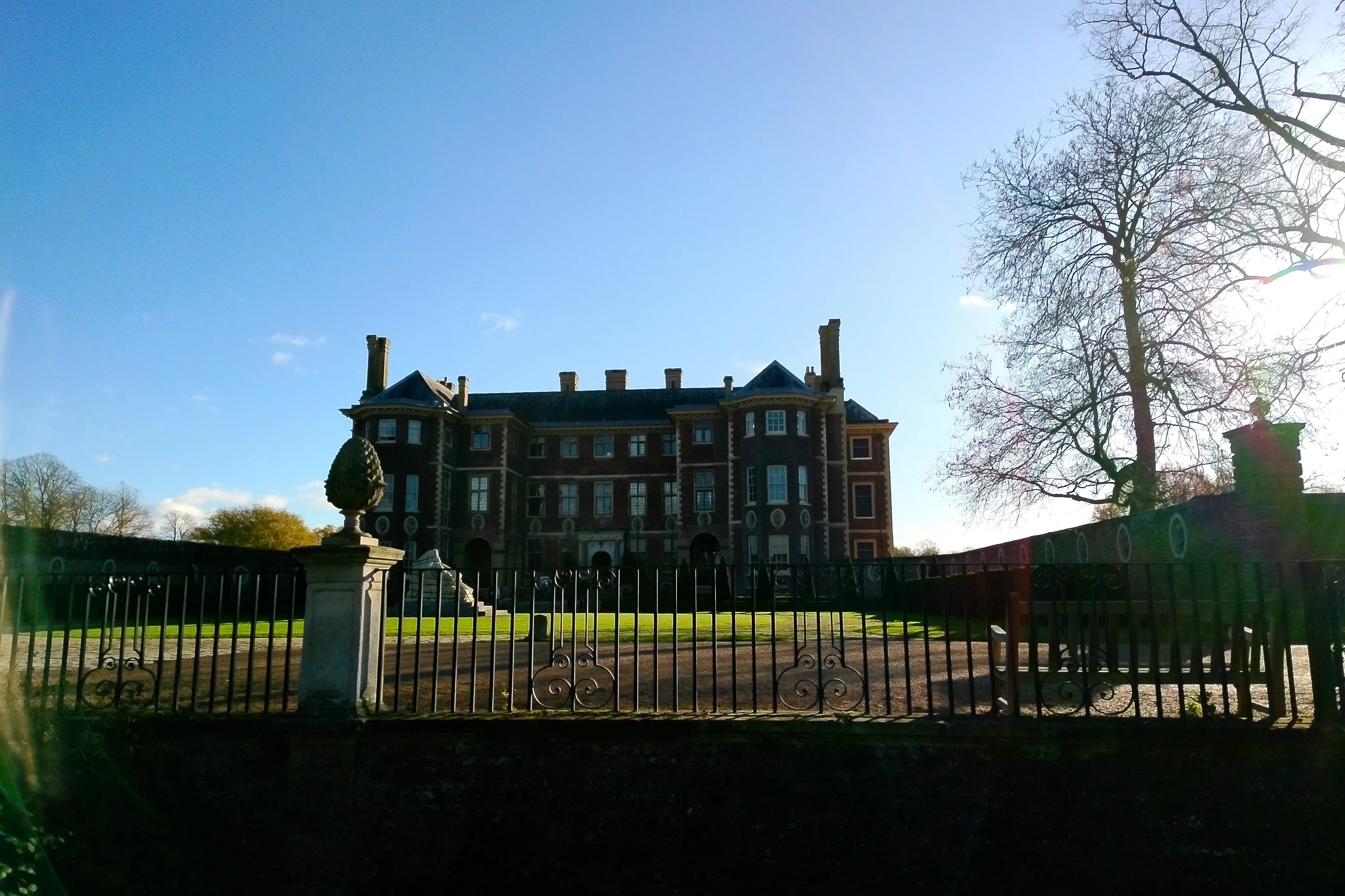
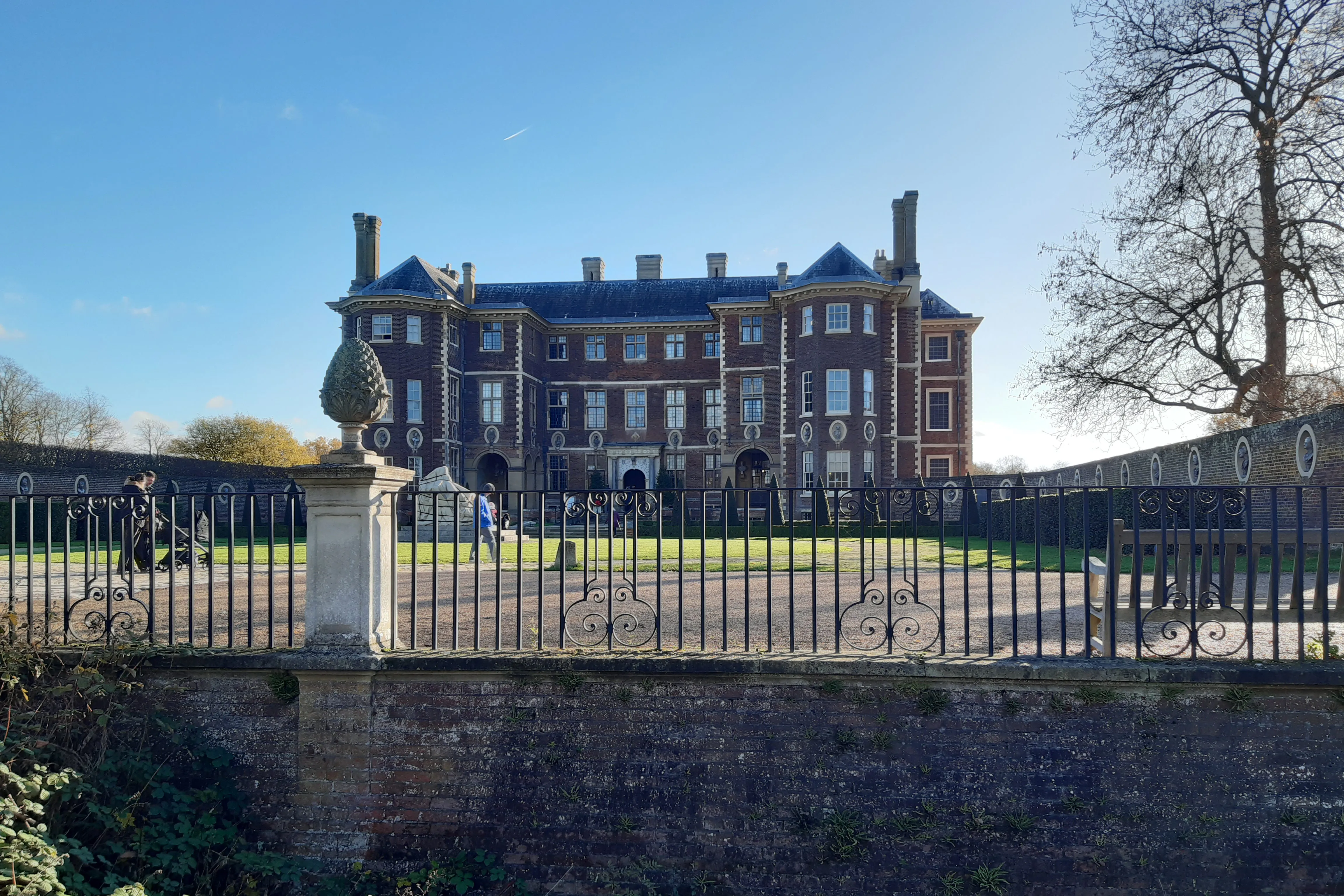
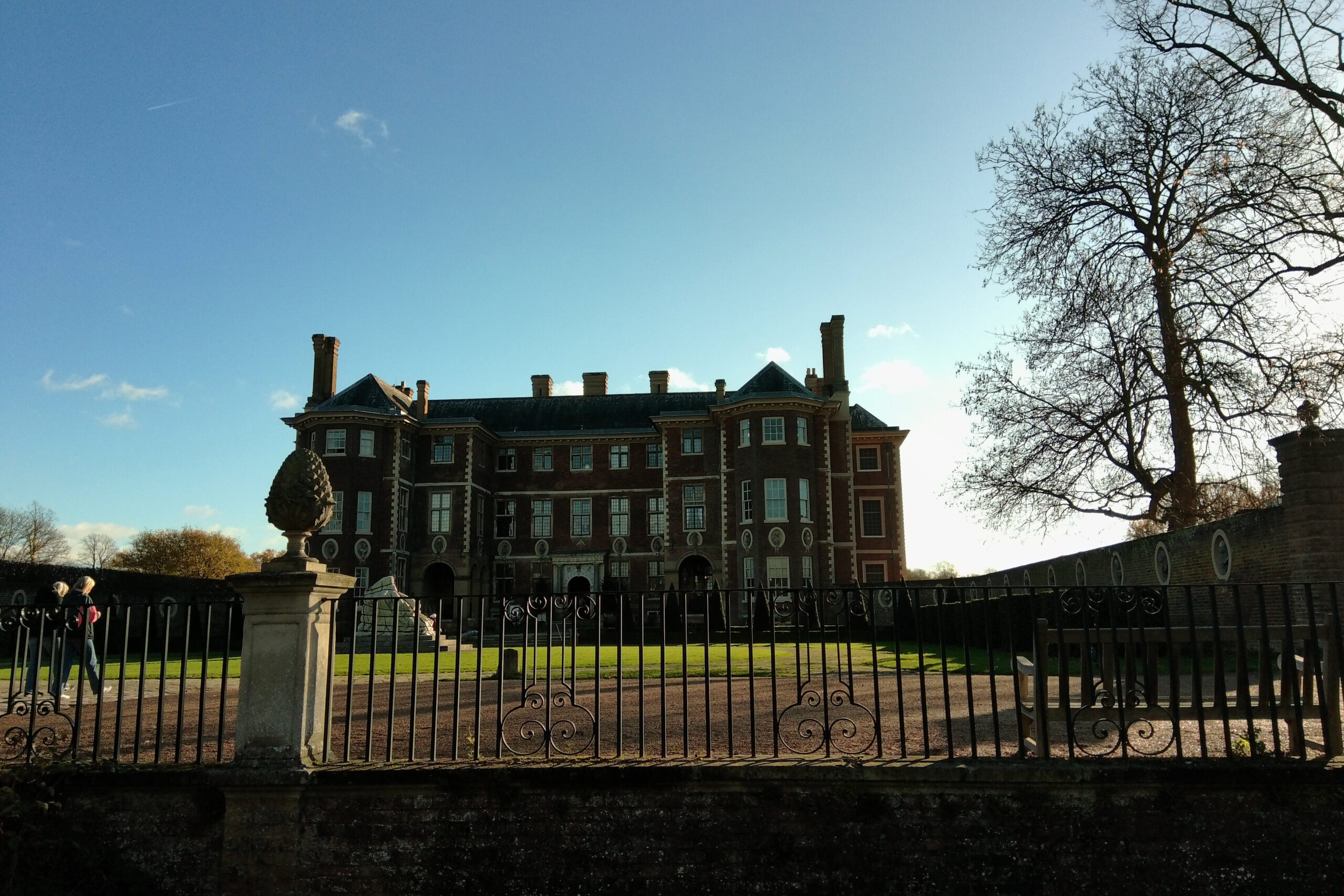
In terms which displays the most dynamic range and detail combined, I am slightly surprised, however, that I prefer the images from the Samsung Galaxy A40’s built-in 16MP f/1.7 camera out of the three on test here. Its own HDR capability has retained shadow detail missing from the other camera’s shots, without the attendant bugbear of washed-out colours. Yes, there is some purple fringing visible if I look for it, but it’s better controlled. It’s almost a shame that Samsung stopped producing its own compact, Wi-Fi accessing Galaxy Cameras; a hit in my household in the 2010s.
So, the results here back up my original hunch
The latest generation of cheap point and shoot digicams are still outclassed by the camera I always have in my pocket – my smartphone. Perhaps that’s because those currently releasing snapshot cameras haven’t bothered to update any of the tech from years ago when phones first ate into their market share.
Sure, buy a cheap digicam if you want artefact-ridden, endearingly ‘retro’ shots. But do so while admitting owning one probably makes you more of a hipster, and less of a photographer.
Related reading:
- Best ultra zoom (bridge) camera
- Best phones for photography
- Second-hand classic compact cameras
- Best vintage digital cameras