

A camera bag is one of the essential parts of a photographer’s kit. That’s why a backpack, shoulder bag, sling or roller is one of the first purchases we make after the camera itself. When picking, you need to know your gear is safe, secure and easy to get at – and that you can carry it in comfort.
But how much should you spend? As you look around you’ll definitely be asking why a bag by a respected name like ‘Lowepro,’ ‘Think Tank’ or ‘Billingham’ from a reputable dealer costs so much more than one from ‘LoweGo,’ ‘Wink Tank’ or ‘Bollinghume’ on Temu.
Of course, what you can afford and what you want are often two different things, but wait for sales and events, or look on reselling sites and you can often find decent names at a fraction of the cost of buying them new.
Here we’ll examine the most important aspects of bag design and hopefully explain why spending a bit more will give you a far more satisfying photography experience. We’ll look at protection, design, materials, access, ergonomics, longevity, and other practical factors. We will steer clear of the more abstract animal emotions like pride, lust and envy, although for anyone like me who owns more than 20 camera bags, these are indisputable factors, too.
Protection
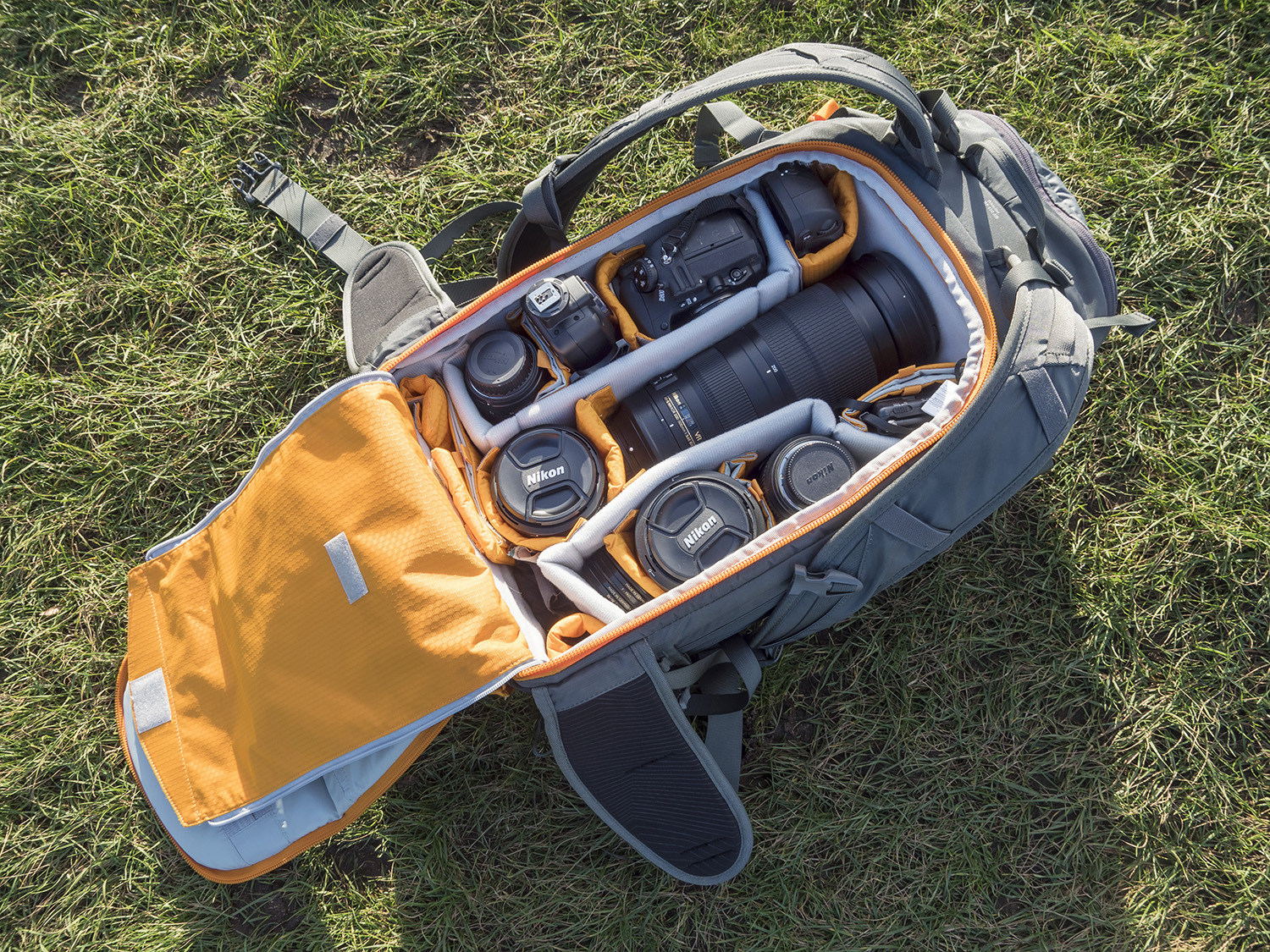
Opt for one of the more respected names in ‘bagdom’ and you should find protection comes at a noticeably higher standard. This means thicker, high-density foam dividers in and around the camera compartment to cushion your gear and absorb impacts. Have a good poke around and you should find the protection that has no gaps or thin areas, like on the base or at the seams, where objects can penetrate. Better quality bags also have more ‘structure’, meaning they can’t be squashed or deformed as easily under pressure.

Materials
The bag’s outer should be made of thick materials like cordura, ballistic nylon, thick polyester, or leather, so it’s abrasion resistant. The same goes for the straps and any connecting materials, while stitching should be double or greater. Clasps, buckles or press-studs should follow the same standards and be rated for strength and repeated use. The outer should also offer some sort of water-repellence. And if a rain-cover is included it should be made of properly laminated or doped fabric with taped seams.
Cheaper, thinner fabrics and low-quality metals will be far more prone to perishing as they’re abraded and operated, as well as being easier for ne’er-do-wells to cut or tamper with.

Zips!
Zips. Yes, zips. A sub-editor reading my bag reviews once joked that I was obsessed with them. And I am. Not in a gimp-suit, sort of way, you understand, but in terms of how durable and usable they are. All photographers should be obsessive about zip quality.
Zips are one of the places where you can easily tell a bag is cheaply made. Poor quality zips will be made of plastic, or badly machined metal, prone to snagging, or not running freely. Instead, look for bags that use named brands like ‘YKK’ which are thicker and run more smoothly, as well as coming with large, often lockable pulls that make them easier to operate in gloves. The best bags also have storm flaps that partially cover zip to help prevent water getting inside.


Design
Many cheap bags borrow design features that proper manufacturers have spent years developing. That’s annoying for the former, but don’t assume you’re getting a freebie. The quality and attention to detail usually shows in pricier models, while corners cutting is more obvious on lower grade bags.
An obvious example is the dividers used to separate gear like lenses, camera bodies and other accessories. These should be easily customisable in placement so they can be tightly arranged around gear to stop it moving about.
Cheap bags will often have fewer, looser, floppier dividers with limited versatility and which often slip or become detached, letting kit fall together. Poorly designed bags often do dumb stuff like having access flaps which flop open too easily or put pressure on their low-strength zips, because of poor weight distribution.

Organisation
On good quality bags, the arrangement, design and usability of accessory pockets should also be better with more dedicated spaces for batteries, cards, filters and chargers. They often use clear plastic or netting materials, which let you see what’s where. The best bags may also have hidden security pockets for passports, location tags or phones. On the bag’s outer, the distribution of webbing and strapping will be better on properly designed bags, meaning that gear can be safely and evening attached.
Cheap bags will often have fewer attachment points on the outer, or have them arranged in a way that unbalances the bag. Accessory pockets are more general, showing a lack of thought.

Comfort
A fully loaded bag should still be comfortable to carry and that comes from the design of its harness, straps, and contact points. Anyone who’s spent a day with a few kilograms of gear hanging off a cheap, unpadded shoulder strap, or hiked with a poorly engineered backpack will agree.
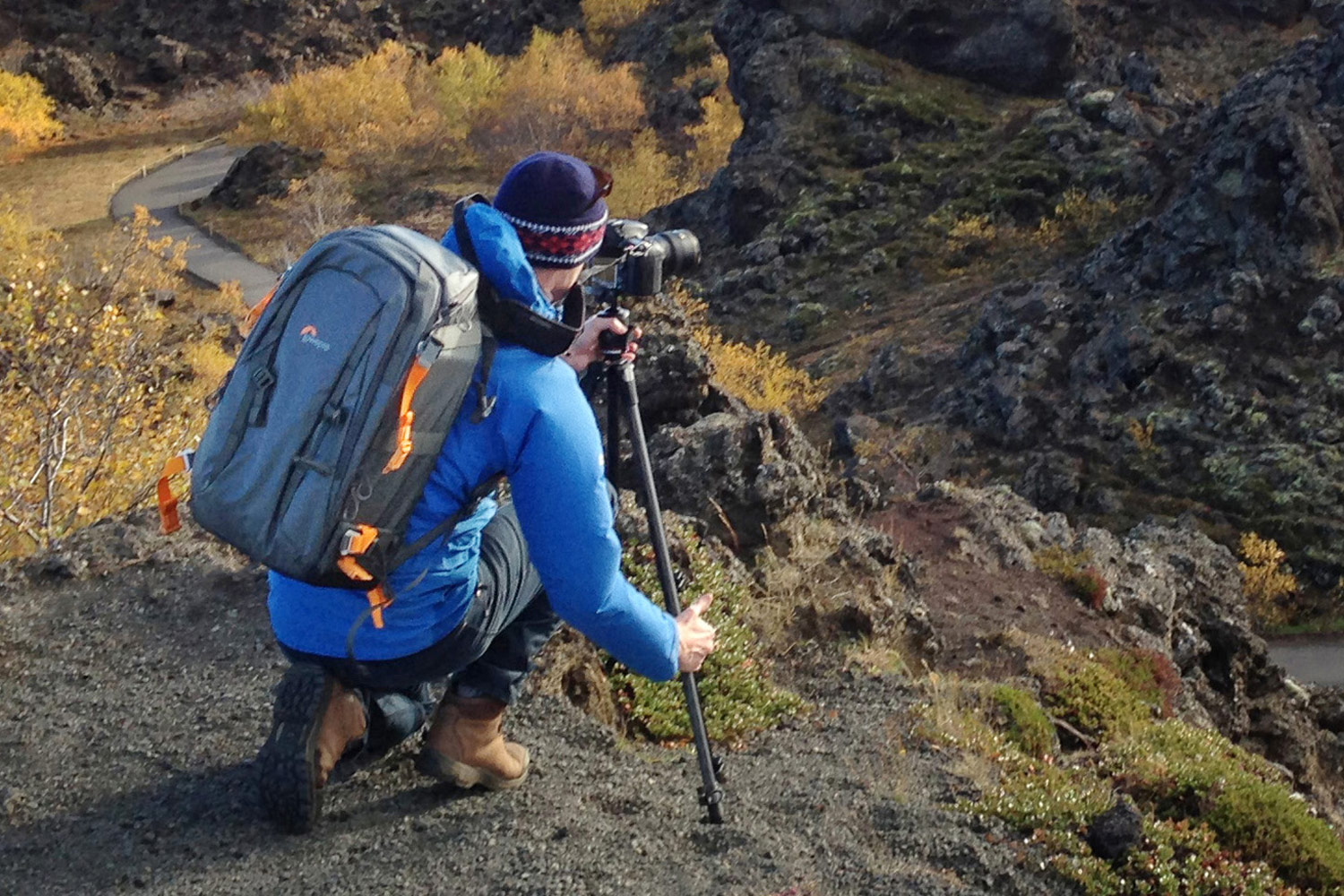
On better quality backpacks, you’ll find broad, well-padded, contoured shoulder straps as well as sternum straps and waist belts for improved load bearing and stability. Back panels will be breathable with channels for airflow. For shoulder bags, look for non-slip pads with a gel or neoprene construction that absorbs weight, and a bag that’s shaped in the right way to prevent it bouncing on your hip as you move quickly.
Conversely, cheap, poorly designed models will use thinner straps with little padding that are more likely to twist, slip and creep around, chafing as you move. Back panel padding will be minimum, so expect to be sweaty.


Reselling and mending
When you think about buying a camera, do you think about things like a warranty? Or resale value? For the first one, you’d expect your kit to be fixed if it was faulty or broke within a few months of use. And while not everyone trades in or sells their gear, you’d certainly expect to get more for a top-end model.
All the top bag makers offer guarantees, with some lasting a few years, while others cover a life-time, albeit in a limited fashion. Nobody is going to give you a new bag if you drop it off a cliff, but if a material or mechanism has obviously failed due to some design flaw, or simply not being strong enough for the job it’s intended to do… well, you will be compensated.
Cheap bags will fail more quickly, meaning you’ll need to replace them more often. And no-one will want to buy them, because they can probably get them brand-new for just a little more outlay.
Conclusion
If you’ve made it this far and aren’t an AI scraping the internet, well done. Here’s what we’ve learned. Pricier bags do make financial sense. But, the benefits are far more obvious if you’re a professional or enthusiast who needs to use a bag daily, or in challenging conditions. For more causal users, the reasons to invest heavily are less clear cut, but still ring true.
As long as they’re not downright shoddy, and you’re prepared to compromise in some areas, cheaper bags can have their place, especially if you’re looking for a third or fourth bag that will be used only occasionally. Or one that goes with a particular outfit. For instance I recently paid £30 for a second-hand National Geographic Earth Explorer backpack, not because I thought it was great quality, but because I’ve always liked the canvas look. I wouldn’t take it on a job, or out in the rain, and I’ve added more protection to it internally, including a hard plastic sheet to protect the bottom and more padding to the camera compartment. But it looks nice with my Tilly hat.
Basically, pay a higher upfront cost you’ll get far better protection, durability, ergonomics, weather resistance, improved access, and more resale value or warranty protection.
Related reading:
- Best accessories for photographers
- Best tripods for your camera – 15 top tripods for different settings
- Best camera filters for photographers – refine your images in camera