


I visited an 800-year-old German castle recently, admiring paintings and tapestries from the 1600’s. As our guide pointed out, back then the artist hadn’t seen the lion they were asked to depict in real life, so relied on descriptions from others – rather like AI trawling existing images to create new ones. The result hung on the castle walls was a ‘lion’ resembling a cross behind a bear and a cavalier spaniel. Again, somewhat aping initial, slightly ‘off’ experiments with AI imagery.
Fast forward to the 1800s, however, and the castle paintings had become much more photo realistic; a leap AI imagery has achieved in just two years, rather than centuries. We’ve rapidly gone from ‘uncanny’ expressions and sausage fingers to realistic humorous clips featuring the late Queen Elizabeth II extolling the virtues of jerk chicken.
No wonder many are as alarmed by the pace of progress as we are excited by it.
While it’s obvious a patois-speaking Queen is an artificial construct, glossy celebrity images are less obvious examples of such ‘promptography’. It’s increasingly difficult to differentiate AI enabled ‘fauxtography’ from, say, a David LaChapelle photo shoot – a creator whose imagery has always been steeped in hyper realism.
In many ways the current flood of AI imagery and reaction to it reminds me of the jump from film to digital in the 1990s/2000s, when ‘real’ photographers were equally wary of the ability to manipulate pixels post capture. David Bailey once dismissed digital editing to me as having led to images ‘of girls flying on pencils and all that nonsense’. In the rush to use new tech, many photographers forgot to ask themselves if they should.
The old ones are the best
I also wonder if our seemingly counter intuitive desire to re-discover and re-use tiny sensor incorporating point-and-shoot cameras from 15 to 20 years ago is also, in part, a reaction to AI infiltrating the art of image creation. In times of rapid change and uncertainty, we seek comfort in the familiar, the nostalgic.
Yes, many of those buying up such cameras may be a younger, Gen Z crowd – but they have grown up with dads using such cameras on family holidays and social occasions. Childhood memories are strong memories.
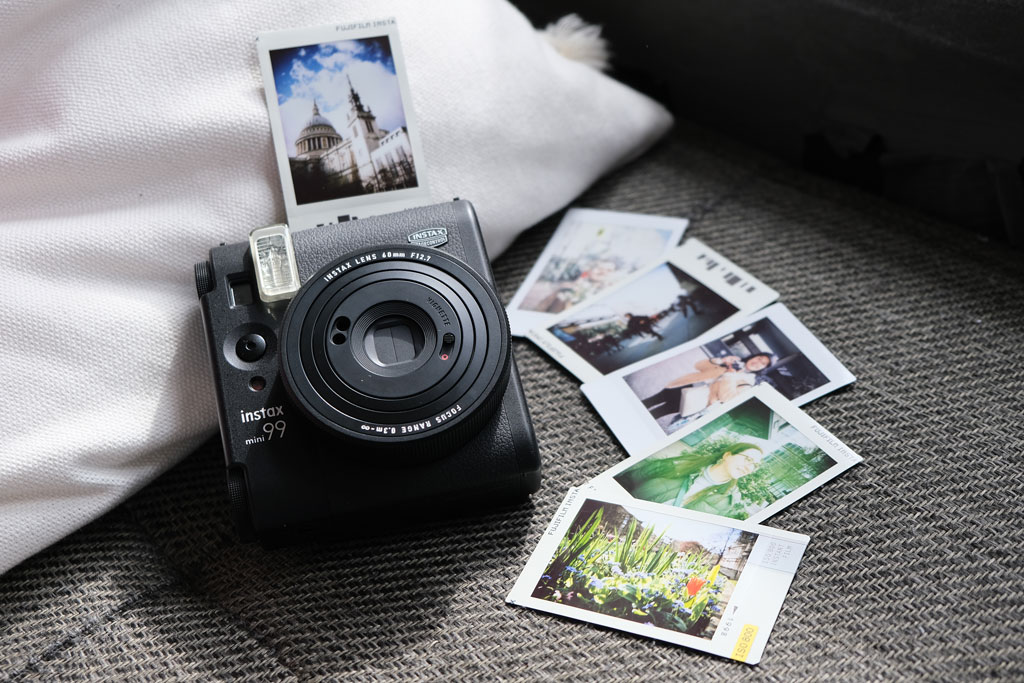
Even my teenage daughter, immersed in social media and mobile phones, is concerned about AI. She recently got a basic analog Fujifilm Instax, aping the Polaroid instant cameras of my youth. Here it’s a case of press the button, get a print, with no digital jiggery-pokery. As with my own grandparents back in the 1970s/80s, the most pressing want is to capture a moment, not a falsehood.
With it being increasingly hard to tell real from AI ‘fake’, the ability to claim an image as ‘authentic’ from creation through to presentation is a more powerful commodity than ever. Otherwise, what impressions of our era will our own descendants be getting in 800 years’ time?
Related reading
- Vintage digital cameras you should actually buy
- 12 of the Best Second-hand Classic Compact Cameras: stylish and enduring
- What is a Y2K Camera, and should you buy one?
The views expressed in this column are not necessarily those of Amateur Photographer magazine or Kelsey Media Limited. If you have an opinion you’d like to share on this topic, or any other photography related subject, email: ap.ed@kelsey.co.uk.