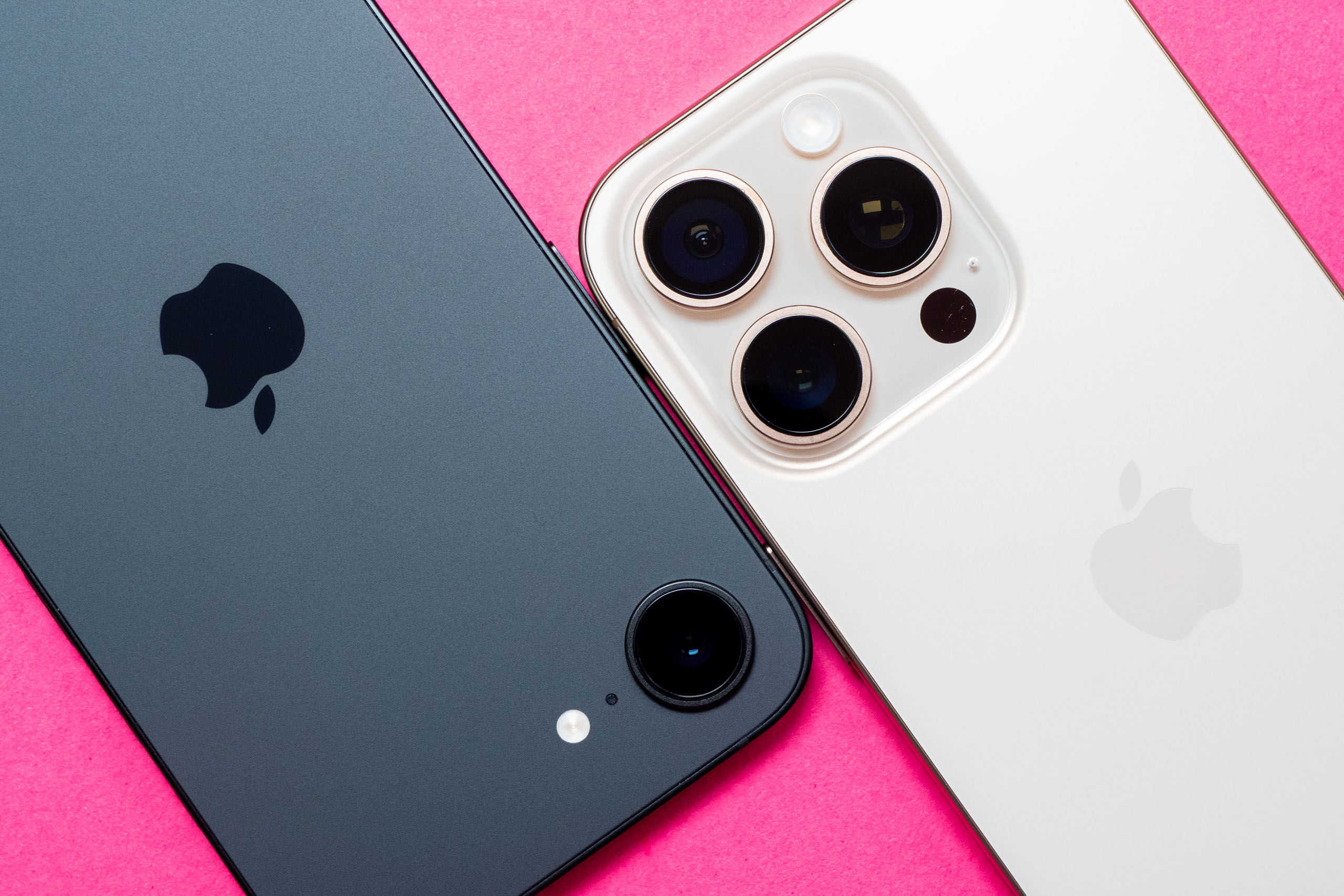


If you’re buying an action camera, you are very likely looking at DJI vs GoPro. While other excellent contenders do exist, GoPro has become the household name as far as waterproof wearable cameras go – and DJI has emerged as its key rival.
Both manufacturers have shown little compunction about copying each other’s work; when a hot new feature emerges on a new camera from one, it’s generally a safe bet that something similar will show up in the next release from the other. Front-facing screens, square-format sensors and, latterly, attachable lenses.
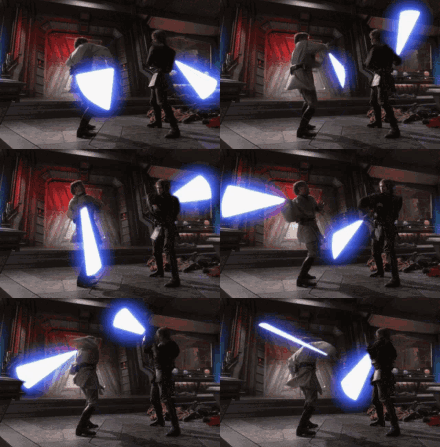
What this means, before we get into the nitty-gritty, is that you can’t go wrong choosing between DJI and GoPro action cameras. They’re both great. They’re fundamentally very similar propositions. Sometimes, the ‘rivalry’ between the two feels a lot like that GIF from Star Wars where Anakin and Obi-Wan are just eternally swinging their lightsabers without actually hitting each other. Do you know what I mean? This one. That’s GoPro and DJI, right there.
With that said, the DJI Osmo Action 6 has just been released. The GoPro Hero 13 Black is now a year old. There are marked differences in terms of what the two cameras can do in photography and video terms. One may be better suited to your specific needs than the other. So, let’s dig in and take a closer look at DJI Osmo Action 6 versus GoPro Hero 13 Black.

DJI Osmo Action 6 vs GoPro Hero 13 Black: At a glance
| DJI Osmo Action 6 | GoPro Hero 13 Black | |
| Sensor | 1/1.1-inch CMOS | 1/1.9-inch CMOS |
| Lens FOV | 155° | 156° |
| Lens aperture | f/2.0-4.0 variable | f/2.5 fixed |
| Max. video resolution | 4K 120p | 5.3K 60p |
| Max. stills resolution | 38MP | 27MP |
| Battery | 1950 mAh | 1900 mAh |
| Built-in storage | 50GB | None |
| Waterproofing (without case) | 20m | 10m |
| Dimensions | 72.8 x 47.2 x 33.1mm | 71.8 x 50.8 x 33.6mm |
| Weight | 149g | 159g |
DJI Osmo Action 6 vs GoPro Hero 13 Black: Price and availability
Something we need to acknowledge up front is that if you’re in the USA, this decision has currently been made for you. Ongoing trade disputes mean that DJI products aren’t being sold in the US. A DJI spokesperson’s statement accompanying the release of the Osmo Action 6:
‘The DJI Osmo Action 6 will not be officially available in the US market through official websites following the global launch on 18th November. DJI remains committed to the U.S. market and is optimizing our strategy to best serve our customers amidst evolving local conditions.’
Of course, there are ways and means. But they cost. And with a GoPro Hero 13 Black available through all legitimate channels for a starting price of $329, you’d have to be a real DJI fanatic (or committed GoPro hater) not to go for it, especially when the two are so similar.
In the UK, the DJI Osmo Action 6 has a starting price of £329, whereas the GoPro Hero 13 Black is currently starting at £279 – which makes sense, given that it’s a year older.
Winner: GoPro

DJI Osmo Action 6 vs GoPro Hero 13 Black: Design
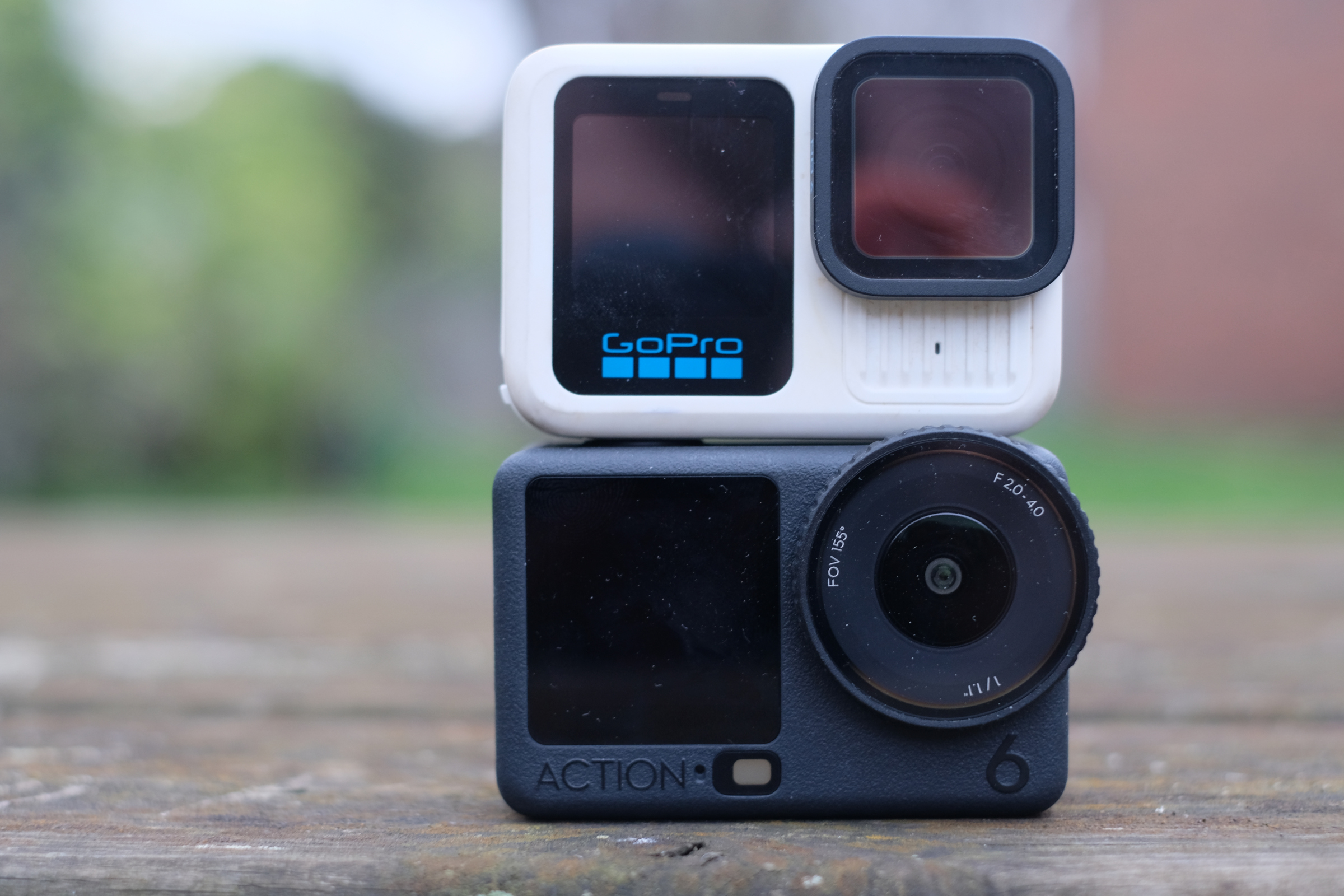
In their fundamentals, these two cameras are extremely similar, as you can see from the hands-on images. They are standard action-camera cuboids that feel basically the same in the hand (the GoPro is 10g heavier and a couple of millimetres taller, but I’m not going to pretend to care about that). They both have dual screens, front and rear, as well as waterproof covers for their USB-C ports and batteries.
However, once you start using them, there are a few differences that become apparent. The one that struck me most readily throughout my time with the cameras was using the displays. The DJI has a larger rear display; it has a 2.5-inch LCD that takes up almost the entire rear of the camera, while the GoPro has a 2.27-inch rear display with a gap on the left for the logo.

That might not sound like much, but in use, the DJI display does feel a lot less cramped, with your image preview much less crowded by screen furniture. I also felt that its touch sensitivity was better – in both cases I spent a slightly annoying amount of time stabbing at icons, as you do with small screens, but the DJI had me doing it noticeably less.
Both cameras have a magnetic attachment system on the base for mounts and accessories, which in both cases is nifty, smooth and secure. However, call me old-school, but I’ll give GoPro some points for including a screw thread in the camera body itself, meaning you can attach it to any old tripod you’ve got lying around (doing so with DJI requires a separate adapter).

DJI has an edge in terms of native waterproofing, as it’s rated down to depths of 20m, compared to just 10m on the GoPro. In both cases, you can buy underwater cases to significantly extend their waterproofing. Also, I’m not going to discuss this too much as I didn’t have them on hand to test, but both cameras offer swappable lenses to control focusing distance and field of view – all at an extra cost, of course.
Winner: DJI

DJI Osmo Action 6 vs GoPro Hero 13 Black: Photography
Both cameras use a lens with the standard action camera field of view – nice and wide. DJI’s is 155°, GoPro’s is 156°. They both offer digital lens modes that allow you to narrow this perspective for more naturalistic shots.
However, the DJI Osmo Action 6 has two things going for it. First, a larger sensor – 1/1.1-inch to the GoPro’s 1/1.9-inch – though both have opted for the square format that makes for easy cropping into different aspect ratios. Second, a lens with a variable aperture, which is a first for action cameras, an f/2.0-4.0 lens, as opposed to the GoPro’s f/2.5.
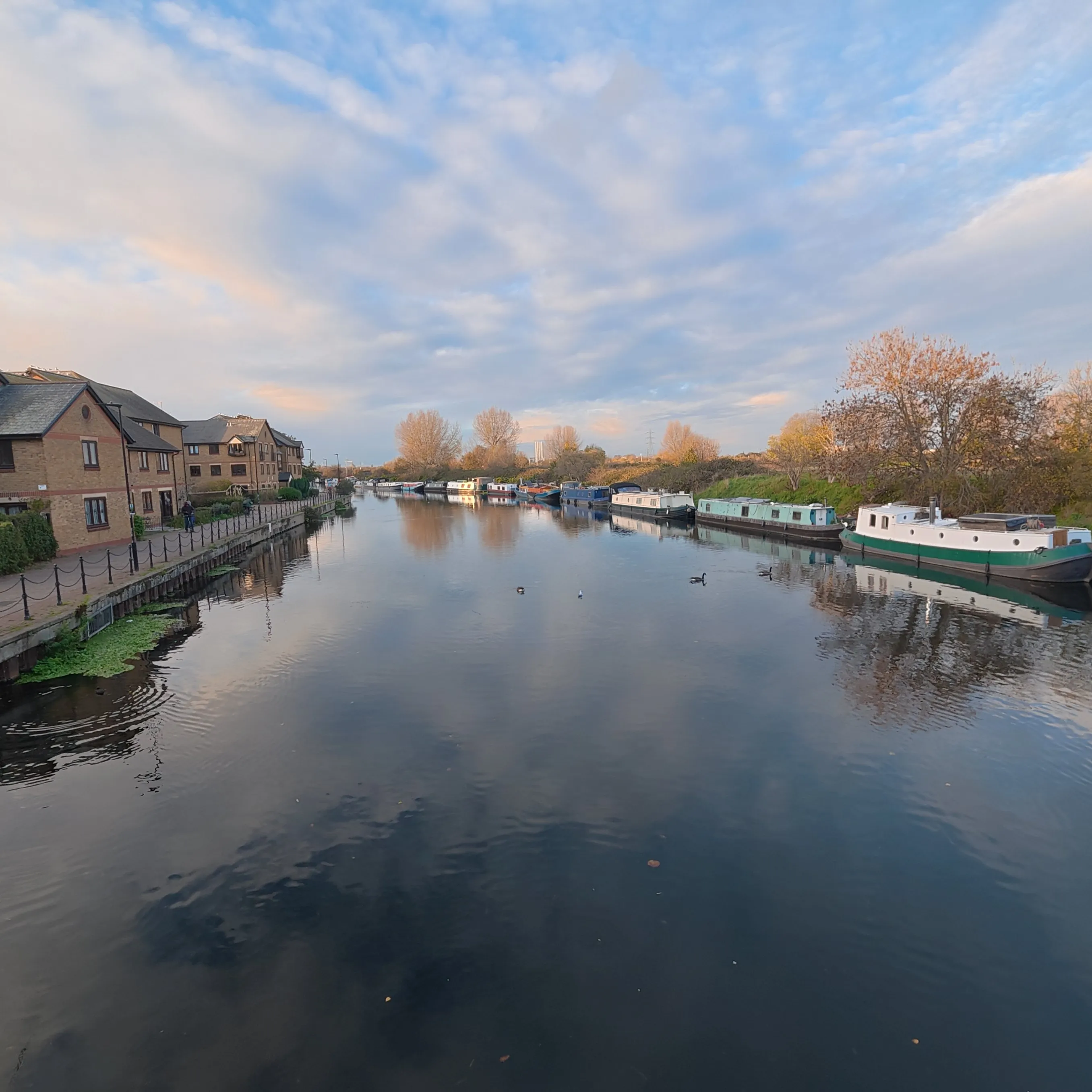
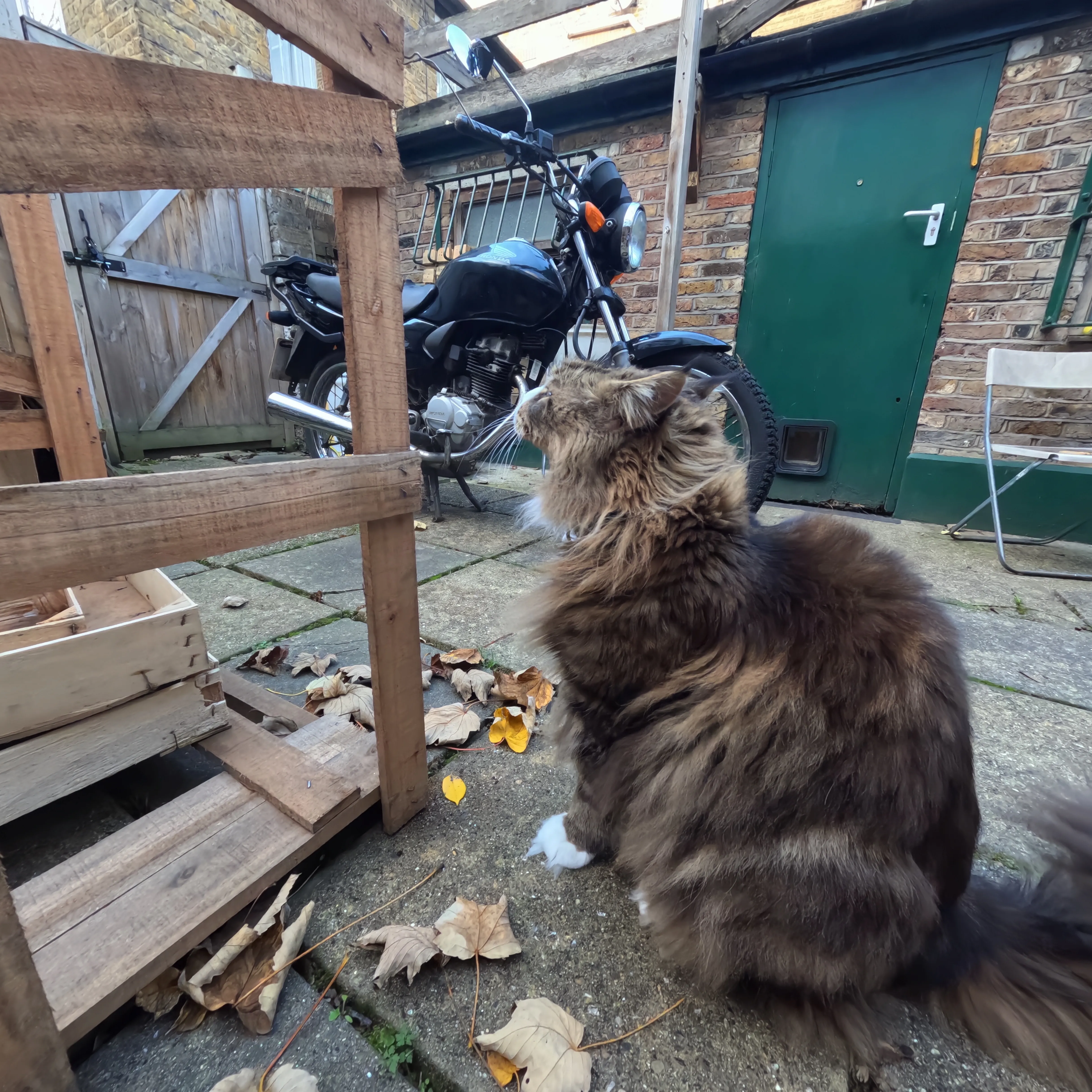
In photographic terms, this really does add up. I wasn’t expecting as much difference as I saw; when viewed side by side, stills from the DJI are consistently brighter and punchier, with a greater tonal range and generally more pleasant colours. Some of the GoPro images, by contrast, felt a little dowdy and muddy.

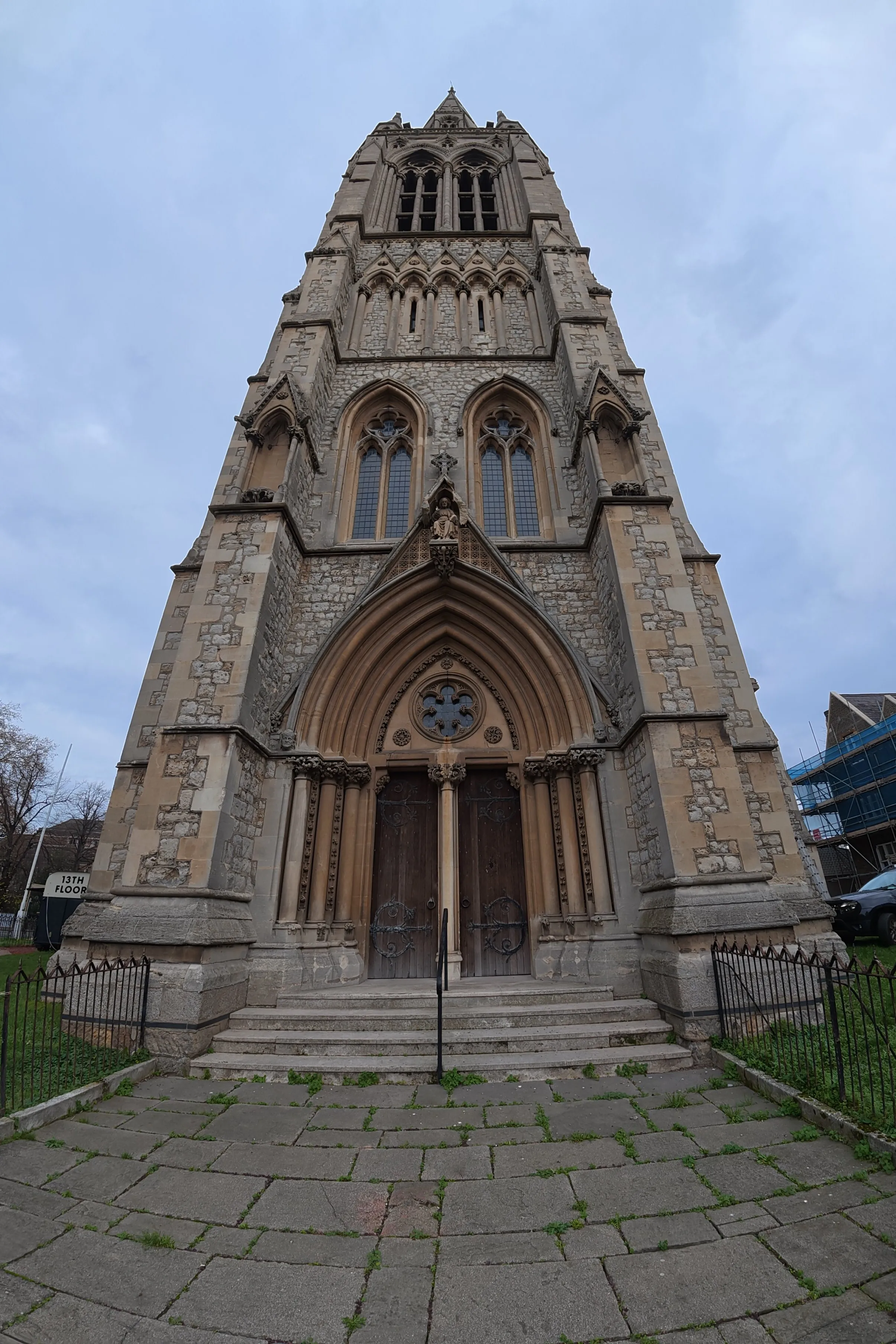
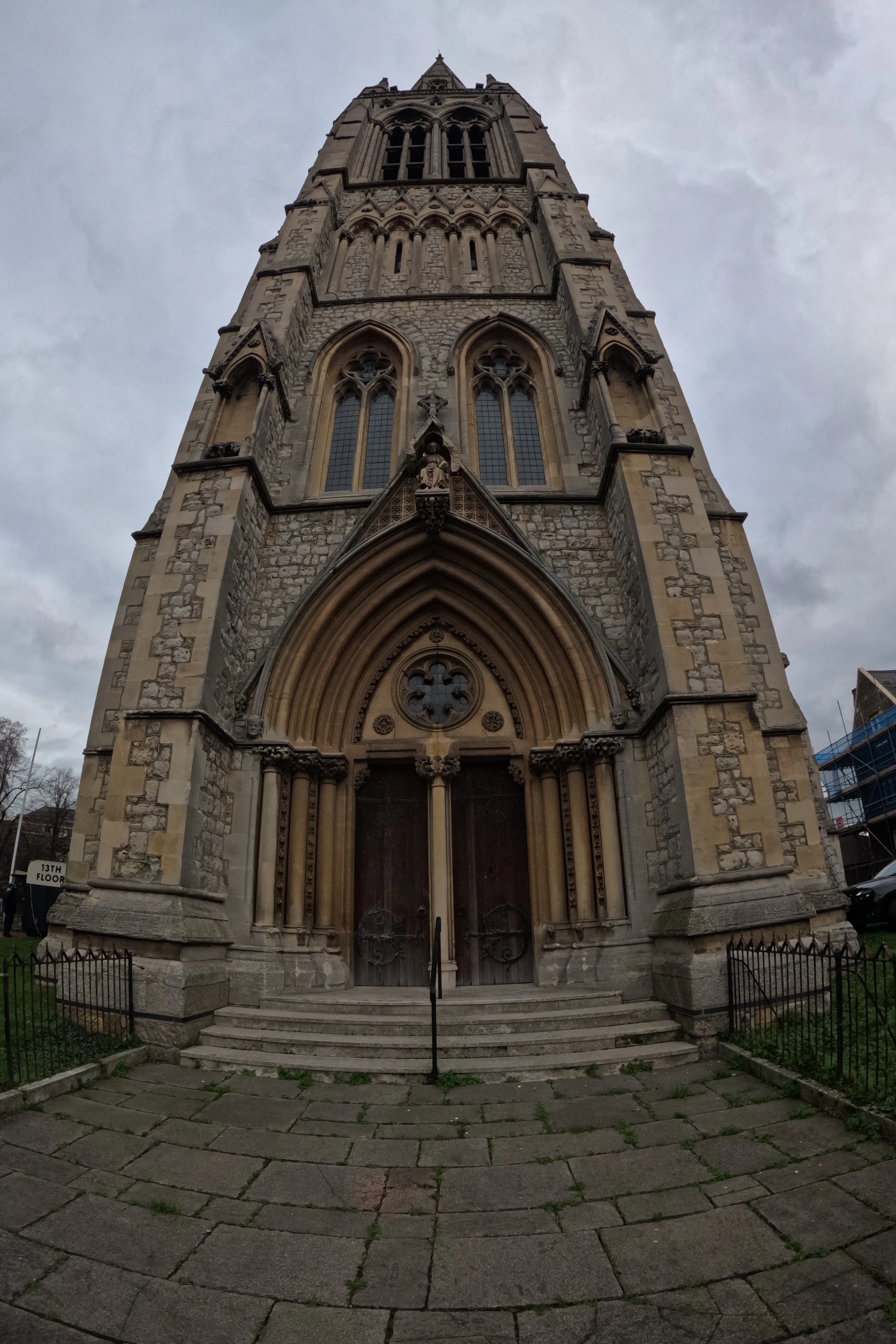
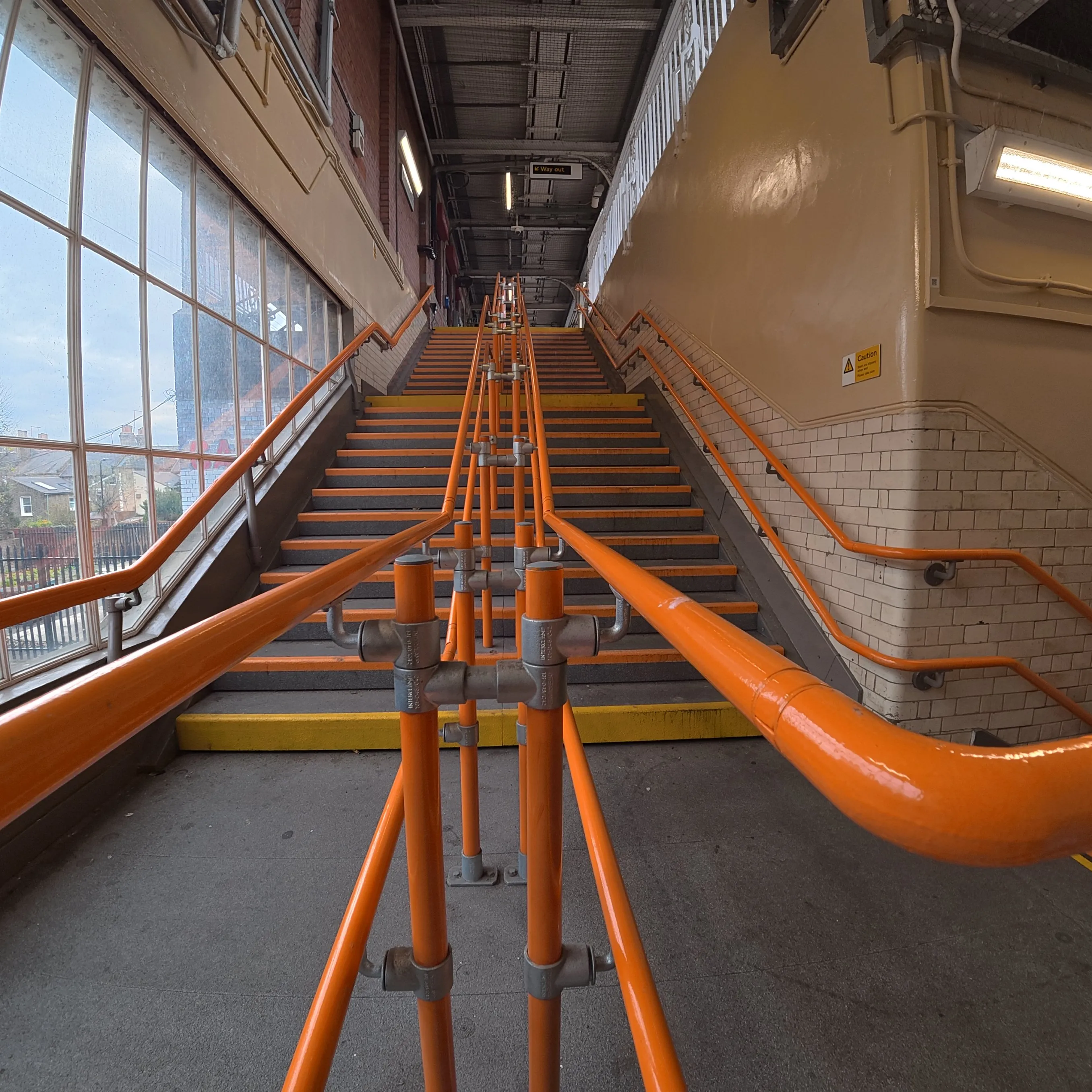
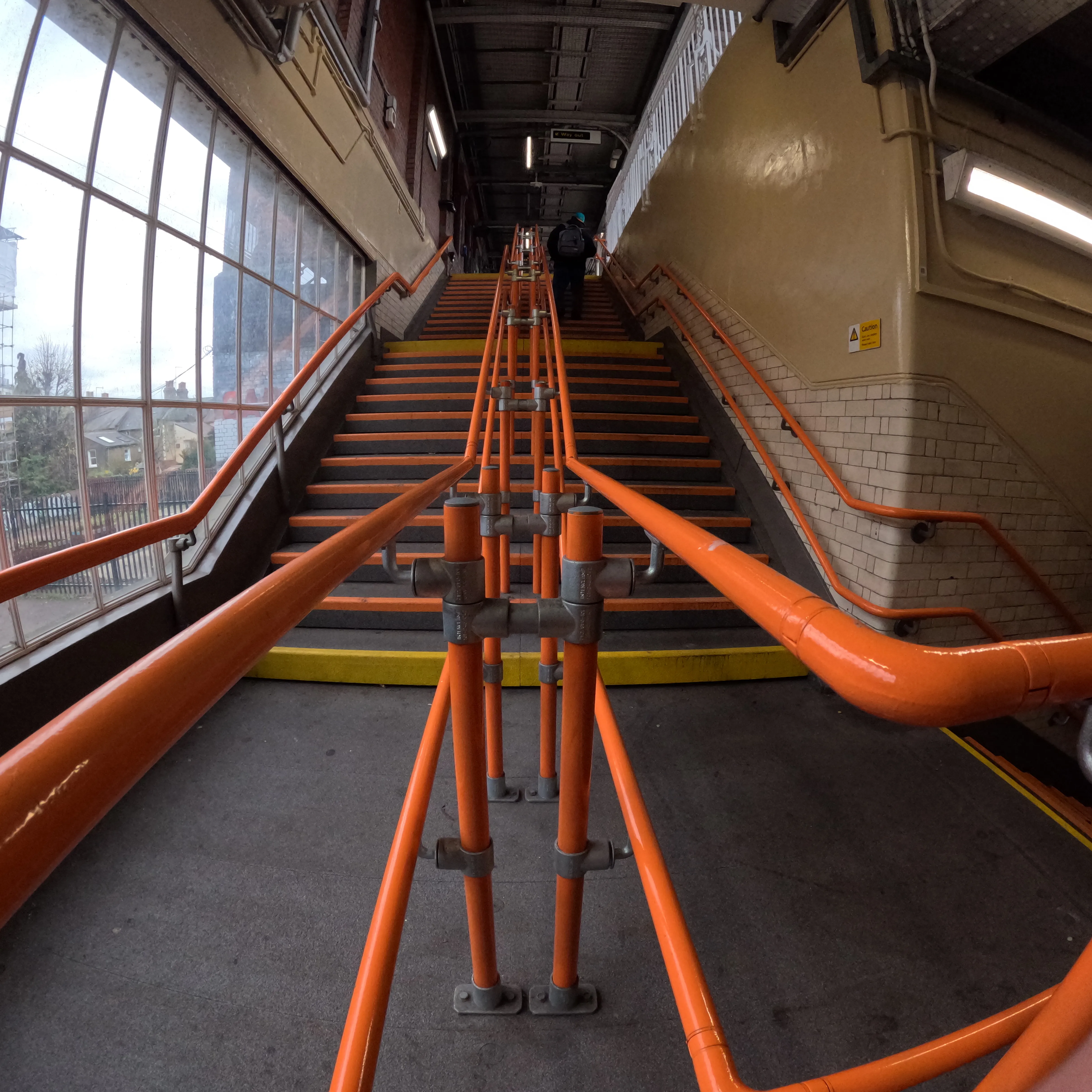



Winner: DJI
DJI Osmo Action 6 vs GoPro Hero 13 Black: Video
This is a close-run thing. Both cameras offer great-looking video, with 10-bit colour and Log profiles. Again, the DJI camera’s larger sensor gives its video imagery richer colours and greater dynamic range than GoPro’s – it’s noticeable especially in good light.
Both cameras offer a range of different digital lens modes, spanning ultra-wide to fairly narrow. Below is a walk-through showing some of the different lens modes – you can also see how in poorer light, the difference between the quality of the two cameras is less pronounced. (I’d also note that the footage on the GoPro’s Linear lens is a little jittery. Possibly an artifact of the stabilisation.)
One big sticking point is that the GoPro Hero 13 Black offers a maximum resolution of 5.3K, to the DJI’s 4K, which does give you greater flexibility. If you’re outputting 4K footage, you can crop in losslessly to narrow your field of view. The GoPro also offers a more extensive suite of slow-motion options, with its Burst Slo-Mo modes going as slow as 400fps with reduced resolution (the DJI can manage 240, and that’s with AI frame interpolation).
The stabilisation on both cameras – RockSteady on DJI, Hypersmooth on GoPro – is very effective. I gave both a ‘hard-mode’ test, setting the stabilisation to maximum, narrowing the field of view and running at pace while filming, and in both cases the stabilisation delivered impressively smooth footage. It’s not quite gimbal-level, but it’s getting there.
Too close to call. DJI offers better raw quality, but I’d say GoPro gives you greater flexibility.
Winner: Tie
DJI Osmo Action 6 vs GoPro Hero 13 Black: Low light
The DJI Osmo Action 6 arrived with many promises about its low-light capability – that its larger sensor and variable aperture would deliver improved performance in the ‘SuperNight’ mode. Below are two videos that I promise were taken within minutes of each other. Let’s see – does the DJI Osmo Action 6 deliver superior low-light performance?
Yes. Amazingly so. The difference is quite literally night and day.
Moving on.
Winner: DJI
DJI Osmo Action 6 vs GoPro Hero 13 Black: Battery life and storage
The Osmo Action 6 and the Hero 13 Black have virtually identical rechargeable batteries: the Action 6’s battery boasts 1950 mAh, while the Hero 13’s has 1900 mAh. As such, you’d expect them to deliver roughly similar battery performance, and to an extent, you’d be right.

First I gave the two cameras a ‘fair’s fair’ battery test. With both fully charged, I simultaneously set them to indefinitely record Full HD 30p video. The results were – I cannot stress this enough – exactly the same. After two hours and forty minutes, I heard the DJI camera power down, and as I was walking over to check, the GoPro powered down too. Zero appreciable difference between the two.
With that said, in real-world use, it was my experience that the DJI Osmo Action 6 seemed to hold up much better. I spent a morning using both cameras to capture a mix of stills and video, playing around with the different settings and repeatedly delving into the menus. After a few hours, the GoPro was down to 77%, whereas the DJI was down to just 89%. This pattern continued throughout subsequent use – when the GoPro hit 60%, the DJI was still flying high on 78%.
This is quite surprising when you consider the DJI’s larger screen, which you’d think would be a power drain, but it seems that DJI has come up with a few ways to make the latest Osmo Action more power-efficient in day-to-day use. I’ll note for fairness that the Osmo Action 6 I was using was brand spanking new, and the Hero 13 Black was not (though that didn’t seem to affect the continuous video test).
Still, based on my personal experience, I’d say that the DJI Osmo Action 6 has a slight edge when it comes to battery life. It also wins big points with me for its 50GB of built-in storage, meaning you can record footage without a card.
Winner: DJI
DJI Osmo Action 6 vs GoPro Hero 13 Black: Verdict
If you’re anywhere other than the US, I’ve got to give this one to the DJI Osmo Action 6. There’s not a lot in it, and both of these really are very good action cameras. However, the larger sensor and variable aperture just gives the Osmo Action 6 an edge in terms of the quality and impact of imagery it’s able to produce straight out camera, and the larger screen makes it more pleasant to use.
However, the GoPro Hero 13 Black is the cheaper option – and if you’re in the US, it’s the only option. Also, GoPro didn’t release a new camera this year – so DJI is playing with a one-year advantage. Once the Hero 14 Black comes along, I’d expect the pendulum to swing back in the other directions, as these two action camera giants continue to endlessly battle for dominance.

Some of the equipment for this article was kindly supplied by Wex Photo Video.
Follow AP on Facebook, Instagram, YouTube and TikTok.