



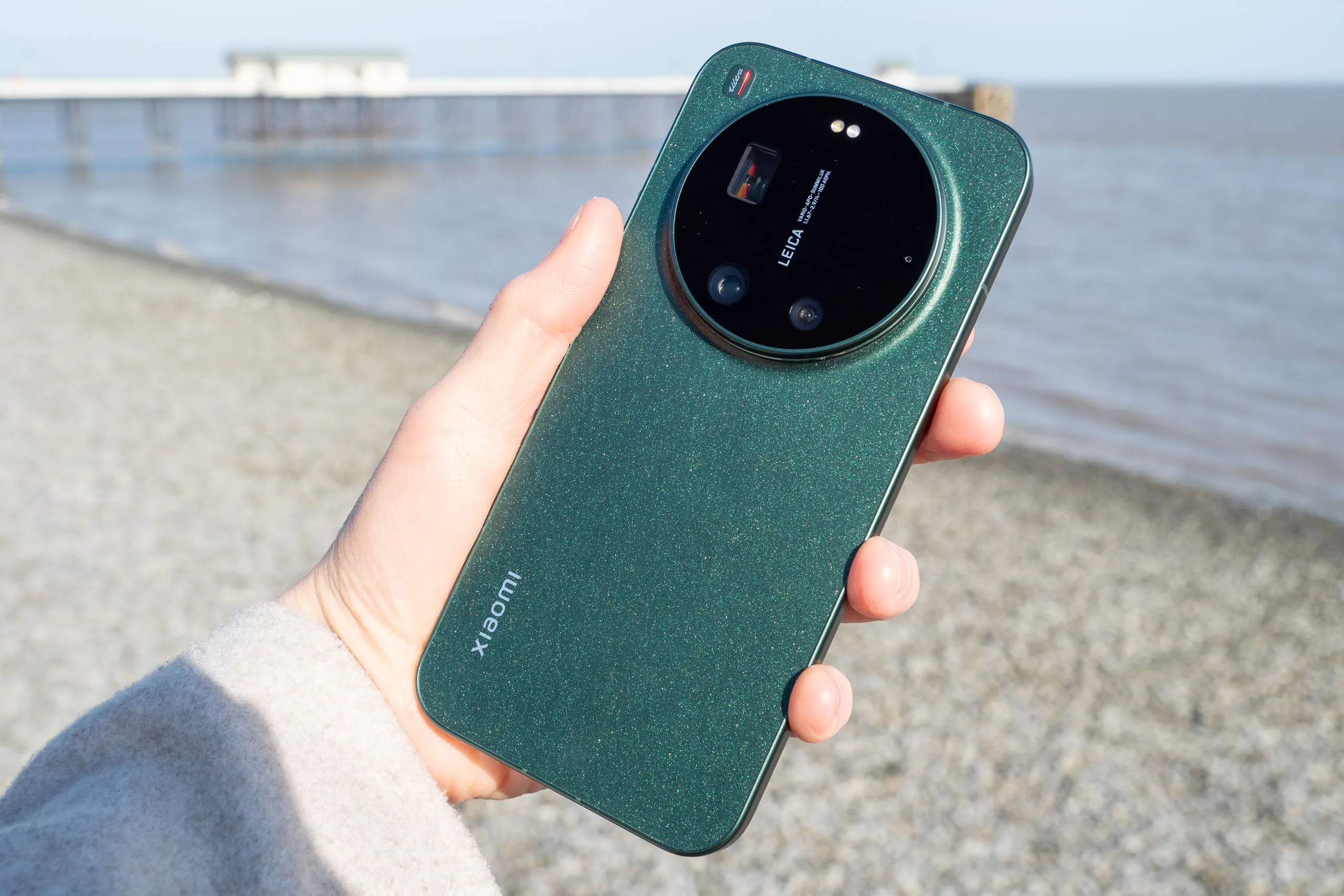
Xiaomi 17 Ultra Review: Simply the best smartphone for photography

With a one-inch sensor, a true zoom lens and a Leica partnership, there's very little not to like about this superb smartphone
Amateur Photographer verdict
If the quality of the on-board camera is your primary concern when buying a smartphone, this is the best one you can get – if you can buy it where you are, that is.
- 1-inch main sensor
- Optical zoom lens
- Leica partnership
- High price
- Not available in every market
- Only incremental upgrade from last model
For its most recent flagship, Xiaomi skipped a number. That means that this is the follow-up to the very well respected Xiaomi 15 Ultra. The previous model very easily sat at the top of our list of the best smartphone for photographers – but how will this new version fare?
Will it still topple other bigger names, notably Apple and Samsung, and what are the new features to think about? While Xiaomi certainly isn’t as well-known as those names, it’s the third biggest smartphone manufacturer in the world so it certainly has plenty of clout.
It’s worth noting that it’s a difficult phone to get hold of in the US, where Xiaomi isn’t officially sold. You can track it down via resellers, or even places like eBay, but you should be wary of doing that as it may not come with an official warranty.
Xiaomi’s partnership with Leica is still going strong, pairing up with the iconic brand for the lenses in the Xiaomi 17 Ultra. There is also a Leica Leitzphone, which is essentially a Xiaomi 17 Ultra which has been rebadged with a Leica user interface.
For now, let’s see how the Xiaomi 17 Ultra shapes up.
Xiaomi 17 Ultra: At A Glance
- 3 x rear cameras – 14mm ultrawide, 23mm main, 75-100mm zoom lens
- 50MP selfie camera
- 8K/30fps, 4K/120fos
- 6.9-inch AMOLED Xiaomi Shield Glass 3.0 screen
- 6000 mAh battery with 90W wired/50W wireless charging
- Android, security and software updates until 2032
- Qualcomm Snapdragon 8 Elite Processor
How I tested the Xiaomi 17 Ultra
I review smartphones from the perspective of choosing one for its photographic / camera performance. For this review, I looked at what the Xiaomi 17 Ultra offers, including its specific features for photography and video. I pay particularly close attention to the listed specs for the cameras, but also consider other aspects, such as the screen and battery life. Primarily, I look at how each lens performs, as well as thinking about it as a whole product. I also think about things such as photo editing capabilities, and any other features which may appeal from a photographic point of view.
Xiaomi 17 Ultra: Features
One of the most appealing things about Xiaomi’s most recent flagship models is that the main sensor is a large 1-inch type. This is the largest you’ll find on any current smartphone and puts it in the same league as premium compact camera models, such as the Sony RX100 series. For this reason, many have argued that the Xiaomi models represent a true replacement for a high-end pocket camera, where other players don’t come quite as close.
This sensor is a 50MP, and is a new Light Fusion sensor which promises better performance than the predecessor. It is fronted by a 23mm f/1.7 lens – this appears to be very similar as the one found on the 15 Ultra – although the 15 Ultra had an f/1.6 lens.
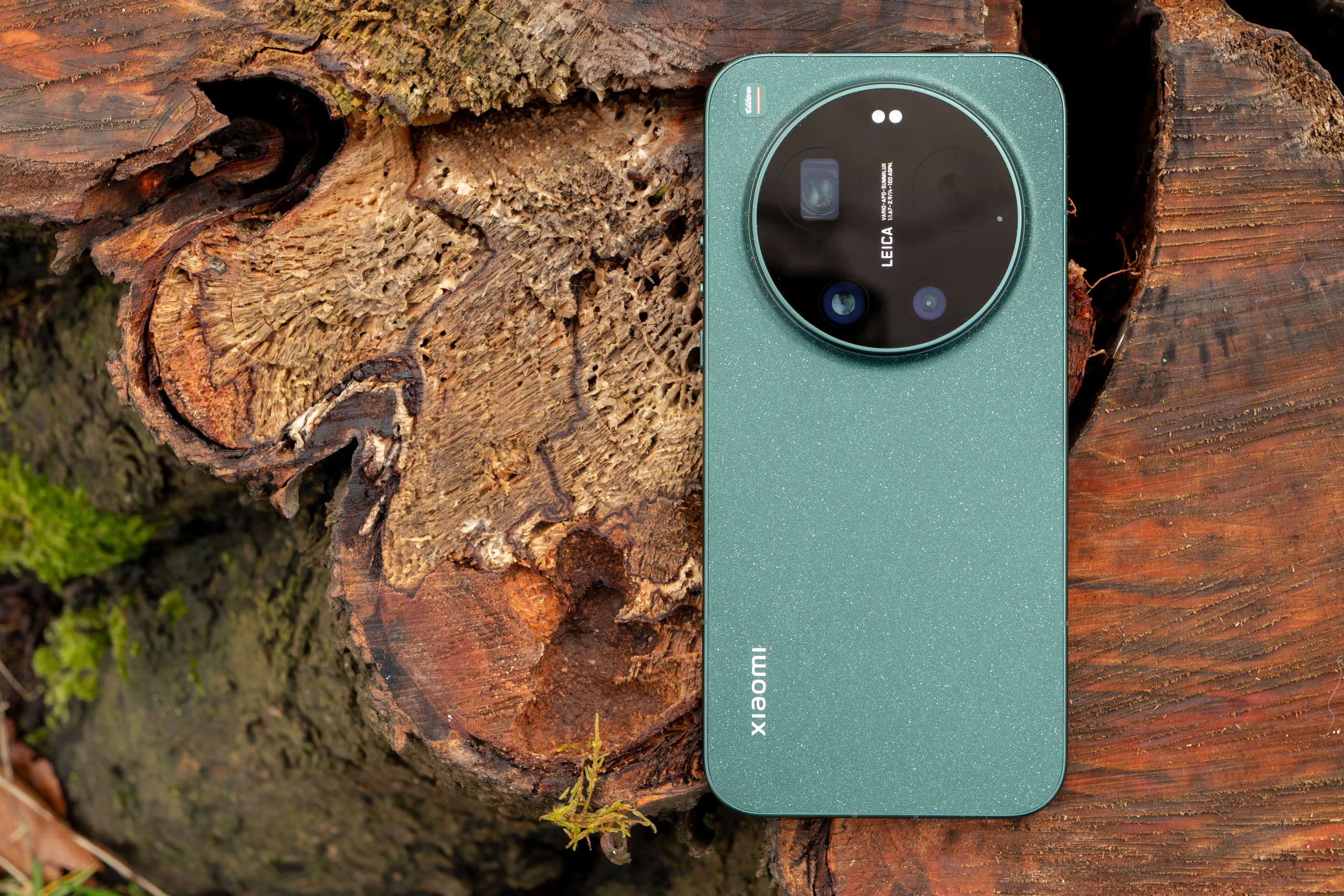
It is joined by a 50MP 14mm f/2.2 ultrawide lens, which again seems to be same as found on the previous generation.
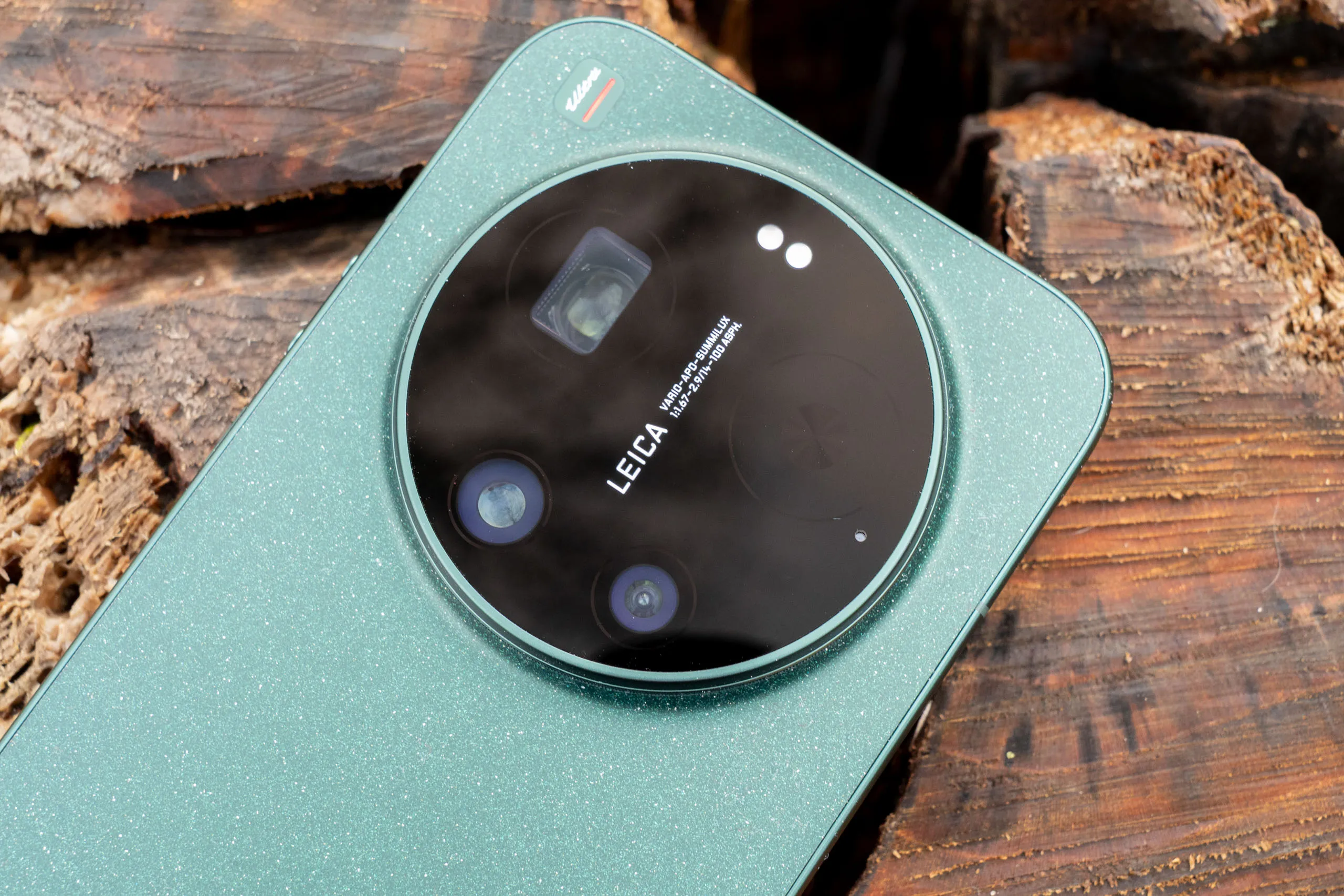
However, this is where things get really interesting. The 15 Ultra packed two telephoto lenses, whereas the 17 Ultra only has one – but, the nifty part is that it’s actually a zoom lens, so you still get two different focal lengths at either end, plus you can even use lengths in the middle too if you like.
The 17 Ultra’s zoom lens is 200MP, and has a 75-100mm range, with f/2.4-3.0 apertures. This isn’t the first time we’ve seen actual zoom lenses in smartphones, but in models I’ve used before, such as the Sony Xperia 1 V, they’ve been pretty poor – I hope the same doesn’t turn out to be true here, especially considering there’s been no space saved by implementing it.
It’s worth mentioning again here that all of those lenses are Leica lenses. This is a company with a serious reputation to uphold so it wouldn’t lend its name to sub-par optics. As such, the Xiaomi 17 Ultra’s lenses also benefit from things such as multiple coatings for the best possible optical clarity.
With its 50MP f/2.2 front-facing camera, the 17 Ultra also has one of the best on-paper selfie cameras on the market. New for this model is the addition of AF, so the results should be even sharper than before.
For video users / content creators, there’s an awful lot of power here too. You can shoot at 8K/30fps in device, while 4K is available up to 120fps, too. There’s features such as Dolby Vision and the ability to record in Log. This might not mean much to the average user, or indeed the average photographer, but if video is your thing then there’s tonnes here to like.
With a 6.9-inch screen, the Xiaomi 17 Ultra matches both the iPhone 17 Pro Max and the Samsung Galaxy S26 Ultra for size. There is only one size option here, which is perhaps a disappointment for those who prefer smaller phones.
Xiaomi promises that the 17 Ultra is faster and more efficient than any previous generation. It has the latest generation Snapdragon processor, a bigger battery than before (6000mAh) and also boasts fast wired (90W) and wireless (50W) charging – note that you’ll need to buy a compatible charger to benefit from those superfast speeds.
Xiaomi 17 Ultra: Handling and Design
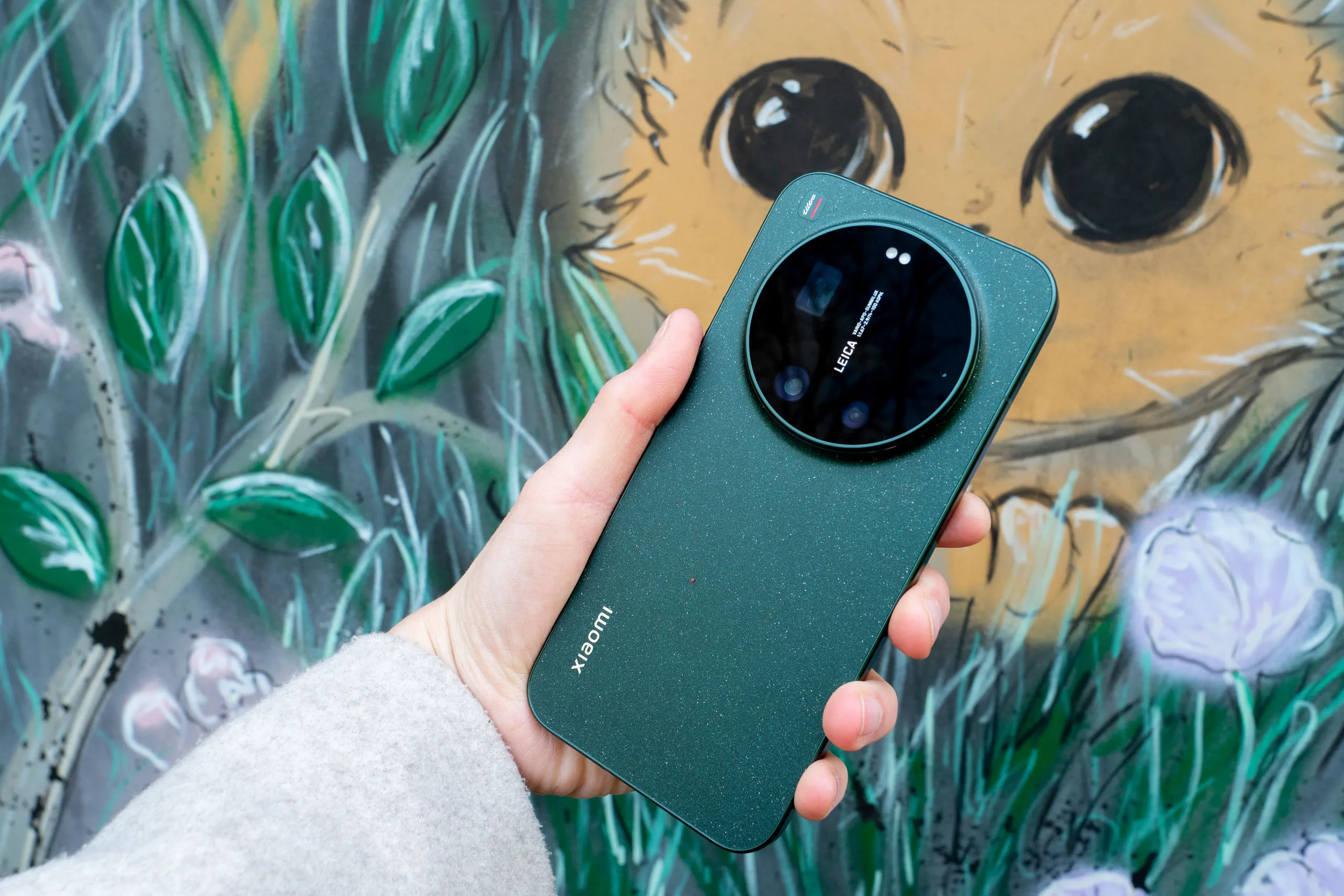
At 8.29mm thick, the 17 Ultra is Xiaomi’s slimmest “Ultra” to date – it’s also the lightest. The camera module on the back of the phone has been redesigned to be “less intrusive”, but its’ still pretty prominent – being a big round nodule on the back of the camera.
If you were to opt for the Leitzphone version of this model, you’d have a ring around the lenses module, but there isn’t one here. It looks pretty unusual compared to the multiple separate cameras you see on most other phones, and I quite like it – whether you do too is up to you.
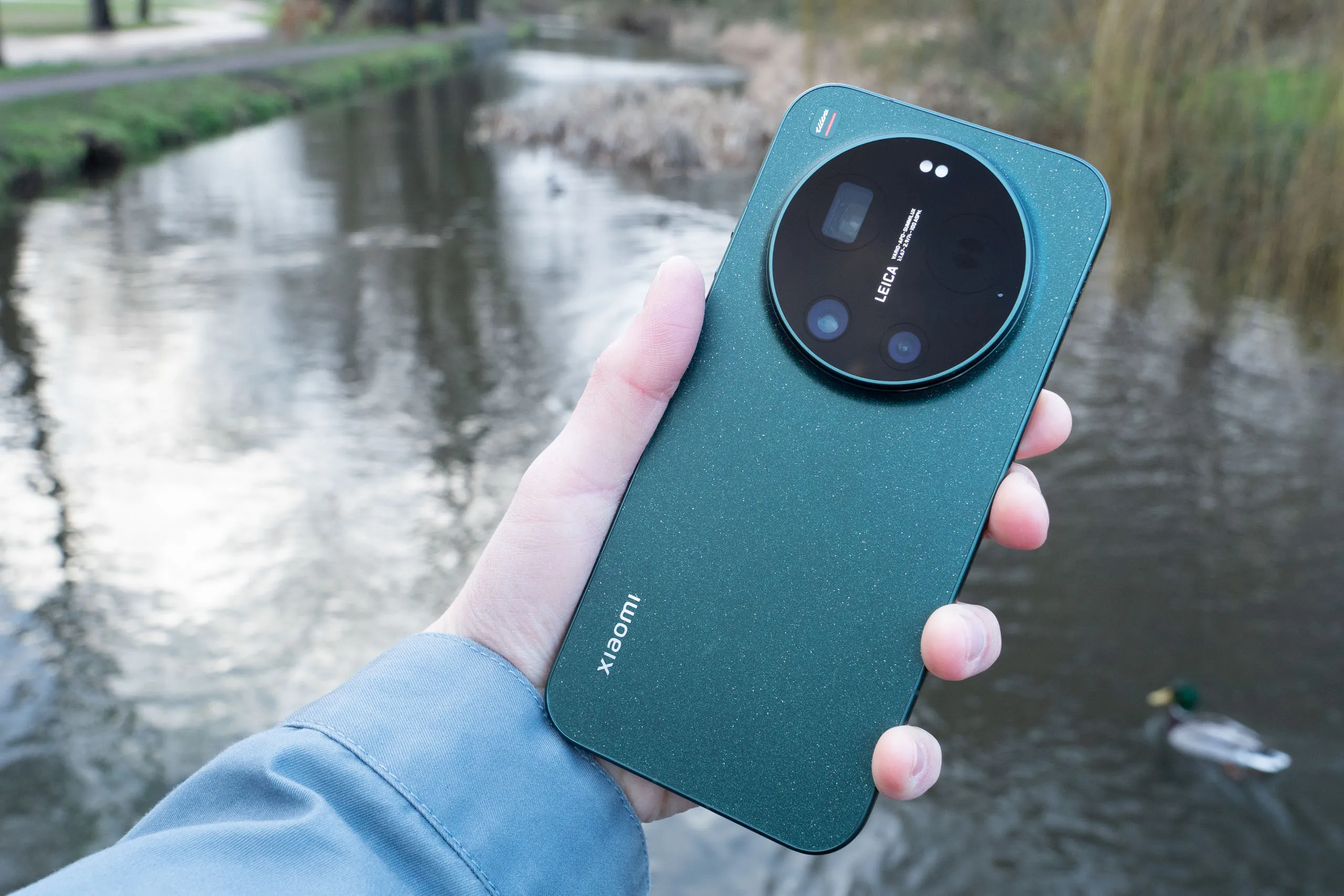
Another bonus of this design is that because of the lenses span the width of the back of the phone, when you place it flat on a surface, it doesn’t wobble about. This is a big problem I have with the Samsung Galaxy S26 Ultra (albeit one which is mitigated by using a case).
There’s very little in the way of physical controls for the Xiaomi 17 Ultra. There’s just volume up/down buttons and a button for locking/unlocking the screen. The volume buttons can be used to release the shutter, but otherwise, everything takes place via the screen. I’d probably like a way to quickly launch the camera app from the locked screen via a physical button – it’s something I do all the time with my iPhone 17 Pro so I found I missed it here.
Plenty of tough credentials are on the Xiaomi 17 Ultra’s specsheet. It’s IP68 rated and has Xiaomi Shield Glass 3.0 on the front. The frame is aluminium alloy, while the back is a composite fibreglass, and Corning Gorilla Glass 7i covers the cameras. All of that put together means the 17 Ultra can be submerged in water, and should cope well with being dropped and scratched too. So far it’s happily survived being chucked into my handbag and being grabbed precariously by my toddler.
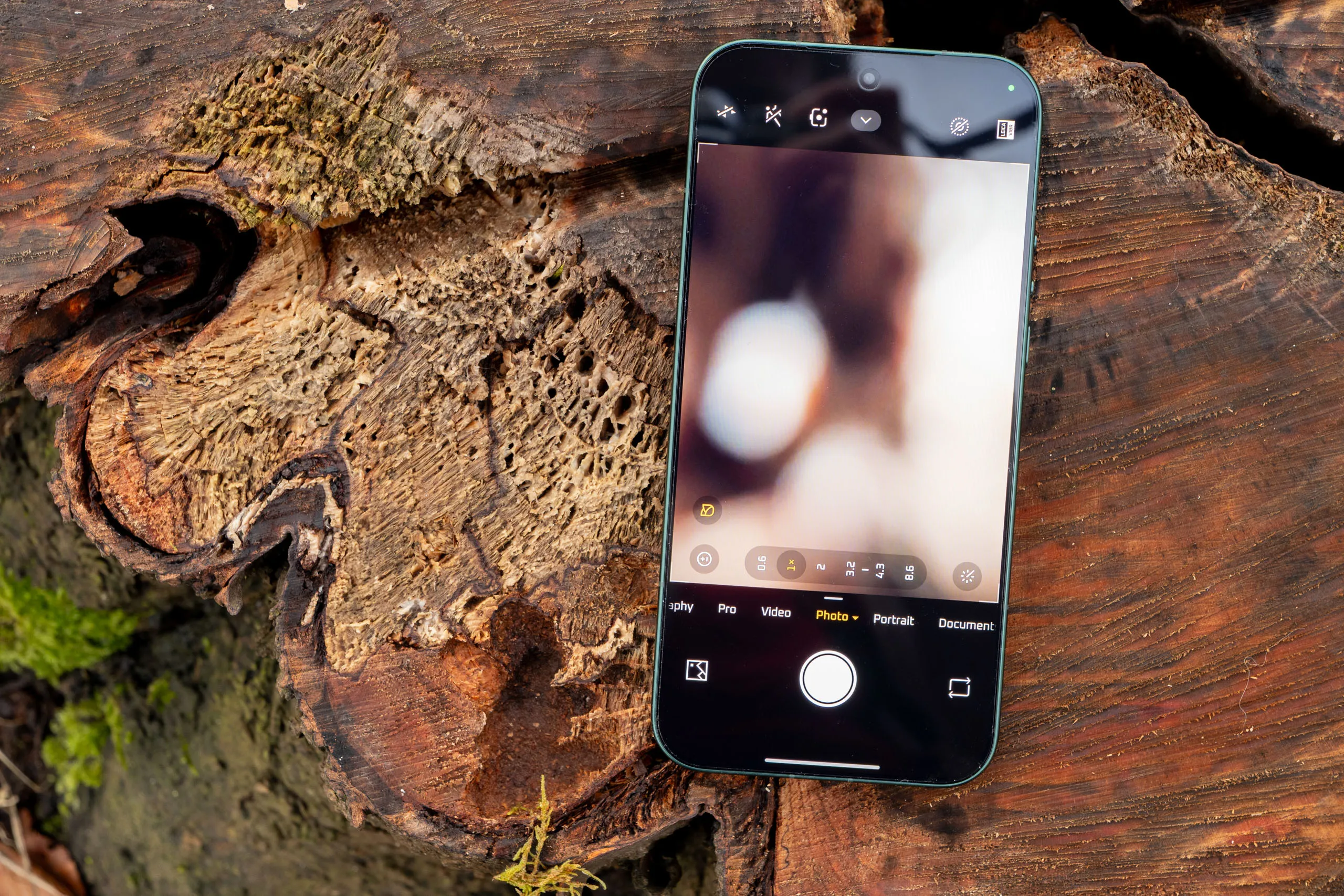
The Xiaomi 17 Ultra matches the iPhone 17 Pro and the Samsung Galaxy S26 Ultra in not having IP69 rating, something I’m seeing popping up frequently on other rival phones, as a point of difference. IP69 means that a phone can withstand hot water jets, so I’m never entirely sure why it’s necessary to have it, but it’s interesting that it’s not included here.
The screen is flat, and with ultra thin bezels, you get a great overall usage of the front of the device. The selfie camera is behind a hole-punch cutout so even at the top there’s barely anything missing. At 3500 nits, the screen is brighter than the iPhone 17 Pro Max and the Samsung Galaxy S26 Ultra, but it doesn’t have the anti-reflective coatings that both of those models have, nor the privacy function of the S26 Ultra. Still, it looks great.
Two different “Photography Kits” are available. These are cases with inbuilt buttons for releasing the shutter release. The standard Kit is a little on the basic side, but the Pro Photography Kit is worth looking into – not only does it include a chunky grip and a solid shutter button, it also houses a 2000 mAh battery for extra power on the go.
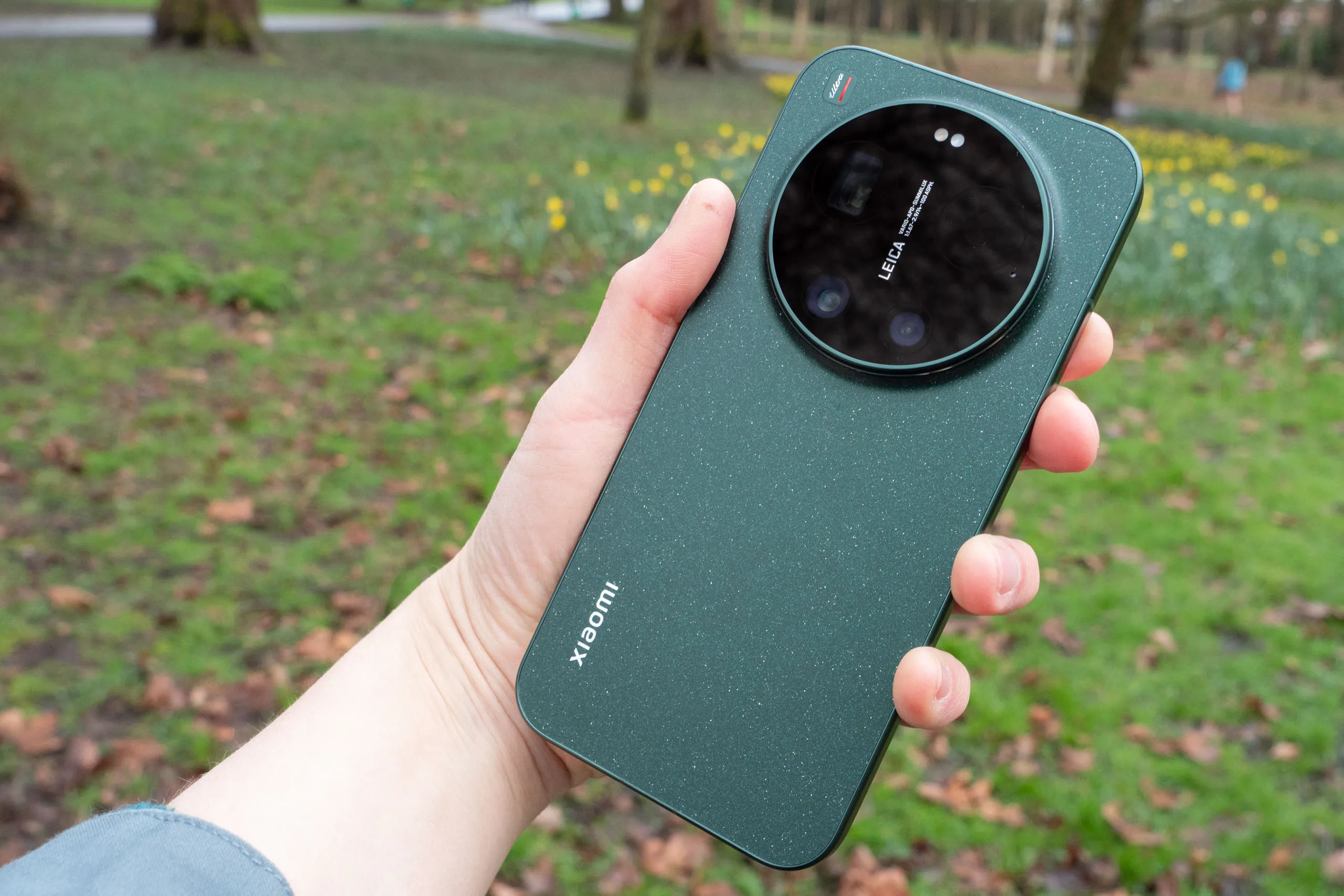
This may be the slimmest Xiaomi Ultra phone to date, the size of the display is now 6.9-inches, where previously it was 6.7-inches. Frankly I find this size to be far too large for everyday usage, though I must admit your photos and videos look fantastic on it. I would love Xiaomi to introduce a smaller “Ultra” for people like me who want all the power, but in something much more manageable to use for other smartphone tasks, and one which fits in a pocket more easily. This is also true of the Samsung Ultra models – iPhones and Google Pixels are available in multiple sizes with the same camera setup.
Xiaomi 17 Ultra: Native Camera App
I’ve long been a fan of Xiaomi’s native camera app, and the same remains true here for the 17 Ultra. There’s lots of different shooting modes to explore, with something to suit most needs.
The default shooting mode is Photo, which is where I spend most of my time. Here you can quickly tap between the different lenses available, and also at points in between the lenses. For example, if you tap the 1x icon, you’ll also get 1.2x (28mm) and 1.5x (35mm). The zoom lens starts at 3.2x (73mm), but tap it and you’ll also be able to select 3.7x (85mm) and 3.9x (90mm), as well as being able to tap the other end of the zoom lens (4.3x/100mm). You can also move beyond the optical capability of all of the lenses, with 8.6x available as a quick tap and up to 120x available via either pinching to zoom, or holding down any of the lens icons and moving an on-screen dial around to the point you want – various points between 8.6x and 120x are marked so you can quickly reach the place you want.
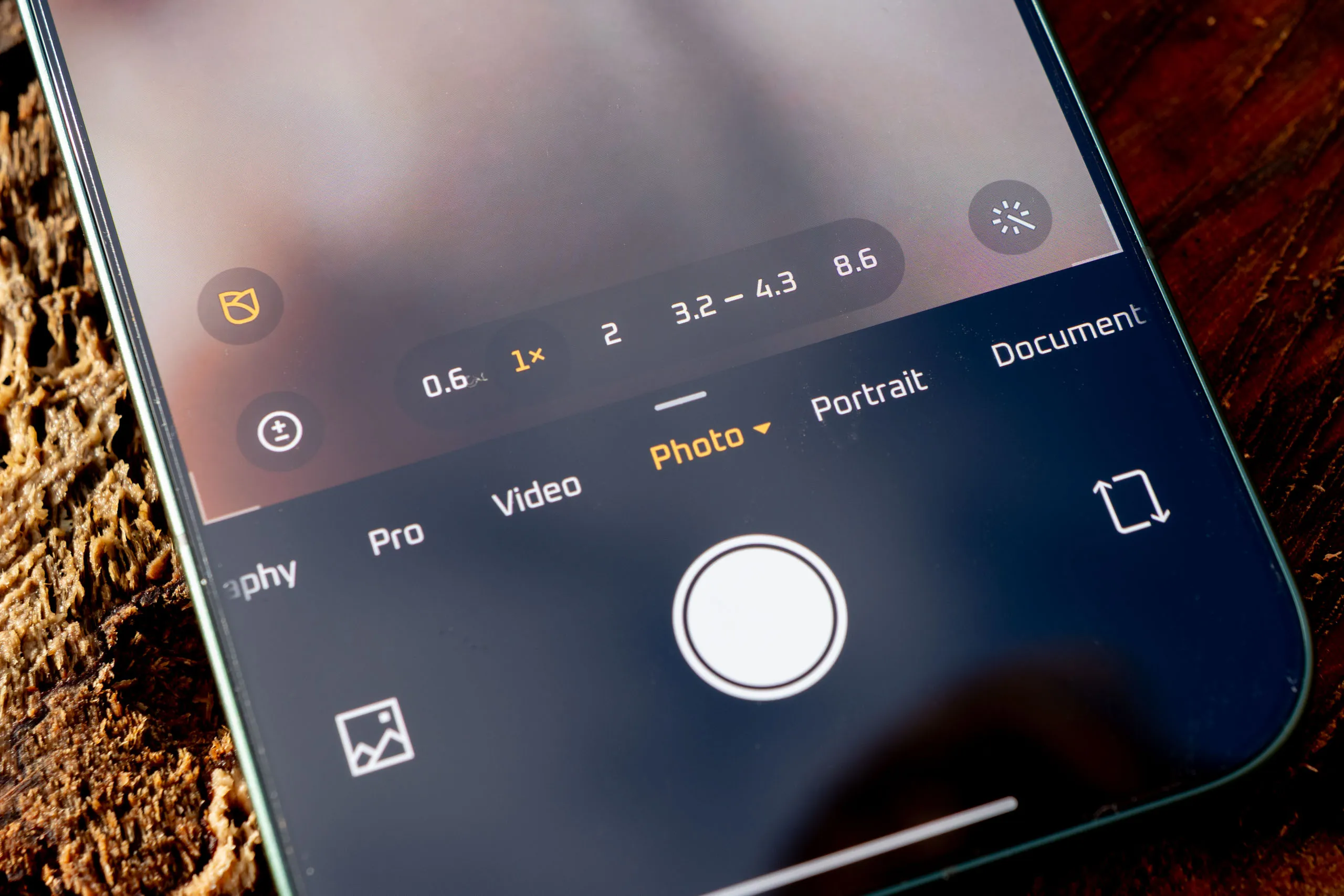
In the Photo mode you can change the standard resolution from 12.5M (default) to 50MP. I’d like to see something in between this really, 12.5MP is a little on the low side, while 50MP is overkill. You can also shoot in 200MP with a standalone 200MP mode – but this only works with the telephoto lens, as this is the only one to have such a high resolution sensor behind it.
Another thing you can choose in the Photo mode is “Leica Vibrant” or “Leica Authentic” for the colour rendition of your standard photos – Vibrant is the default option, with Authentic being a little more muted. I tended to leave it on Vibrant, but Authentic certainly suits some situations a bit more.
Other options available here include switching HDR on/off, adjusting the aspect ratio and adding a timer.
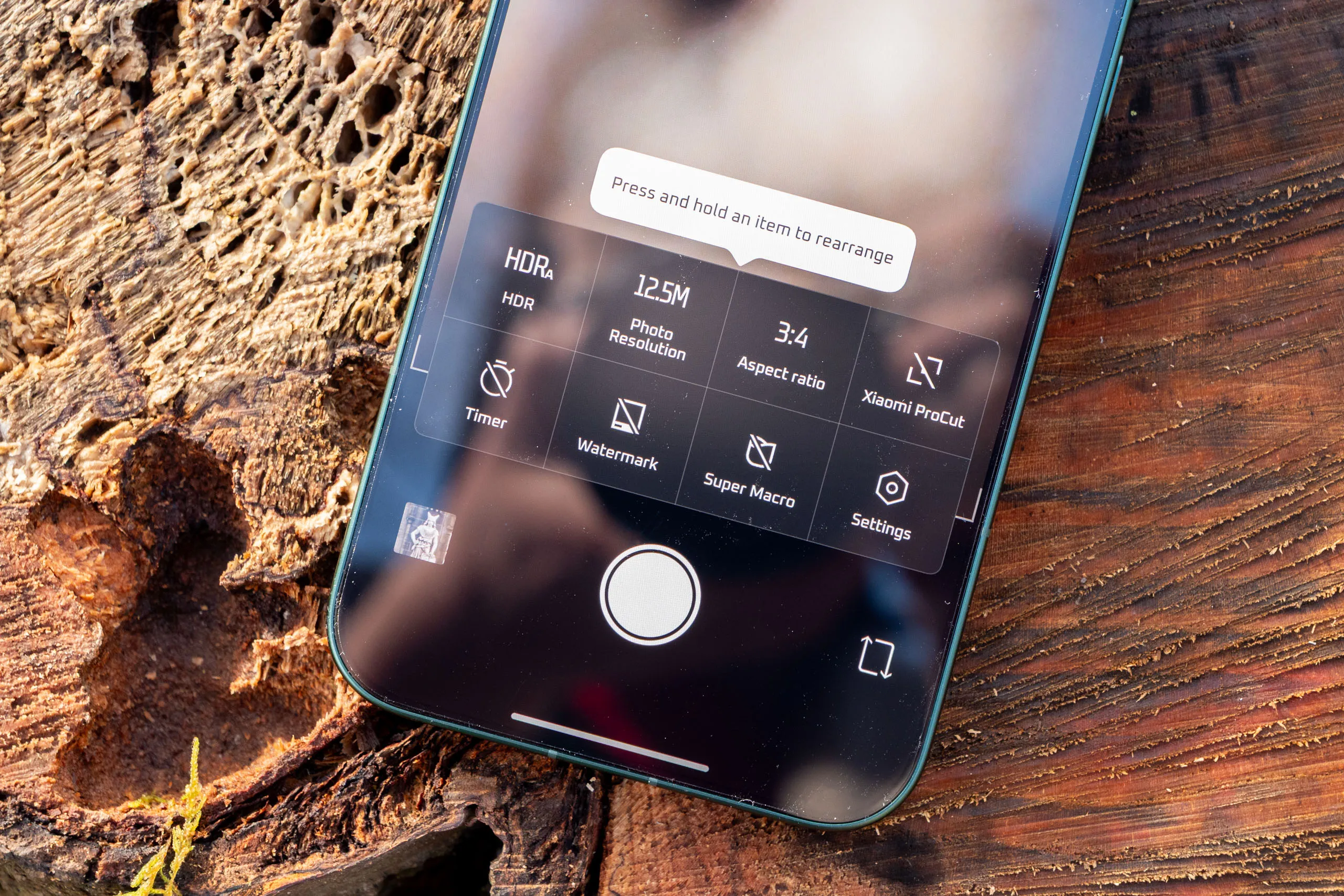
Super macro can be accessed via the dropdown menu. The zoom lens is used for this, with the subject needing to be about 30cm away from the lens for it to work correctly. This is slightly further away than the previous generation, which presumably has something to do with the change in lens setup. An alternative macro option will appear if you simply move the phone very close to a subject – here the ultrawide lens will be used instead, with the phone cropping to keep the same angle of view.
If the phone detects you’re shooting in low light, the Night mode should automatically activate – there’s no option to switch it on manually.
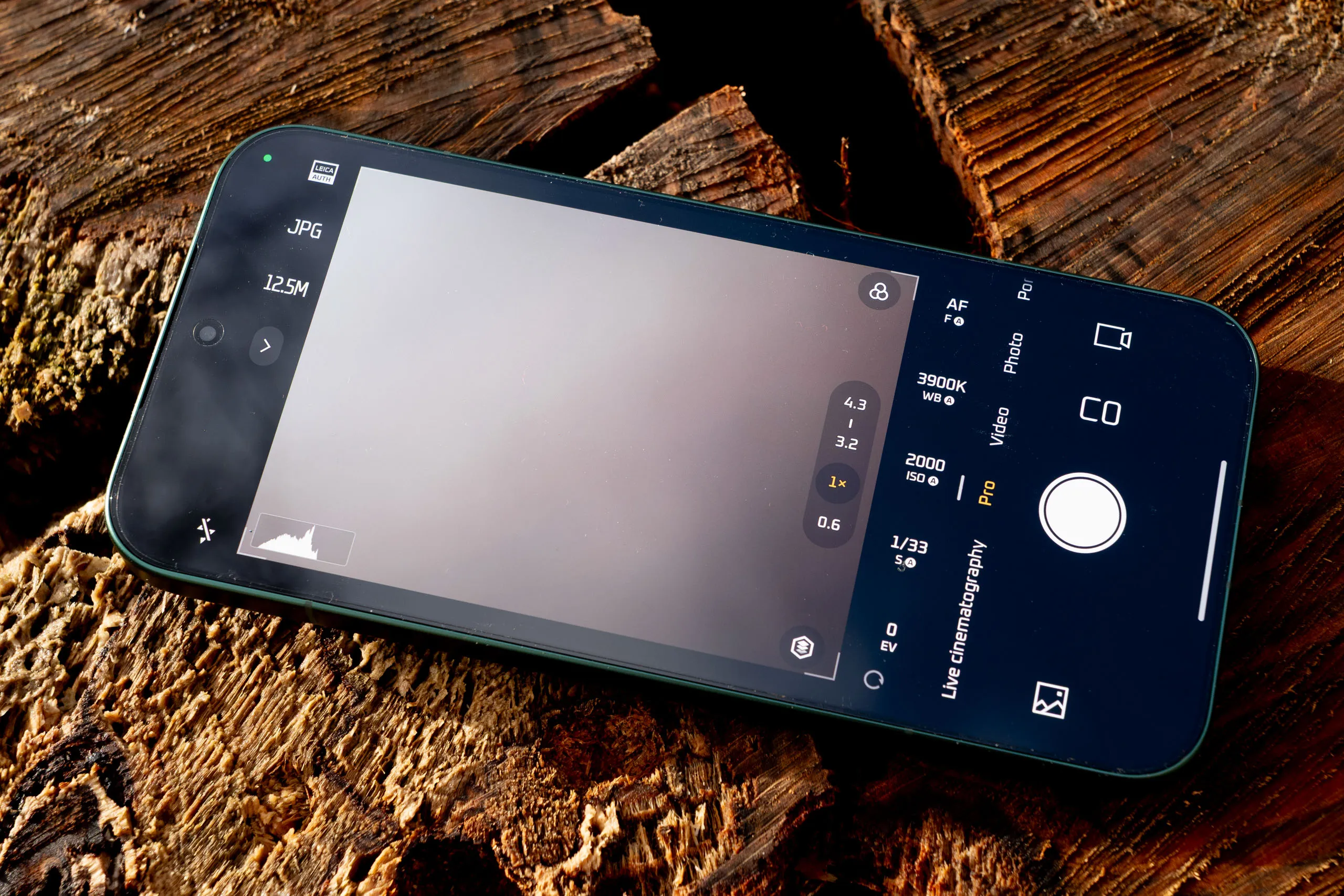
Moving to some of the other shooting modes, we have Pro, which gives you the opportunity to change various settings, as well as shoot in raw format. The Portrait mode gives you the option to shoot portraits at 1x, 2x, 3.2-4.3x. You can adjust the amount of background blur, as well as the type of bokeh, with options including things like “Peephole” and “Swirly Bokeh”.
Xiaomi 17 Ultra: Image Quality and Performance

The quality of imagery from the last few generations of Xiaomi Ultra models has been fantastic. With another one-inch sensor, I was expecting much of the same for the 17 Ultra, and that seems to be what I’ve got for the most part.
Generally, images taken with that 1x lens are great. There’s lovely colour, bags of detail and I feel it really does match up to the quality of premium-level compact cameras. I’d be more than happy to have this instead of one of those.

I can’t see a huge difference between the 17 Ultra and the 15 Ultra’s 1x lens when it comes to image quality, which I suppose is to be expected – and it’s not exactly a complaint considering how good the 15 Ultra was in the first place.

The other lenses also put in a top-notch performance, too. The ultrawide lens is very good – again this seems pretty much the same as the last model, which is no bad thing.

As for the new zoom lens, well it’s also excellent. Sharpness at both ends of the zooms is very good, so I’ve got no worries about softness. Would I say it’s better than having the two lenses seen in the previous model? Not really, I’d say they’re about even really. It’s certainly hard to spot a massive difference when comparing pictures from last year’s model to this one, anyway.


Looking at the digital crop options, the 8.6x zoom is great, and I’d be very happy to use this. Beyond this, the 17.2x setting is very good and also extremely useable. After this, things start to deteriorate – you can probably just about get away with 30x if you need a record shot. The 120x option is, as always with smartphones, there for marketing purposes – it’s not something anyone is surely going to use in any seriousness.

The portrait mode produces some lovely, natural-looking results, with pleasing background blur. If the subject has a fussy outline, it can be a bit obvious that it’s a “fake” effect if you zoom in, but generally the overall effect is pretty good.

The same is true of selfies, and I’d say they’re slightly sharper now that AF is included.

Macro shooting is very good, with the SuperMacro mode producing better results than the automatic ultrawide option. You need to be about 30cm away from the subject, which is quite far, though you can activate the longer focal length of the zoom lens if you want the subject to fill the frame better.


In low light, the 1x is the best performer – as I’d expect. That large sensor works well to produce tonnes of detail, in fact some that you can’t even see with the naked eye. The ultrawide lens isn’t as good in low light, with some smudging going on. The telephoto lens is surprisingly good though – this is often the weakest area in low light for most smartphones, but here we’ve got very usable images that I’d be more than happy to share online and so on.

Xiaomi 17 Ultra: Value for Money
The Xiaomi 17 Ultra is by no means a cheap phone. Coming in at £1299 for the cheapest variant, this is expensive.
However, when you compare it against its direct rivals, the picture changes somewhat. For the same storage option, the Samsung Galaxy S26 Ultra will set you back £1449, while the iPhone 17 Pro Max costs £1399.
So not only do you save money there, you arguably also get more for the money that you spend, depending on what you’re looking for and what your priorities are.
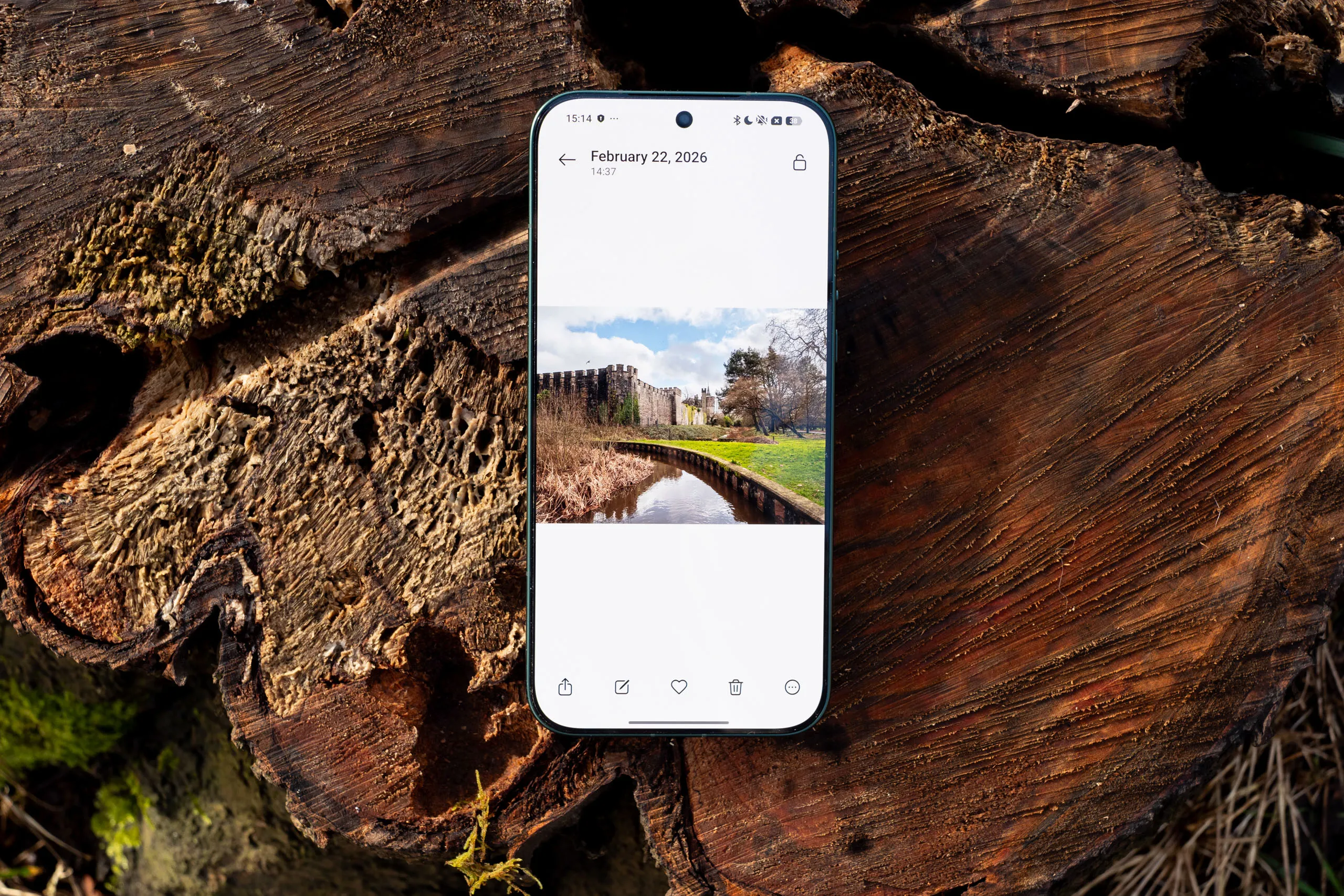
You’re reading my review on a photography website, so I have to assume that you’re interested in the cameras – in which case, the Xiaomi 17 Ultra has without doubt the best camera setup on the market right now.
The excellent one-inch sensor, plus the other two lenses, a well-featured native camera app and results which are great all speak for themselves. If you simply want the best camera then this is it – I’d argue that this makes the Xiaomi much better “value” than either of its two main rivals.
Now of course there are some caveats here, as always. I can’t see that the 17 Ultra represents a big upgrade from the 15 Ultra – so if you’ve got one of those, save your money and stick with it. The difference is perhaps a bit more noticeable compared to a 14 Ultra, but realistically, it’s coming from even older phones that you’ll notice a bigger difference.
Also, we need to think about resale value. When you come to upgrade your phone and want to offload your old one, it’s important to consider how much you’re going to get for it.
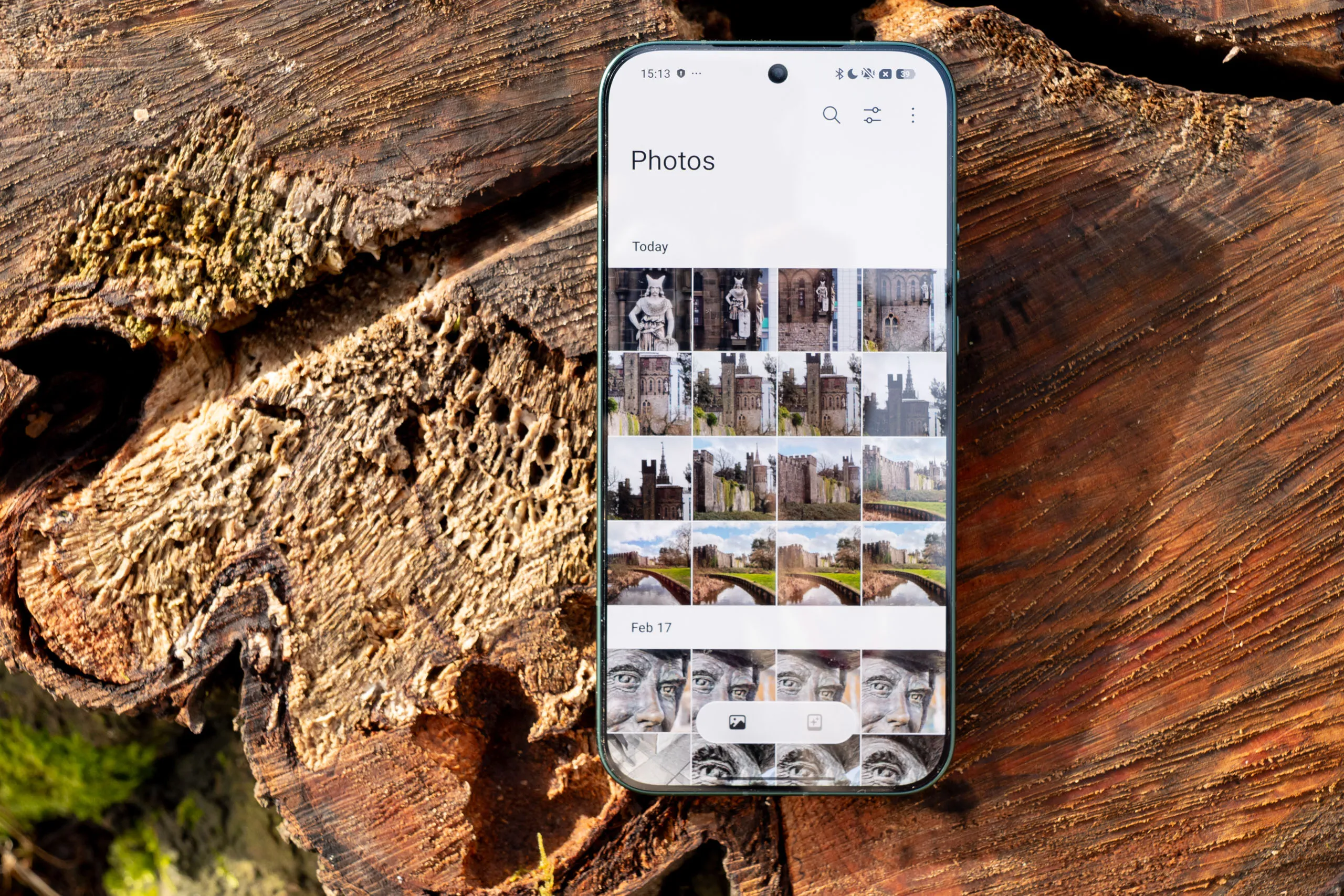
With a Samsung or an iPhone, the cost will hold much, much better (usually), than a Xiaomi. I’ve seen Xiaomi phones only one generation old rejected by all of the major reselling sites – I guess the brand recognition just isn’t strong enough for them to remain valuable. You could therefore argue that although this is a cheaper initial outlay, in the long run, it won’t be any cheaper than an iPhone or a Samsung.
Xiaomi 17 Ultra: Verdict
The Xiaomi 17 Ultra remains the best smartphone for photographers if we’re coming it at purely from a camera setup point of view.
With its excellent one-inch sensor, plus two supporting great ones, including an innovative zoom lens, you can take great pictures in a diverse range of situations. Special modes, such as night, portrait and macro also produce excellent results.
That said, there’s not a big difference here from the 15 Ultra, certainly in terms of photography anyway. The screen is bigger, the device is slimmer, the battery life is longer – but all of these things are perhaps small upgrades for the average person, compared to any kind of revolution in image quality.
Of course, I expect most people don’t actually upgrade their phones every year. If you’ve got something older, such as the Xiaomi 14 Ultra, or an older model from a completely different brand, this will represent a significant step-up so it’s worth considering.
It comes in cheaper than the nearest rivals, including the Samsung Galaxy S26 Ultra and the iPhone 17 Pro Max, and arguably offers more for your money too. If you’re happy to step outside the “big two” and get something truly special for photography, this is the one to get.
Overall, this is a superb phone and I can’t do much other than recommend it – except perhaps if you’ve already got last year’s model.



Full specifications
| Specifications | Xiaomi 17 Ultra |
|---|---|
| Main, wide-angle camera | 50MP 1-inch type sensor, 23mm f/1.7 equiv. lens, dual pixel PDAF, OIS |
| Telephoto camera | 200MP 1/1.4-inch, 75-100mm f/2.4-3.0 equiv. lens, PDAF, OIS |
| Ultra-wide camera | 50MP 1/2.76-inch sensor, 14mm f/2.2 equiv. lens, PDAF |
| Selfie camera | 50MP 21mm f/2.2 equiv. AF |
| Video | 8K/30fps, 4K/120fps |
| Battery | 6000 mAh, 90W wired charging, 50W wireless charging |
| Screen | 6.9-inch LTPO AMOLED, 2608 x 1200 pixels, 3500 nits peak brightness |
| Processor | Qualcomm Snapdragn Elite 8 Gen 5 |
| Storage | 512GB/1TB |
| Operating System | Android 16, Hyper OS 3 |
| Dimensions | 162.9 x 77.6 x 8.3mm |
| Weight | 223.4g |
| Dust and water resistance | IP68 |