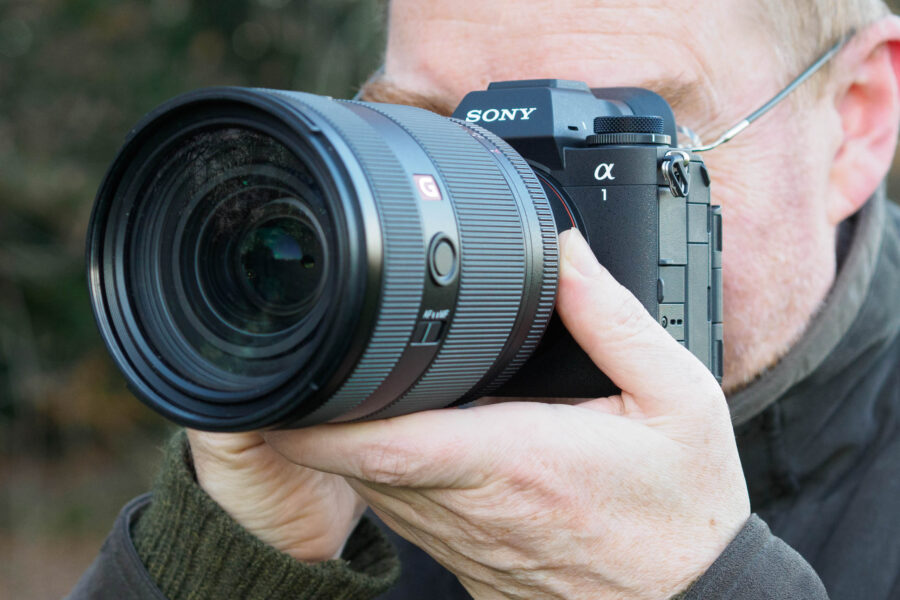
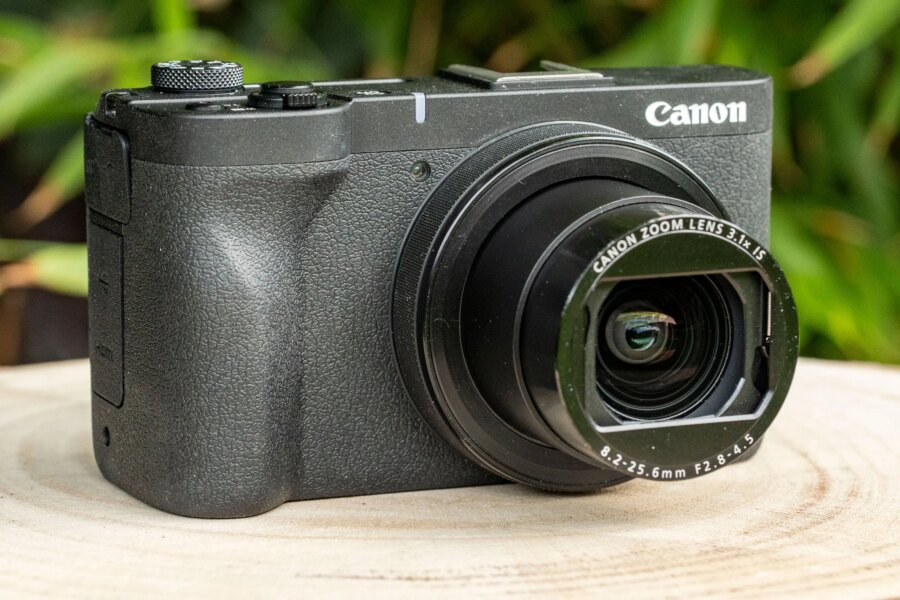
The best DSLRs still have a place in the hearts of many photographers. Mirrorless cameras are very much where the major developments are taking place, but DSLRs still take great pictures, and there are many who prefer a chunkier camera with a big handgrip, lots of battery life and an optical viewfinder. What’s more, the continued dominance of mirrorless means DSLRs and their lenses are getting cheaper and cheaper on the second-hand market.
I’ve put together this comprehensive review of all the best models, to help you find the right DSLR for you. All of the cameras on this list have been fully tested by our team and received glowing write-ups in our reviews. I’ve included findings from those reviews to help give you the clearest possible picture of what each camera can do – and our specialised tool helps you find the best prices.
I’ve included options from Canon, Nikon and Pentax – for more on my testing criteria and some advice on how to choose a DSLR, head to the FAQ section at the bottom of this page. And, depending on which camera you pick, you’ll also want one of the best Canon EF lenses, best Nikon lenses or best Pentax lenses to go with it.
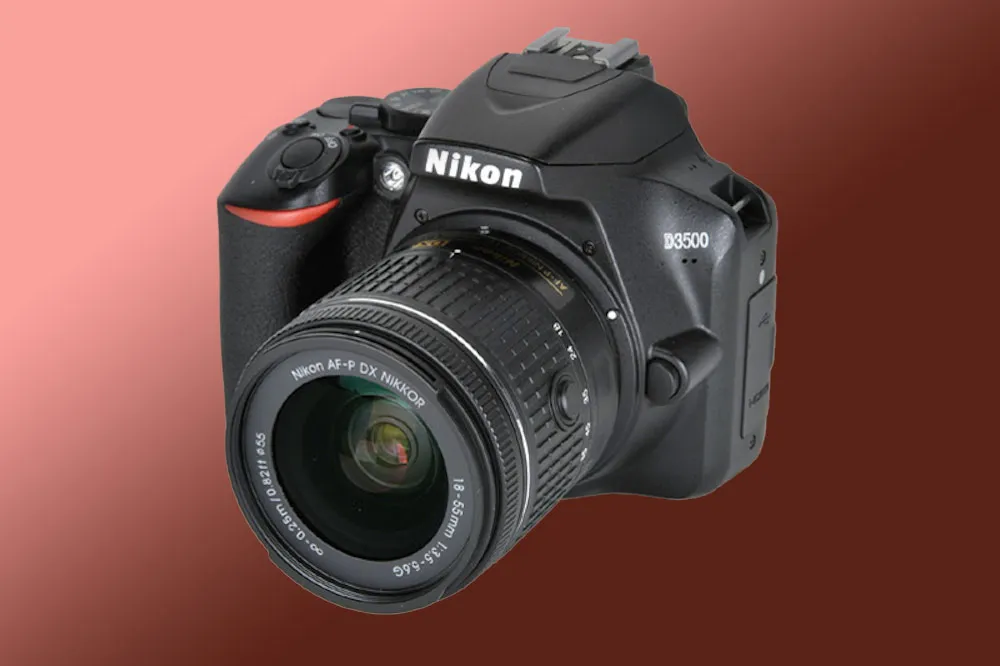
Best beginner DSLR: Nikon D3500 – Buy now (renewed)
Best lightweight DSLR: Canon EOS 250D / Rebel SL3 – Buy now
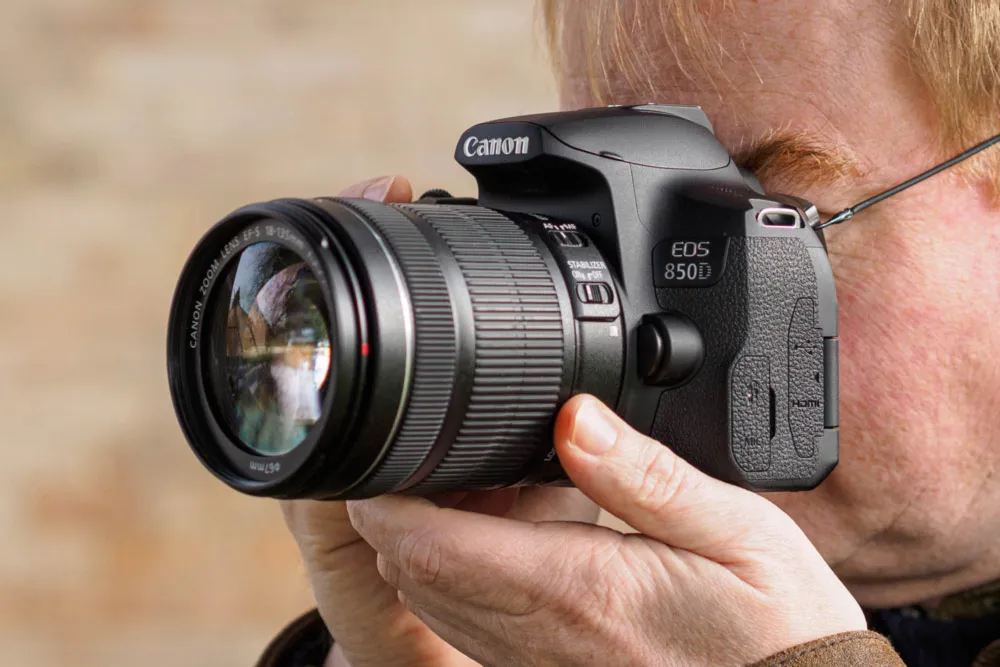
Best DSLR for travel: Canon EOS 850D / Rebel T8i – Buy now (renewed)
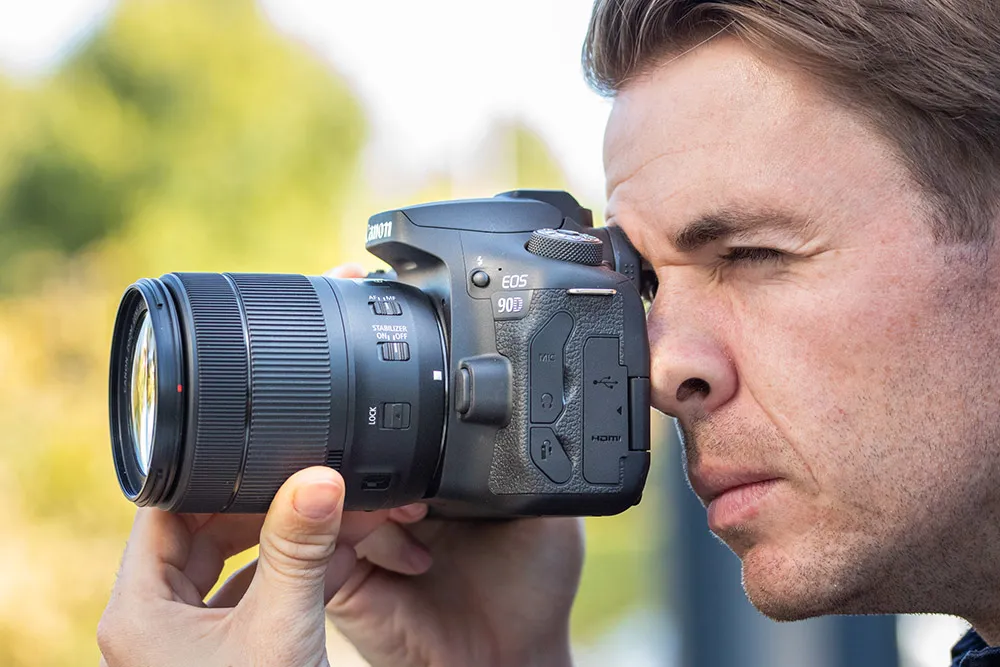
Best DSLR for enthusiasts: Canon EOS 90D – Buy now
Best DSLR for black and white: Pentax K-3 Mark III Monochrome – Buy now
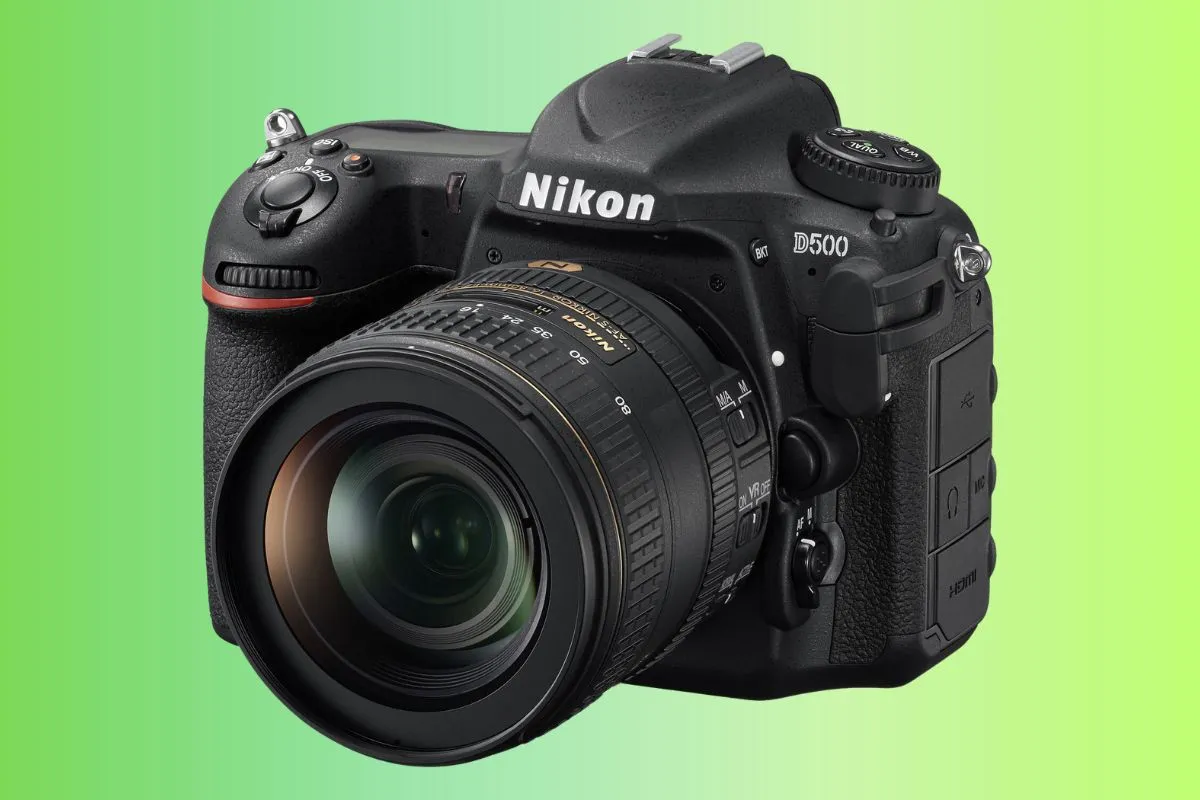
Best DSLR for sports and action: Nikon D500 – Buy now (used)
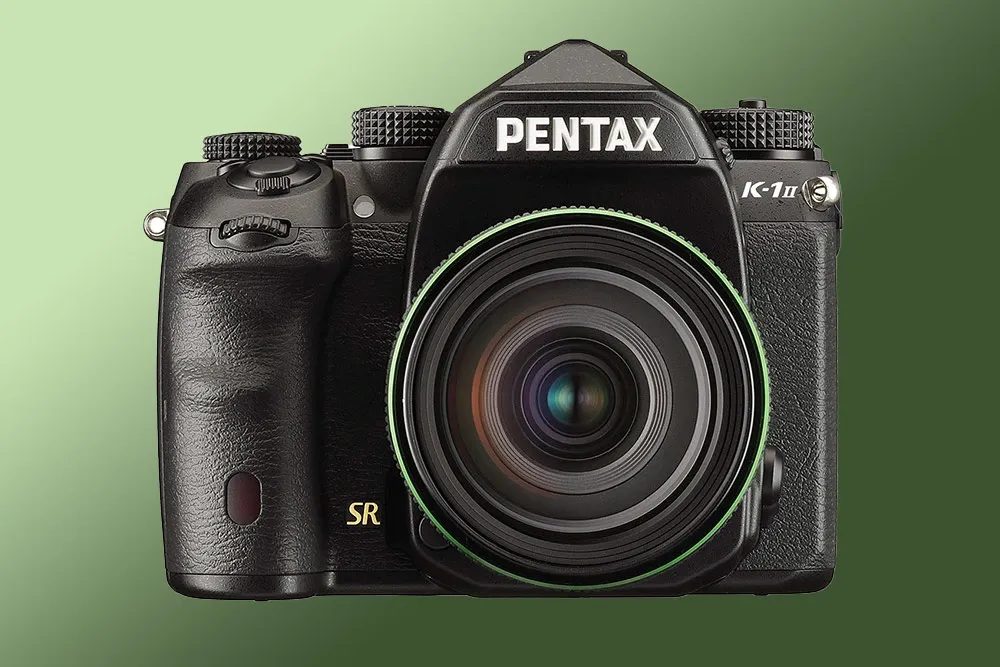
Best value full-frame DSLR: Pentax K-1 Mark II – Buy now
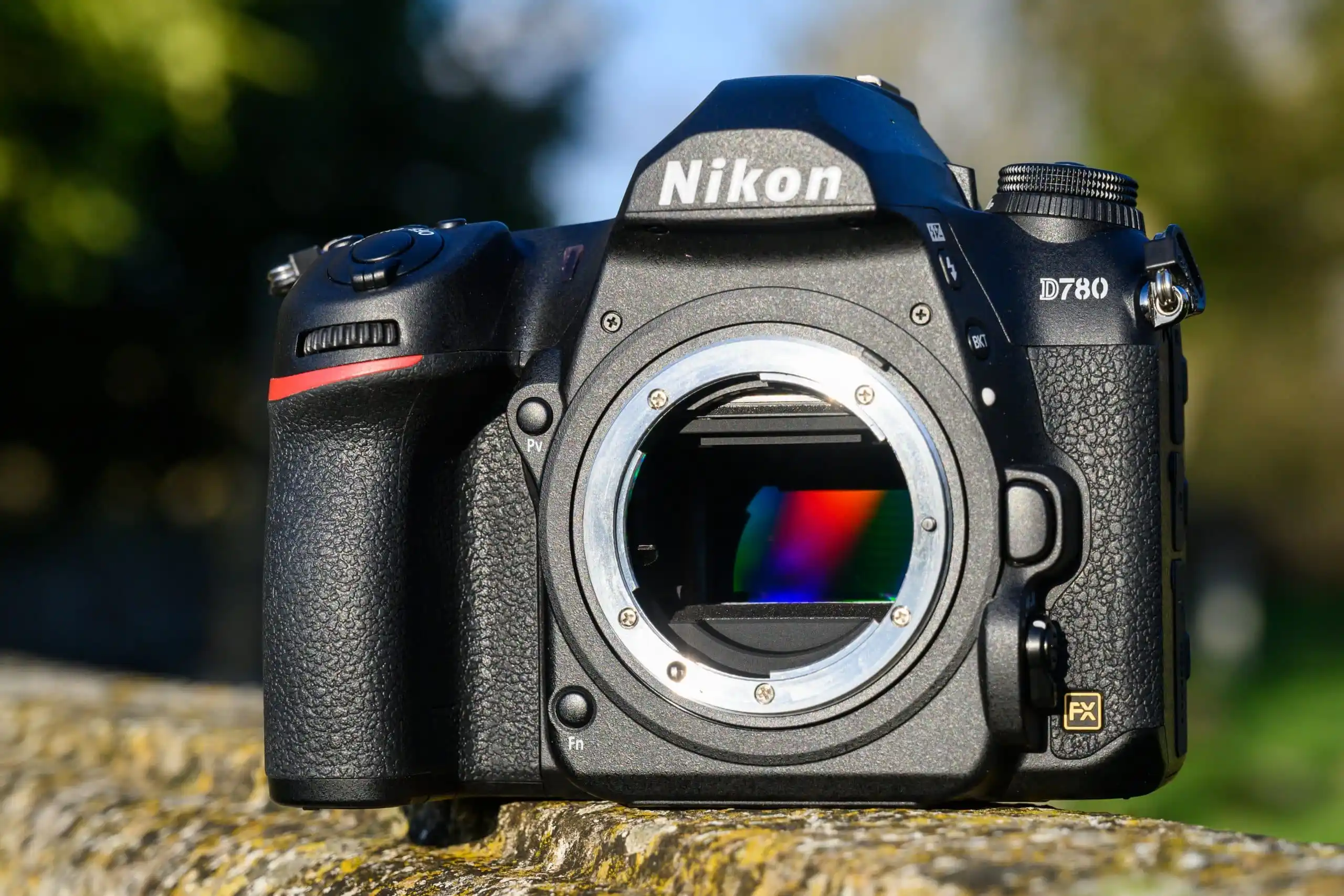
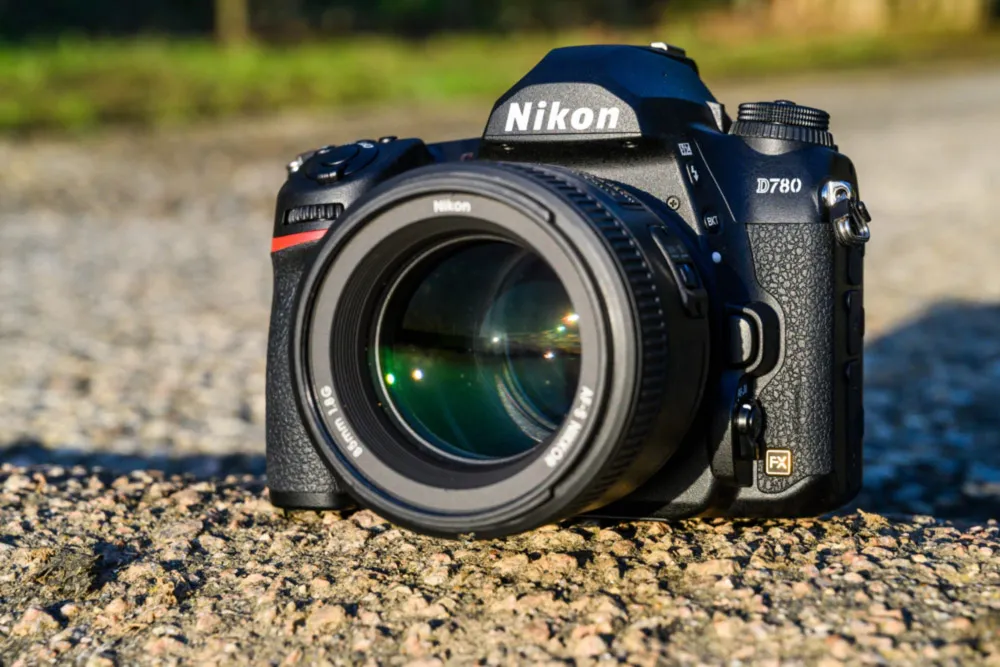
Best full-frame DSLR for enthusiasts: Nikon D780 – Buy now
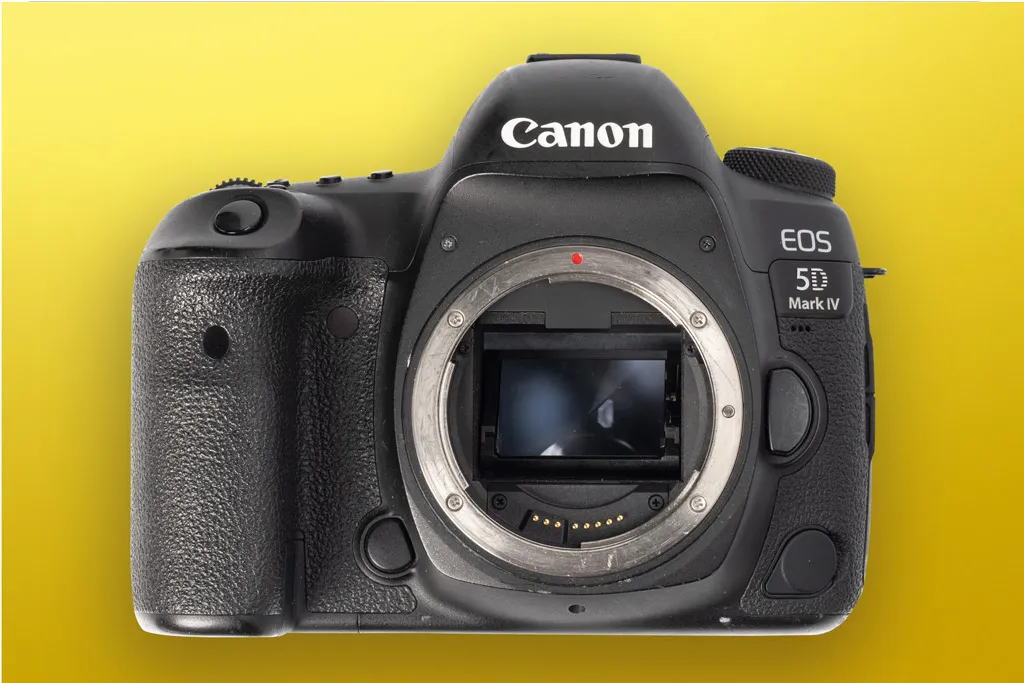
Best professional DSLR: Canon EOS 5D Mark IV – Buy now (used)
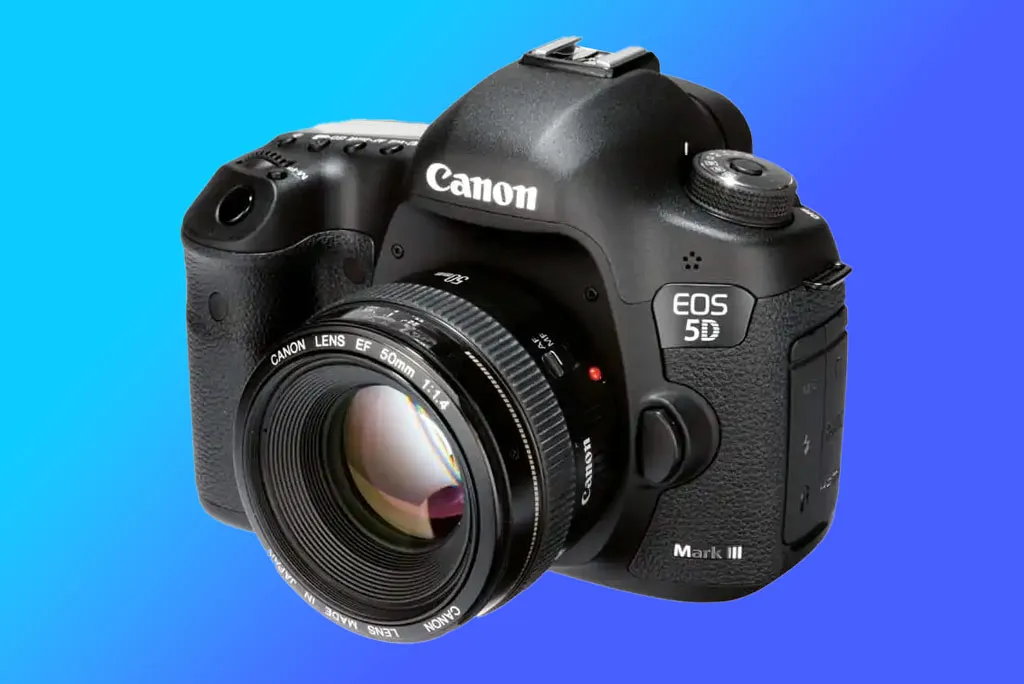
Best cheap DSLR: Canon EOS 5D Mark III – Buy now (used)
Looking for the best deal on a DSLR? Not only will you find the best DSLRs, but also some of the best deals, as our ‘Buy now’ buttons are set up to automatically take you to the best prices from trusted retailers. You’ll also find a list of other retailers below each camera, so you can find the right deal for you. You’ll also need to look for second-hand or renewed options as DSLRs become harder and harder to find as new options.
Why you can trust Amateur Photographer
We spend many hours testing every product we recommend, in detail, in a variety of situations and shooting scenarios, and only use experts for our reviews, so you can be sure that you’re getting the best products. Find out more about our expert writers.
Best DSLR overall
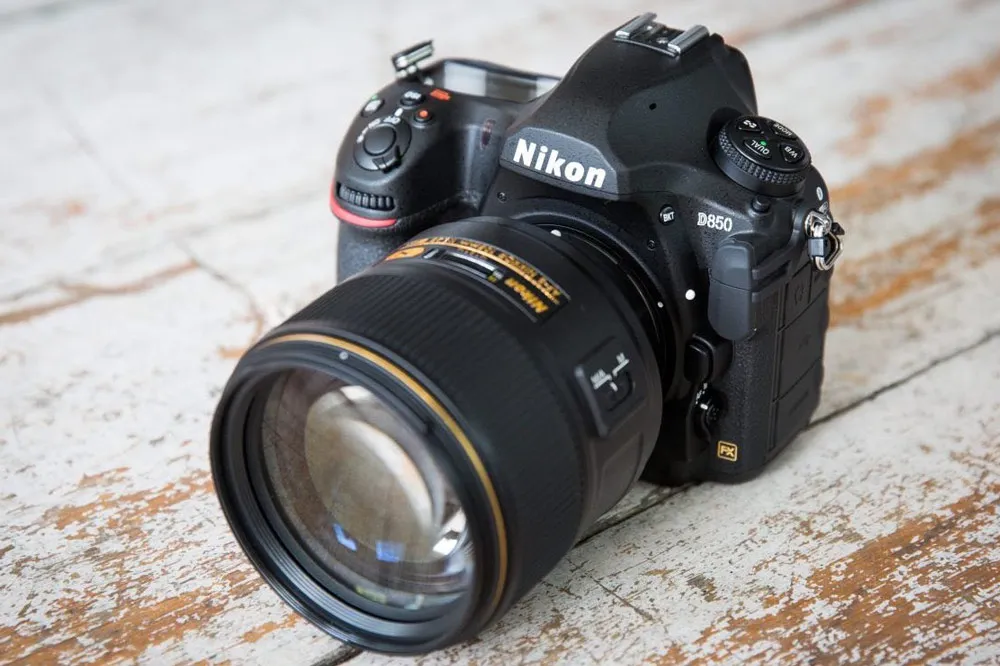
Best DSLR overall: Nikon D850
A full-frame DSLR, the Nikon D850 is enduringly popular with wildlife photographers.
Amateur Photographer verdict
One of the most famous and enduringly popular DSLRs around, the Nikon D850 delivers superb images in so many genres, though it particularly excels for wildlife. A full-frame DLSR superstar.
Pros
Rugged, reliable, highly capable
Excellent image quality
Snappy shooting speed
Cons
Limited touchscreen functions
Still pricey
Specifications at a glance:
Sensor
45.7MP full-frame sensor
Continuous shooting
Up to 7fps continuous shooting
Autofocus
153-point autofocus system
ISO
ISO 64-25,600 (expandable to 32-102,400)
Screen
3.2-inch, 2.26million-dot LCD screen with touchscreen control
Video
4K 120p
This brilliant professional all-rounder DSLR provides a winning combination of high resolution and speed. Its 45.7MP full-frame sensor produces fine results at high ISOs and the autofocus is incredibly responsive and accurate. The build quality and handling should also satisfy the most demanding of users. It’s an absolutely sensational camera capable of tackling any type of subject. It proved hugely popular among professional and enthusiast photographers – there’s a reason that when Nikon launched the wildlife-focused mirrorless Nikon Z8, they billed it as the ‘true successor to the D850’.
The D850 inherited almost all of the AF features of the Nikon D5 DSLR that was primarily aimed at sports photographers, but the D850 cancapture much more than sports and action. It uses a backside illuminated sensor, which helps to increase the efficiency of the sensor, (thus improving low light performance), and improves peripheral image quality at the edges of pictures. It also has no anti-aliasing filter, which allows for finer detail capture in images. It has excellent battery life and an impressively low ISO speed of 32 available (extended), that goes up to 102,400 (extended). You can record 4K UHD video at 30fps, which uses the full width of the sensor.
The D850 still holds its head up very high amongst the best Nikon cameras (including mirrorless models), despite being launched back in 2017. Because Nikon put a lot of top-line technology into the D850 it remains a great choice for many photographers – wedding, sports, nature, fashion, portrait, landscape and more. In our full review and test, we summed up by saying, ‘The D850 is an absolutely sensational camera’, and that holds true to this day. In full-frame DSLR terms, it’s still a star.
The Nikon D3500: a beginner’s DSLR. Shown with Nikon’s 18-55mm kit lens attached. Photo credit: Nikon/AP
Amateur Photographer verdict
An excellent choice for first-time DSLR buyers. A reliable little camera that we recommend especially to beginners, though it is getting harder to find.
Pros
Superb battery life
Beginner-friendly modes
Good image quality
Cons
No vari-angle LCD
Not weather sealed
Specifications at a glance:
Sensor
24.2MP APS-C sensor
Continuous shooting
5fps
Autofocus
11-point AF system
ISO
ISO 100-25,600
Screen
3-inch, 920K-dot LCD screen
Video
1080p Full HD video at up to 60fps
Nikon’s entry-level DSLR hits a rare sweet spot of capability versus affordability. It sports a 24MP APS-C sensor with a sensitivity range of up to ISO 25,600 and can shoot at a more than reasonable 5 frames per second. It’s getting a little trickier to find, as you’ll definitely have to go second-hand
The D3500’s Guide Mode makes the camera easy to use for beginners, while full manual control is also available – so this is clearly a camera that you won’t outgrow as your photography skills develop. As we said in our review, this is a camera that does pretty much everything beginners will need it to. There’s no weather-sealing, and no vari-angle screen, but otherwise this is a really solid package.
Although the sensor has the same effective 24.2MP resolution as the earlier Nikon D3400 and Nikon D5600 models, the sensor in the D3500 is an updated version. It does away with an optical low-pass filter to help to maximise the ability of the sensor to resolve fine detail images.
The D3500 is also notable for its great body design, deep grip and intuitive layout of controls that make it straightforward to use. You’ll also find a range of Nikon lenses available, with Nikon ‘DX’ lenses being specifically designed for the camera’s APS-C sensor.
Like most beginner DSLRs, the Canon EOS 250D / Rebel SL3 generally comes with a kit lens.
Amateur Photographer verdict
Generously featured, easy-to use entry-level DSLR with very good overall image quality. Enough fine detail to make large prints. Several novice-friendly features, plus for advanced photography too.
One of the smallest DSLRs around, the EOS 250D strikes a great balance between portability and usability, not to mention a stunning AF system when in Live View! It’s the smallest and lightest DSLR with a multi-angle screen, weighing in at just 449grams with battery and measuring 122x93x70mm. Like the D3500, it’s growing more scarce, but you should find one second-hand or refurbished.
The EOS 250D’s Dual Pixel AF system offers 3,975 user-selectable focus points across the whole screen when shooting in Live View mode – a very impressive feature on a budget DSLR. The camera has a 24MP APS-C sensor and offers 4K video recording. The 250D’s DIGIC 8 processor also supports a range of improvements in Live View AF, along with Eye AF, an Auto Lighting Optimizer, a Digital Lens Optimizer and Highlight Tone Priority.
It’s equipped with a novice-friendly Guided Mode, and image quality is very good, delivering vibrant colours and plenty of fine detail. The vari-angle touchscreen makes composing, focusing and shooting very straightforward, or you can shoot via a traditional optical viewfinder, with its more basic 9-point AF.
Other notable features include in-camera editing for both JPEG and RAW files, along with Canon’s well-implemented Bluetooth 3 and Wi-Fi connectivity for pairing the camera with smartphones (via the Canon Camera Connect app). This lets you share images and control the camera remotely. Entry-level DSLRs face fierce competition from compact mirrorless models these days, but the EOS 250D remains a fantastic little camera.
The Canon EOS 850D / T8i was first launched back in 2020, and remains an interesting choice for keen beginners who like the DSLR design, and owners of older Canon DSLRs looking to upgrade.
Pros
Lightweight and travel-friendly
Sophisticated autofocus system
Works well in Live View
Cons
Poor, rather bland viewfinder
Small, fiddly rear control dial
Specifications at a glance:
Sensor
24MP APS-C CMOS sensor
Continuous shooting
7.5fps
Autofocus
45 cross type AF points
ISO
ISO 100-51,200 (extended)
Screen
3in, 1.04m-dot fully articulated touch screen
Video
4K 25fps, Full HD 60fps
Canon probably doesn’t want you to buy this camera. The firm would prefer you to choose one of its similarly spec’d (and similarly priced) APS-C mirrorless options, like the EOS R7 or EOS R10. There are compelling reasons for this – however, the EOS 850D is still widely sold, and remains attractive to those who want a lightweight, travel-friendly DSLR.
The EOS 850D (Rebel T8i in the US) was something of an anomaly even on release. When we reviewed the camera in 2021, it was the first time we’d had cause to review a new DSLR since 2017. As such the EOS 850D contained a lot of likeable features, many of which make it feel much more up to date than the older DSLRs on this list. Face-detection autofocus while using the viewfinder is very welcome, as is the faster 7fps burst rate; not to mention the addition of 4K video (albeit with that infamous Canon crop).
The fact that it benefits from later technology also makes Live View focusing on the 850D much better than on most other DSLRs. In fact, the EOS 850D is arguably better to use in Live View than it is with its rather small and inaccurate viewfinder. This is odd for a DSLR, given that viewfinders are meant to be their big USP.
While it’s not quite as slimline as the EOS 250D, the EOS 850D only weighs 515g and packs in a lot more features. This makes it a great choice for travel, and you should be able to acquire a few lightweight Canon EF lenses to go with it. This alone makes it preferable to the Canon EOS M50: the camera that was its mirrorless equivalent at the time. Also, frankly, the RF-S lens selection for the R7 and R10 is still currently pretty poor, making the EOS 850D a compelling alternative.
The Canon EOS 90D handles well, and is an excellent APS-C all-rounder.
Amateur Photographer verdict
For advanced amateurs and enthusiasts, the Canon EOS 90D is a great choice. It’s the best APS-C enthusiast DSLR Canon ever made, capable for photos and video alike.
Pros
Excellent image detail
Uncropped 4K video
Satisfying ergonomics
Cons
One card slot
Dated viewfinder AF system
Specifications at a glance:
Sensor
32.5MP APS-C CMOS sensor
Continuous shooting
10fps continuous shooting (11fps in Live View)
Autofocus
Dual Pixel CMOS AF with Eye Detection AF
ISO
ISO 100-25,600 (expandable to ISO 51,200)
Screen
3-inch, 1040K-dot LCD screen
Video
4K 30p
The EOS 90D has been designed to excel at all genres of photography and video, but is particularly handy for sports and wildlife photographers who demand a camera that can rattle out a continuous burst and resolve excellent detail from a high resolution 32.5MP APS-C CMOS sensor.
This well-made camera can shoot at 10fps with autofocus tracking when using the viewfinder and 11fps when using Live View with fixed AF. There’s also Canon’s Eye Detection AF with tracking for stills and movies. You can record 4K video (using the full width of the sensor) at 25/30p or Full HD video at up to 120fps, which is great for shooting slow-mo sequences. Indeed, this camera and its predecessors (the EOS 70D and 80D) saw considerable popularity among YouTubers, and while there are better pure vlogging options out there for your money, the EOS 90D is a pretty credible hybrid camera.
The EOS 90D incorporates a 220,000-pixel RGB+IR exposure sensor, which helps it to dissect and analyse scenes effectively for consistent and accurate exposure metering. Evaluative metering is linked to all AF points, with partial and spot metering covering approximately 6.5% and 2% of the viewfinder, respectively.
A rear 3-inch, 1040k-dot vari-angle (which aids creative framing and composition) touchscreen displays a good, clean feed to assist composition and video recording in Live View. Images are well displayed in playback mode too. Colours are faithful and you get four thumbnail views to quickly search through hundreds of images on the memory card. As we said in our review, an extra card slot would have been nice, but otherwise there isn’t much to fault on this excellent camera.
Best DSLR for black and white: Pentax K-3 Mark III Monochrome
Pentax K-3 Mark III Monochrome with 16-50mm f/2.8 lens. Credit: Andy Westlake
Amateur Photographer verdict
A monochrome specialist that’s dramatically more affordable than Leica’s alternatives, the K-3 Mark III Monochrome is a tempting proposition for B&W enthusiasts.
Pros
Gorgeous, low-noise monochrome images
Weather-sealed body
Big range of K-mount lenses
Effective in-body stabilisation
Cons
Fixed rear screen
Fairly expensive for APS-C
Specifications at a glance:
Sensor
25.7MP APS-C sensor
Continuous shooting
12fps
Autofocus
101 AF points
ISO
ISO 200-1,600,000
Image stabilisation
5-axis image stabilisation
Screen
3.2in, 1.62m-dot touchscreen
Video
4K 30p
Monochrome-only cameras have become quite popular in recent years, largely thanks to releases from Leica. This DSLR from Pentax, which debuted in 2023, is now far and away the most affordable specialist monochrome camera you can buy and, as we discovered in our review, it’s very good.
A camera that cannot shoot colour images may sound like a bit of a white elephant, but there are advantages to owning one beyond simply preferring the look. A sensor that doesn’t have a colour filter array, with no demosaicing process required for creating the final image, produces images with sharper detail, greater dynamic range and lower noise. So goes the thinking, anyway.
In practice, it does work. The Pentax K-3 Mark III Monochrome produces lovely images, even when you pump up the ISO, making it a beast in low light. What’s more, even when digital noise does creep in, the monochrome palette means it more resembles stylish film grain than ugly digital artefacts.
It has dual card slots, a capable autofocus system, and highly effective in-body stabilisation that works even when using vintage K-mount lenses. As a newer DSLR it’s holding its price for now (a price that was already a tad… ambitious). If you love monochrome images and DSLR handling but don’t have the money for a Leica, this camera more than justifies itself.
The Nikon D500 has a top ISO value of 1,640,000, which is still competitive today.
Amateur Photographer verdict
This is a fine crop-sensor camera with feature that are still competitive today. Build and handling are exemplary, aided by some well-judged tweaks to the control layout.
Pros
Excellent, reliable autofocus
Does well at high ISO settings
Well-optimised grip
Cons
Quite heavy for APS-C
Poor AF speed in Live View
Specifications at a glance:
Sensor
20.9MP APS-C DX-format sensor
Continuous shooting
10fps
Autofocus
153-point AF system
ISO
ISO 100-25,600 (extendable to 50-1,640,000)
Screen
3-inch, 2.36M-dot tiltable LCD screen
Video
4K video (cropped), Full HD video at up to 60fps (full width)
While this pro-quality APS-C camera (which came out back in 2016) can no longer be considered as ‘cutting edge’, it’s still a remarkably well-featured camera. Its 20.9MP DX-format sensor affords an impressive standard sensitivity range of ISO 100-51,200, and a frankly staggering extended range of ISO 50-1,640,000, with great noise performance.
It can shoot at 10fps, and keep going for at least 30 frames in RAW format, and 90 or more in JPEG mode, with an SD card. If you place an XQD card in the second slot, and it’ll keep shooting at full speed for 200 frames in RAW.
The D500 uses a 153-point AF system that covers almost the full width of the frame and around half its height. Metering employs a 180,000-pixel RGB sensor that also feeds subject-recognition data to the AF system. Nikon specifies that both systems work in extremely low light: at -3EV for metering and at -4EV for autofocus.
The D500 gives the impression of being built like a tank. The magnesium-alloy body has a bombproof feel to it, and a well-designed grip means that it fits perfectly in the hand. Almost every square inch of the body is covered in buttons and dials, which give direct access to all the key functions – so much so, that there’s rarely any need to access the menus.
Overall, the D500 is one of the most accomplished crop-sensor DSLRs ever made. It’s at its best when used as a conventional DSLR for shooting fast-moving subjects. When we first wrote our review, we found the price to be a stumbling block, but these days the D500 is available for a reasonable outlay second-hand.
The Pentax K-1 Mark II DSLR. Pentax’s DSLRs are not flashy, but are robust and reliable. Credit: Pentax/AP
Amateur Photographer verdict
Still flying the flag for DSLRs, Pentax brings a lot to the table with its K-1 II. The stabilisation impresses, significantly expanding the user’s options when shooting handheld.
Pros
Extremely solid weatherproofing
Powerful ‘Shake Reduction’ stabilisation
High-quality 36MP images
Cons
Burst mode tops out at 4.4fps
High ISO settings are unusable
Specifications at a glance:
Sensor
36MP full-frame sensor
Continuous shooting
4fps
Autofocus
33-point AF system (25 cross-type points)
ISO
ISO 100-819,200
Screen
3.2-inch, 1,037,000-dot tilting TFT LCD screen
Video
1080p Full HD video at up to 60i
Pentax has resolutely stuck with DSLRs, and this attractive camera (originally announced in early 2018) includes a 36MP full-frame sensor. It also features a flexible tilt-type LCD monitor, and SAFOX 12 autofocusing system with 33 sensor points (25 of which are cross-type points). Its optical viewfinder gives 100% field of view, and its body is weatherproof and dust-proof, with dual SD card slots. You get Full HD video recording and a built-in GPS module. It tops our list of the best Pentax DSLRs, and may for a while yet.
The flagship K-1 Mark II features an anti-aliasing, filter-free design to help to optimise its image resolving power. It also comes with the 5-axis, Pixel Shift Resolution System II to help keep shots sharp when handheld. The Pixel Shift Resolution System II was an upgrade from the original K-1 system with a new mode that can be used when shooting handheld.
Pentax’s parent company Ricoh claims the Dynamic Pixel Shift Resolution mode can be used in conjunction with the camera’s shake-reduction mechanism to create high-resolution shots without any evidence of camera shake.
An incorporated accelerator unit was designed in the K-1 Mark II to help when shooting in low light to produce images with low levels of noise and high detail. ISO sensitivity was also increased to ISO 819,200, with the promise of improved noise reduction even at such high ISO levels. In practice though, you’re best off not pushing it above 51,200, as images above this are simply too compromised to be useful.
The K-1 Mark II camera also benefits from the wide range of Pentax K-mount lenses that are available. There are over 150 lenses made for the system, giving you incredible optical opportunities for shooting a wide range of subjects.
The Nikon D780 is a comparatively recent DSLR, and benefits from up-to-date features.
Amateur Photographer verdict
The Nikon D780 was one of the last great DSLRs – and it’s still great. Weather sealed, with brilliant handling, it features a reliable autofocus system and superb high-ISO performance.
Pros
Excellent Live View focusing
Superb weather sealing
Sensor performs well across the board
Cons
No pop-up flash
No joystick
Specifications at a glance:
Sensor
24.5MP full-frame CMOS sensor
Continuous shooting
12fps
Autofocus
51-point AF system (15 cross-type points)
ISO
ISO 100-12,800 (extendable to 50-204,800)
Screen
3.2-inch, 2,360K-dot tilting touchscreen LCD
Video
4K 30p, Full HD 60
On its arrival in 2020 the D780 was the long-awaited successor to the Nikon D750 and it showed that there was life in the DSLR yet. It’s superbly built with extensive weather sealing, handles brilliantly, and gives excellent results in any conditions. As we said in our full test and review of the D780, it will provide top-level service to photographers who want to keep using their F-mount lenses and still prefer an optical viewfinder.
The D780 offers a 24MP full-frame CMOS sensor that gives excellent noise performance, as well as offering uncropped 4K UHD video recording, and an impressive ISO range from 50 to 204,800 (extended). On the rear of the camera you’ll find a 3.2-inch 2,360K-dot tilting touchscreen, and there’s also in-camera USB charging.
As well as having a low-pass filter to eliminate moiré and backside-illuminated structure to maximise its light gathering capabilities across its ISO range, the sensor has 273 on-chip phase detection pixels to enhance its focusing performance in Live View. Again, this is said to be crossover technology from the Nikon mirrorless camera line-up.
The D780 also employs Nikon’s EXPEED 6 image processor which, amongst other things, helps to shoot at 7fps via the viewfinder. A shutter speed range of 30-1/8000sec should pretty much over all subjects and the 180K-pixel RGB sensor inherited from the D850 helps to feed info to the AF system for accurate and precise tracking of subjects. For DSLR fans the D780 offers a superb array of shooting options and choices for capturing all manner of subjects.
The last and best of the famous EOS 5D series, the Mark IV performs well at high ISO settings, and offers radically improved dynamic range compared to its predecessor.
Pros
Hugely impressive dynamic range
Robust build quality
Its price has dropped
Cons
Vicious 1.74x crop on 4K video
No clean HDMI out
Specifications at a glance:
Sensor
30.4MP full-frame CMOS sensor
Continuous shooting
7fps
Autofocus
61-point AF system (41 cross-type points)
ISO
ISO 100-32,000 (expandable to 50-102,400)
Screen
3.2in, 1,620k-dot, fixed touchscreen LCD
Video
4K 30p, FullHD 60p, HD 120p
Albeit not officially discontinued, Canon’s workhorse EOS DSLR ticks all the right boxes for both enthusiasts and professional photographers, and stock still can be found new at certain retailers. Continuing the long legacy of the ground-breaking 5D series of cameras. It handles well, is built to a robust standard and saw the addition of long-overdue features such as Wi-Fi, GPS and touchscreen LCD control.
The 30.4MP full-frame CMOS sensor gives excellent results, and autofocus is impressive for both Live View and normal shooting, thanks to the Dual Pixel CMOS AF system. This sensor-based phase-detection AF system supports Servo AF when shooting stills in Live View, thus opening up the opportunities to pinpoint focus on a subject and track it as it moves through the frame, while the shutter button is half-depressed.
The camera has an ISO range of 100-32,000, which can be further extended to 50-102,400. The camera offers 4K video shooting at 24fps, 25fps and 30fps and up to 7fps continuous shooting is available, but that drops when you enable Dual Pixel Raw. During Dual Pixel Raw shooting, a single RAW file saves two images into the file. Thus Dual Pixel Raw files contain a normal image as well as parallax information, which can be measured and subject distance information extrapolated.
If you want to see how the Canon EOS 5D IV and the Canon EOS R5 compare, see our comparison.
It’s the EOS 5D Mark IV’s 30.4MP sensor that steals the limelight. When we fully tested the camera, we found that the sensor’s performance at high ISOs, combined with its radically improved dynamic range, made it markedly better than the Canon 5D Mark III when it came to returning high levels of detail to shadowed areas in post-production and shooting images with less noise in low-light.
On arrival, the Canon EOS 5D Mark III offered a markedly improved focus system, and better low-light performance. Now that it’s getting on in years, it offers great value for money.
Pros
Improved AF system over Mark II camera
Improved low-light performance
Great value used
Cons
Only FullHD video
High-shutter count to watch out for
Specifications at a glance:
Sensor
22.3MP full-frame CMOS sensor
Continuous shooting
6fps
Autofocus
61-point AF system
ISO
ISO100 – ISO25,600 (expandable to 102,400)
Screen
3,2″ TFT monitor
Video
Full HD 30p
The Canon EOS 5D Mark III didn’t seem much of an upgrade of the 5D Mark II, with a 22.3MP full-frame sensor, but it did improve low-light performance, with better noise performance. It also noticeably upgraded the auto-focus system, with 61 AF points, and this means more shots in focus compared to the Mark II.
It was the first Canon to introduce HDR shooting, letting you shoot 3 shots at different exposures, for bracketed HDR shots. However, you can also expand the dynamic range by shooting in RAW.
It’s worth looking out for a low shutter count when buying this model, as the shutter unit is only rated for 150,000 shots. Once that’s gone, it’s likely to be an expensive repair bill.
If you do buy this camera, make sure you update the firmware, which means you’ll get an improved camera. Some of the highlights include uncompressed HDMI output (v1.2.1), and improvements to autofocus.
The three brands you’ll be able to choose from are Canon, Nikon and Pentax. There are a wide range of options on the second hand market for Canon and Nikon for beginners, enthusiasts or pros alike, including full-frame and APS-C sensors. They also have a well-featured lens range (EF-mount for Canon, and F-mount for Nikon) with lots of third-party options available too. Pentax, on the other hand, is the only major manufacturer still making new DSLRs and its proprietary K-mount lenses. Their cameras offer advantages of their own, including superb weatherproofing, highly effective stabilisation, and specialist features like the Astrotracer for night-time photography.
Ultimately, the way to choose your DSLR is to think about what kind of things you’d like to shoot, and look for a DSLR that offers a feature-set geared towards it. If you think you will want to shoot fast-moving subjects like wildlife, look for fast burst rates and reliable autofocus. Or, if you plan to shoot landscapes and make large-scale prints, prioritise a high-resolution sensor. We’ve labelled the DSLRs featured in the guide above by suggested use case to help you narrow it down.
FAQ: Frequently asked questions
What is a DSLR?
The Digital Single Lens Reflex (DSLR) cameras are interchangeable-lens cameras which, instead of exposing the image onto film, utilise a digital sensor. Light enters the camera through the lens, mirrors project the light inside the camera up to the optical viewfinder. When the shutter is pressed, the mirror flips out of the way, letting the light fall on the sensor. This sensor captures and transforms light into electrical signals, which are then converted into a digital image and saved onto an SD card.
Mirrorless vs DSLRs – what’s the difference?
The essential difference between DSLRs and mirrorless cameras is that DSLRs have an internal mirror mechanism that allows them to field an optical viewfinder. Mirrorless cameras don’t (hence the name), and rely on an electronic viewfinder instead. You can read about this in more detail in our guide to DSLRs vs mirrorless.
What sensor size do I need?
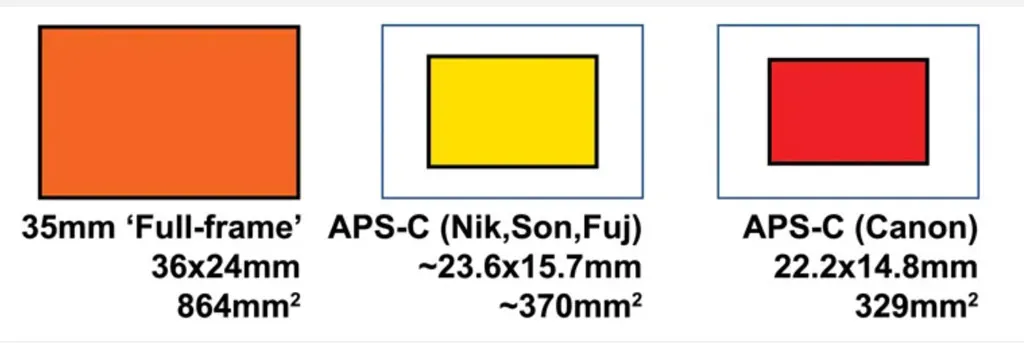
Whether you need APS-C or Full Frame sensor will depend on the type of photography you are shooting. For street photography, travel and hiking, a lighter, smaller-bodied DSLR with an APS-C sensor is ideal. Crop sensors also provide a longer effective focal length, useful for wildlife and action subjects. But if you want to shoot portraits with shallow depth of field or landscapes or other high detail subjects, full-frame is the way to go.
What is an APS-C (crop sensor) DSLR?
APS-C sensors are smaller – they’re sometimes referred to as ‘crop sensors’, and give a 1.5x (Nikon), or 1.6x (Canon) view, when compared to full-frame. The crop factor means a 100mm lens on a Nikon APS-C will give you an effective focal length of 150mm. They are also generally cheaper, smaller and lighter than their full-frame counterparts.
What is a full-frame DSLR?
Full-frame sensors give a similar sensor size to 35mm film – hence the name. With full-frame DSLRs, what you see through the viewfinder is usually what the full-frame sensor is seeing; this is certainly true of the rear LCD in a Live View setting. If you are using a 100mm lens on a full-frame camera, that’s the effective focal length you will get when you shoot.
Is a bigger sensor always better?
Full-frame is sometimes described as being essential if you’re a serious photographer, but in reality, it’s not – plenty of shooters are producing fantastic imagery on sensors that are APS-C size or even smaller. Bigger sensors give better quality images with higher dynamic range and are better suited to high-detail photography. However, for certain genres, an APS-C with its lighter body and longer reach will be the ultimate choice.
Do pros still use DSLRs?
Yes – to an extent. Since it’s common practice for pro photographers to carry and use multiple camera bodies, many keep a mirrorless model as their main and a trusty DSLR as a secondary. Especially common for Canon and Nikon users, as you can use older lenses on mirrorless bodies thanks to adapters.
Are DSLR cameras being phased out?
In short – yes. Olympus, Fujifilm and Sony have completely phased out their DSLR cameras and now sell only their respective mirrorless systems. Pentax is the only one still committed to its DSLR line-up. Nikon no longer develops new DSLRs, while Canon continues to manufacture certain DSLRs, it is also moving its product line towards mirrorless.
How we test DSLR cameras
We test DSLR cameras the same way you use them – by taking photographs and video. We evaluate their control layouts and handling, and the usability and quality of their optical viewfinders and screens. We assess their autofocus across a range of different subjects and shooting scenarios and check their continuous shooting capabilities (both fast and slow modes).
We use controlled testing to assess the nitty-gritty of image quality and sensor performance (assessing raw and JPEG images), but also take the cameras out into the real world to assess how easy they are to use.
We try to use cameras for their intended purpose as much as possible – if a DSLR is billed as a great tool for wildlife photography, we will use it to photograph wildlife, in addition to other subjects. The aim is to build up as complete a picture as possible of what the camera can do – and what it can’t, testing in all kinds of weather conditions, where weather-sealing becomes all the more important.
We also examine the effectiveness of DSLR image stabilisation systems if they have them built-in to the body. Last but by no means least, we critically evaluate the image quality, in both JPEG and raw, including resolution, high-ISO noise, and dynamic range. We then take all these factors into account, along with such things as portability and lens systems, when giving our final conclusion and score. You’ll find the full breakdown of how each camera has performed in our full reviews.
Recent updates
March 2026: Frequently asked questions section reorganised to be more concise. Canon EOS 5D Mark IV is now officially discontinued, with some new stock still available at certain retailers.
December 2025: How we test section expanded to add clarity and additional information on testing. Updated to clarify that most DSLRs are now only available second-hand, used, or renewed.
I am the deputy editor of Amateur Photographer, working closely with the team to make the website and magazine as good as possible. I've been working on magazines since 1995 and am also a keen travel and portrait photographer when time allows, reaching the finals of the Pink Lady Food Photographer of the Year contest in 2015 and achieving my Licentiate from the Royal Photographic Society the year before. I also keep my wedding-photography hand in by shooting a few ceremonies a year. I am particularly interested in how photography can help people express their creativity more effectively, or deal with mental health issues and other challenges.