



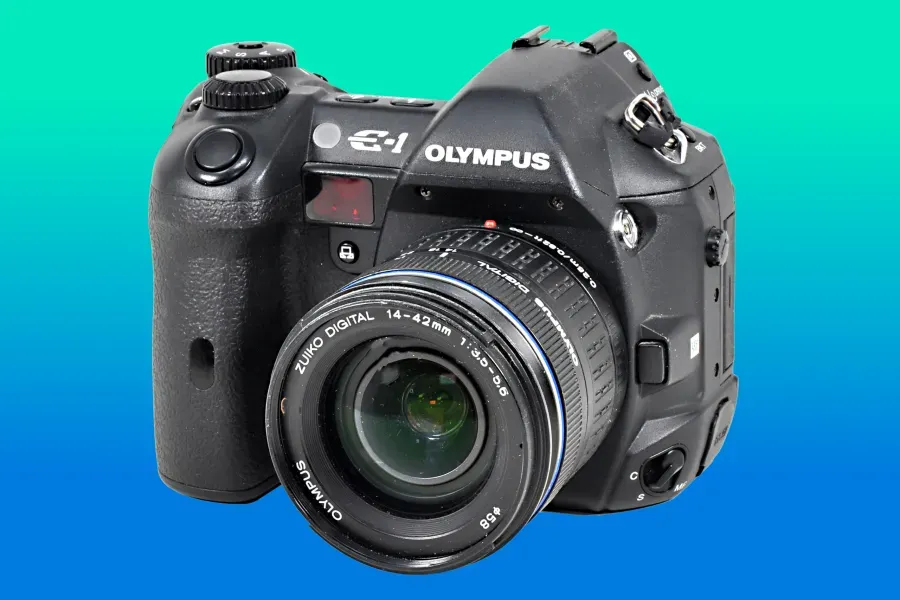
Olympus never produced an interchangeable lens 35mm autofocus single lens reflex (SLR). So, with the dawn of digital, the company was free to design a whole new kind of digital SLR (DSLR) from the ground up. Working in association with Kodak, the result was the Four Thirds system, and the first camera to adopt it was the Olympus E-1.
At a glance
- Launched: 2003
- Price at launch: approximately $2,199 / £1,400
- Guide price now: $230-350 / £150-250
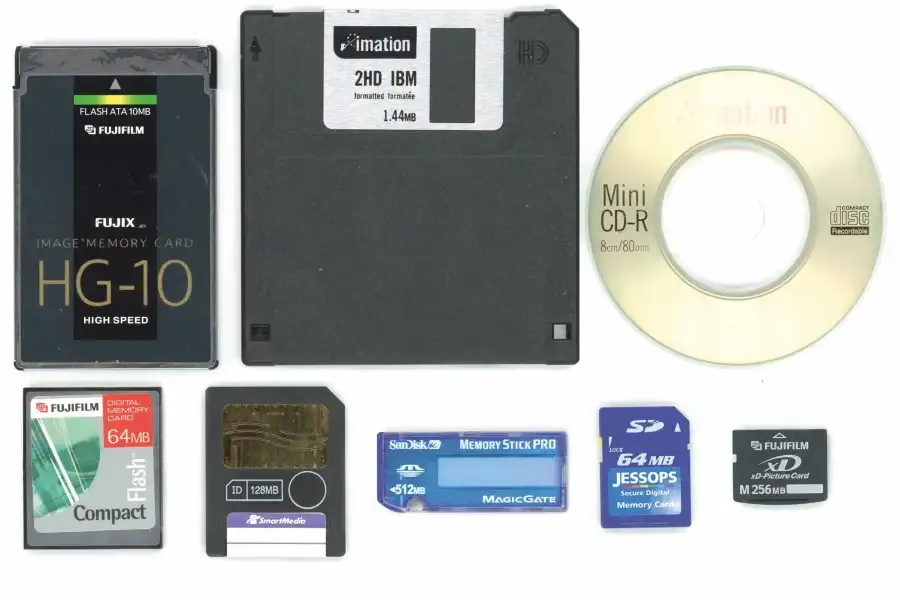
While Olympus engineered the lens mount, Kodak supplied a CCD type 5MP sensor sized 18×13.5mm, with an imaging area of 17.3x13mm. The viewfinder is optical rather than electronic and image storage is by use of CompactFlash cards. The image aspect ratio is 4:3, from which it is often assumed the Four Thirds name was taken. It wasn’t, but that’s another story.
The E-1 is a pleasantly chunky little camera, built with a magnesium-alloy body. It offers multi-pattern metering, shutter speeds of 1/4,000-60sec, three frames per second shooting and the traditional four exposure modes comprising shutter and aperture priority, program and manual.
The rear LCD screen measures 1.8in. The camera also introduced a patented wave filter dust reduction system that shakes dust from the sensor on start-up or on demand. The sensor and LCD screen sizes might seem positively prehistoric these days, but in its day the E-1 was a ground breaker, and even today it is unexpectedly enjoyable to use.
The Four Thirds system was originally offered as a universal mount for other companies to use. Fuji, Kodak, Leica, Panasonic, Sanyo and Sigma showed interest, but only Olympus went big on it with 15 cameras, compared with Panasonic’s two and Leica’s one. In 2008, Olympus, in association with Panasonic, refined the system by removing the reflex mirror, swapping optical for electronic viewfinders, making bodies smaller and lenses more compact. Which is how today’s Micro Four Thirds system was born.
What’s good
- Wide range of Four-Thirds Olympus Zuiko and Leica lenses still available.
What’s bad
- Low-res images, limited storage, CCD sensor burns batteries fast.