Did Olympus miss a trick by not going full frame?

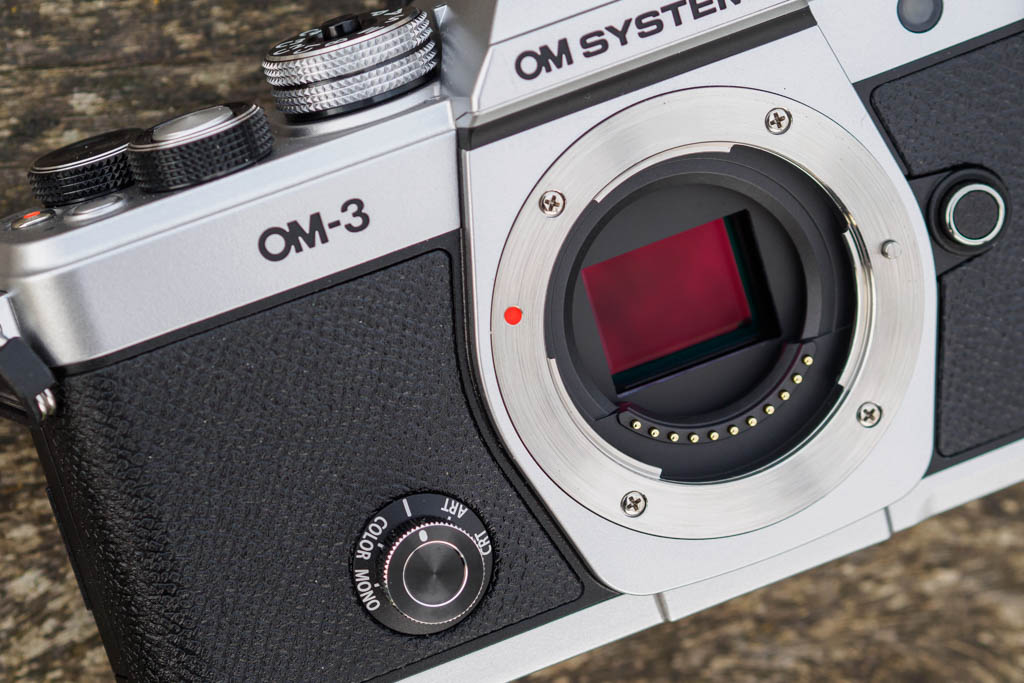
Serious photographers have pledged allegiance to full frame sensors. So why has Olympus/OM System stuck with Micro Four Thirds, even when its system partner’s embraced full frame?
The surprise of Photokina 2018 was Panasonic adopting Leica’s L-Mount and, with it, full frame photography. Just prior, it had been in a close Micro Four Thirds system partnership with Olympus. Now it seemed their relationship was an open one.
While Panasonic sought to expand its customer base via larger sensor dimensions and, theoretically, better quality, Olympus – now OM System – has stuck resolutely with the original plan: Micro Four Thirds, and Micro Four Thirds only.
In hindsight, it wasn’t a total shock that Panasonic decided to hedge its bets and develop full frame camera bodies alongside MFT. It had made use of Leica’s lens expertise since the early days of Lumix, with its optics proudly displaying Leica branding. They were ‘carrying on’ in plain sight of Olympus.
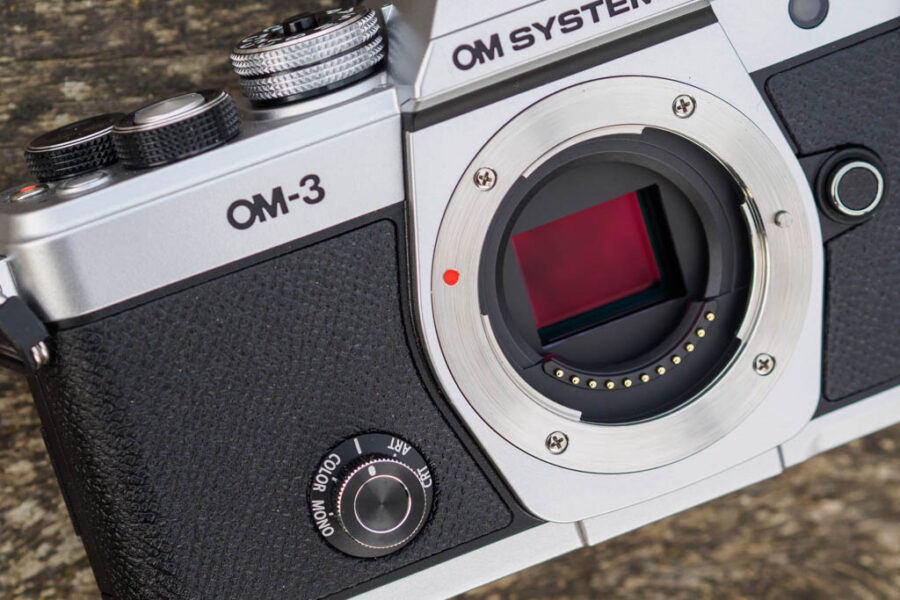
While playing the field may have made sound business sense, I’ve equally thought there is something to be admired in stubborn persistence and sticking with a format that may not be universally popular. In this case Olympus/ OM’s commitment to a Micro Four Thirds system that has been as much about practicality, in terms of pocketable bodies and lightweight lenses, as performance.
And additionally, when we’re talking comparisons with a full frame set up, MFT lenses are much more affordable. So, it’s not like full frame is the ‘better’ option on all fronts.
Rebel Alliance
If Olympus / OM System was to join the L-Mount Alliance – including Sigma as a founding member alongside Panasonic and Leica – then, I feel, its brand would no longer look so unique.
Being different can be a positive sales pitch.
Not joining the L-Mount Alliance might have also been a practical decision, both at the time and now. As a much smaller company compared with electronics giant Panasonic, Olympus / OM System may have simply lacked the resources to introduce a full frame supporting camera range alongside its existing Micro Four Thirds one. Even if it had wanted to.
And while it certainly feels like Panasonic views Micro Four Thirds as far less sexy than full frame, it’s still staying civil for the sake of the ‘kids’. While two years is a long time in the tech word, its release of the Lumix GH7 and G97 in 2024 and the G9II the year prior suggests that, for now, it hasn’t totally abandoned MFT. Despite persistent rumours.
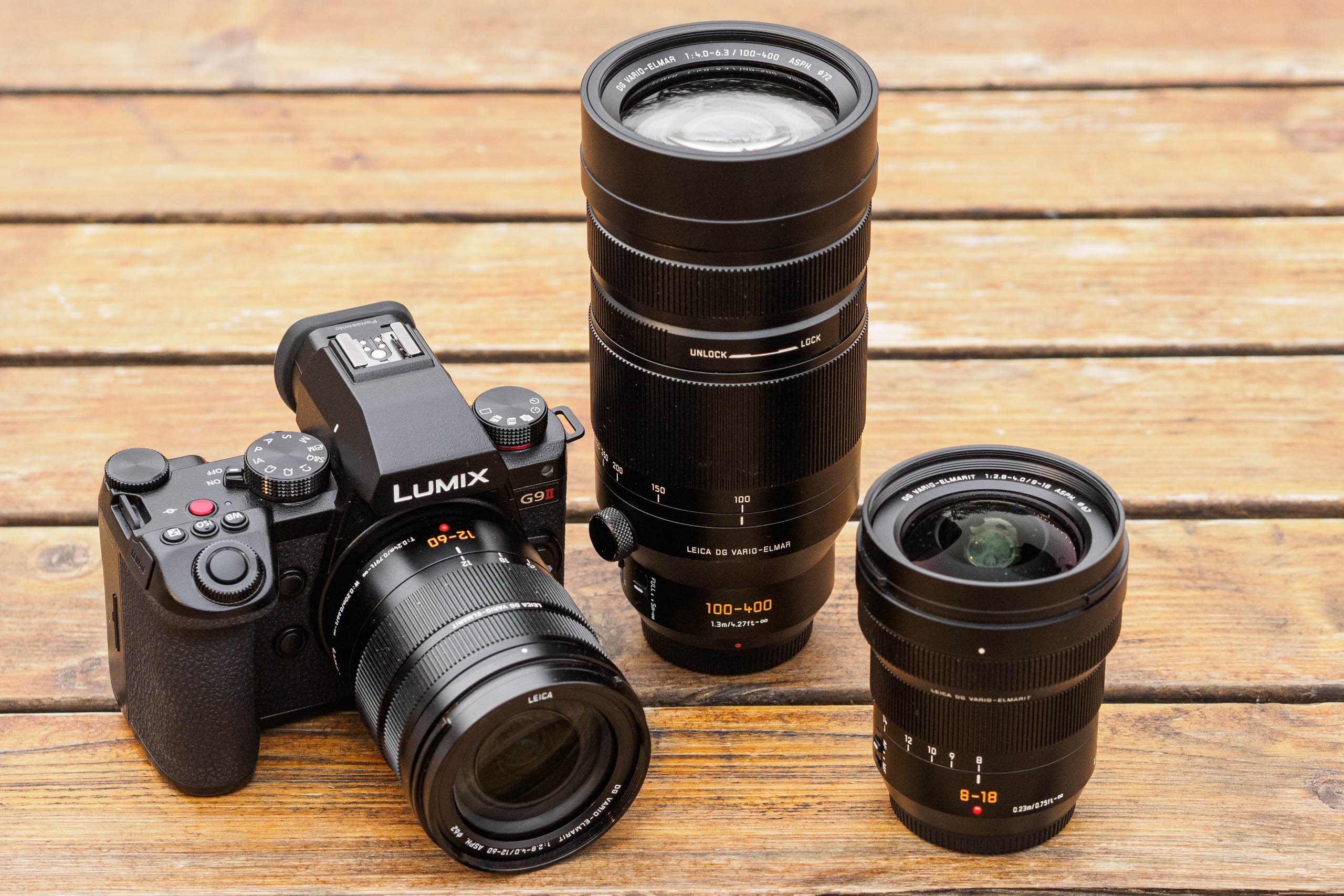
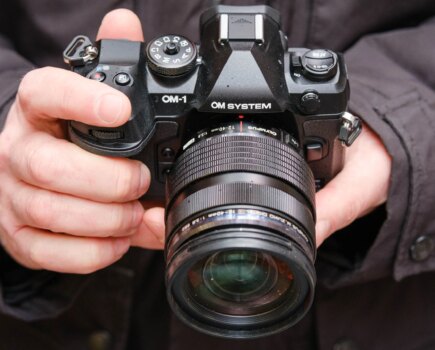
While Panasonic’s releases increasingly focus on video, OM System’s Micro Four Thirds cameras remain solid options for the stills photographer – especially those who want to travel light and stay agile when shooting landscape, travel and portrait work.
So, to answer the question as to why Olympus / OM System has not joined the L-Mount Alliance, it’s not just that it may not be practical for it to do so.
But, rather, that it doesn’t need to.
Related reading
- Why are Olympus cameras so overlooked? It’s the best image quality possible for the size
- Here’s why I think Olympus is the most underrated camera system
- Why Micro Four Thirds offers something no-one else can
The views expressed in this column are not necessarily those of Amateur Photographer magazine or Kelsey Media Limited. If you have an opinion you’d like to share on this topic, or any other photography related subject, email: [email protected]
Follow AP on Facebook, Instagram, YouTube and TikTok.



Gavin Stoker