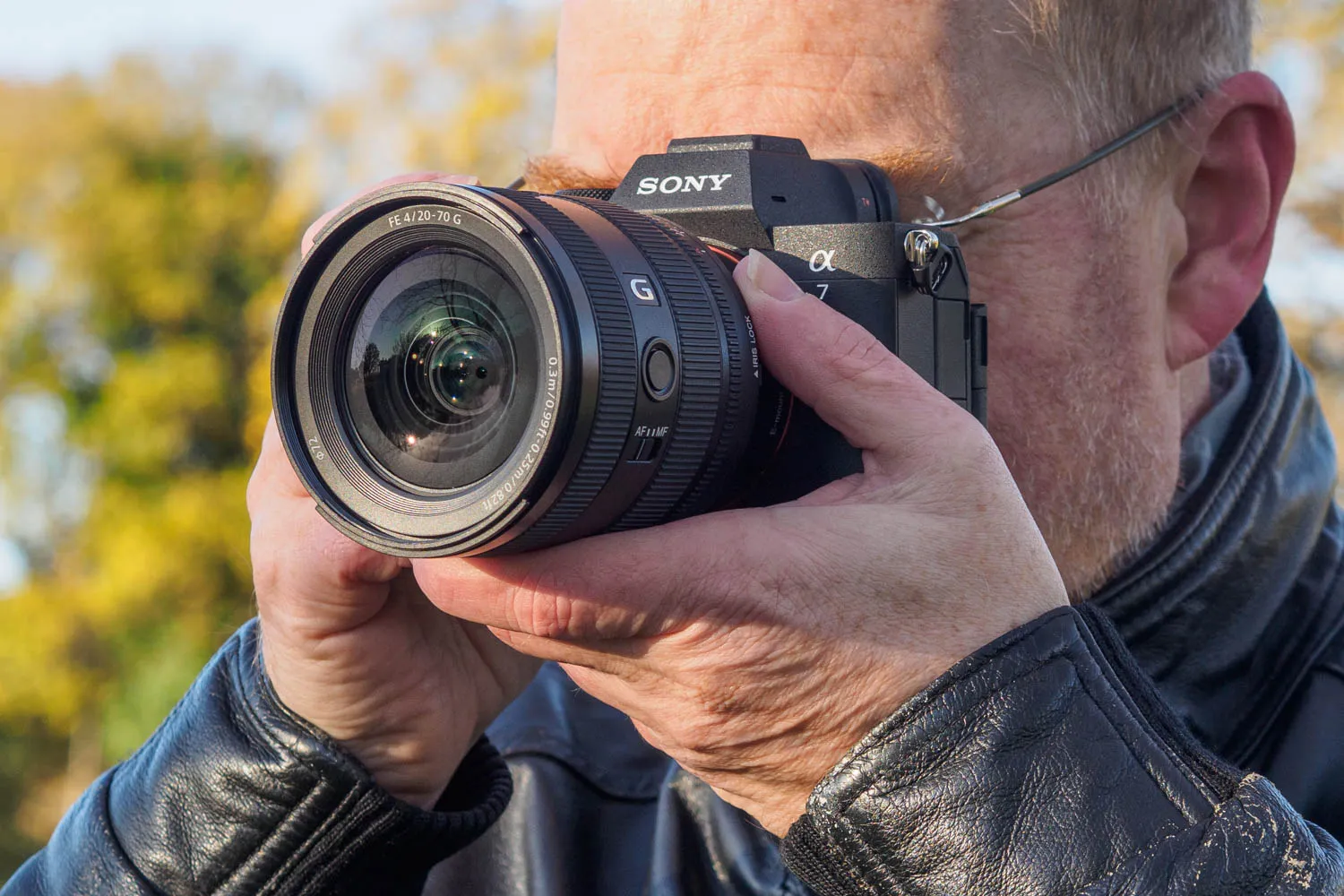
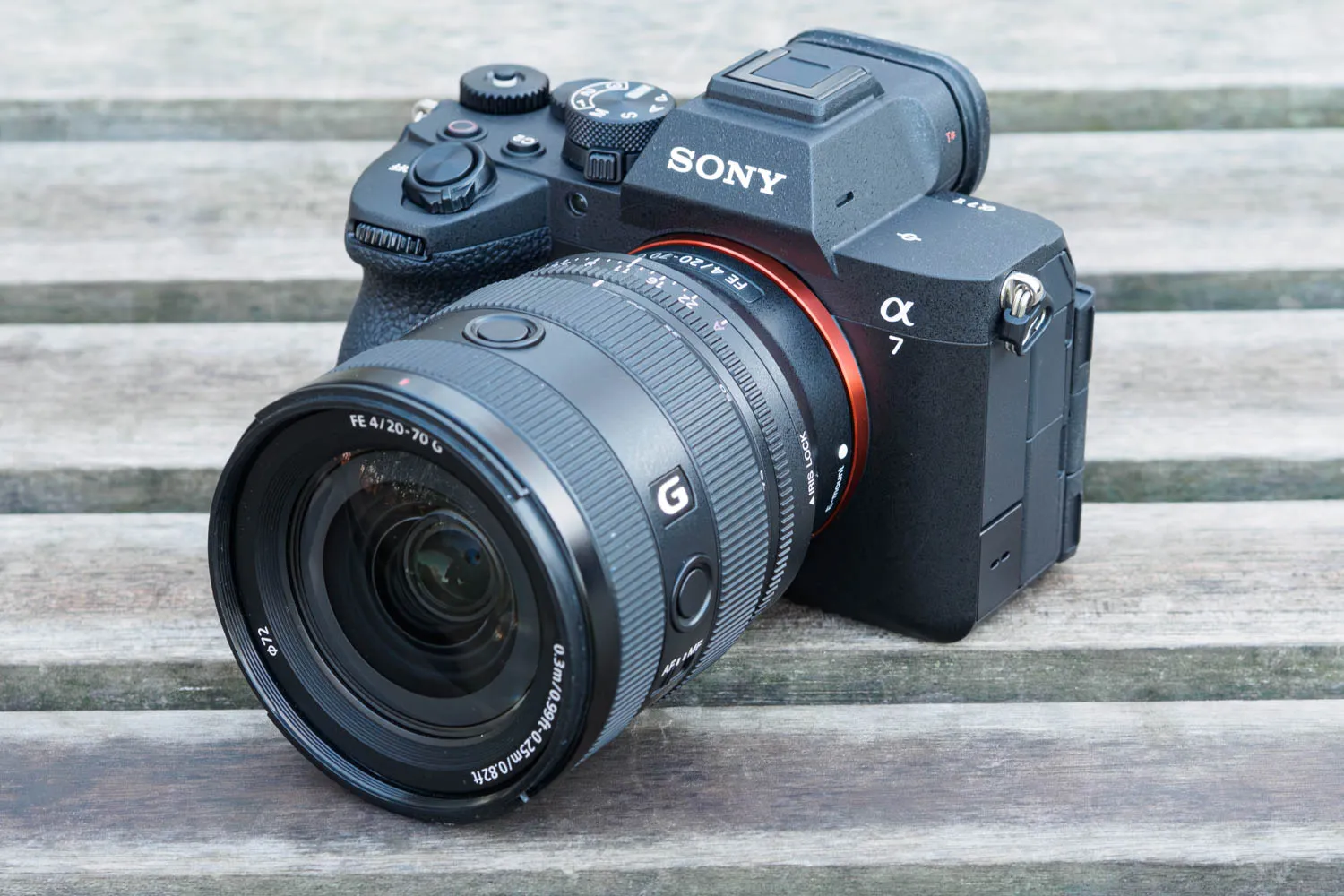
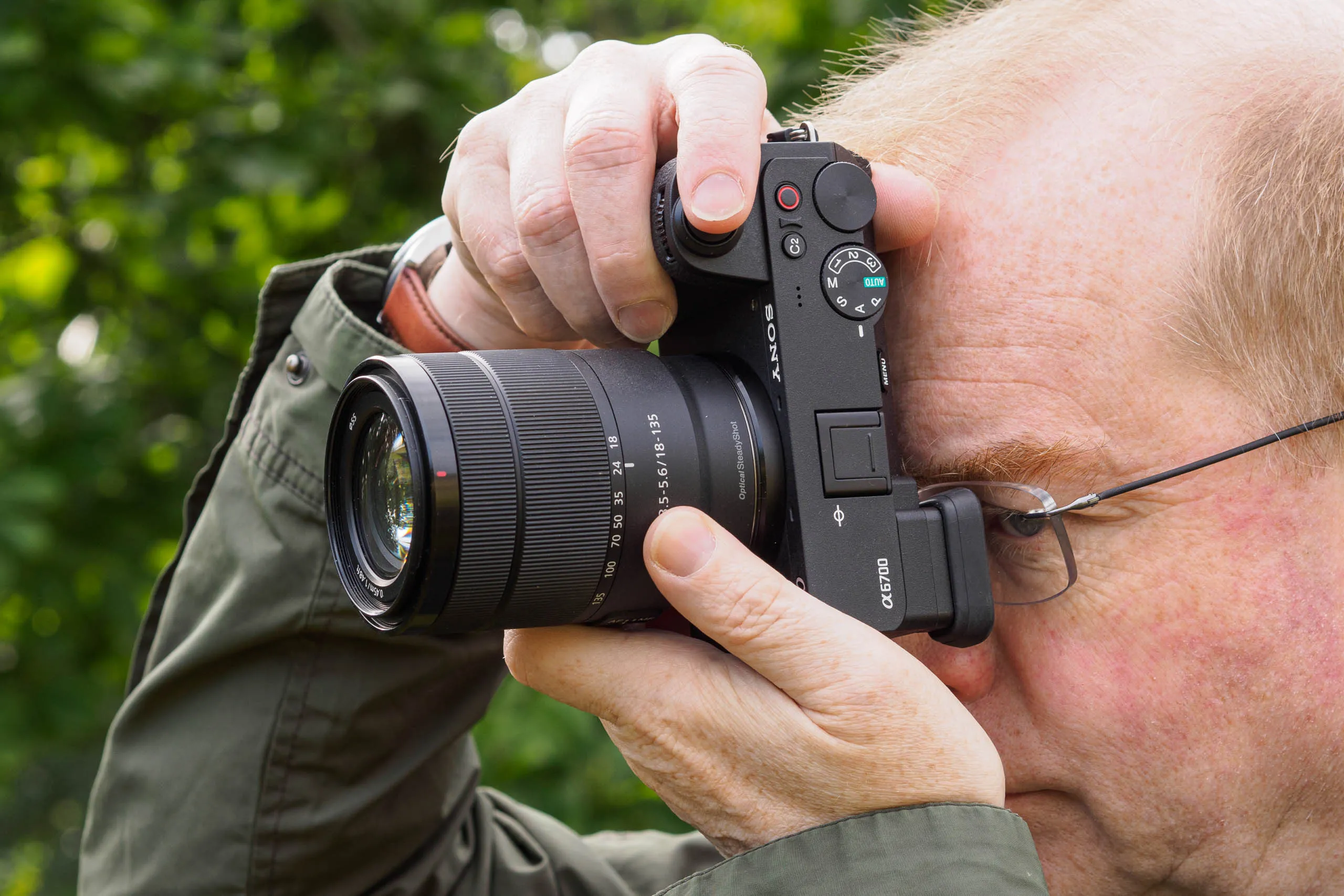
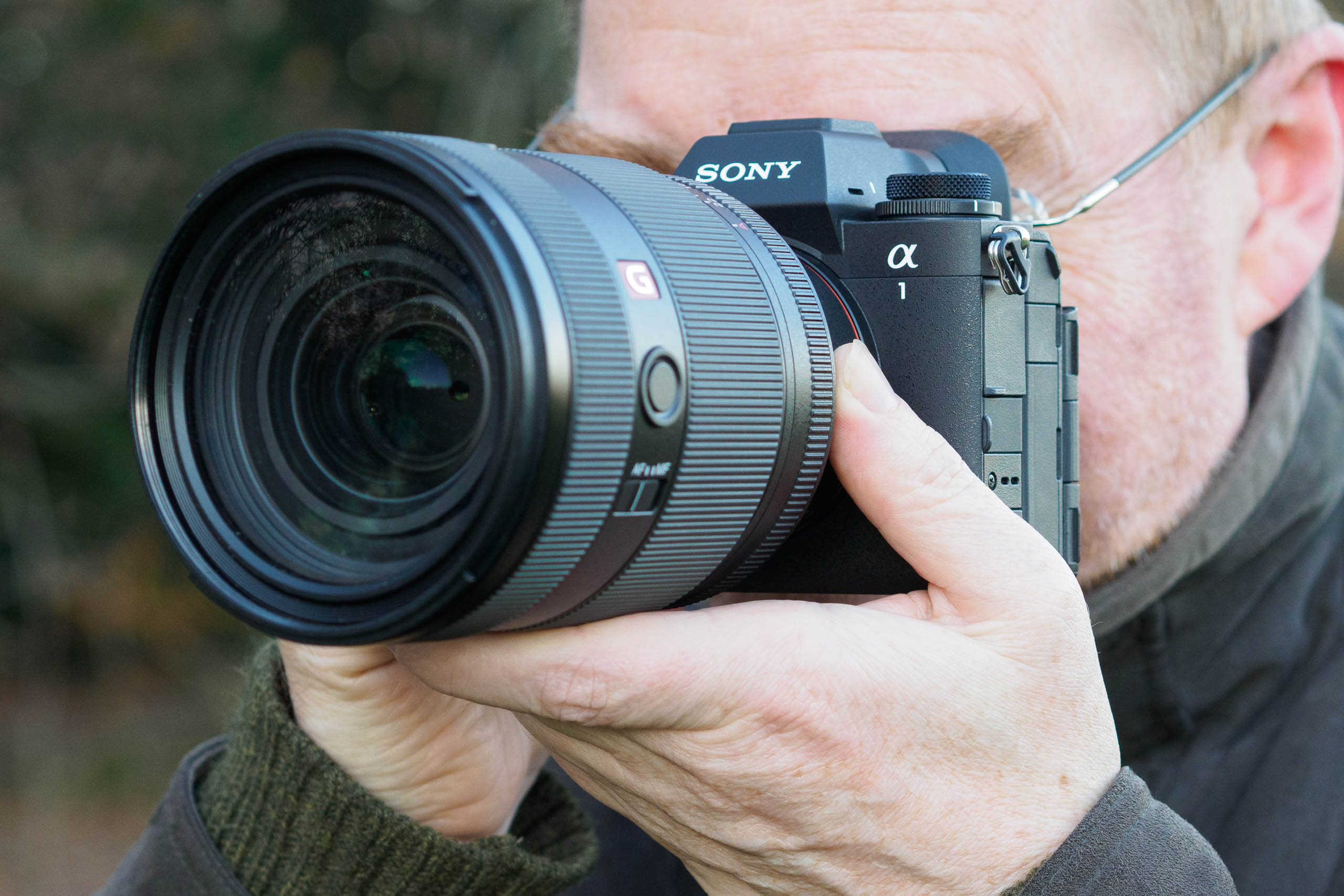
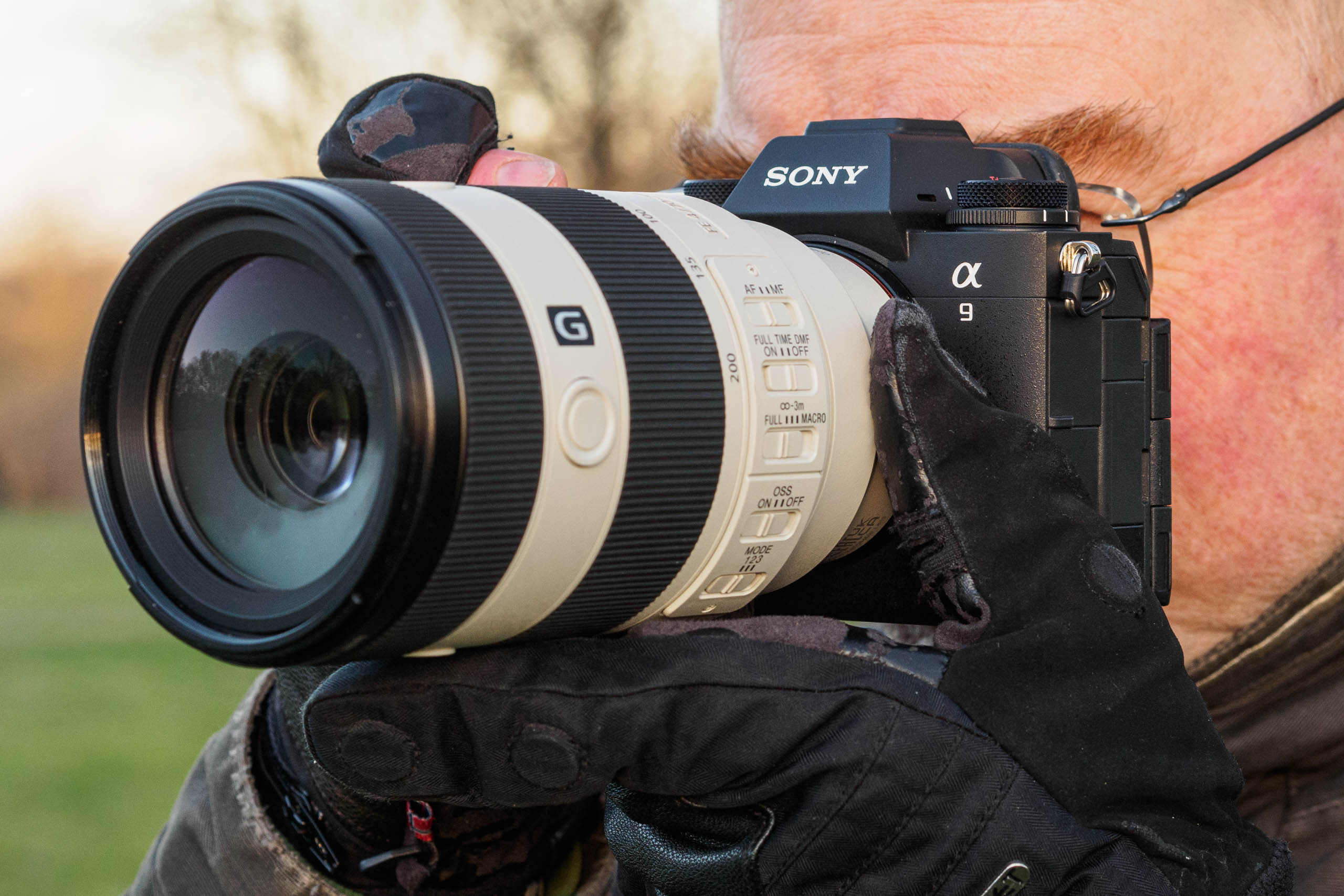
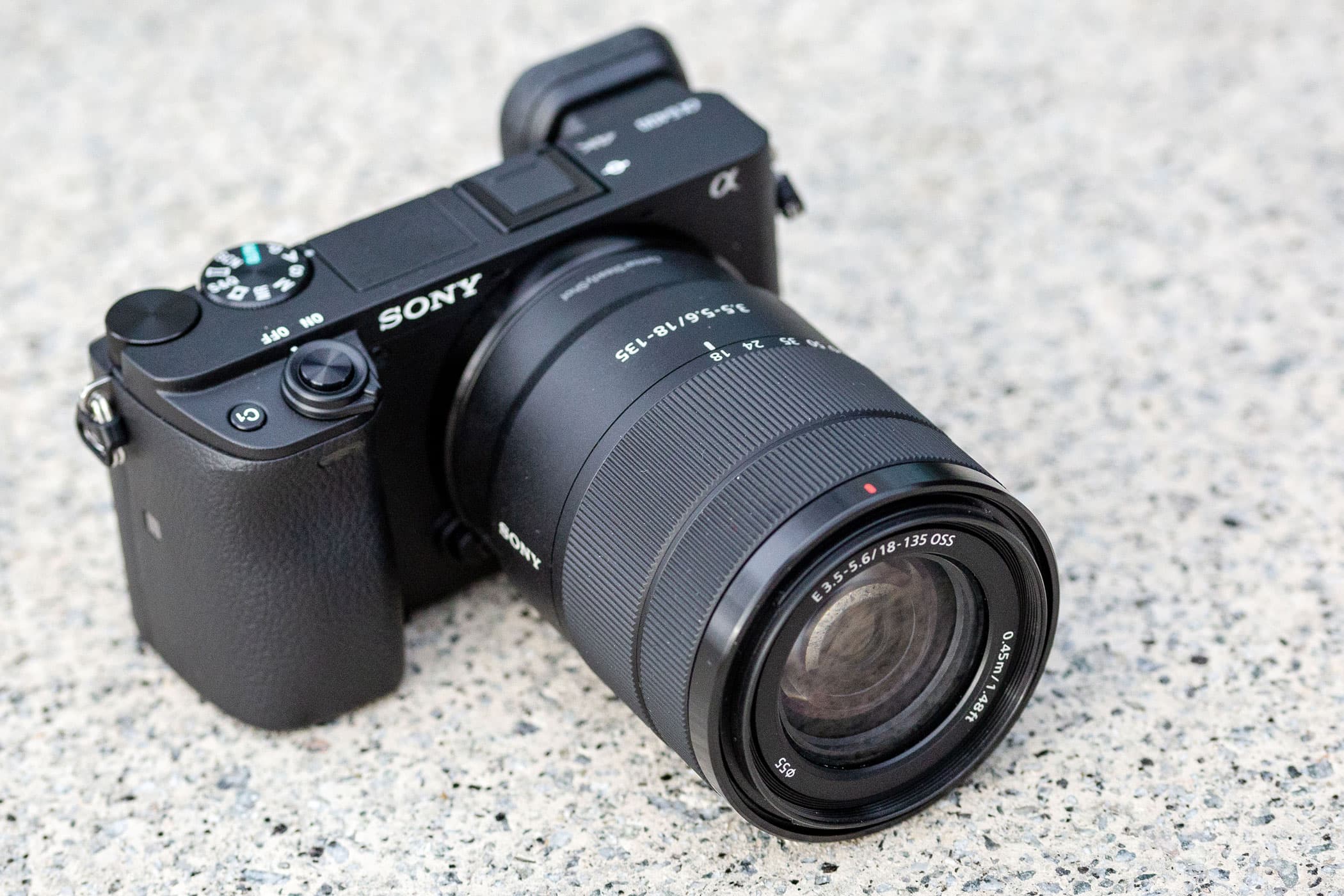
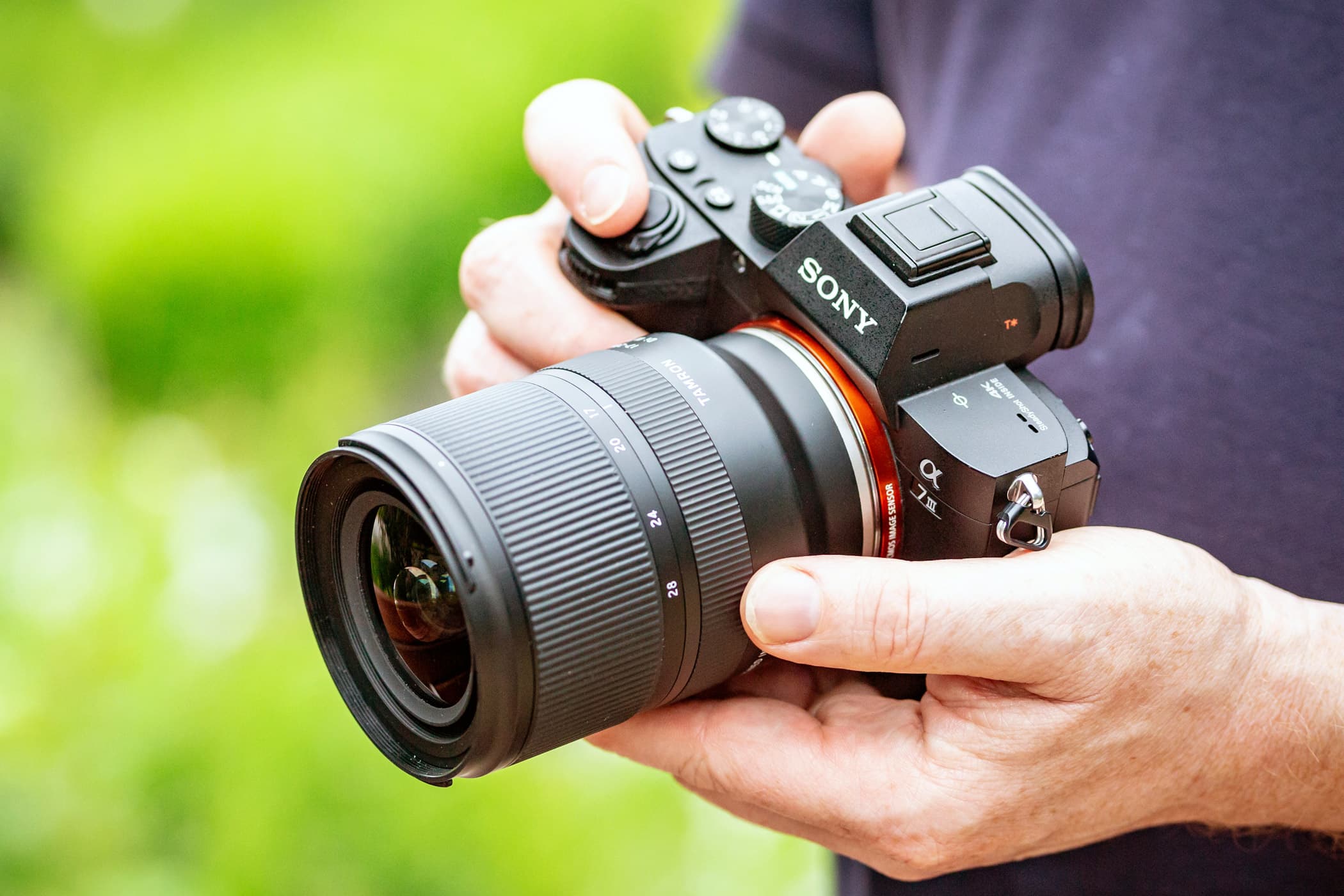
After a few days using the A7 V before its launch, my initial impressions are very positive. Image credit: Andy Westlake
The range of best Sony cameras is one of the most broad, flexible and appealing in all of photography and video. Encompassing mirrorless and compact cameras in a range of sensor sizes, Sony’s catalogue is is extensive and broad, with options for all budgets – especially if you widen your search to include the second-hand market.
At AP, we test and review every new Sony camera that comes out. I’ve drawn on the results and scores from our full tests to put together this list, which includes the cameras that have highly impressed our team. This doesn’t just mean the most expensive models, as Sony produces plenty of excellent smaller cameras in its APS-C range, which provide a great shooting experience on a budget. At the bottom of this page, you can find a guide with a little help on how to choose the Sony camera that’s right for you.
Best professional Sony camera: Sony A1 II – Buy now
Best Sony camera for sports photography: Sony A9 III – Buy now
Best Sony camera for beginners: Sony A6400 – Buy now
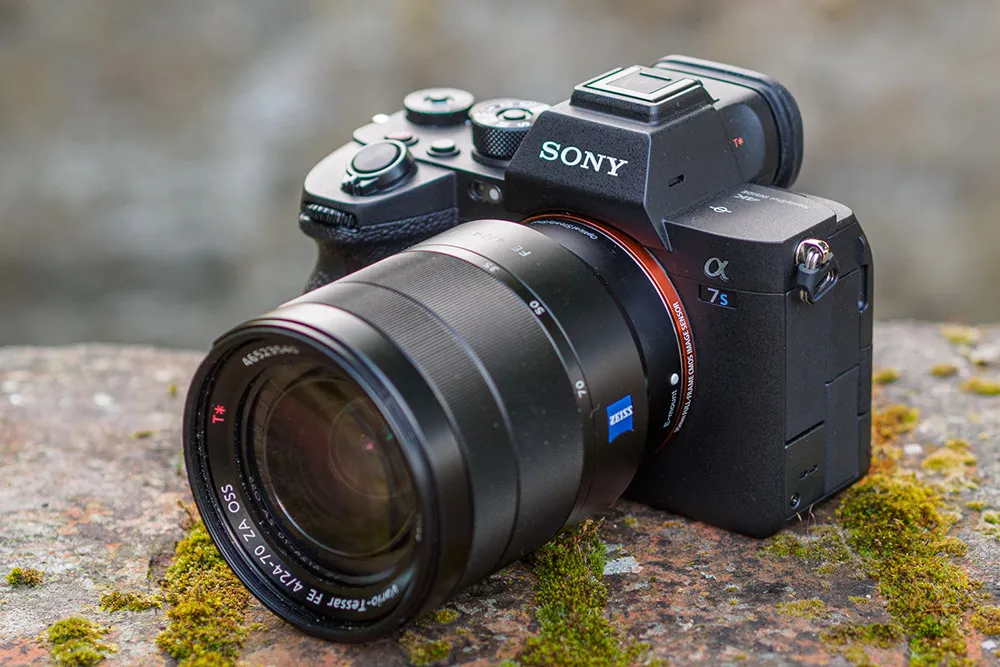
Best Sony camera for video: Sony A7S III – Buy now
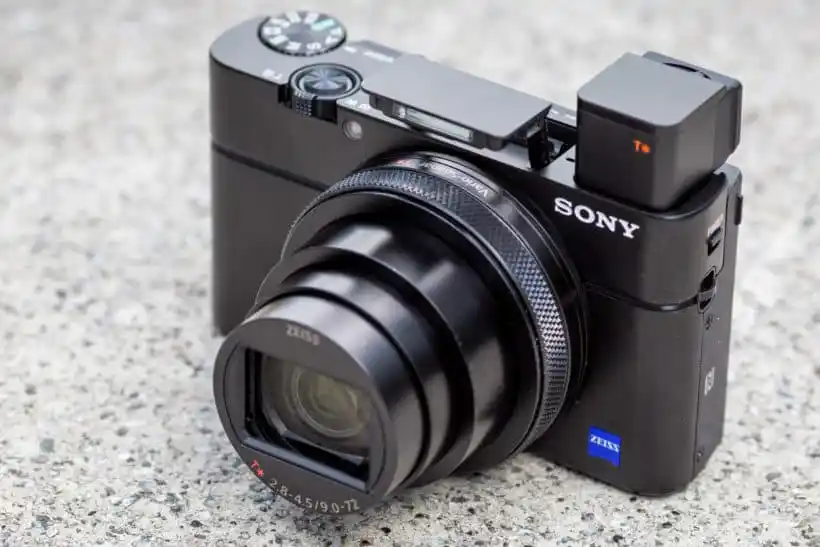
Best Sony camera for travel photography: Sony RX100 VII / VIIA – Buy now
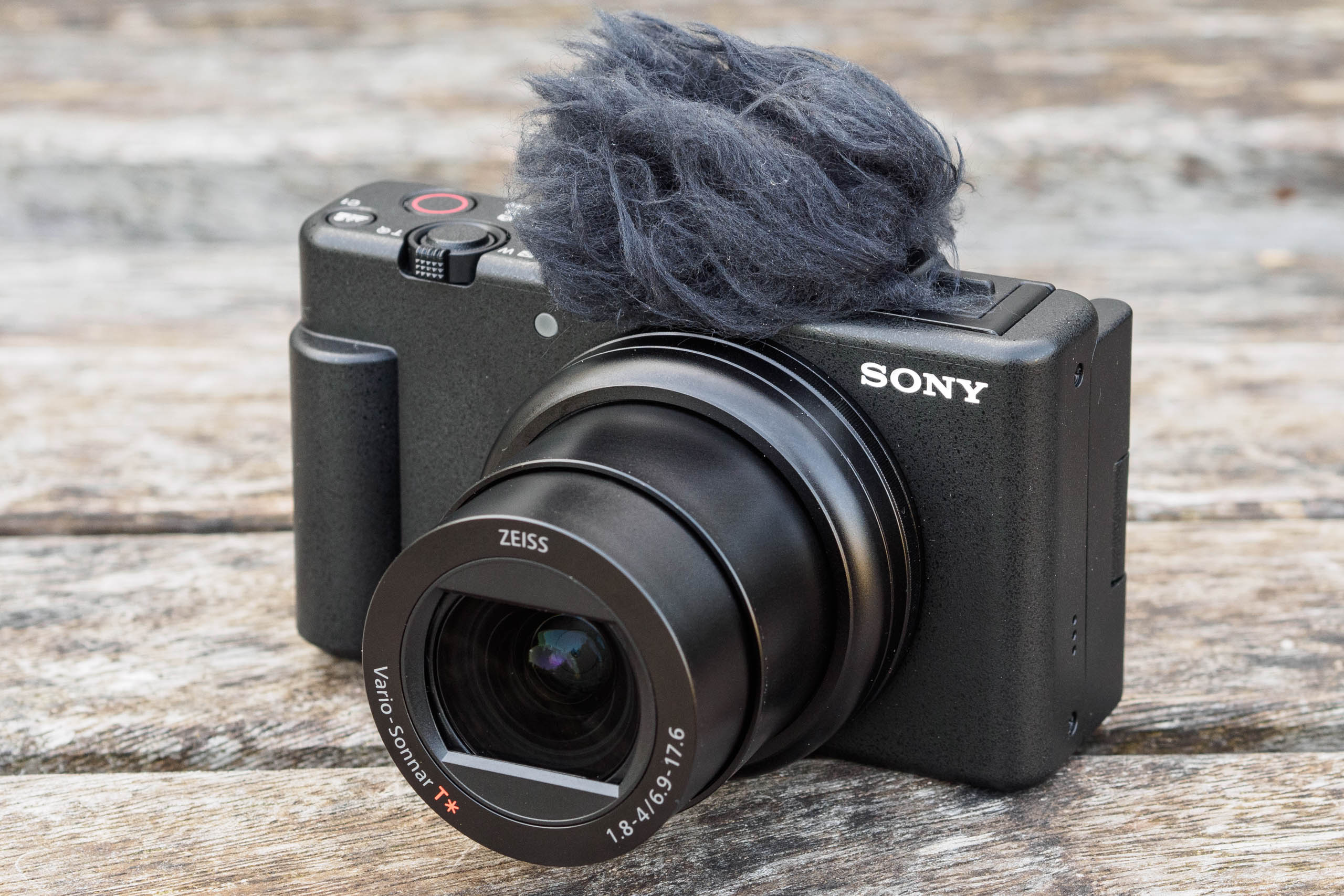
Best Sony for travel vlogging: Sony ZV-1 Mark II – Buy now
Best used Sony cameras
Best budget full-frame Sony camera: Sony A7 III – Buy now
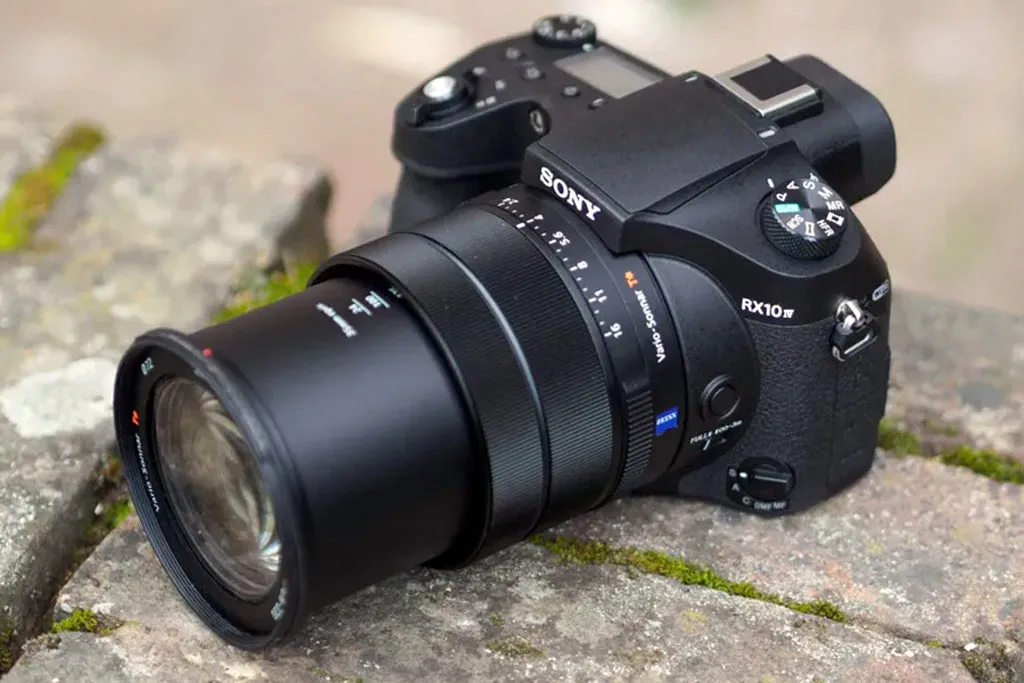
Best Sony bridge camera: Sony Cyber-Shot RX10 IV – Buy now
Best budget Sony camera for beginners: Sony A6000 – Buy now
Looking for the best deal on Sony cameras? Not only will you find the best Sony cameras, but you’ll also find some of the best Sony camera deals, as our ‘Buy now’ buttons are setup to automatically take you to the best prices, from trusted retailers, plus you’ll also find a list of other retailers below each camera, so you can find the right deal for you. If you want to get the best but save even more money, have a look for second-hand options for the camera that most suits you.
Read on to learn more about each of these excellent cameras…
Why you can trust Amateur Photographer
We spend several hours, days, even weeks testing every product we recommend, in detail, in a variety of situations and shooting scenarios, and only use experts for our reviews, so you can be sure that you’re getting the best products. Find out more about our expert writers.
Best for photography
Best Sony camera for photography all round: Sony A7 V
Sony Alpha A7 V with FE 20-70mm F4 zoom. Image credit: Andy Westlake
Amateur Photographer verdict
Snappy and responsive, with generous resolution, the Sony A7 V is a full-frame all-rounder that does it all. It’s nothing especially new or exciting, but it does everything that most users will need.
Pros
Excellent image quality
Intelligent, flexible autofocus
Articulated screen
Long battery life
Cons
Handgrip is a little cramped, especially with gloves
No open gate video recording
Speed boost doesn’t work well with mechanical shutter
Some third-party lenses will need firmware updates
Specifications at a glance:
Scroll to see more →
Specifications
Sony A7 V
Type
Mirrorless
Sensor
33MP partially stacked full-frame
Screen
3.2in, 2.1m-dot, 4-axis multi-angle touchscreen
Viewfinder
3.68m-dot, 0.78x magnification
Continuous shooting
Up to 30fps
ISO
100-51,200 (standard)
Video
4K 60p video (120p with Super-35 crop)
Sony’s A7 cameras have always been its full-frame all-rounders, as opposed to the high-resolution A7R series, and the low-light specialist A7S line (both of which you’ll hear more about shortly). As such, these cameras are likely the members of the family that are going to suit the most photographers – and the Sony A7 V is the latest and greatest in the series.
Upgraded speeds
Having now finished our full review of the Sony A7 V, our technical editor Andy Westlake has awarded the camera the full five stars. The addition of a partially stacked sensor gives it the kinds of snappy responsiveness that characterises rival cameras from Nikon, while the comfortable 33MP resolution is on par with rivals like the Canon EOS R6 Mark III.
There’s a delightful feeling of slickness to the A7 V – the way it’s ready to go the instant you power it on, the way it can deliver completely silent and speedy shooting with its electronic shutter. The subject-detection and tracking in the autofocus system are practically seamless, with near-instant and reliable subject acquisition. Images are clean and wonderfully detailed, and we’ve managed to push the ISO up to 12,800 and still come away with good-looking shots.
Third-party lens issues
Some rumours were swirling around shortly after this camera’s launch that it had compatibility problems with third-party lenses – however, Andy looked into it with a thorough Sony A7 V third-party lens test, and had no problems with Sigma, Tamron and Zeiss lenses. There were some issues with Laowa and Samyang – however, firmware updates are already being issued to fix the problem.
Even so, the addition of a stacked sensor design has given the Sony A7 V the speed and versatility it needs to compete as one of the best all-rounder mirrorless cameras you can buy.
Best for: enthusiast photographers who want to shoot all kinds of subjects
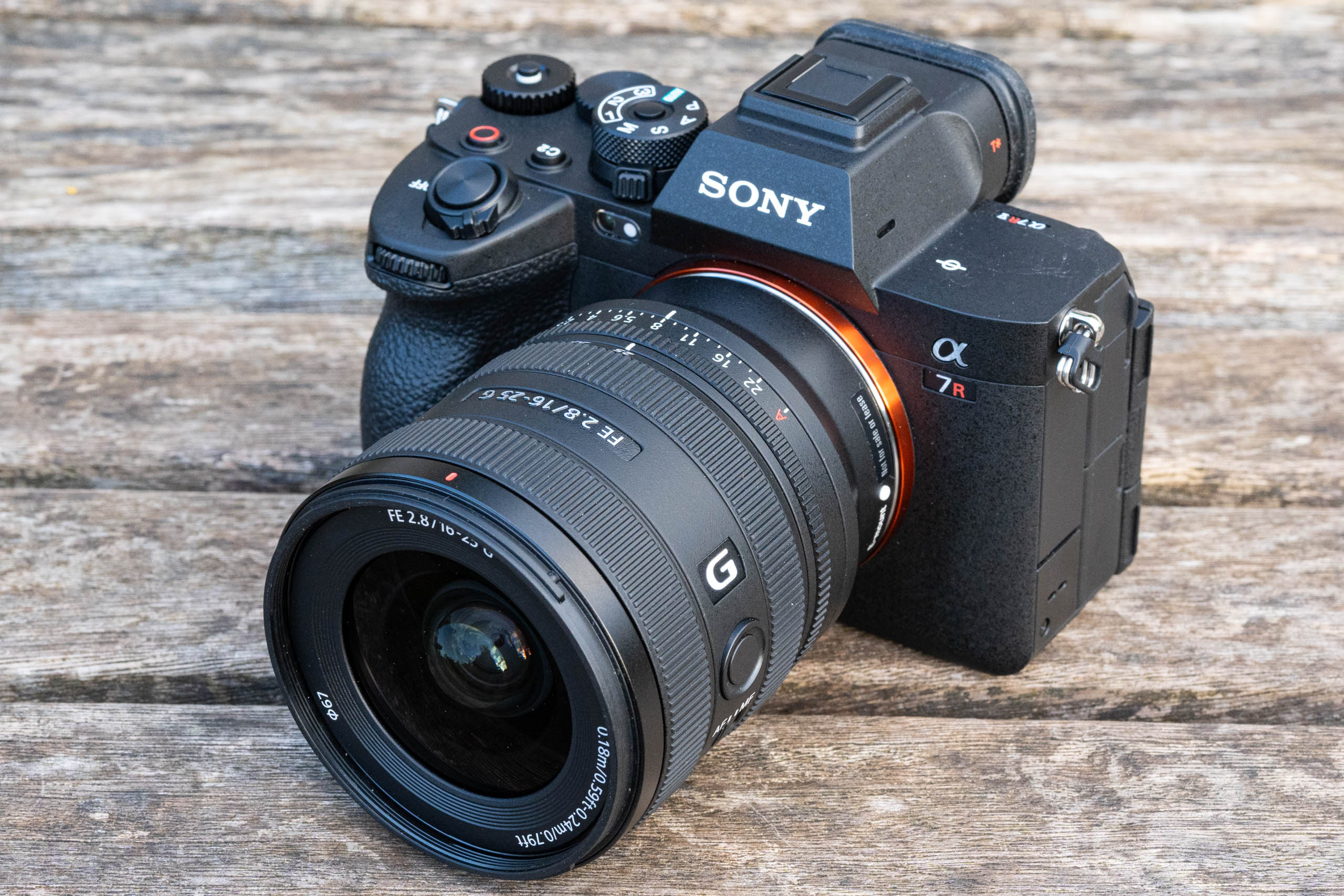
Sony FE 16-35mm F2.8 G on the Sony Alpha A7R V. Credit: Andy Westlake
Amateur Photographer verdict
If your needs are tilted more towards image quality than outright speed, it’s difficult to argue against the Sony Alpha 7R V being the best full-frame stills camera available.
Pros
8K video
AI-enhanced autofocus
Big buffer capacity
Huge resolution
Cons
Very expensive
And you probably don’t need everything its offering
Specifications at a glance:
Scroll to see more →
Specifications
Sony A7R V
Type
Mirrorless
Sensor
61MP full-frame Exmor R CMOS
Screen
3.2in 2.1m-dot 4-way articulated touchscreen
Viewfinder
9.44m-dot OLED, 0.9x magnification
Continuous shooting
10 frames per second
ISO
50-102,400 (extended)
Video
8K 24p
The Sony A7R V is the latest in the high-resolution line of A7R cameras. However, given that the A7R V boasts class-leading AI autofocus, increased buffer capacity and 8K video capability, the lines between different Sony cameras are becoming more and more blurred.
Whereas different Sony cameras used to be specialists in different areas, we’re seeing more cameras like the A7R V and A1 that are simply good at everything – and are priced accordingly. Is this a good strategy? We’ll find out in the years to come, but in the meantime, the result is undeniably great cameras like the A7R V.
61MP full frame sensor
So, what we get here is the same 61MP sensor as the Sony A7R IV. While some might be disappointed that it’s not an upgrade, that many pixels are difficult to argue with. If you want higher resolution than that, you’re probably looking at medium format anyway.
Elsewhere on the camera is an upgraded autofocus system, with enhanced subject detection powered by a new AI processing unit. It’s capable of recognising a huge range of subjects, including cars, trains, airplanes, insects, and the usual human, animal, and bird. According to Sony, this unit also improves metering and auto white balance.
Low-res shooting options
Stabilisation has been dramatically improved, now delivering up to 8 stops of effective exposure compensation with the right lens. Users also have more image recording options to help manage those huge 61MP files, including lossless raw compression, and lower resolution options (26MP and 15MP) for those times you don’t need all that detail.
It all adds up to a hell of a camera. Is it worth almost $3,300/£3,000? That’s up to the individual user. Our conclusion in our review was as follows: ‘If your needs are tilted more towards image quality than outright speed, it’s difficult to argue against the Sony Alpha 7R V being the best full-frame stills camera available… if you can justify the A7R V’s price, you’ll be blown away by just how good it is.‘
Best Sony camera for beginner vlogging: Sony ZV-E10 II
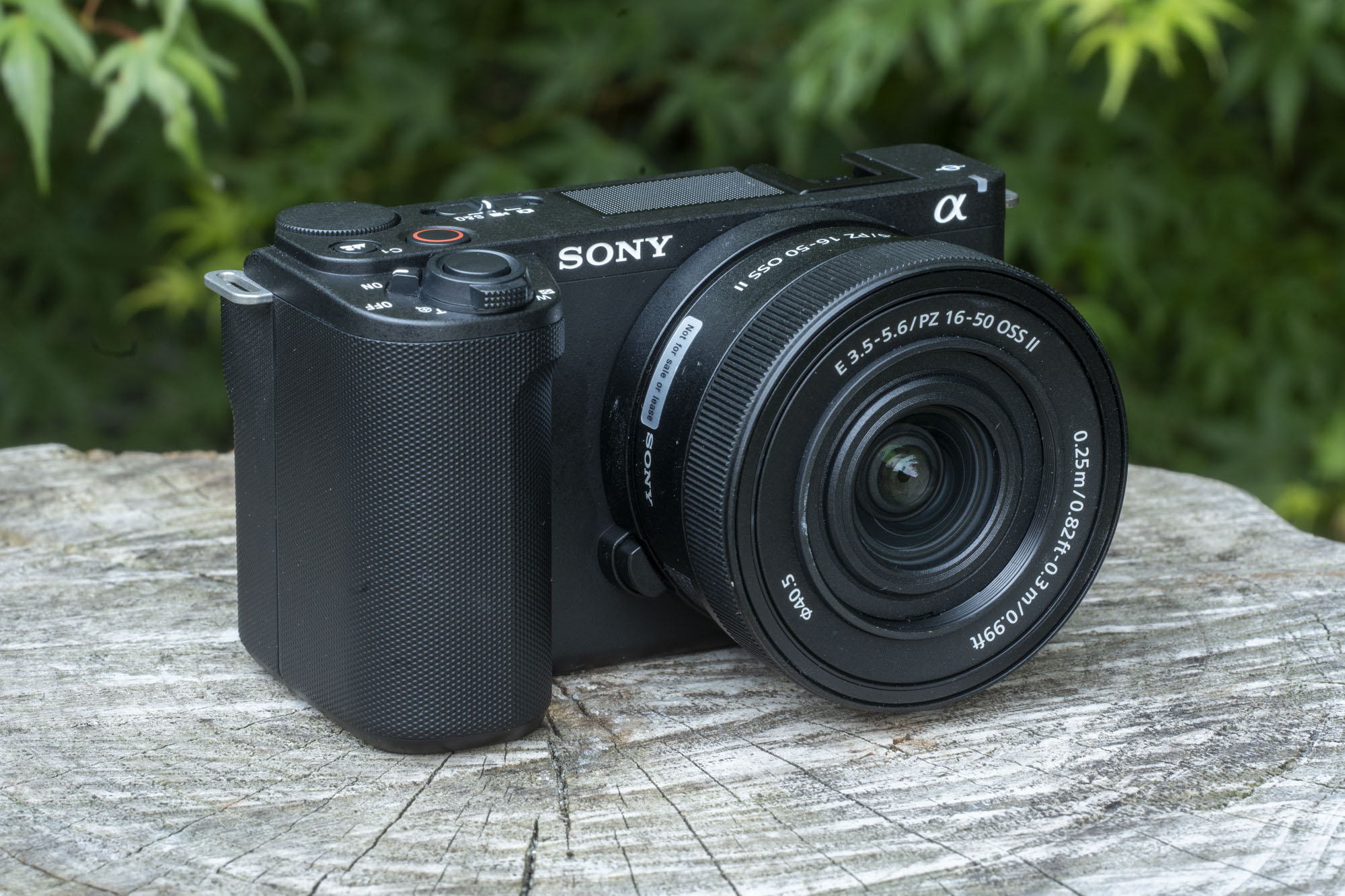
Sony ZV-E10 II. Photo Richard Sibley
Amateur Photographer verdict
Sony’s lightweight mirrorless vlogging camera is an ideal choice for anyone taking their first steps into serious video. With improved battery life, it’s a welcome upgrade to the original ZV-E10
Pros
Excellent video autofocus
Good battery life
LUT support for filmmakers
Full touchscreen control
Cons
No viewfinder
No stabilisation
Scroll to see more →
Specifications
Sony ZV-E10 II
Type
Mirrorless
Sensor
26MP APS-C CMOS
Screen
3in 1.037m dot articulated touchscreen
Viewfinder
None
Continuous shooting
11 fps
ISO
100-102,400 (extended)
Video
4K 60p
Camera type
Mirrorless
Sensor
26MP APS-C CMOS
Screen
3in 1.037m dot articulated touchscreen
Viewfinder
–
Continuous shooting
11 frames per second
ISO
ISO 100-102,400 (extended)
Video
4K 60p
The Sony ZV cameras are designed specifically for vloggers – while they can shoot stills, it’s not their primary purpose, and a camera like the ZV-E10 II is definitely prized for its video capabilities. A lightweight mirrorless model sporting an APS-C sensor, the ZV-E10 II is priced and pitched towards amateur vloggers, perhaps those who are looking for their first serious video camera. As the name implies, it’s Sony’s second run at this model, and the Mark II version comes with lots of welcome improvements that make it superior to the original ZV-E10.
One is the inclusion of the NP-FZ100 battery, as opposed to the NP-FW50 on the previous model, providing much greater battery capacity that allows the camera to keep on shooting for longer before needing a charge. The autofocus is also improved, though it lacks the AI-powered subject detection systems we’ve seen on other new cameras, and the body of the camera has a larger handgrip that makes it more comfortable to hold.
Ideal for run-and-gun vloggers
While it’s lightweight enough to use handheld, the ZV-E10 II brings some serious video capabilities to the party. It inherits its Exmor BSI CMOS imaging sensor from the Sony FX30, a cinema camera, and it also boasts plenty of other features that make it a much more powerful video companion, such as LUT import. LUTs (Look Up Tables) are essential preset colour settings for video that allow you to give your footage specific looks, saving time in post-processing.
The ZV-E10 II is also much more mobile than its predecessor thanks to one big issue being fixed – the rolling shutter that plagued the original ZV-E10 has been much improved, making panning shots much more achievable. Phase-detection autofocus coverage is also even more comprehensive, meaning you can acquire and keep focus even on moving subjects. For newbie vloggers, there are a few handy time-saving modes it’s worth getting to know, such as Product Showcase and Background Defocus.
Best for: vloggers who want an agile, portable rig
The Sony A6700 is the company’s best APS-C camera with a high resolution sensor, AI AF and excellent video, but the shooting experience can be frustrating.
Pros
Much improved design and control layout compared to A6600
Compact body size relative to its peers
Vari-angle rear screen
In-body stabilization
Powerful video features
Cons
Controls can be frustrating
11fps burst shooting adequate but no more
Only a single card slot
Scroll to see more →
Specifications
Sony A6700
Type
Mirrorless
Sensor
26MP BSI-CMOS sensor
Screen
3in, 1.04m-dot fully articulated touchscreen
Viewfinder
2.36m-dot, 0.7x OLED EVF
Continuous shooting
Up to 11fps
ISO
100-32,000 standard, 50-102,400 (extended)
Video
4K video recording up to 120fps
The Sony A6700 is the latest model in Sony’s line-up and replaces the previous flagship A6600 model. It has a new 26MP sensor first seen in the company’s FX30 cinema camera, but in body designed for hybrid shooting – i.e. both stills and video photography. The body is slightly thicker than the previous Sony A6600 but still very compact, thanks to its ‘rangefinder’ design which incorporates an electronic viewfinder set into the back corner rather than mounted on the top of the body.
AI processor
This is a camera designed for video as well as stills, and it offers a big step up in technical specifications, notably the ability to capture full-width (no crop) 4K video and 30p and 60p oversampled from the camera’s full 7K resolution, and even 4K 120p video, albeit with a crop. This camera incorporates Sony’s latest AI-driven subject-detect autofocus and the dedicated AI processor first seen in the mighty Sony A7R V.
The A6700 is a very mighty camera indeed, and the only thing stopping it from hitting top spot in our list is its handling and controls, which are improved over previous versions but still sometimes frustrating.
Best for: vloggers, hybrid content creators and filmmakers
Sony has made a camera that can do pretty much anything you might ask of it. Credit: Andy Westlake
Amateur Photographer verdict
The new flagship mirrorless full-frame offering is the best camera Sony has ever made – but it costs much more than mirrorless rivals without really offering anything to set itself apart.
Pros
Superb viewfinder and screen
Impressive image quality
Excellent AF with auto subject detection
Fast shooting speeds
Cons
Absurdly expensive, more so than rivals
Doesn’t offer anything unique
Specifications at a glance:
Scroll to see more →
Specifications
Sony A1 II
Type
Mirrorless
Sensor
50MP full-frame stacked-CMOS
Screen
3.2in, 2.1m-dot 4-axis multi-angle LCD
Viewfinder
9.44m-dot, 0.9x, 120fps OLED viewfinder
Continuous shooting
30fps
ISO
50-102,400 (extended)
Video
8K 30p
The original Sony A1 was one of the first monster ‘do-everything’ professional mirrorless cameras. No longer would pros have to choose between speed and resolution – here was the camera that could handle both. The Sony A1 II consolidates and builds on that legacy. It’s the most advanced camera Sony has ever made, and unquestionably the choice for Sony-using pros – but it comes at a sky-high price, and that complicates the picture somewhat.
The Sony A1 II is very similar to the A1, offering a 50MP stacked sensor design, with 30fps burst shooting, a maximum shutter speed of 1/32,000sec, 1/400sec flash sync and 8K 30p video. The improvements are mostly in the autofocus, with Sony having incorporated a new AI processor that brings its subject-detection autofocus modes bang up to date. The clever system – able to recognise humans, animals, vehicles and many other specific subjects – is much faster than it was before, and has an auto detection mode rather than needing the subject to be pre-selected. Also, with 759 selectable focus points and 92% frame coverage, you’ll be fine getting the shot even without the AI system. Pros will also want to note that the A1 II has a built-in ethernet port for fast image downloads.
A competitive field
So, yes, the Sony A1 II is one of the most advanced cameras around, and certainly the best Sony camera. However, it comes at an absolutely sky-high price, costing significantly more than comparable mirrorless rivals like the Nikon Z8 and the Canon EOS R5 Mark II, and it doesn’t really do a lot of things better than those cameras. Certainly not enough to justify such a hike.
We gave the Sony A1 II a full five stars in our review, because it is a five-star camera. However, the full picture is a little complicated because it’s only really worth the buy if you’re a pro who’s heavily invested in the Sony E-mount system. If not, then it’s hard to escape from the fact that this camera is almost double the price of the Nikon Z8, and does not offer double the capability.
Best Sony camera for sports photography: Sony A9 III
The A9 III is an astonishing camera for its intended use, but its image quality lags behind other full-frame models, making it a specialist product. Credit: Andy Westlake
Amateur Photographer verdict
With its groundbreaking global shutter sensor, the Sony A9 III is a new milestone for sports photography. It’s utterly superb for this purpose — though too specialised and expensive for anything else.
Pros
Extraordinary autofocus and continuous shooting
Flash sync available at any shutter speed
No banding under artificial lighting
No rolling shutter distortion
Cons
Minimum ISO 250 native sensitivity limits image quality
Relatively poor dynamic range and high-ISO performance
Scroll to see more →
Specifications
Sony A9 III
Type
Mirrorless
Sensor
24.6MP full-frame stacked-CMOS sensor with global shutter
Screen
3.2in, 2.1m-dot articulated touchscreen
Viewfinder
9.44m-dot, 0.9x viewfinder
Continuous shooting
120fps
ISO
250-125-51,200 (extended)
Sony shook up sports and action photography with its blisteringly fast A9, and later consolidated its victory with the improved A9 II. From there, the line went a bit quiet, and the release of the fast-shooting Sony A1 led some to question whether the A9 line was being gently retired. Nope! The Sony A9 III made its spectacular debut at the tail end of 2023 — the first full-frame camera with a global shutter sensor, allowing it to expose and read out every single pixel simultaneously, rather than line by line as in other sports cameras.
What this means in real terms is no rolling shutter distortion due to rolling shutter, no banding artefacts in artificial light, and flash sync available at all shutter speeds without needing to use a power-sapping high-speed sync mode. Pair all this with an incredible, capable continuous shooting and autofocus system that allows for shooting at up to 120fps with full AF tracking and no viewfinder blackout, and you start to see what an incredibly capable sports camera this is.
A true specialist
Of course, that’s just what it is — an incredible sports camera. It’s specialised to the point where its native base ISO is 250 and its resolution is a comparatively low 24.6MP. These numbers make perfect sense for sports shooters, who generally use higher ISOs to compensate for fast shutter speeds, and don’t need extra resolution that is mostly just going to slow down the process of sending files to sports desks. For anyone else though, this is something of a detriment, especially in a camera with a price tag of $6,800 / £5,800 body-only. For this reason, the Sony A9 III is a near-perfect camera for professional sports shooters, but not particularly suitable for anybody else.
For someone starting out, the A6400 offers a well-rounded and capable package that isn’t overly intimidating.
Pros
Astonishingly good subject-tracking autofocus
Excellent image quality
Broad customisation options
Compact size
Cons
16:9 LCD screen gives small display area for 3:2 stills
Minimal touchscreen functionality
No in-body image stabilisation
Scroll to see more →
Specifications
Sony A6400
Type
Mirrorless
Sensor
24.2MP APS-C CMOS sensor
Screen
3in, 921,600-dot tilting touchscreen
Viewfinder
2.36m-dot electronic viewfinder
Continuous shooting
11 fps
ISO
100-32,000
Video
4K 25p
With a 24.2 MP APS-C sensor the A6400 offers beginners excellent image quality in almost any situation without needing to step into a full-frame system with its greater cost and complexity. It is also a solid resolution for cropping in and printing. As a crop sensor camera it is also relatively compact and lightweight at 400g (body only) making it ideal for someone shifting from mobile photography.
One of the biggest advantages the A6400 offers beginners is its autofocus performance with an astonishingly good subject-tracking autofocus. Backed by a reliable focusing system you focus more on composing and learning creative aspects of photography rather than worrying about whether or not your shot was in focus. It is also reassuring to pick a system that has good selection of available lenses, and there is a generous selection of Sony’s E-mount lenses available for the A6400.
One of Sony’s best-ever cameras, this low-light wonder is also one of the best 4K cameras you can buy – though the 12MP sensor won’t be enough for photographers.
Pros
Superb video options
Exceptionally beautiful viewfinder
Unreal low-light capabilities
Cons
Getting the best out of it requires pricey CFexpress cards
Low sensor resolution
Scroll to see more →
Specifications
Sony A7S III
Type
Mirrorless
Sensor
12.1MP full-frame back-illuminated CMOS sensor
Screen
3in fully articulated touchscreen
Viewfinder
9.44m-dot EVF, 0.9x magnification
Continuous shooting
10 fps
ISO
80-40-409,600 extended
Video
4K 120p
The full-frame Sony A7S cameras were originally introduced as low-light photography specialists. However, they were quickly adopted by the videography community, and Sony leant into this, producing successor models with better and better video specs.
The A7S III boasts all the refined handling the series is known for, but brings a newly designed back-illuminated Exmor-R sensor to the party. This means faster readout speeds, cleaner ISO performance, better phase-detection focusing and much more.
While it’s not an 8K camera, the A7S III captures 4K video at up to 120fps, with 10-bit 4:2:2 colour and All-I compression at 600Mbps. It looks superb, and thanks to the camera’s improved internal structure, it dissipates heat effectively for long recording times (Sony claims at least an hour of 4K 60p). There’s a huge suite of video options, including Log profiles, 24-bit internal audio recording – we could go on. Suffice to say, this is the full package when it comes to video.
Class-leading viewfinder
A somewhat surprising standout feature of this camera is an absolutely divine electronic viewfinder. With 9.44m dots of resolution, it’s an absolute monster for brightness and detail, and firmly puts to bed any lingering arguments about DSLR optical viewfinders being superior. This is just light-years ahead.
Sony also, thankfully, overhauled the menu system. This might sound like a trivial point, but Sony cameras have for years been held back by their ungainly, unintuitive menu systems, and the touch interface of the A7S III is a total breath of fresh air.
Best Sony for travel photography: Sony RX100 VII / VIIA
Sony RX100 VII. Image: Andy Westlake
Amateur Photographer verdict
Incredible tech in a tiny and pocketable body, a phenomenally capable camera for those who can afford it and live with its fiddly handling.
Pros
Lens sharp throughout zoom range
Very good image quality
Pop-up viewfinder
Snappy autofocus
Cons
Small body makes for tricky handling
Poor battery life
Scroll to see more →
Specifications
Sony RX100 VII / VIIA
Type
Compact camera with 24-200mm equiv. f/2.8-4.5 lens
Sensor
20.1MP 1-inch Exmor RS CMOS
Viewfinder
2.36M-dot OLED
Screen
3in 921,600-dot tilting touchscreen
Continuous shooting
20 fps
ISO
125-12,800
Video
4K 25p
Sony’s most recent and possibly final RX100 compact camera, the RX100 VII is a pocket-sized premium compact, boasting 20.1-MP, 1-inch type Exmor RS CMOS sensor and Sony’s Bionz X processing engine. It has a lot going for it and produces excellent imagery, but also suffers from some design flaws that have plagued the series since its inception. Bear in mind that you will also see it sold as the RX100 VIIA – this is the hasty reskin Sony put together to comply with EU rules about USB charging, the solution being to remove the micro USB port’s ability to charge the camera, rather than upgrading it to USB-C.
Otherwise, this is a solid premium compact. It’s got the same 24-200mm lens as the previous RX100 VI, and covers a great focal range. It also packs in plenty of high-end features for a camera in this class; the real-time Eye AF and Real-time Tracking systems are very effective at holding focus on subjects during stills and video shooting.
Slip it in your pocket
The little Sony RX100 VII is super compact and pocketable, meaning it’s ideal for city breaks and hikes as it won’t add much weight to your bag. The pop-up viewfinder is a nice touch as well, and 4K video at 25p with full pixel readout is super handy. The only downside is that its astonishing feature set is crammed inside a body and interface design that does little justice to it. It’s a difficult camera to hold and use – fiddly unless you have very tiny hands. It’s also still quite expensive for a camera that would otherwise quite well-suit being someone’s second body – do many people have four-figure sums to spend on their holiday camera?
That said, in our review, we were consistently impressed by how much technology was packed into the RX100 VII’s tiny body, saying, ‘This is, without doubt, the most accomplished pocket camera on the market.
Best for: world-explorer photographers who travel light
Best Sony camera for travel vlogging: Sony ZV-1 Mark II
Sony ZV-1 Mark II. Credit: Andy Westlake
Amateur Photographer verdict
All in all one of the best cameras for vlogging and its compact size will appeal to those who don’t want to drag around a heavy camera.
Pros
Extra wide zoom lens
Improved touchscreen interface
Easy for vloggers to pick up and use
Cons
No optical stabilisation
Better background blur on original ZV-1
Scroll to see more →
Specifications
Sony ZV-1 Mark II
Type
Compact camera
Sensor
20MP 1-inch type CMOS
Viewfinder
None
Screen
3in, 0.92m-dot, fully articulated touchscreen
Continuous shooting
24 fps
ISO
125-12,800 (ISO 80 extended)
Video
4K 30p
While it seems unlikely that Sony will produce any more stills-focused compact cameras in the near future, in the vlogging world these cameras are having something of a renaissance. Enter from stage left the Sony ZV-1 Mark II, the latest release from Sony and a successor to the popular, vlogger-oriented ZV-1.
This isn’t so much a replacement for that camera as it is an update. The ZV-1 II offers a similar feature set in a lot of ways, fielding a 20MP 1-inch type CMOS sensor, a flip-around touchscreen.
Zoom range
The key difference though is in the lens – the ZV-1 II’s lens is significantly wider than that of the ZV-1, covering an 18-50mm equivalent focal range compared to 25-70mm equivalent. This makes it wide enough for arm’s length vlogging – a criticism levelled at the ZV-1 – and is unique among zoom compact cameras generally, making the ZV-1 Mark II potentially an interesting camera for stills shooters too.
Naturally, it comes with drawbacks. While you do still get an f/1.8 maximum aperture, this drops to f/2.8 once you zoom past 24mm and f/4 at 35mm. This means you get less in the way of attractive background blur, even when you’ve activated Sony’s Background Defocus mode. This certainly isn’t a ruinous issue, but if you do want to capture images with a shallow depth of field and the background nicely thrown out, the original (and significantly cheaper) ZV-1 may be a better choice.
Ultimately though, this is still one of the best cameras for vloggers. In our review we appreciated how Sony has overhauled the touch interface to make the camera much easier to use, and the new directionality settings on the built-in mics. Vloggers are unlikely to be disappointed with this one.
Here’s a selection of Sony cameras which are no longer sold new but can be strongly recommended as used buys. There are plenty of these on the used camera market, often in excellent or as-new condition and showing few signs of wear. If your main interest is video, you might be better off going for one of the new Sony cameras above, but if you are principally interested in stills photography, these models deliver much of the resolution and performance of current models, but at a fraction of the price.
Best full-frame
Best budget full-frame Sony camera: Sony A7 III
The A7 III is an older mirrorless model, available for a cut-down price. Photo credit: Andy Westlake
Amateur Photographer verdict
Pros
Amazing value for a full-frame camera
Capable 693-point autofocus system
Solid all-rounder feature-set
Cons
4K tops out at 30p
Lacks advanced modern features like subject-recognition autofocus
Viewfinder is a bit low-res
Scroll to see more →
Specifications
Sony A7 III
Type
Mirrorless
Sensor
24.2MP BSI-CMOS full-frame
Viewfinder
0/78x EVF with 2,359 dots
Screen
3-inch tilting LCD, 921k dots
Continuous shooting
10 fps
ISO
100-204800 (extended)
Video
4K 30p
Now two generations old, the Sony A7 III is an all-rounder full-frame mirrorless camera that cost $2,000 / £2,000 on release in 2018, and nowadays can be picked up for around $1,100 / £850 on the second-hand market. That’s a serious saving, and while you will have to make do without a few ultra-modern conveniences, this is still an excellent mirrorless camera that can turn its hand to most subjects, and should definitely be high on the list of consideration for budget-conscious photographers who are looking to make their way into Sony’s full-frame mirrorless system.
Solid all-round feature-set
At the heart of the Sony A7 III is a 24.2MP back-illuminated full-frame CMOS sensor. This resolution might sound low by today’s standards, but it’s still realistically going to be more than adequate for the majority of photographic applications. The A7 III may not have flashy AI-powered subject-recognition, but its 693-point phase-detection autofocus system is still really darn good, able to reliably track and lock onto even fast-moving subjects. It pairs well with the 10fps burst rate – which, again, is slower than the top burst rates you see today, but is still plenty fast enough to capture the vast majority of subjects.
With a topline video spec of 4K 30p, the A7 III probably isn’t the best choice as a vlogging camera – you can definitely spend the same amount elsewhere and get 4K 60p. However, even at eight years of age, it’s a mean photographic all-rounder that gives you access to the superb range of Sony E-mount lenses, and could provide you with many years of happy shooting.
Sony Cybershot RX10 IV. Image credit: Andy Westlake
Amateur Photographer verdict
A premium all rounder bridge camera that will cover any shooting scenario, but it costs as much as an APS-C camera body.
Pros
Huge, high-quality zoom
Fast burst shooting
Price has come down
Cons
Screen tilts but is not fully articulated
No AF-area joystick or AF-on button
Scroll to see more →
Specifications
Sony Cyber-Shot RX10 IV
Type
Bridge camera with 24-600mm (equivalent) f/2.4-4 lens
Sensor
20.1MP 1-inch
Viewfinder
2.35M dot EVF 0.7x
Screen
3in 1.44M dot tilting LCD touchscreen
Continuous shooting
24 fps
ISO
64-12,800 (extended)
Video
4K 25p
The Sony RX10 IV is one of the most powerful bridge cameras ever made. A great, self-contained choice for wildlife photography, it pairs a 20.1MP 1-inch sensor with a 24-600mm (equivalent) f/2.4-4 lens, and also sports an incredibly capable autofocus system that consistently nails moving subjects.
The asking price has come down since launch, making the RX10 IV a much more tempting prospect than it was in the past. Those who want a marriage of image quality and convenience in a camera should really consider the RX10 IV; however, it has been increasingly difficult to find on the second-hand market.
Impressive up to 600mm
In our testing, we found that the sensor/lens combination delivers excellent image quality across the board. Many bridge cameras offer an enormous shooting range, but in practice their image quality is overly compromised at the extreme ends of their big lenses. No such issues here – you can push the Sony RX10 IV to 600mm and still get great images, though there is some fall-off if you stop down past f/8.
Our verdict? ‘The Sony Cyber-shot RX10 IV sets a new standard for all-in-one superzoom models. If you’re interested in getting an all-in-one travel camera, or simply want to photograph your local wildlife without needing to buy a huge zoom lens for a DSLR, it’s the best you can buy.‘
Best for: wildlife photographers who want an all-in-one package
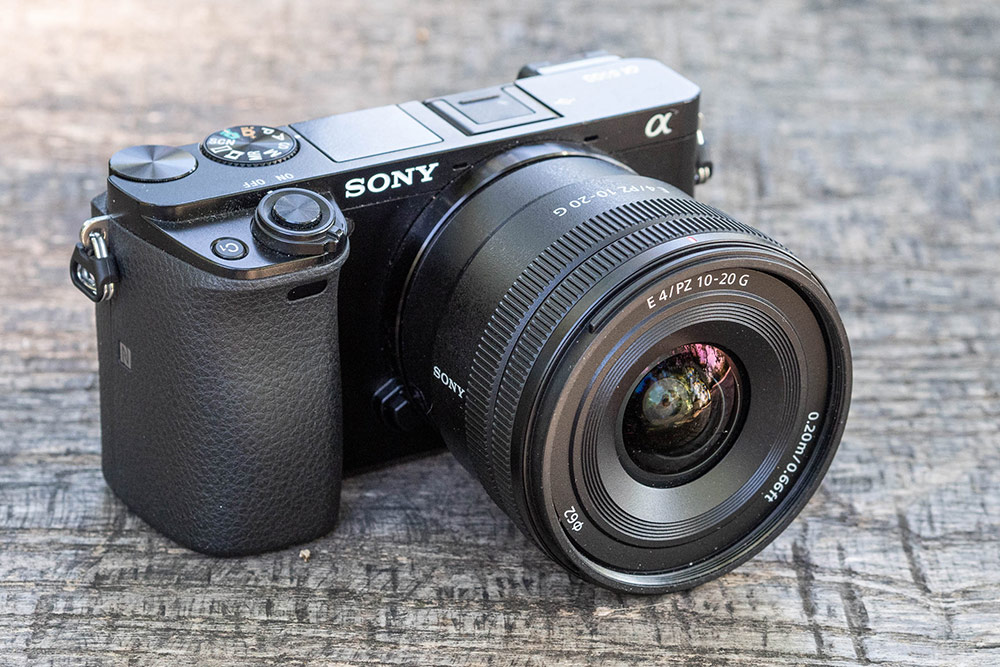
Recent E-mount lenses include the Sony E 10-20mm ultra-wide-angle zoom lens. Image Andy Westlake
Amateur Photographer verdict
Offers a great entry into the mirrorless camera world, and even now, nearly 10 years after its launch a very capable camera.
Pros
Fantastic value for money
Good burst speeds
Sleek, attractive design
Cons
Showing age in video
No in-camera raw processing
Scroll to see more →
Specifications
Sony A6000
Type
Mirrorless
Sensor
24.3MP APS-C CMOS
Viewfinder
0.39in, 1.44M-dot OLED EVF, 1.07x
Screen
3.0-type 921K-dot tiltable LCD
Continuous shooting
11 fps
ISO
100-25,600
Video
Full HD 60p
This fantastic camera has been around since 2014, and the fact that it’s still one of the best mirrorless cameras for beginners is an indicator of how many things Sony got right with it. The Sony A6000 kicked off an entire series of APS-C mirrorless cameras for enthusiasts, and over the years its price has come down to the point where it’s one of the best budget cameras you can buy. There are also plenty of E-mount lenses designed specifically for APS-C cameras, so you won’t feel short-changed when it comes to the glass.
Competitive specs
It’s amazing how many of the A6000’s specs are still competitive today. The autofocus system can acquire a subject in as little as 0.06 seconds, and the burst mode can manage 11fps – all of which is more than enough for speedy action photography. The only area where the A6000 has started to fall behind is video, as it pre-dates the 4K boom, and doesn’t have a mic jack.
In our review when the A6000 came out, we said, ‘Top-spec technology and a host of cutting-edge features may just see the Alpha 6000 mirror the longevity and success of its predecessor and keep it competitive in years to come.‘ Not to toot our own horns, but we called that one pretty well.
Best for: cash-conscious beginners and enthusiasts
Sony manufactures cameras in two classes: compacts and mirrorless cameras. Compact cameras have a fixed lens that can’t be changed, while mirrorless cameras allow the user to swap between Sony E-mount lenses at will. Compact cameras are generally smaller, sometimes cheaper and easier to use, while mirrorless cameras offer greater image quality and shooting versatility, with the trade-off being that a complete mirrorless setup can cost quite a bit more, and be less portable.
Does sensor size matter for Sony cameras?
Sony compact cameras have 1-inch sensors, and Sony mirrorless cameras will use either APS-C or full-frame. Which to choose? Full-frame sensors will deliver the best image quality and overall performance, particularly in low light, but require larger and more expensive cameras and lenses. APS-C tends to be thought of as the mid-range option, and this is the sensor size used in the Sony A6700. For a thorough run-down, check out our guide to APS-C vs full-frame sensors.
What features are important in Sony cameras?
You need to figure out which features are most important to you. Want to capture wildlife images? Look for fast burst speeds and sophisticated autofocus systems. For landscape and portraits, resolution is a priority. If you’re looking to add video to your repertoire as well as stills, you’ll want to look at the maximum video resolutionandframe rate the camera can capture. Sony makes some of the best hybrid cameras for photographers who need both.
How do I charge my Sony camera?
Almost all Sony cameras use USB charging, so you can simply plug in the charger in the box, or the USB cable into a spare charger (or USB port), and charge your camera. If you want to charge the battery outside of the camera, then a spare battery charger can be bought from all the usual retailers.
How we test Sony cameras
We test Sony cameras primarily by using them to take photographs and video in a wide range of real-world situations, and based on their intended purpose. For example, putting the sports photography-focused Sony A9 III through its paces on the racetrack and rally course. We evaluate control layouts and handling, and the usability of their viewfinders and screens. We assess autofocus performance for speed and accuracy across a range of different subjects and shooting scenarios, and check their continuous shooting capabilities.
We also examine the effectiveness of their image stabilisation systems. Last but by no means least, we critically evaluate the image quality, in both JPEG and raw, including resolution, high-ISO noise, and dynamic range. We then take all these factors into account, along with such things as portability and lens systems, when giving our final conclusion and score.
In our full reviews, you’ll find a detailed breakdown of how each camera has performed. We share our honest impressions: what feels great, what could be better, and whether a camera delivers on its promises. Only the models that truly stand out can earn a spot in the Best Sony cameras buying guide.
Recent updates
March 2026: Added the Sony A7 III as the best second-hand full-frame choice for budget-conscious shooters.
January 2026: Sony A7 V replaces the Sony A7 IV as the best full-frame camera overall, based on the initial findings from our in-progress review.
December 2025: Sony A7R II removed from “best used” list, as it would make more sense to look for one of the newer models available, from reputable second-hand retailers.
November 2025: several cameras removed that were judged to no longer merit inclusion, Sony A6400 added as best camera for beginners, and Sony RX10 IV has been moved to best second-hand Sony cameras, as it is no longer available new.
September 2025: prices updated, no new cameras added as Sony’s last new camera was released three months ago. The Sony DSC RX1R III, released in July, is undergoing our rigorous testing process, so you can expect to see our full review online soon.
Jon is a freelance journalist who has been writing features and reviews for Amateur Photographer for more than a decade. His writing also appears in Digital Camera World, Black + White Photography magazine, Photomonitor and many more. He's an avid film photographer, despite the expense, and has contributed a few features to AP on how to shoot film on the cheap. See more at jonstapley.com.