



When his dream job became his worst nightmare, Paul Sanders turned to photography

Paul Sanders has been involved in photography for more than 35 years, first as a black & white printer, then as a fashion photographer. An opening at a local newspaper led to jobs at the Manchester Evening News and Reuters before accepting the role of picture editor at The Times. After leaving the paper in 2011, Paul began exploring a more mindful approach to photography, creating images that reflect a sense of stillness and calm. His latest book, Still, is available now.
Working as picture editor for The Times seemed like a dream job to Paul Sanders until, six years into the role, he found himself standing outside a coffee shop in St Katharine’s Docks, unable to move. ‘I was in tears, breathless; my vision blurred,’ he recalls. ‘I didn’t know what was going on.’ Paul had been suffering from insomnia and depression for some time, but he’d become adept at hiding it. ‘Like many men of my age and background, I tried to carry on regardless,’ he says. But standing by the docks that morning, Paul’s body made it clear that enough was enough.
Trigger warning: This article references self-harm and suicide.
As a result, he was signed off work for three months. ‘My doctor said I’d be fine if it wasn’t for my job,’ he recalls. ‘What I was putting myself through on a daily basis was toxic. On an average day, Paul was looking at 20,000 pictures, but in the world of news, most days are far from average. ‘When Kate and William got married, we had more than 40,000 pictures of the two of them,’ he reveals. Add that to the thousands of sports and news pictures, and Paul could be looking at upwards of 80,000 pictures a day. ‘I was making most judgements in under a second,’ he explains. ‘If I went to the toilet, it was inevitable I was going to miss something!’
Out of control
The level of stress was unsustainable, and Paul’s doctor issued him with a stark warning. ‘He said, if you continue doing this job, you’ll have a heart attack or, bearing in mind your mental state, you might end up doing something stupid,’ says Paul. Unable to see a way forward, when the three months were up, Paul returned to work. Sadly, nothing had changed, ‘except I was now damaged goods, and treated as such,’ he adds. Sitting in a meeting shortly after his return, Paul realised something had to give, and he decided to leave. ‘I worked out my notice period, and, when I left just before New Year’s Eve in 2011, I felt like the weight of the world had been lifted off my shoulders,’ he explains.
Unfortunately, the relief was short-lived. ‘When you get off that train and you felt key to its operation, you feel worthless when it carries on without you,’ says Paul. ‘The week after I left, the paper still came out – it knocked me for six.’ Around the same time, Paul’s marriage ended. ‘I felt as though I was in a storm,’ he recalls. ‘The world around me seemed to be turning too fast, as though out of control, and I felt as if I was being suffocated.’ In a bid to regain control, Paul found himself locked in seriously self-destructive behaviour. ‘I was self-harming regularly, and then I made plans to take my own life,’ he reveals.
Finding a way back
Thankfully, Paul’s plans were thwarted and, after a cliff-top intervention by a stranger, he was issued with an emergency care plan that included access to a team of doctors, nurses and therapists. ‘From that moment on, I received the most incredible care and support,’ he explains. Part of the problem was that Paul associated losing his job with losing his identity. ‘I didn’t know what or who I was,’ he says. One of the few things he did know, however, was that he still loved photography.
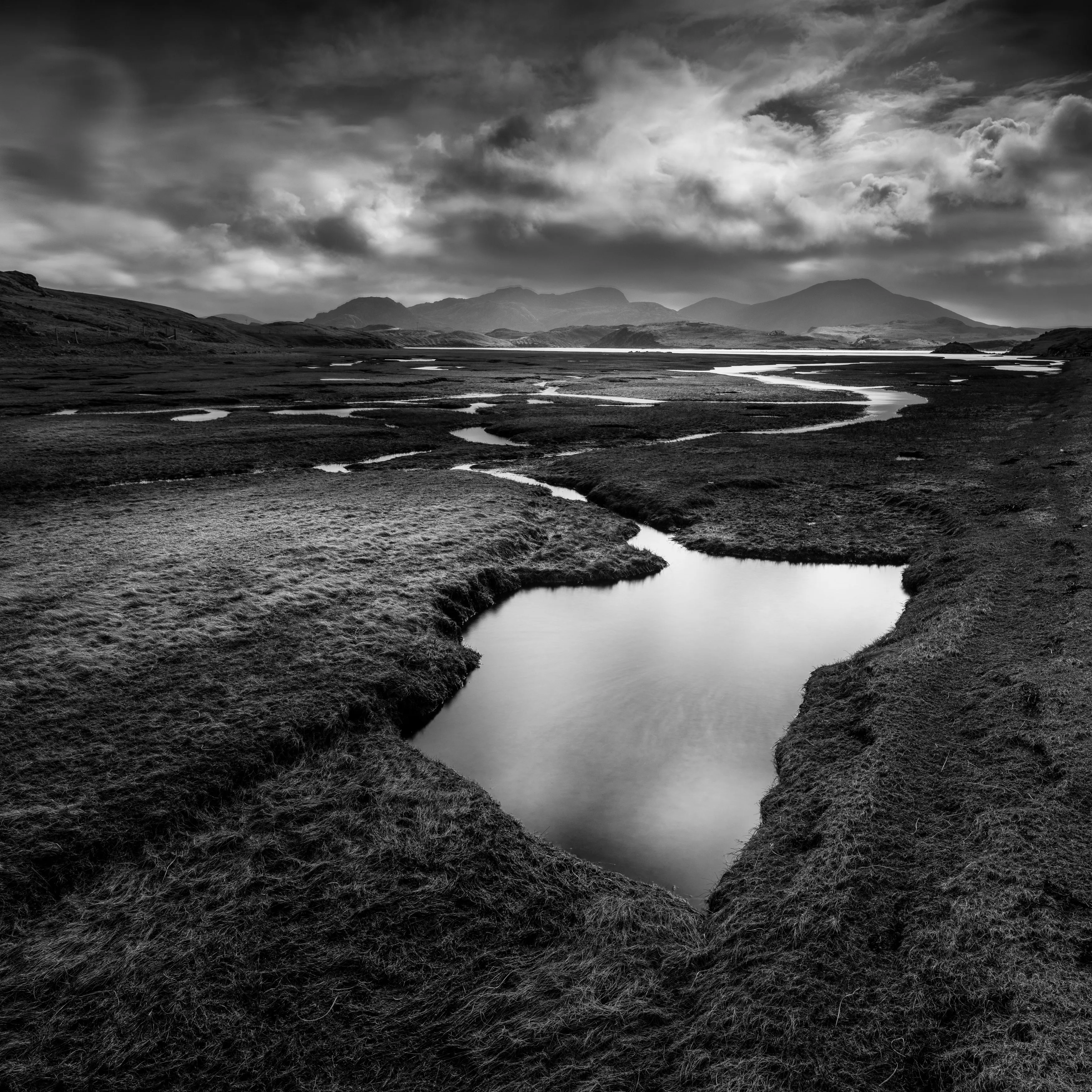
Looking for a way to soothe his agitated mind, Paul bought a copy of Joe Cornish’s book First Light and paired it with a 5×4 camera. ‘I thought, I’m going to become a landscape photographer because that’s nice and slow,’ he laughs. ‘I visited a number of locations in the book, and I tried to photograph them in a similar way to Joe, only in black & white.’ Photographing in colour was never going to be an option. ‘I find colour more jarring and nerve jangling than black & white,’ he says. But despite his best efforts, Paul just couldn’t find a way in. ‘The versions I made left me cold,’ he explains.
Lightbulb moment
The eureka moment came when Paul started experimenting with long exposures. ‘Working like this slowed me down and I became much more open,’ he smiles. Instead of imprinting his own ideas on the landscape, Paul allowed his surroundings to gently guide him. Around the same time, he had a major breakthrough with his therapist. ‘She said to me, “You come here and tell me what you think I want to hear. If I ask you how you’re doing, you say you’re fine when obviously you’re not,”’ he recalls. ‘”I want to approach you through something you communicate a lot through, photography.”’ When she placed some of his pictures in front of him, Paul found it easier to talk candidly about how he felt.
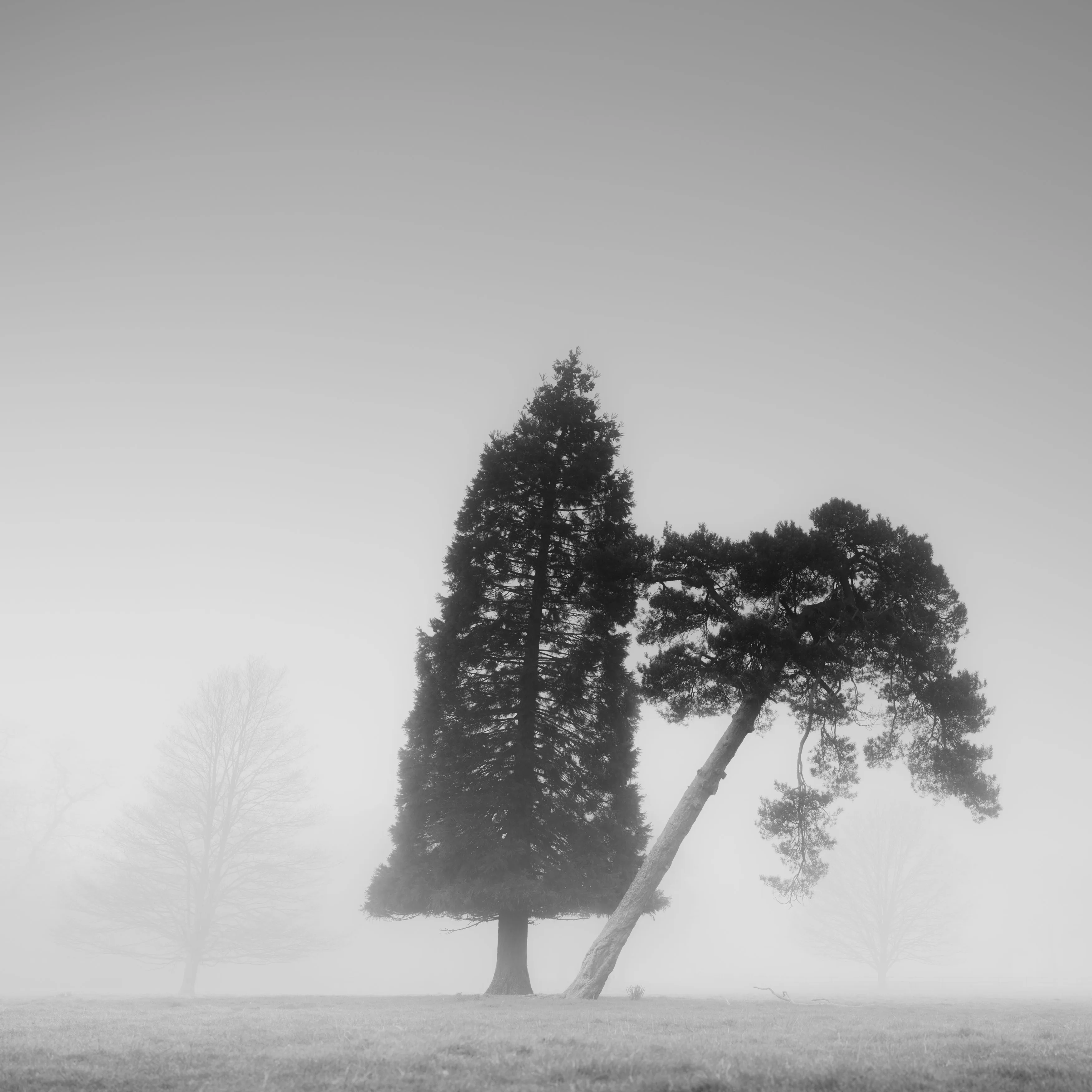
Minor White once claimed, ‘All photographs are self-portraits’, and Paul began to believe this might be true. ‘Some of the things I was photographing were broken and falling apart,’ he recalls. ‘They seemed to reflect where I was at the time.’ On the flip side, some of the pictures radiated calm and serenity – the exact feelings he craved. Realising that he could express his emotional state via photography proved to be a turning point for Paul. ‘The more I looked at things, the more I saw myself reflected back at me,’ he explains.
Celebrating imperfection
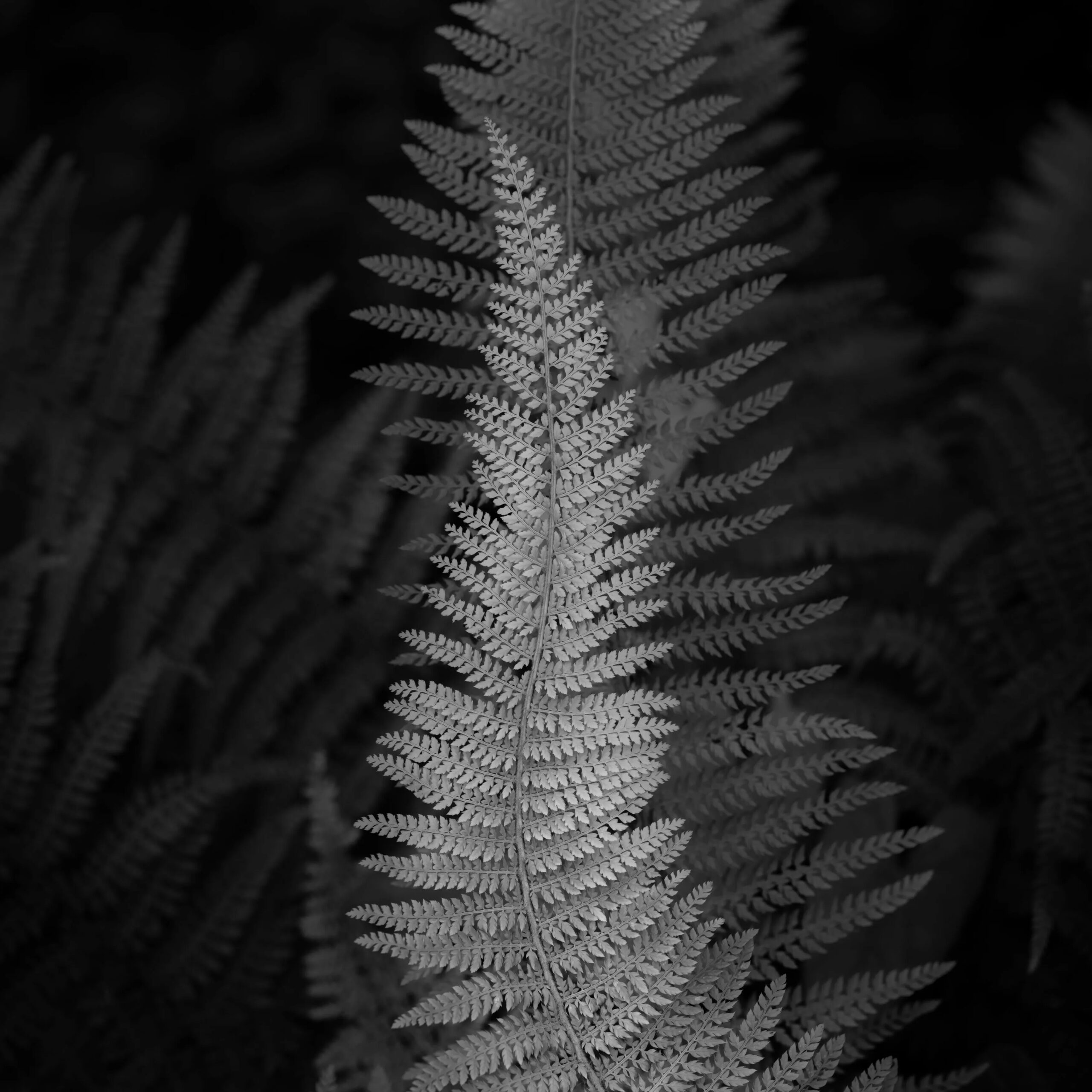
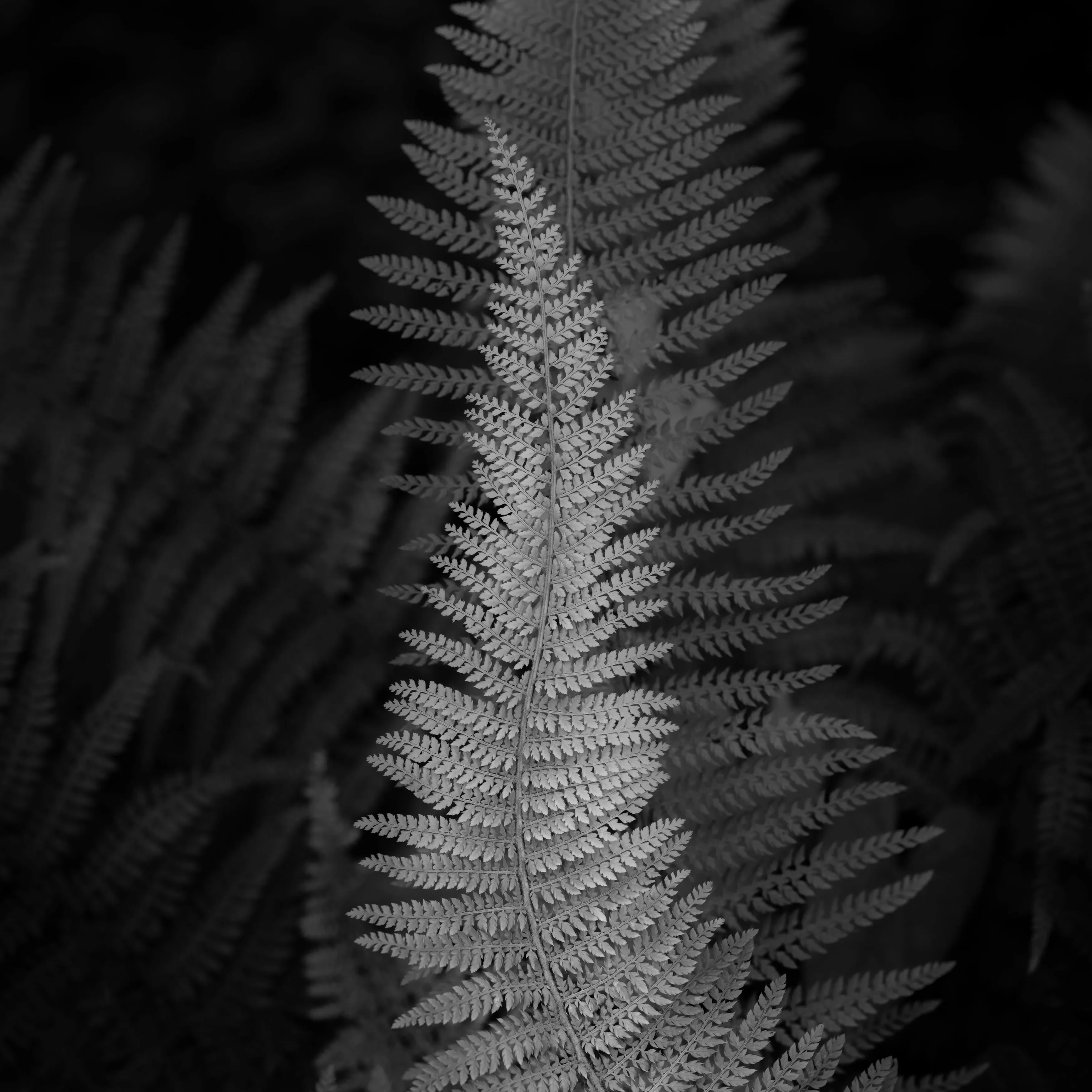
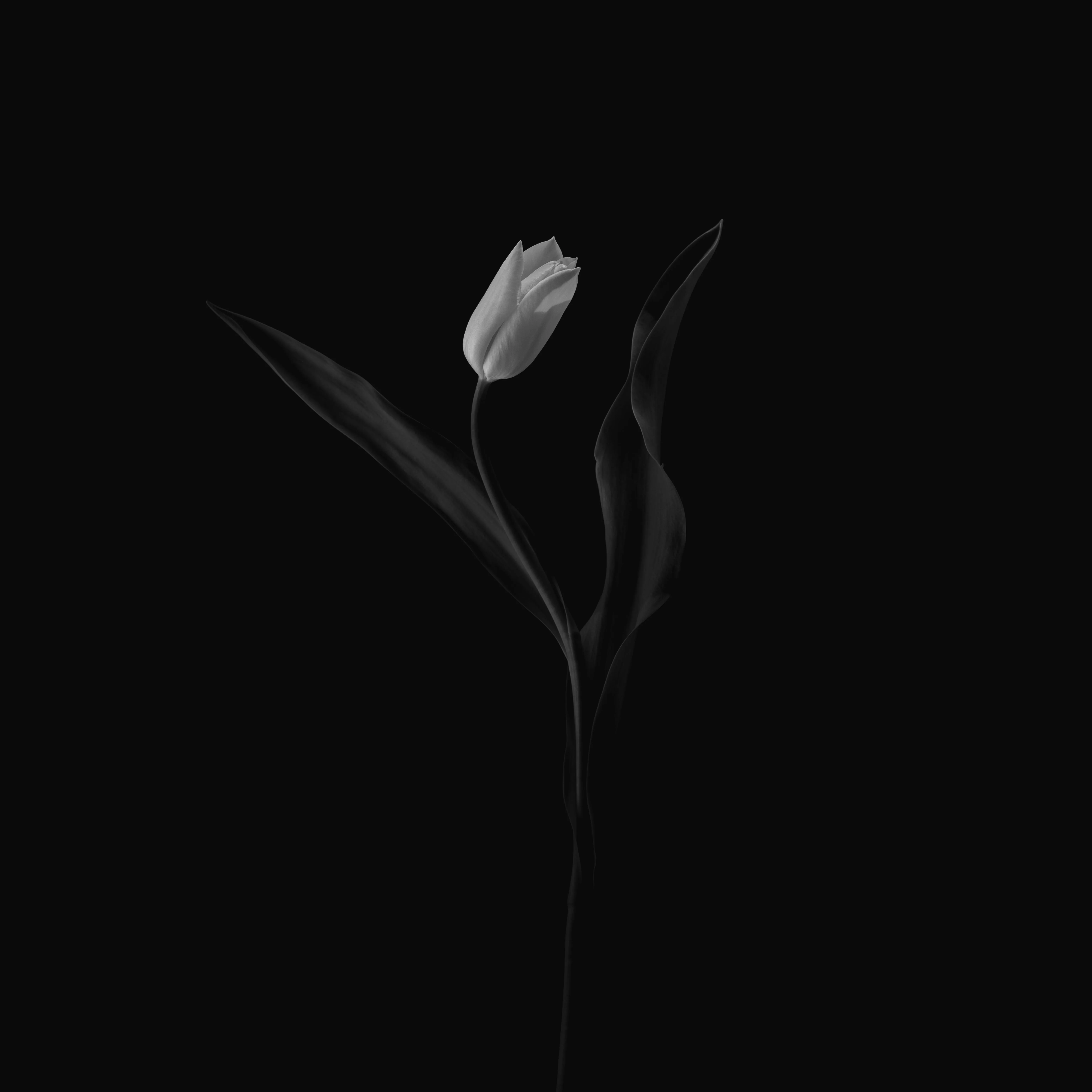
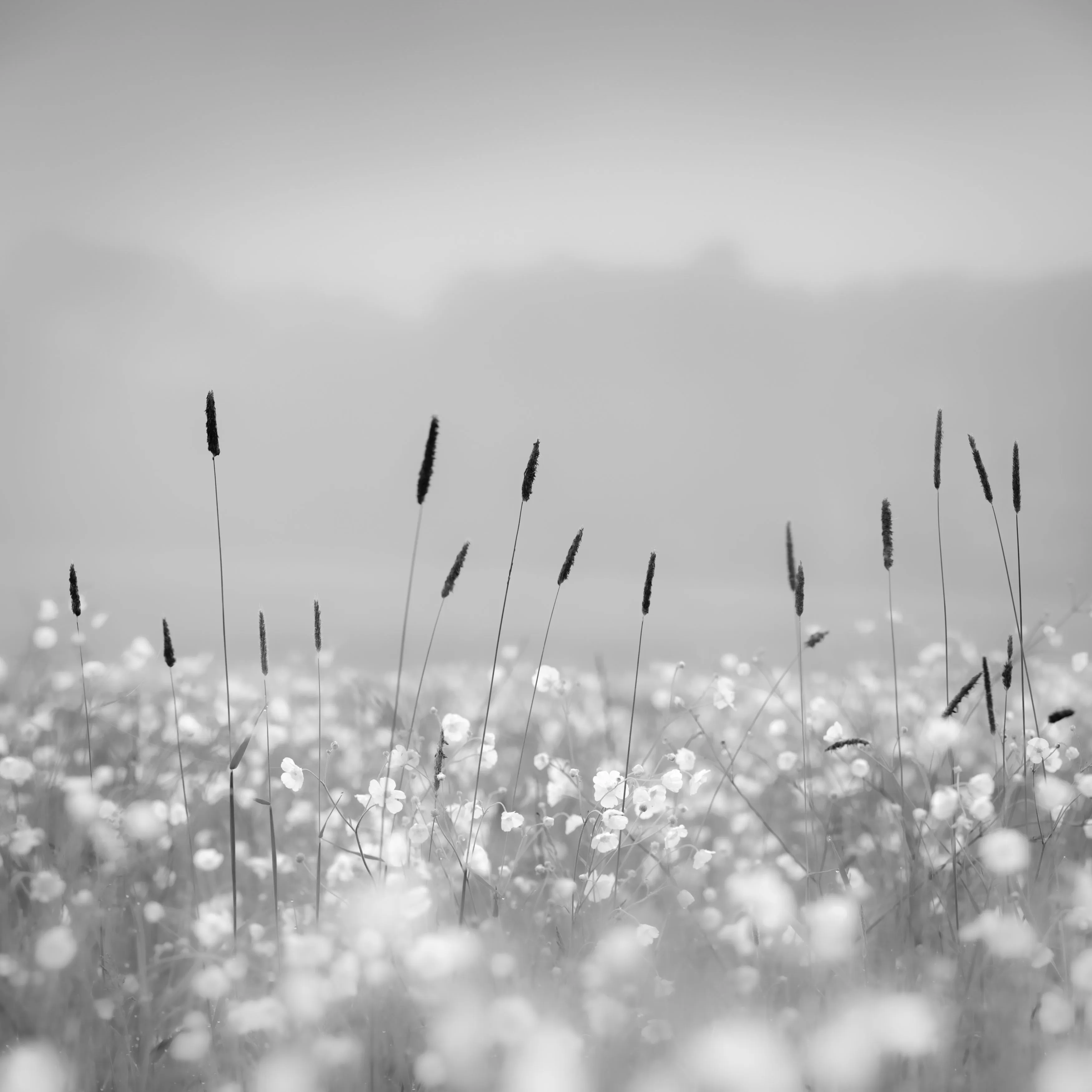
Working with his therapist, Paul began to reconnect with the world, finding beauty in small details: the gnarly branches of a tree or the skeletal structure of a leaf, for example. Around the same time, he also started photographing flowers. ‘I would look at a tulip and see it was feeling woeful,’ he suggests. Sometimes, he would spend long periods of time observing a plant without taking any pictures. ‘It was more about awareness and noticing,’ he says. ‘It was about arriving in a space, feeling grounded and appreciating the beauty in front of me.’
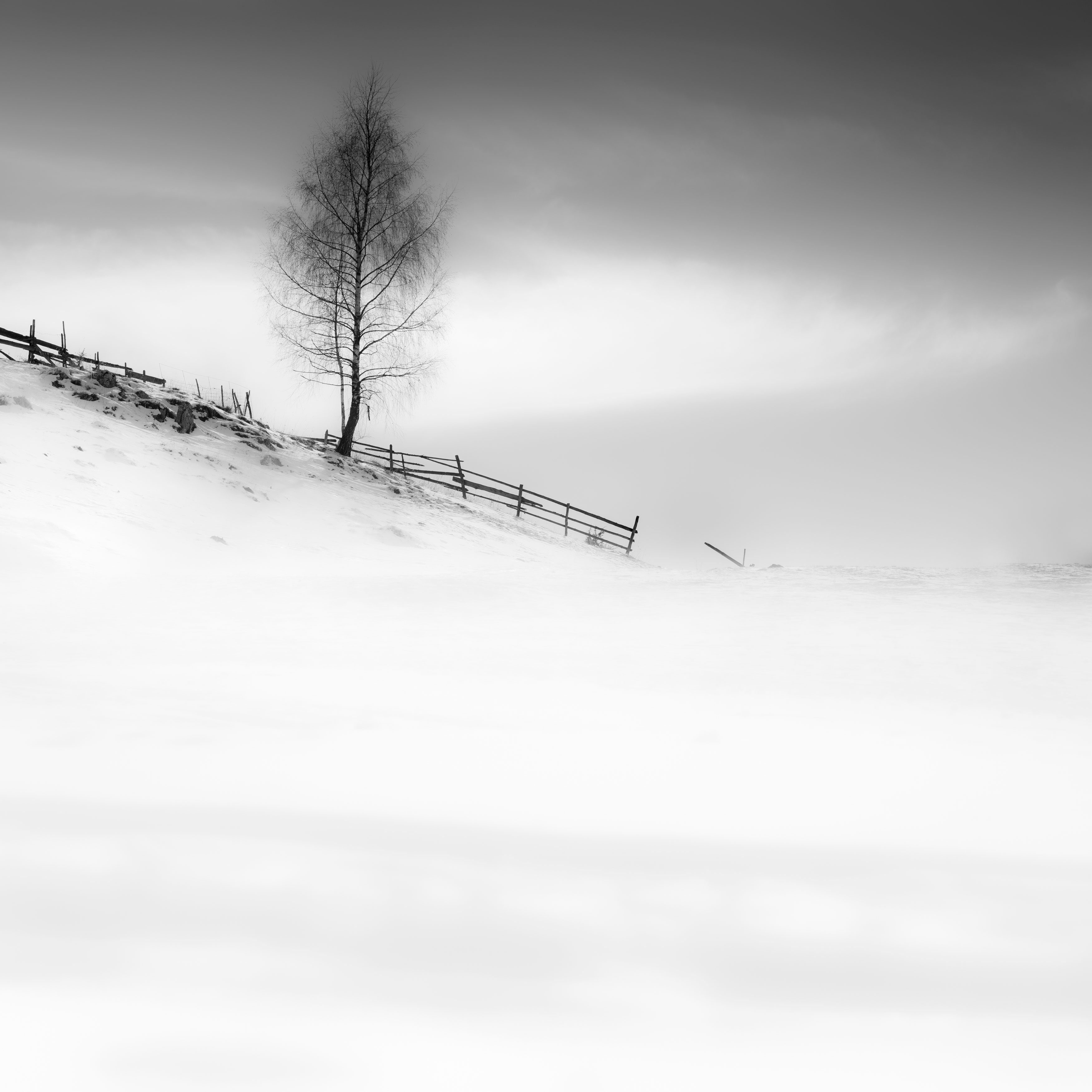
Often this beauty came in the form of imperfections. Through his lens, Paul celebrated the fading glamour of a windblown poppy or the contorted form of a pepper. ‘I think my style of photography is an appreciation of imperfect nature,’ he smiles. ‘I’m drawn to things that are a little bit ugly, misshapen or broken.’ For Paul, imperfection equates to personality and tension, which in turn make a picture more interesting. ‘[Photography can] help us slow down, pay attention and notice more, so we suddenly see something that only we could ever have noticed, at that particular time and place,’ he adds.
Emotional response
Having spent years trawling through pictures destined for newspapers and news agencies, Paul is now relishing the opportunity to make photographs just for himself, no deadlines, no agenda and no rush. Each picture is an emotional response to what he finds in front of him, whether that be a seascape, a floral arrangement or a crushed paper cup. ‘Whatever you choose to photograph, however you photograph it and whatever tool you use, it’s okay,’ he assures. ‘You will evolve as a photographer; you will see different images and you will warm to different subjects. Just know that what you are photographing in this moment is right for you. It’s enough. And, ultimately, you are enough.’
Still by Paul Sanders (published by Ilex, a division of Octopus Publishing Group Ltd) is available now. To find out more, visit www.discoverstill.com.
Paul’s tips for mindful photography
Mind your language
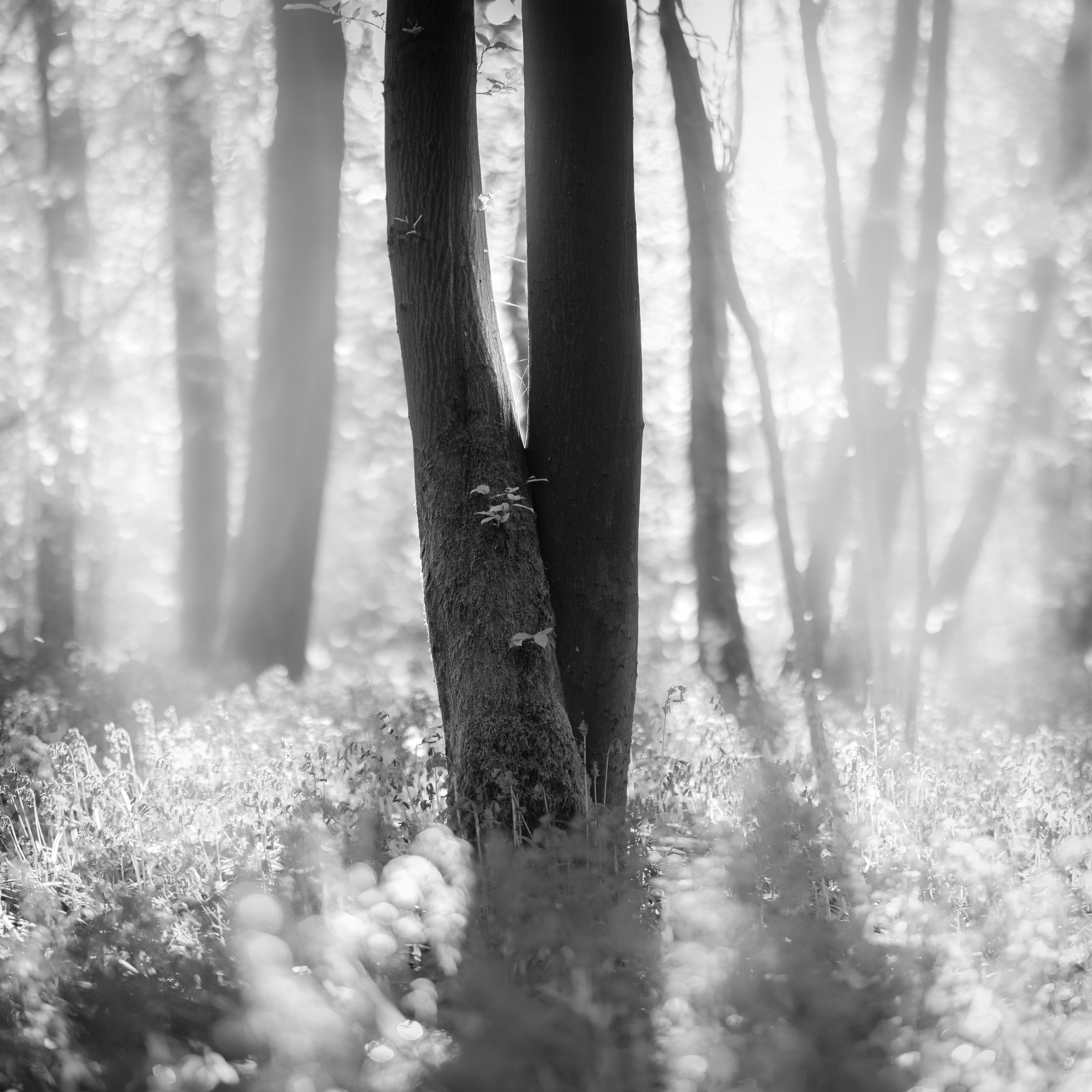
Some of the language we use around photography is quite aggressive, we ‘take’ a picture, ‘capture’ a scene or ‘shoot’ a subject. It can help to soften this language and use words like ‘receive’ and ‘collaborate’.
Embrace the space
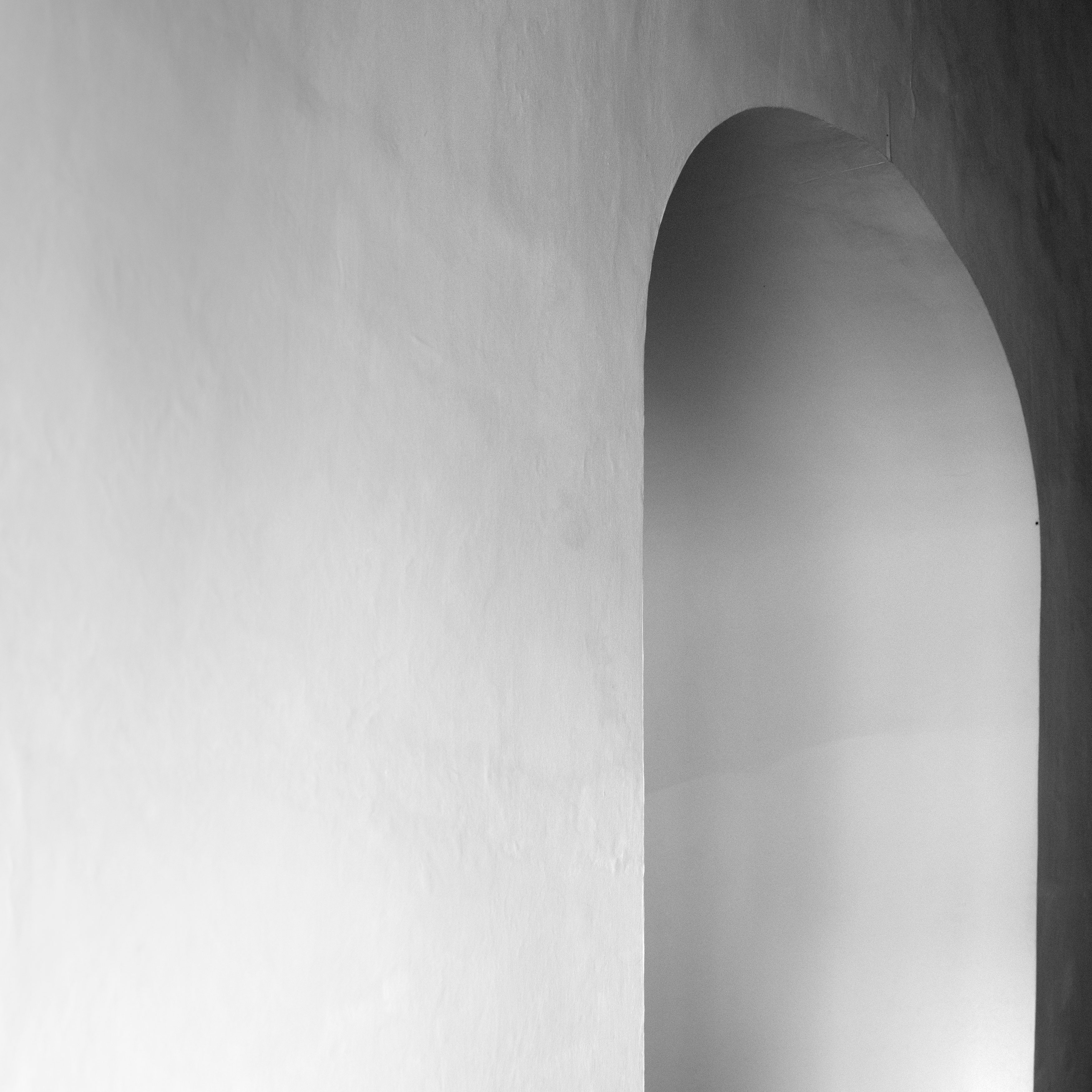
We often try to say too much with our photographs: we have a mountain, a tree, a unicorn galloping through the fields in the background. Keep it simple and allow the subject room to breathe. Decluttering the frame will help you make your point.
Use all your senses
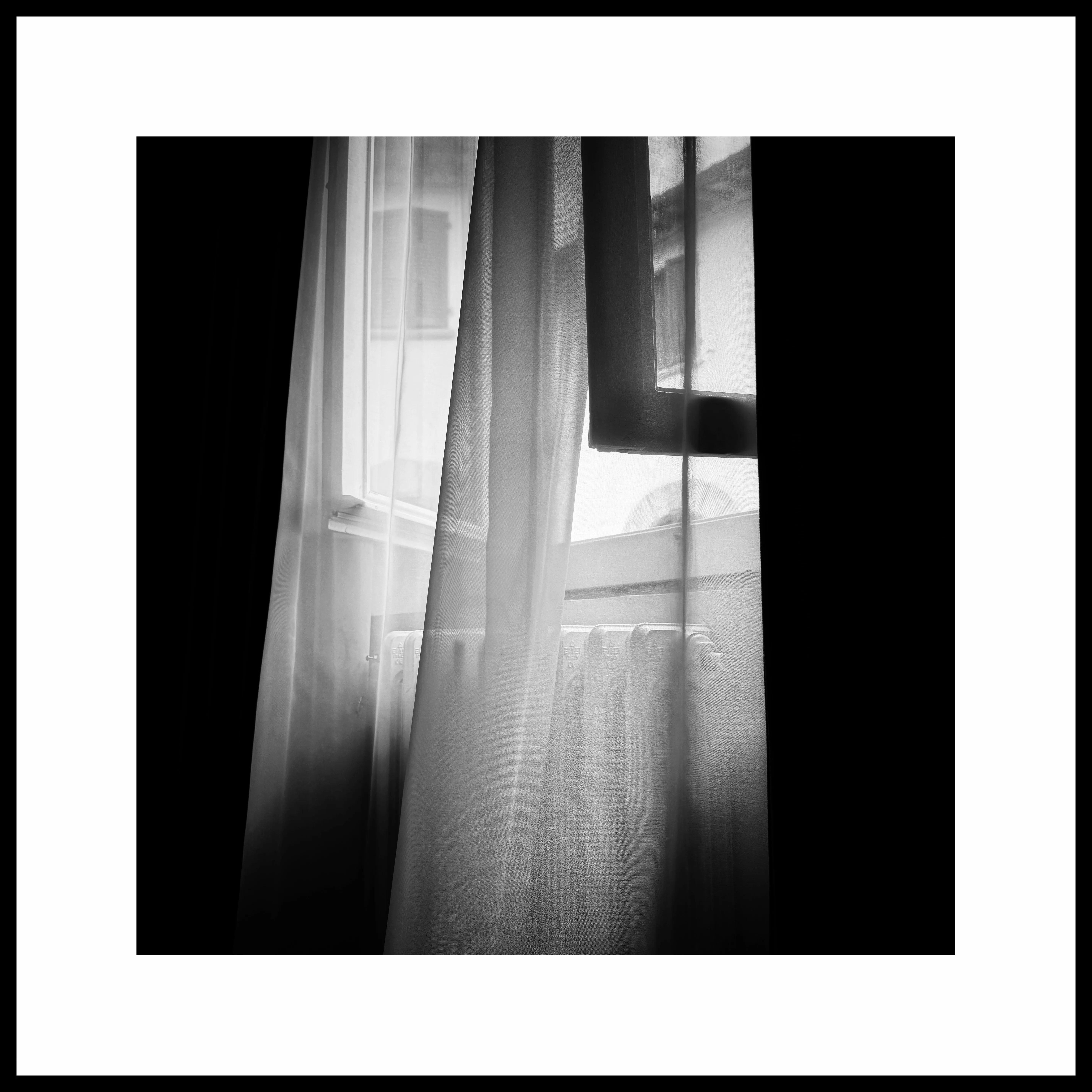
Sit without a camera, close your eyes and pay attention to all your senses. What can you see? What can you hear? What texture is the ground under your feet? Are you hot or cold? Is there anything on the air that you can taste? Be fully present.
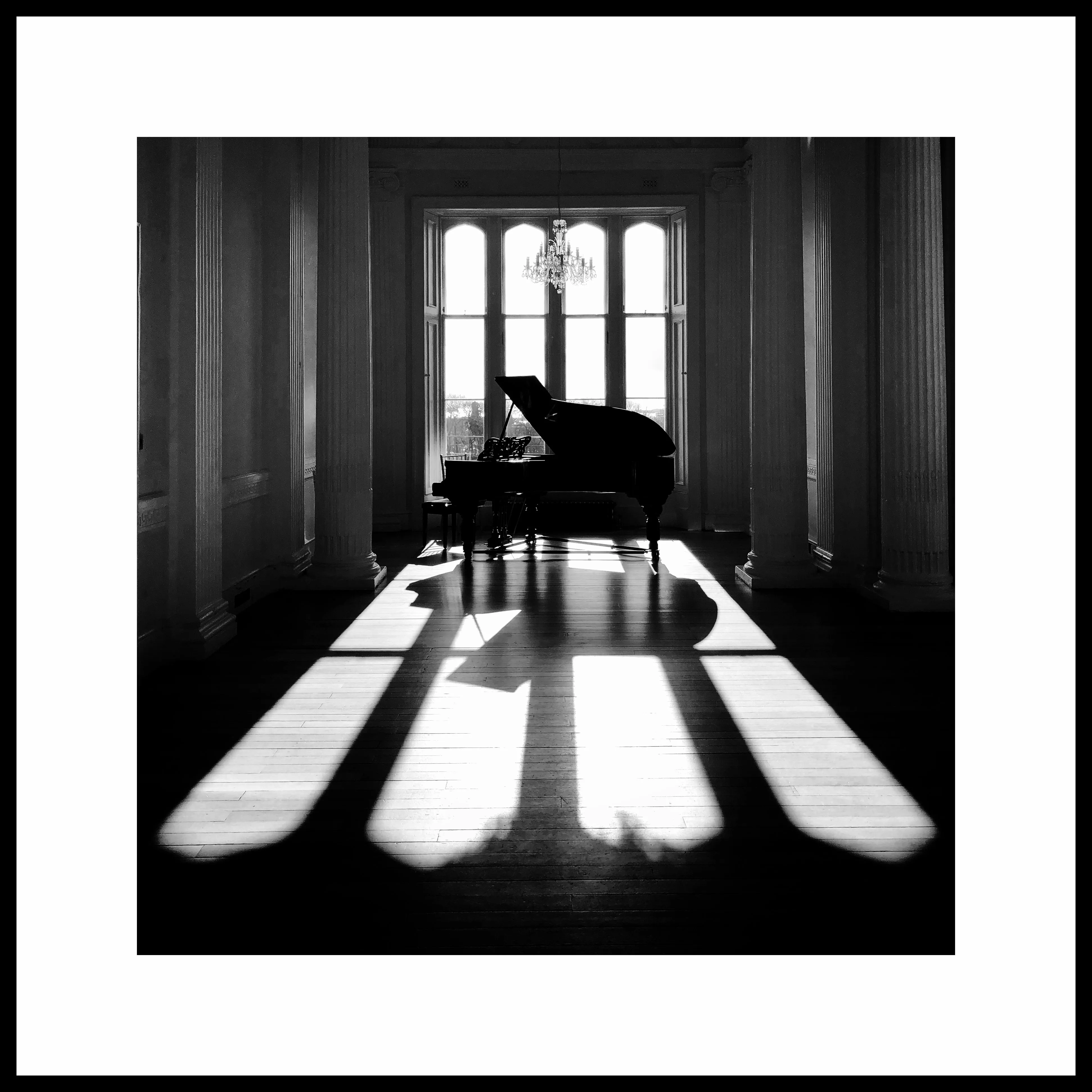
Enjoy the process
Photograph what you enjoy, not what you think will appeal to others. If you don’t get loads of likes on social media, that’s fine. I use Instagram as a journal, noting what comes into my head at the time of making the photograph.
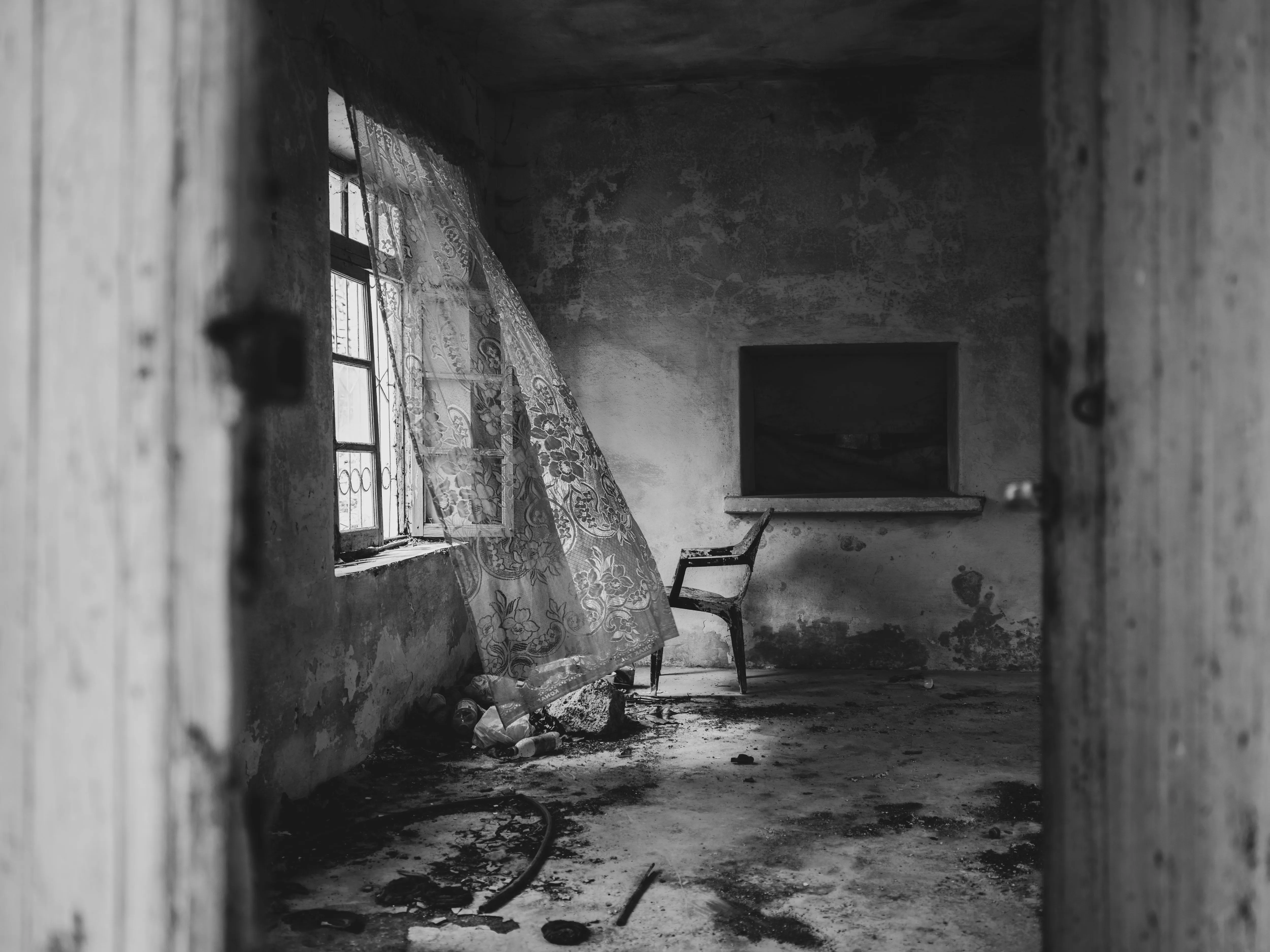
Stop people pleasing
A great photograph encourages the person viewing it to think or feel something, but this shouldn’t be your main goal. Concentrate on communicating your emotional response to the subject rather than looking for validation.
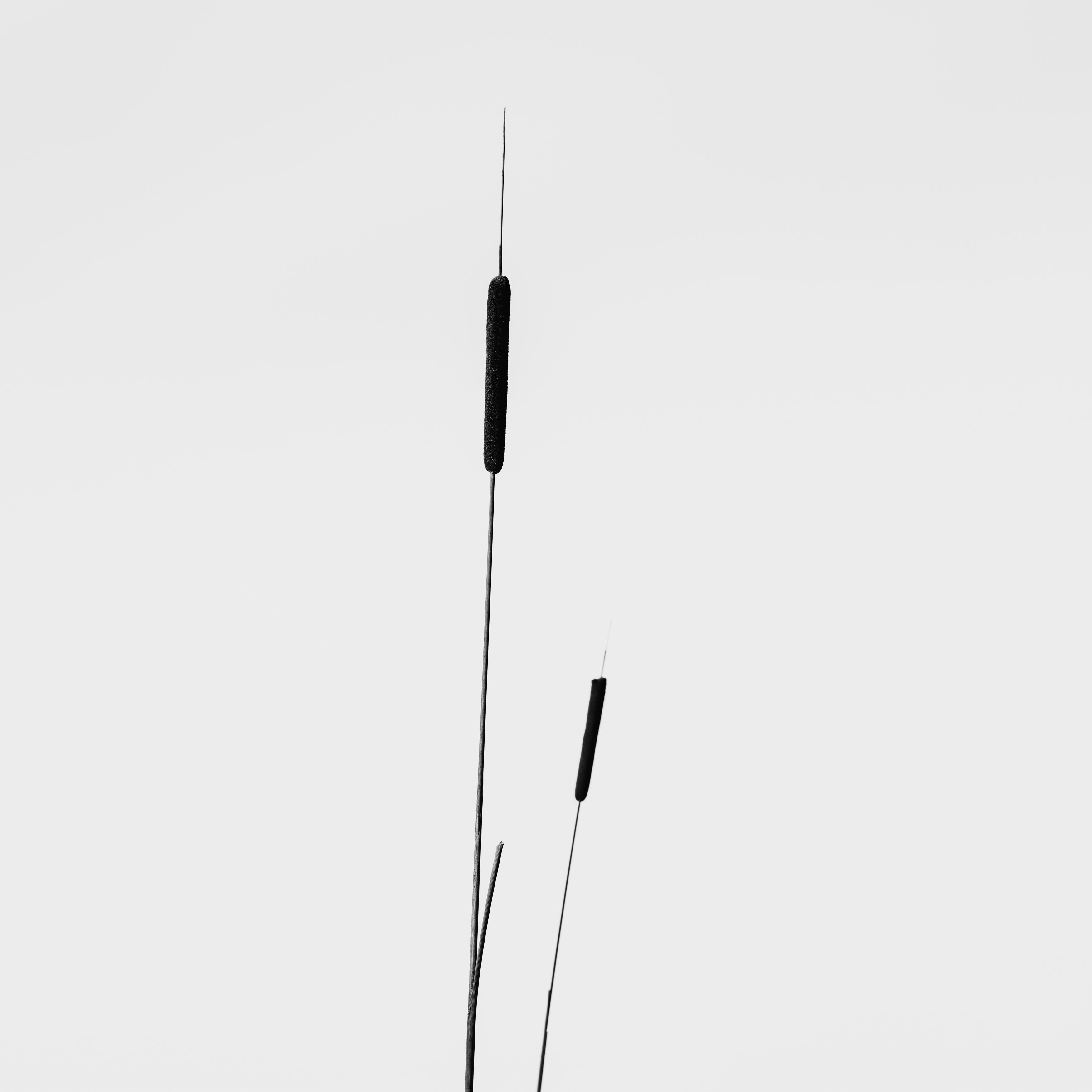
Celebrate imperfection
There is beauty in imperfection: dying flowers, wrinkles on a face or a broken fence all offer unique opportunities for photography. Beauty often lies in things that are broken, transient or faded.
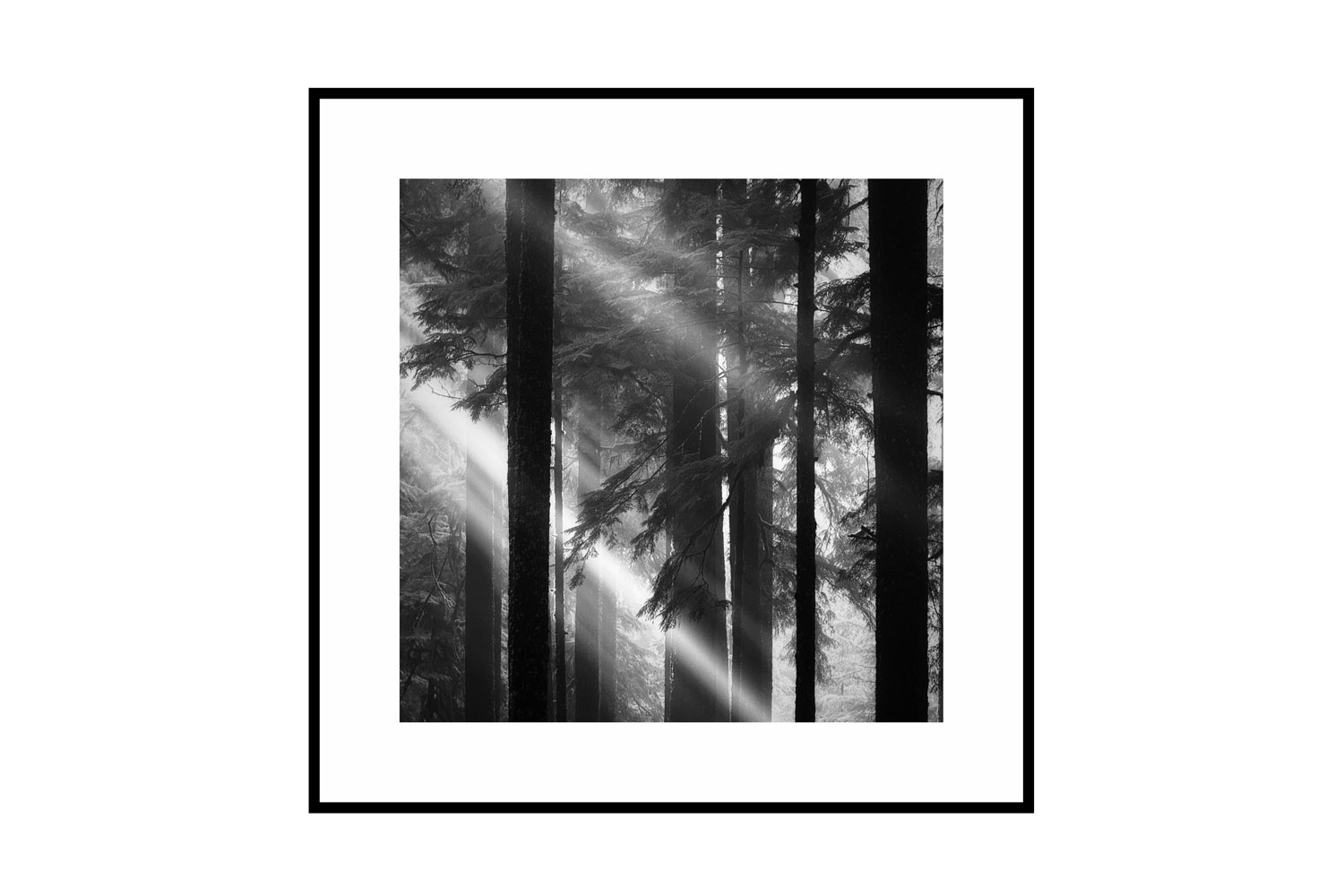
Equipment
‘Some people buy cameras that are too advanced for them because they want to appear semi-professional. They hang a big lens over their shoulder because they want to look like they know what they’re doing. But if you look back at some of the great photographers in history, they didn’t have a bag full of lenses, they had maybe one or two. Using one lens challenges you to solve many of the problems that arise in photography.’
If you are suffering from a mental health crisis, help is available in the UK from The Samaritans by calling 116 123, or sending a text to Shout 85258 (24/7). In the USA, you can contact The 988 Suicide & Crisis Lifeline (simply dial 988).
Related reading
- How can mindfulness help your photography?
- Stop trying to be the best photographer and settle for what makes you authentic
- Think you’re too old to start a big project? Nothing local to photograph? You’re wrong!
Follow AP on Facebook, Instagram, YouTube and TikTok.