

We compare the best monochrome cameras around from budget to the best


Jon Stapley lists the best cameras for black and white photography. Here’s the kit you need for unforgettable, dramatic monochrome images.
Monochrome photography is a unique discipline, full of its own special challenges and rewards. For those committed to shooting in this style, it makes sense to select a camera suited to it. The priorities for selecting one for black and white photography are different from those for shooting in colour.
Manufacturers are well aware of the popularity of monochrome, and have adapted their cameras accordingly with dedicated black and white modes. Indeed, some have gone the whole hog and brought out cameras that only shoot in black and white. All in all, there are lots to choose from.
This guide will help you navigate the world of black and white cameras and find one that’s right for you. Note that we’re only dealing with digital models here. For shooting black and white analogue images, check out our best film guides. To learn how to shoot great black and white images, read Will Cheung’s complete guide to black and white photography that explains everything you need to know about capturing the world in monochrome.
All the cameras on this list are perfect for creating striking, dramatic black and white images, whether you capture them in-camera or want to convert the images later in software.
Amateur Photographer verdict
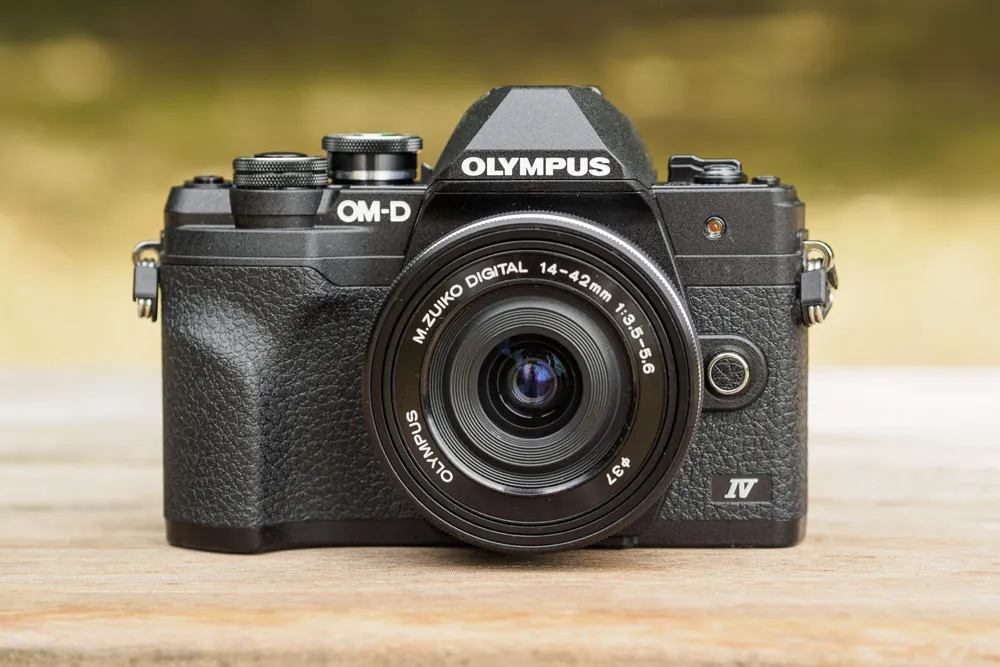
The Olympus OM-D E-M10 Mark IV is an easy to handle entry level camera that’s also an affordable option for black and white photographers.
- Small and portable
- Affordable price tag
- Excellent monochrome JPEG quality
- Smaller sensor affects dynamic range
- Aging autofocus system
Specifications at a glance:
| Camera type | Mirrorless |
| Sensor | 20MP Micro Four Thirds |
| Continuous shooting | 15fps continuous shooting |
| ISO | ISO 80 – 25,600 (extended) |
| Focus points | 121 autofocus points |
For an affordable route into monochrome photography, we’d definitely recommend the Olympus OM-D E-M10 Mark IV. It’s a Micro Four Thirds camera, meaning there are loads of lenses to choose from, just as with the Lumix GX9 above. Despite its small size and relatively beginner-friendly price, the E-M10 Mark IV packs in plenty of features that see it punching above its weight, such as highly effective 5-axis stabilisation, Live Composite mode for long exposures, and more.
Monochrome-wise, the E-M10 Mark IV offers in-camera Monochrome picture modes, with the option to add colour tints as though you were using a physical filter. For images with a bit more pop, you can also use Olympus’s digital Art Filter modes in monochrome. Give images a bit more punch with the Dramatic Tone Art Filter, or add a bit of grain for a film effect – it’s all there to play with.
Read our Olympus OM-D E-M10 Mark IV review.
Best for street photography
Best black and white camera for street photography: Ricoh GR IV
Amateur Photographer verdict
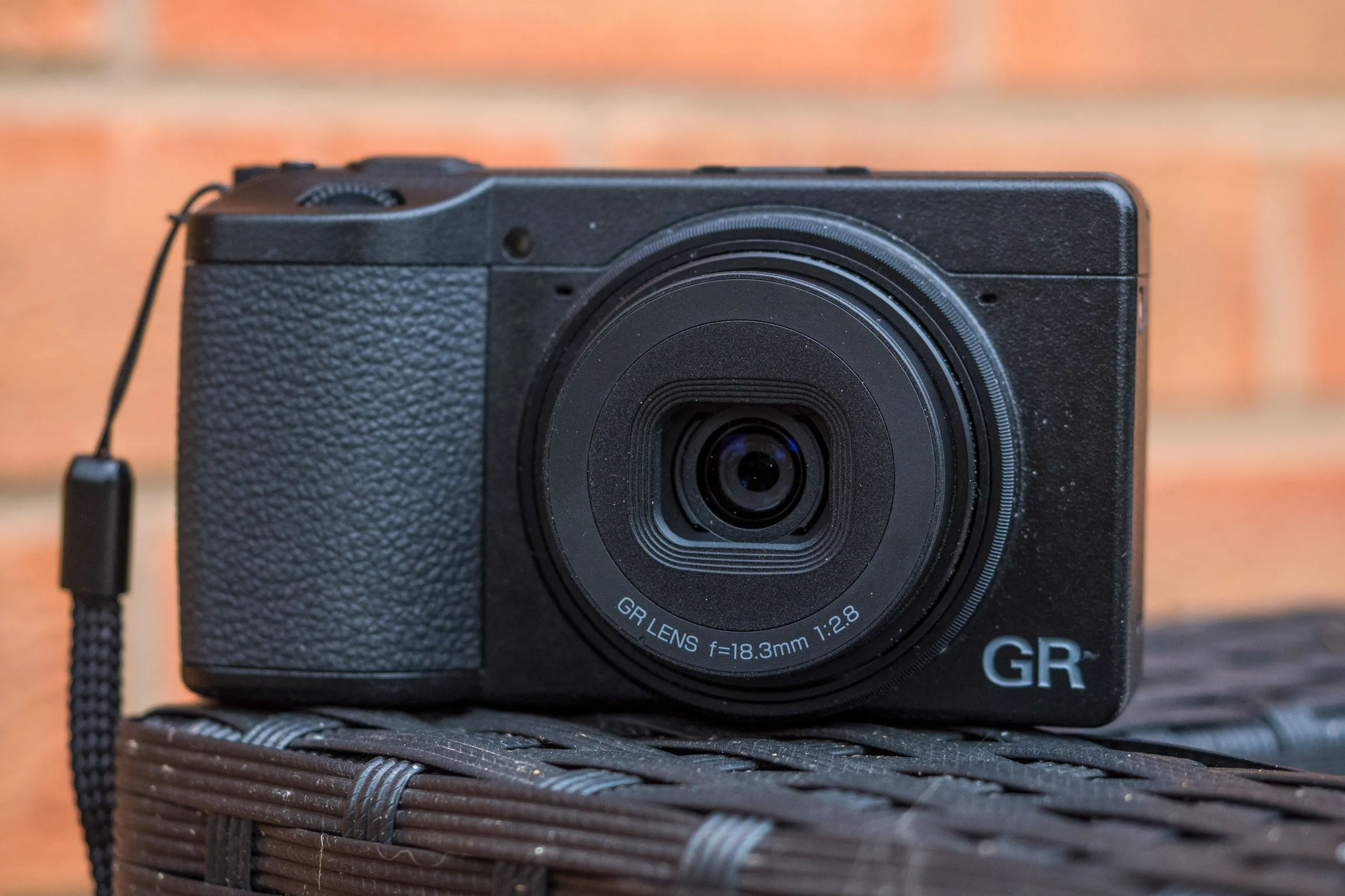
The Ricoh GR IV is designed for street shooting, for taking everywhere with you, and for capturing instantaneous moments – and it’s ideal for dramatic, black and white photos.
- True pocket-friendly dimensions
- Excellent image quality
- Fast start-up time
- Discreet design
- Fixed LCD and no viewfinder
- Lower resolution than rivals
- Micro SD card storage
Specifications at a glance:
| Camera type | Compact |
| Sensor | 25.7MP APS-C sensor; f/2.8 (28mm equivalent) lens |
| Continuous shooting | 4 fps burst shooting |
| ISO | ISO 100-204800 (standard) |
| Focus points | Hybrid phase/contrast detection autofocus system |
The Ricoh GR IV is a photographer’s camera. It’s designed for street shooting, for taking everywhere with you, and for capturing instantaneous moments – and as such, it’s ideal for dramatic, black-and-white imagery. It has excellent dynamic range, which also helps for monochrome shooting, and its fixed 28mm equivalent f/2.8 lens is versatile in a host of situations.
One thing to be aware of is that the GR IV has no viewfinder, and also no means of attaching one. You have to be comfortable composing with the rear screen. Also, as we mentioned in our review, its autofocus can sometimes hunt in low light.
If 28mm is too wide for you, then consider also the Ricoh GR IIIx. It’s essentially an identical camera that has a 40mm equivalent lens. You can read our full, in-depth review below to learn more about it.
Our review of the Ricoh GR IV
Our review of the Ricoh GR IIIx