

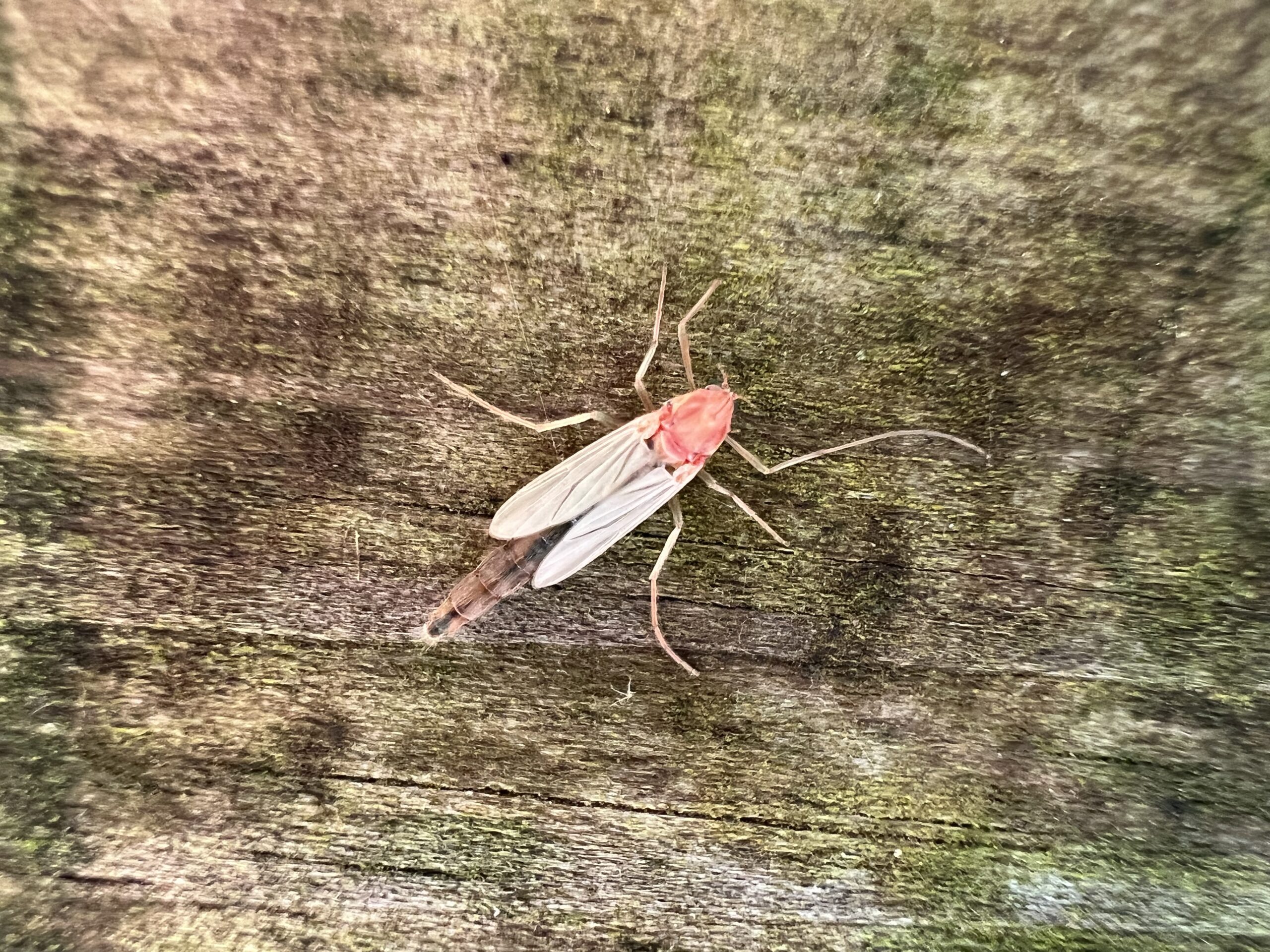
In 2021, my relationship with iPhone photography changed in a flash. While ambling around a local wildlife reserve, testing the then-new iPhone 13 Pro Max, I tried to capture some wood grain on a bridge. Instead, I accidentally shot a tiny bug I hadn’t even noticed. The new macro mode had kicked in, revealing a minuscule creature staring back at me like I’d interrupted its day.
From that moment, I was hooked. As much as I’ve welcomed steady improvements to the iPhone’s main camera and the slow, steady march of the telephoto lens on the Pro models, it’s the macro mode that most often surprises me with the unexpected.
It’s been great to see this mode reach a wider audience. After a few years, macro trickled down to non-Pro devices. The iPhone 16’s 12MP ultra-wide essentially matched my 13 Pro Max’s macro game. The iPhone 17 then dialled things up further with a 48MP ultra-wide that captures ridiculously detailed close-ups that I spend far too much time gawping at on my iMac. (Clearly, now firmly in middle age, I’m making up for having never owned a microscope as a kid.)
But then, for me, this gets to the heart of iPhone photography: that sense of possibility. I love pointing my iPhone at the world and discovering something new. However, that magic is tied to having options. Even the standard iPhone gives everyone multiple lenses and therefore varied and interesting ways to frame a moment or capture a space, all in a single pocketable device. Which is exactly why the iPhone Air leaves me cold.
Apple’s slimmest-ever iPhone is built on compromise. To stop the battery quickly conking out, it takes up most of the wafer-thin body. The phone’s brains have therefore been shifted into the camera bump (or ‘plateau’ as Apple calls it). The result: less room for things you’d expect on a modern phone. There’s only a single speaker – something we’ve not seen on a new iPhone since 2016’s iPhone SE. More importantly, there’s only one camera.
Sure, Apple specs state the Air has a 2x optical zoom, just like the standard iPhone 17. But in reality that’s a 12MP crop of a 48MP image. There’s no true telephoto lens in there. Worse, there’s no ultra-wide either.
When I spend time with the iPhone 17, I find myself missing the telephoto on my iPhone 16 Pro Max, which I switch back to often. But being limited further, to a single standard snapper? That feels like a leap backwards. And while I’ve loved iPhone photography since the days of the iPhone 3G, I’ve loved it a whole lot more since my phone let me explore tiny details up close, uncovering hidden worlds and textures in everyday life. Without that, the Air feels less like a tool for creative discovery and more like hot air.
Related reading
- Why I think iPhone is a game changer for photography (and always has been)
- The 10 most significant iPhones ever released and how they changed photography
- I compared photos taken on my iPhone with my £4000 mirrorless camera, and was shocked
The views expressed in this column are not necessarily those of Amateur Photographer magazine or Kelsey Media Limited. If you have an opinion you’d like to share on this topic, or any other photography related subject, email: ap.ed@kelsey.co.uk.