




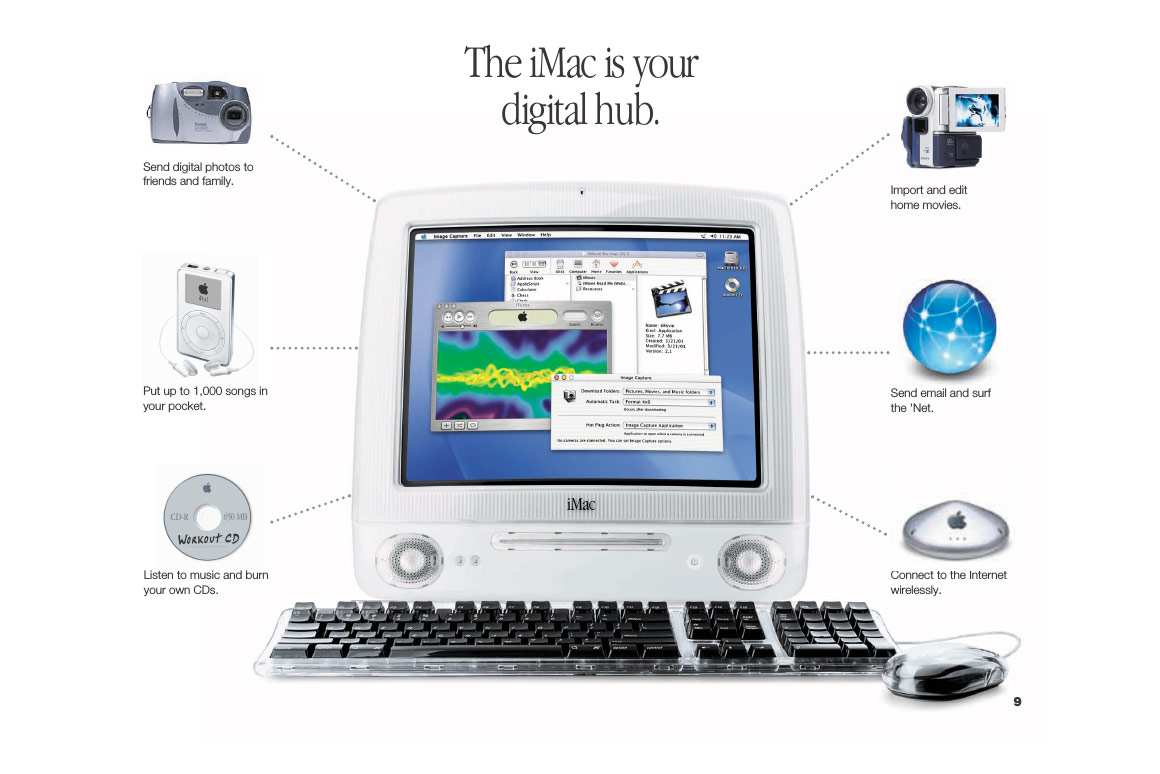
Photography was shifting from being a standalone activity to a component of a wider digital ecosystem. Today, the ‘digital hub’ has shrunk from a desktop computer to a tiny one inside your pocket, but the idea remains the same.
iPhoto (2002)
Again, iPhoto wasn’t the first of its kind. But it was the first digital photo management software to feel truly consumer-friendly. It made importing, organising and editing photos simple. Moreover, sharing was straightforward too, whether via email, online galleries or printed books you designed in the app.
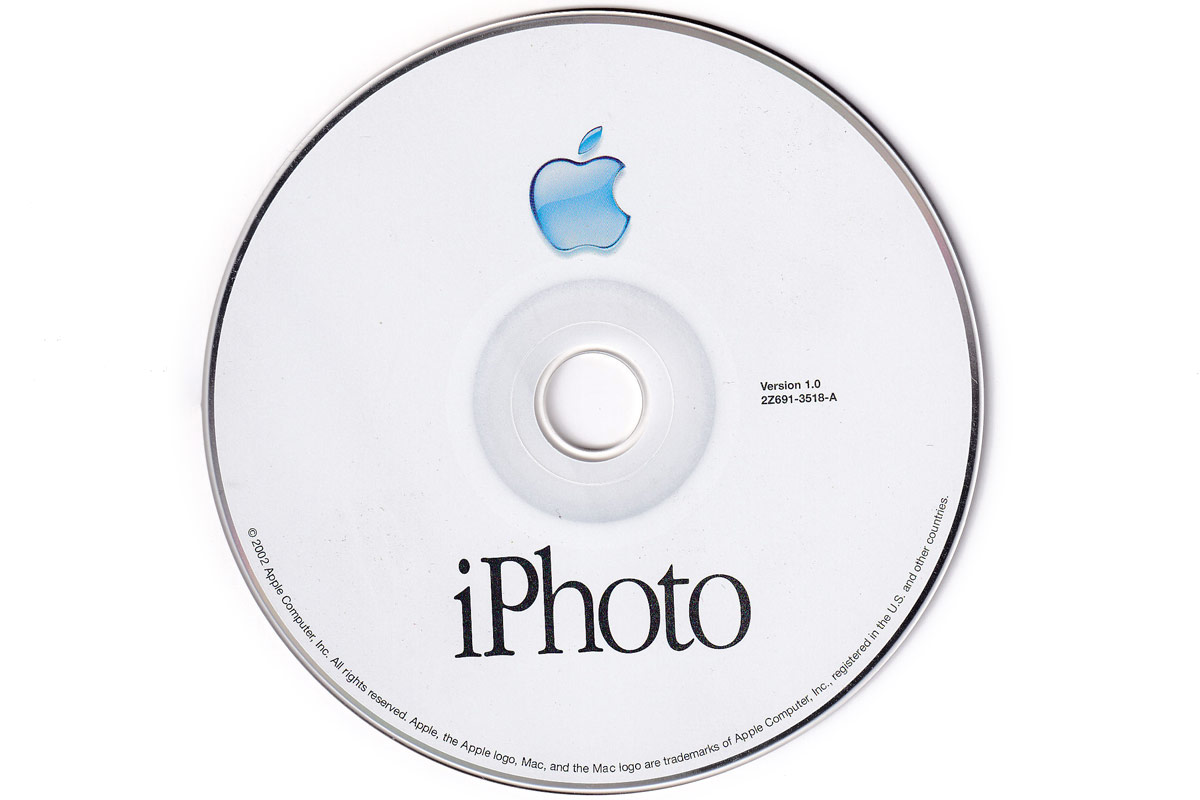
Pros grumbled that the retouching tools were limited – and some were. But that missed the point. iPhoto was all about lowering the barrier to entry and making photo management something that anyone could do.
iPod Photo (2004)
A music player might seem an odd photography milestone, but the iPod Photo introduced something quietly transformative to the line: a colour screen. Paired with Apple’s seamless Mac integration, it planted the idea that your entire photo collection should travel with you, rather than being stuck on a computer at home.
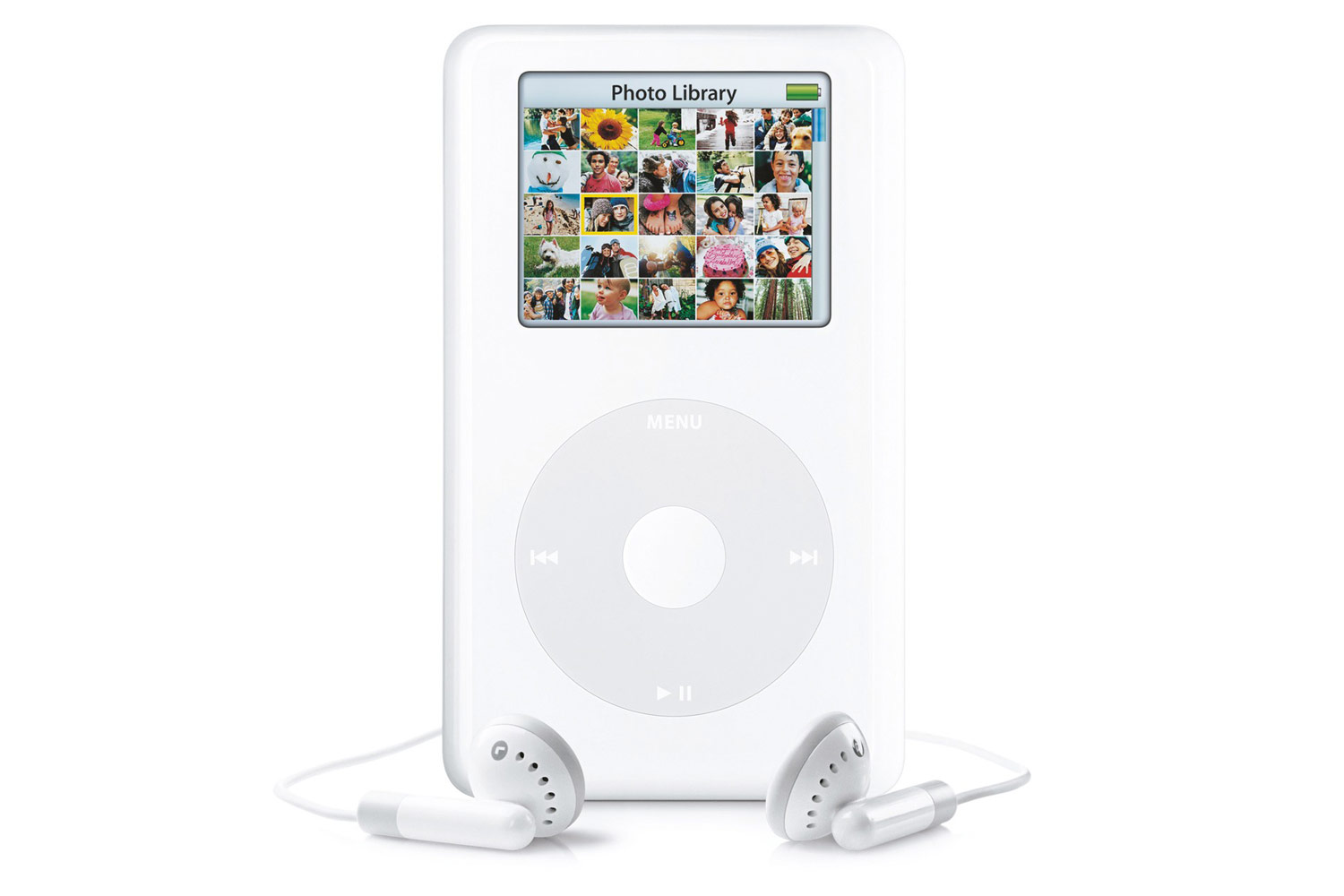
The tiny 220×176px display wasn’t exactly gallery quality, but the fact your memories were portable more than made up for that. And if you fancied seeing them on a bigger screen, it was simple to connect this iPod to a TV and play your favourites as a slideshow.
iPhone (2007)
Steve Jobs wowed the world when he unveiled three products – a widescreen iPod with touch controls, a revolutionary mobile phone, and a breakthrough internet communicator – that were actually one: the iPhone. The camera wasn’t one of those three listed ‘products’, but it didn’t matter.
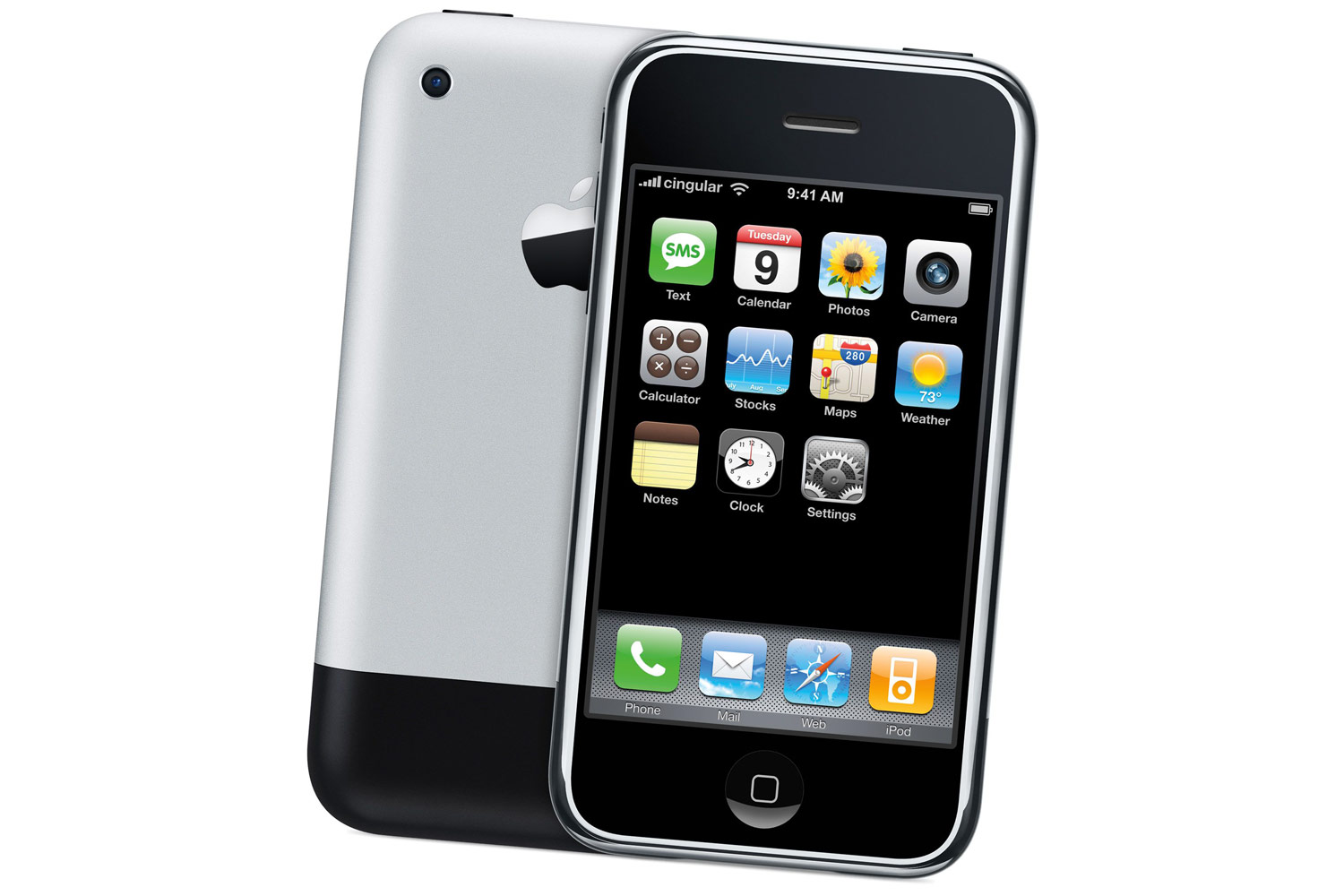
Almost instantly, the iPhone camera became phenomenally popular. Because while it wasn’t the best, it was – for millions of people – the most convenient. In being able to capture, edit and share using one device, friction was eliminated. And as other platforms caught on, ‘the best camera is the one you have with you’ fast became reality for anyone with a smartphone.
App Store (2008)
The iPhone made smartphone photography popular. The App Store made it explode. Suddenly, a huge range of powerful specialist tools was in everyone’s pocket, from fun filters to pro-grade editors. Many developers released camera apps of their own. Some had manual tools. Others offered a more experimental approach, evoking film or toy-like multi-shot cameras.
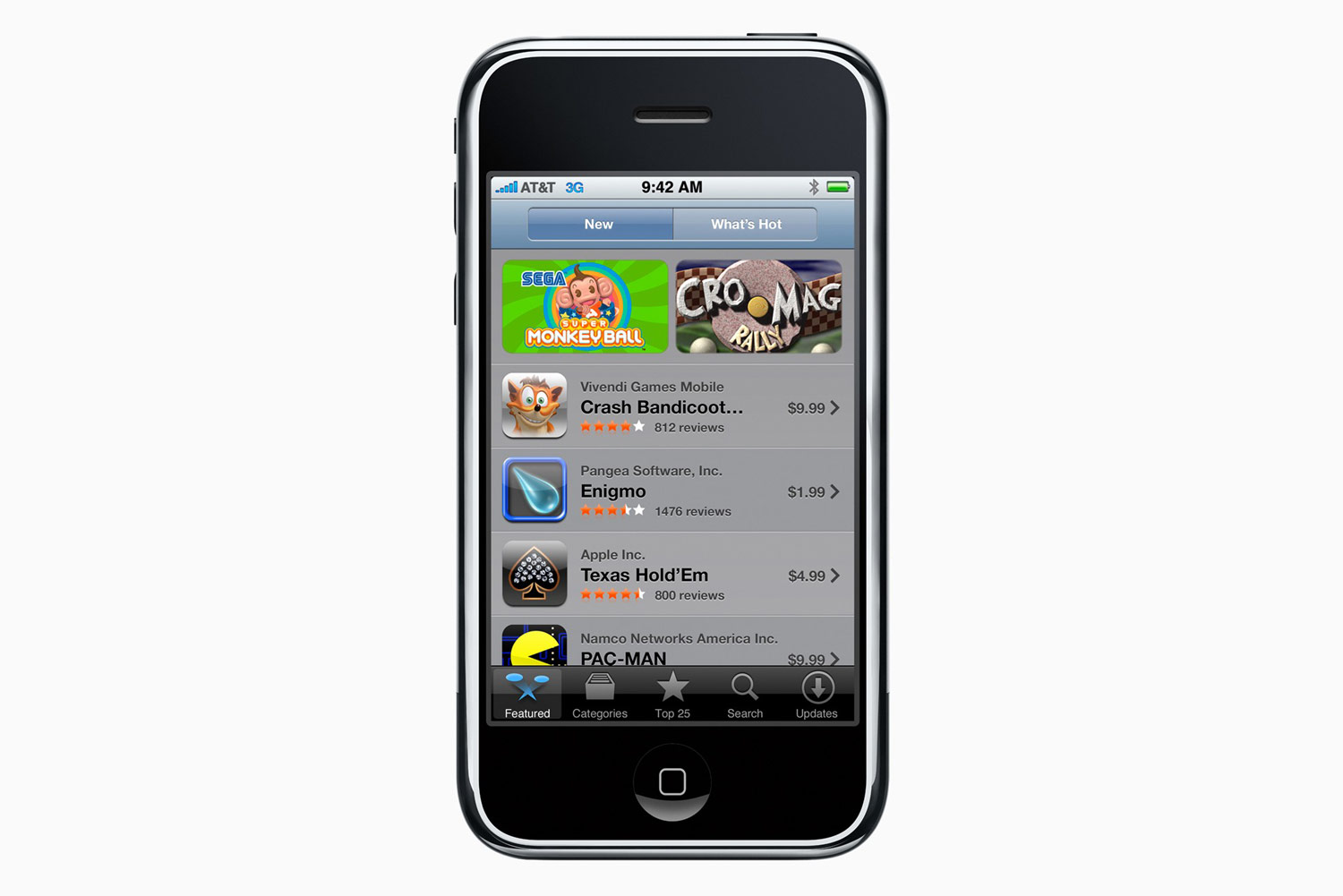
Elsewhere, with apps like Instagram, the App Store helped shift what photography could be. Rather than primarily focusing on documentation, it increasingly became about personal expression, play, shared moments, and showing off your world to anyone keen to see more of it.
iCloud (2011)
After the misstep of Apple’s MobileMe cloud subscription service, iCloud was a radical reset that worked. Its central premise was to free your important files from any one Apple device and make them available from anywhere you signed in. And that included photos.
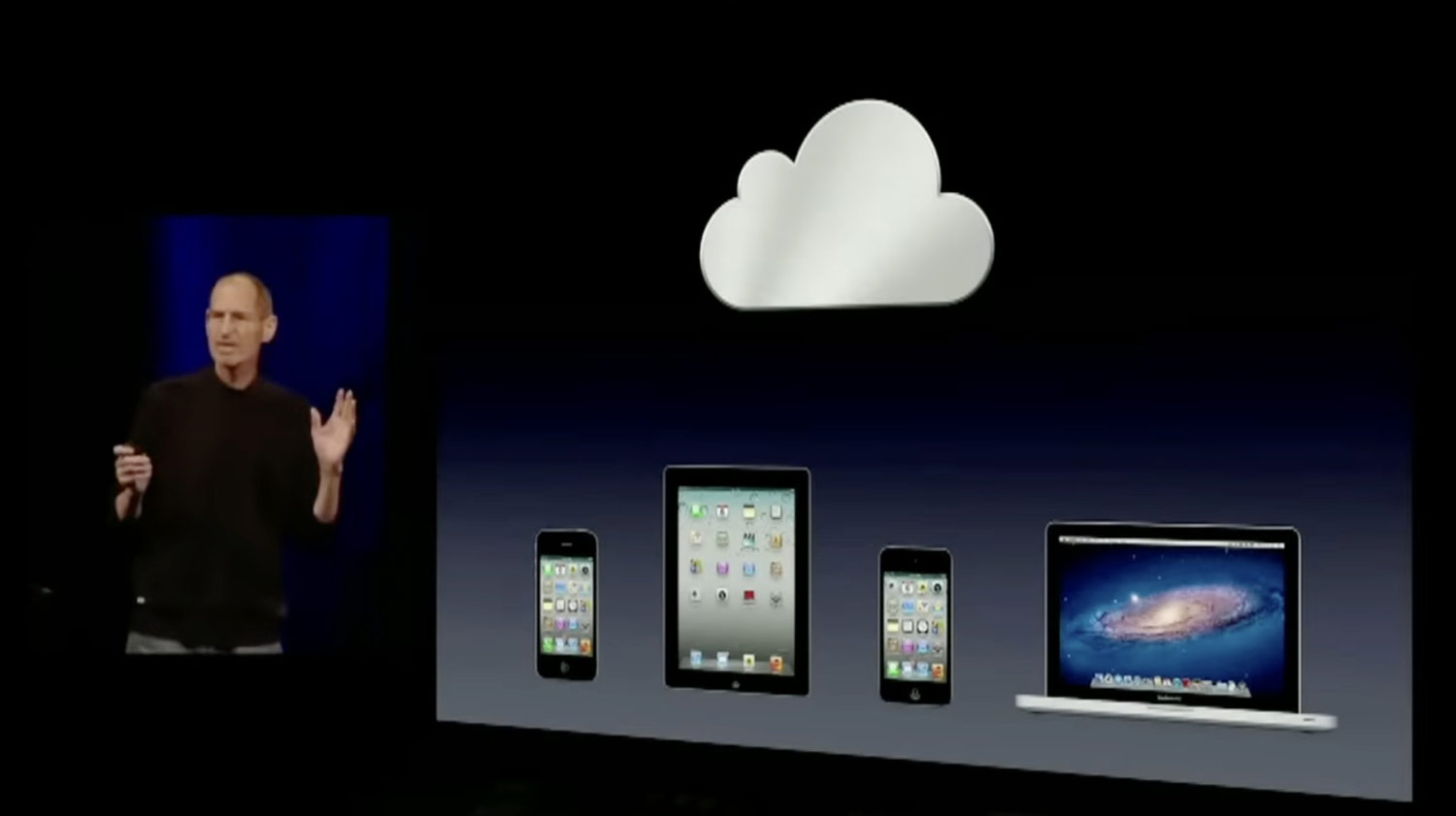
Initially, Photo Stream synced your latest 1,000 images – for free. Later, iCloud Photo Library could store your entire library in the cloud and optimise device storage so you’d never run out of space for yet more photos.
Live Photos (2015)
By 2015, you’d long been able to shoot video on a smartphone. But with Live Photos, Apple cleverly blurred the line between still and moving images by capturing snippets of footage before and after each shot.
This allowed you to press a photo in your library and watch it come alive with motion and sound. It’s a small feature that has since been adopted by other manufacturers too. Its implications were huge: photos don’t have to be static. They can feel closer to memories than snapshots.
And beyond…
Apple’s influence hasn’t slowed. In recent years, computational photography, Night mode and ProRAW have expanded scope for consumer photography, even if you don’t know what any of those things mean. Likewise, machine learning helps surface people, places and moments from even the biggest libraries. And with spatial photography, Apple is again exploring what a ‘photograph’ could be.
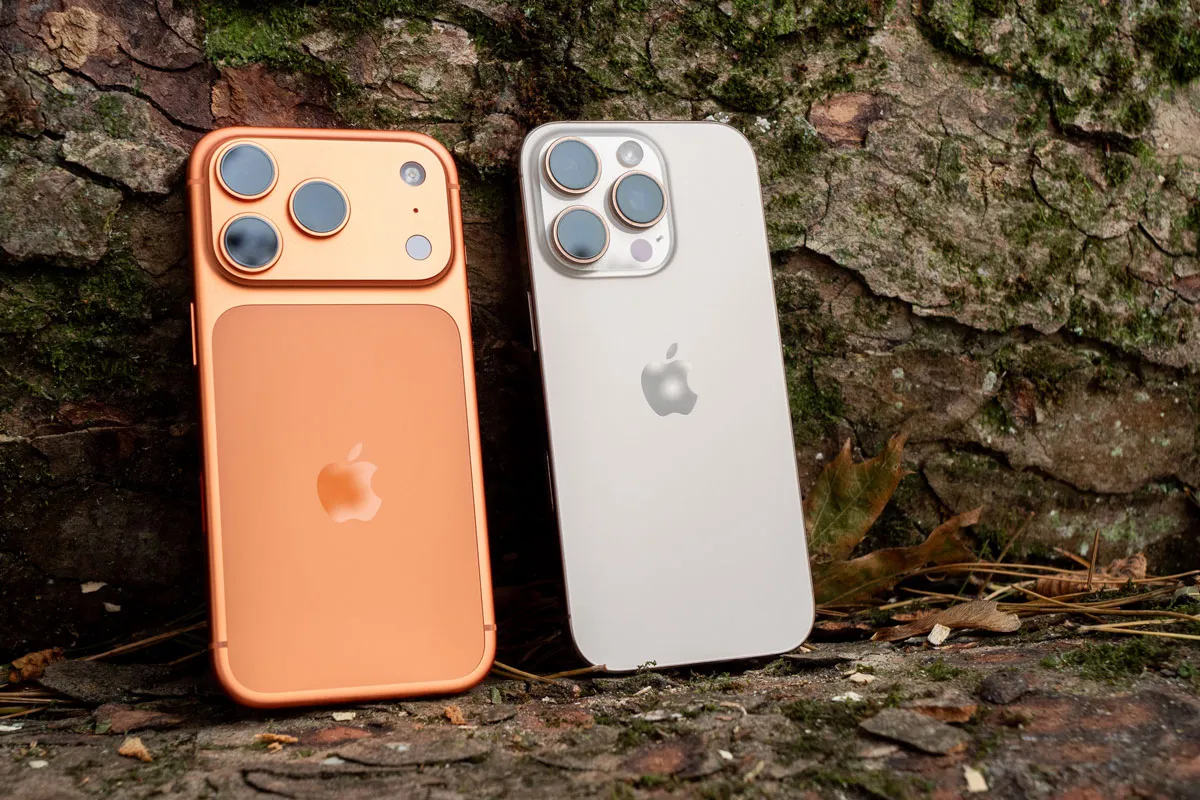
Throughout Apple’s five decades, the pattern has been consistent. The company only occasionally invents something from scratch, but it always strives to refine, improve and reimagine, until complex ideas feel obvious. In the process, ‘computing for the rest of us’ has increasingly become ‘photography for the rest of us’ too.
Here’s to the next 50 years.
Related reading
- The 10 most significant iPhones ever released and how they changed photography
- Hear me out, your old iPhone is always better than a new one…
- The surprising thing about the iPhone 17 Pro that I love
Follow AP on Facebook, Instagram, YouTube and TikTok.