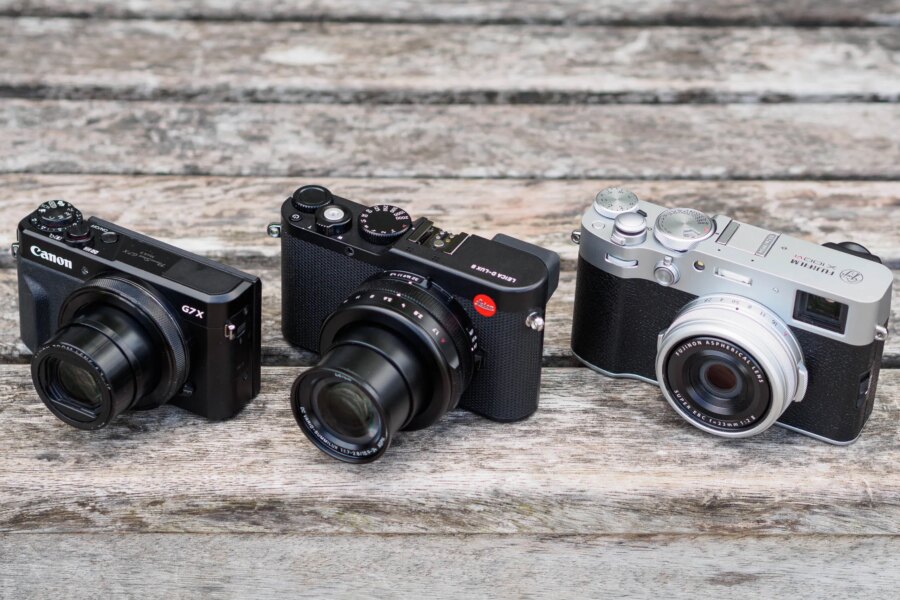
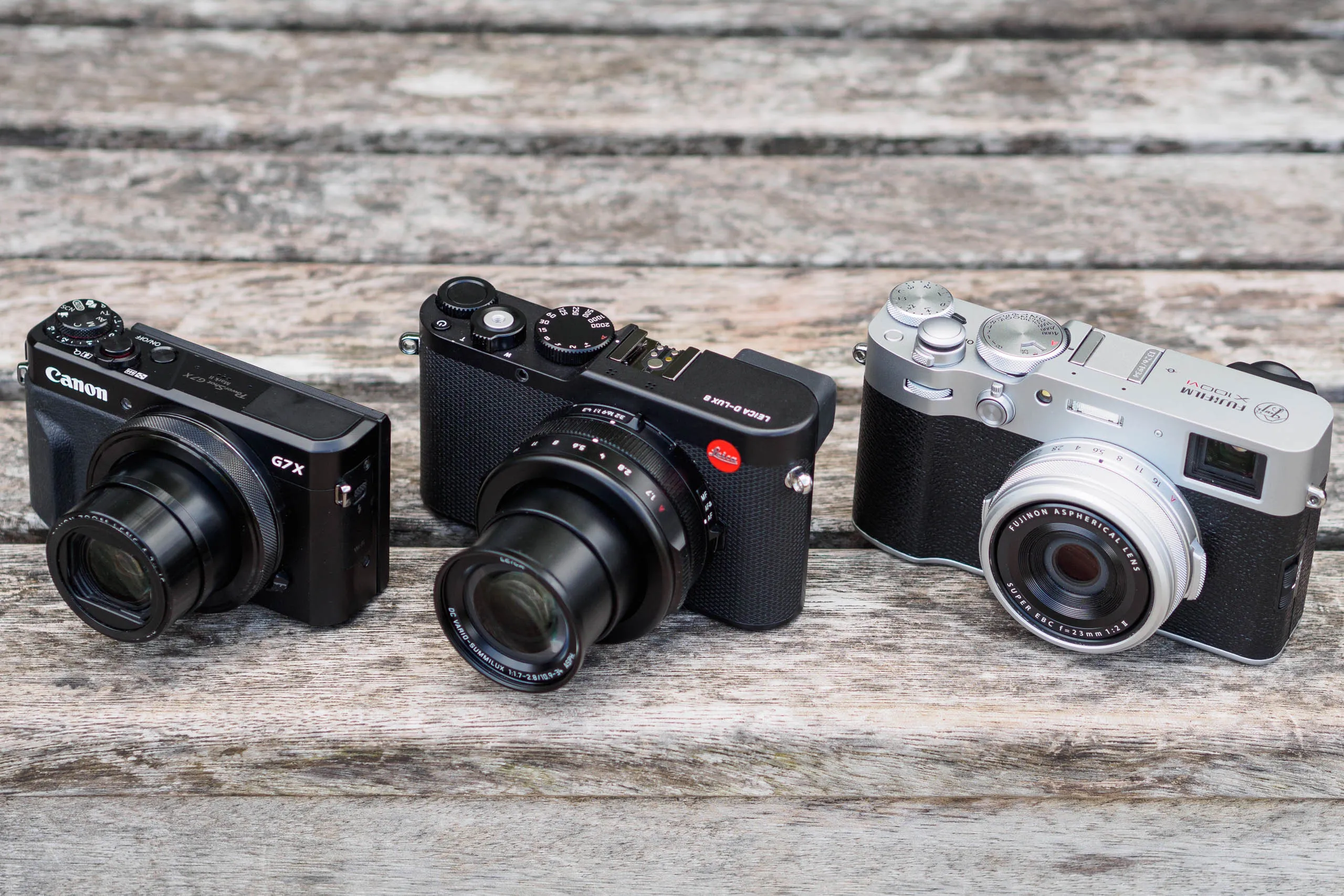
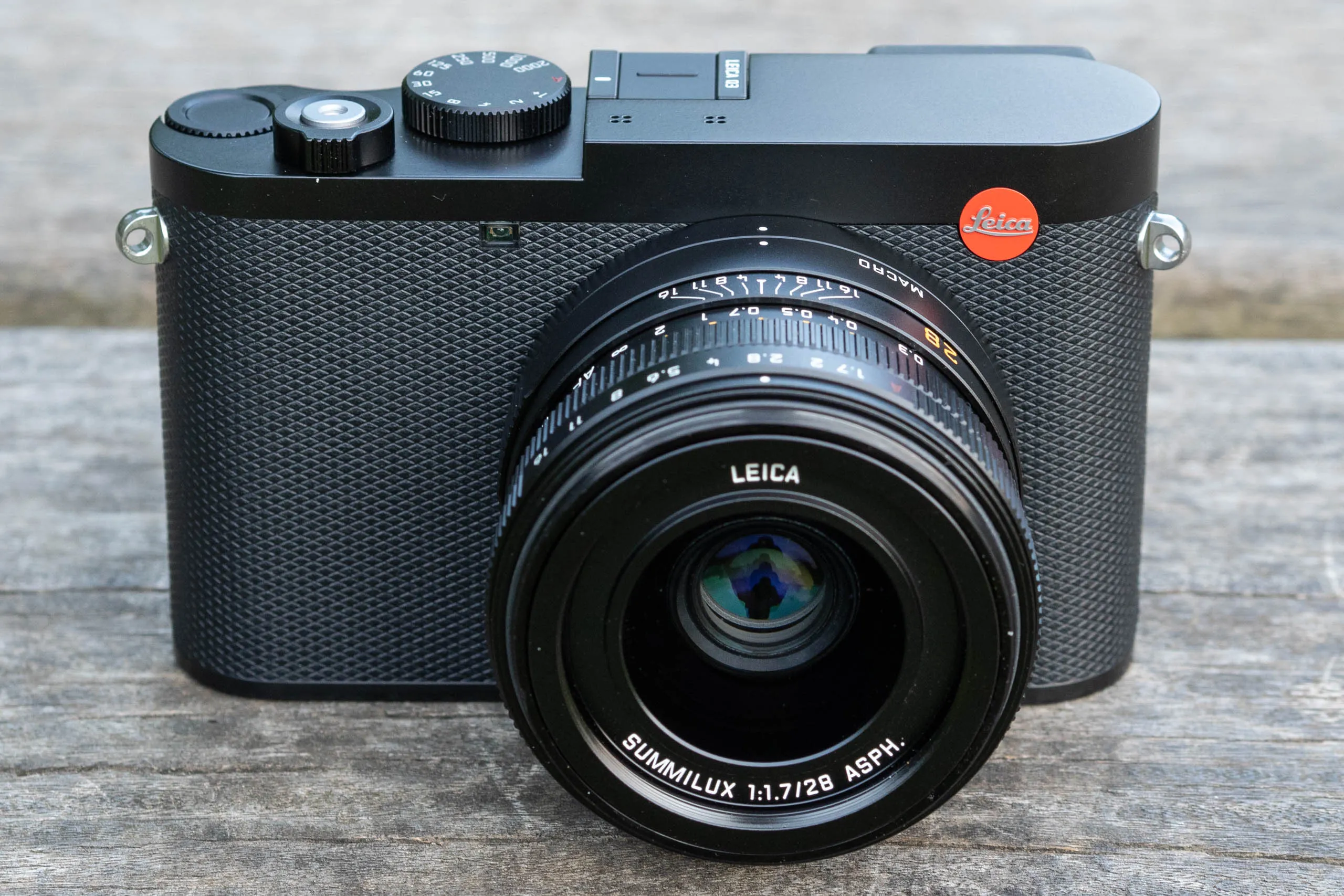
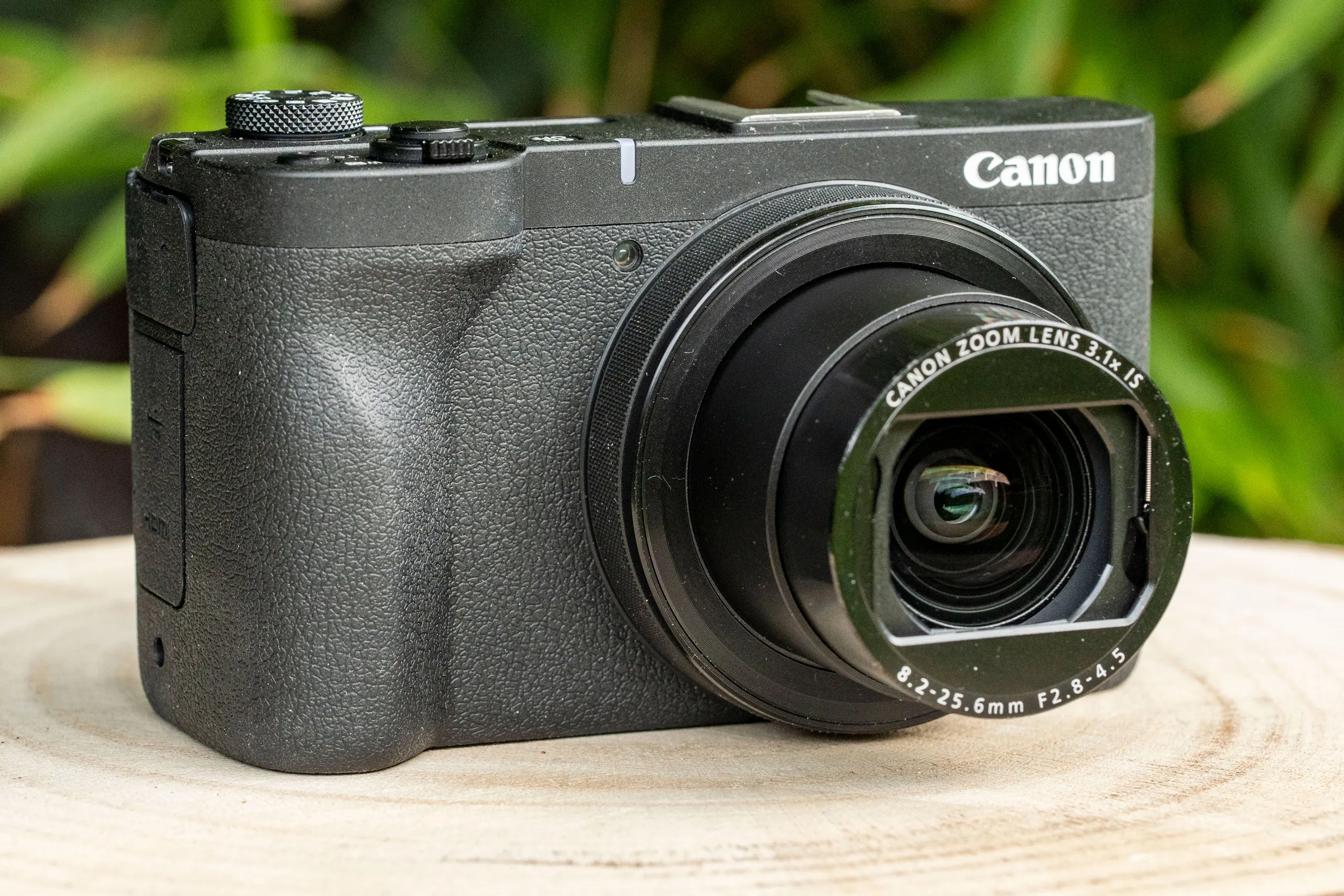
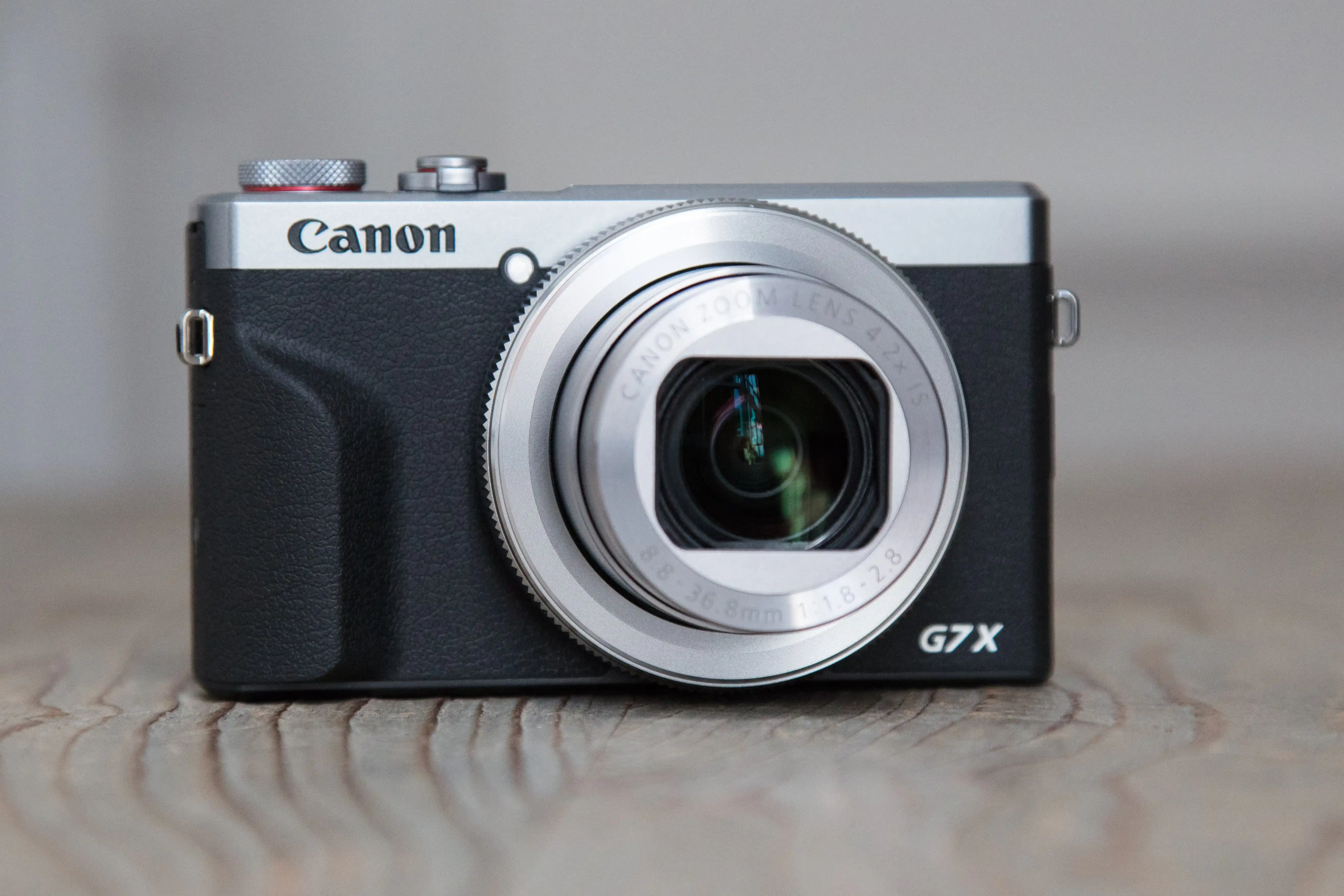
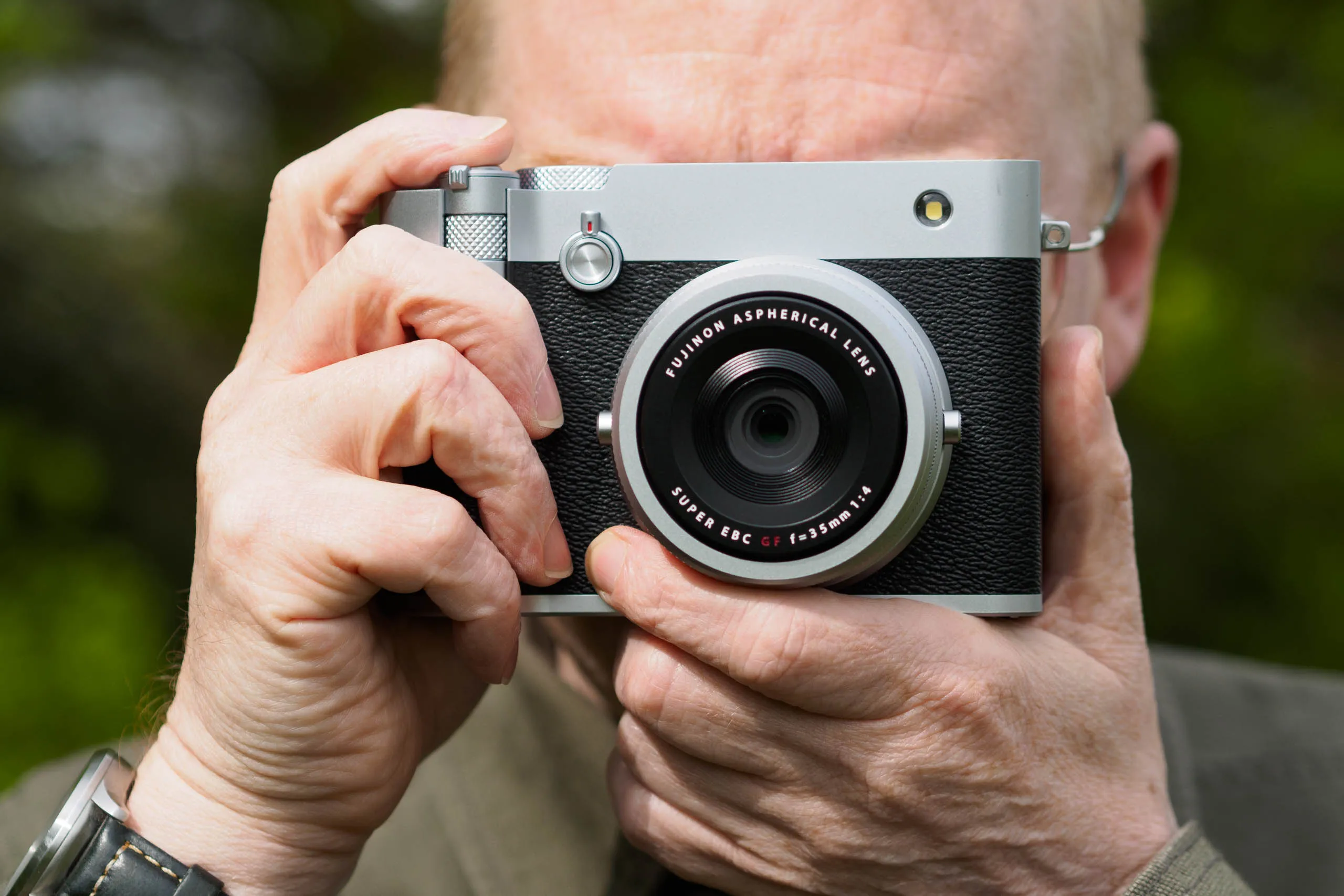
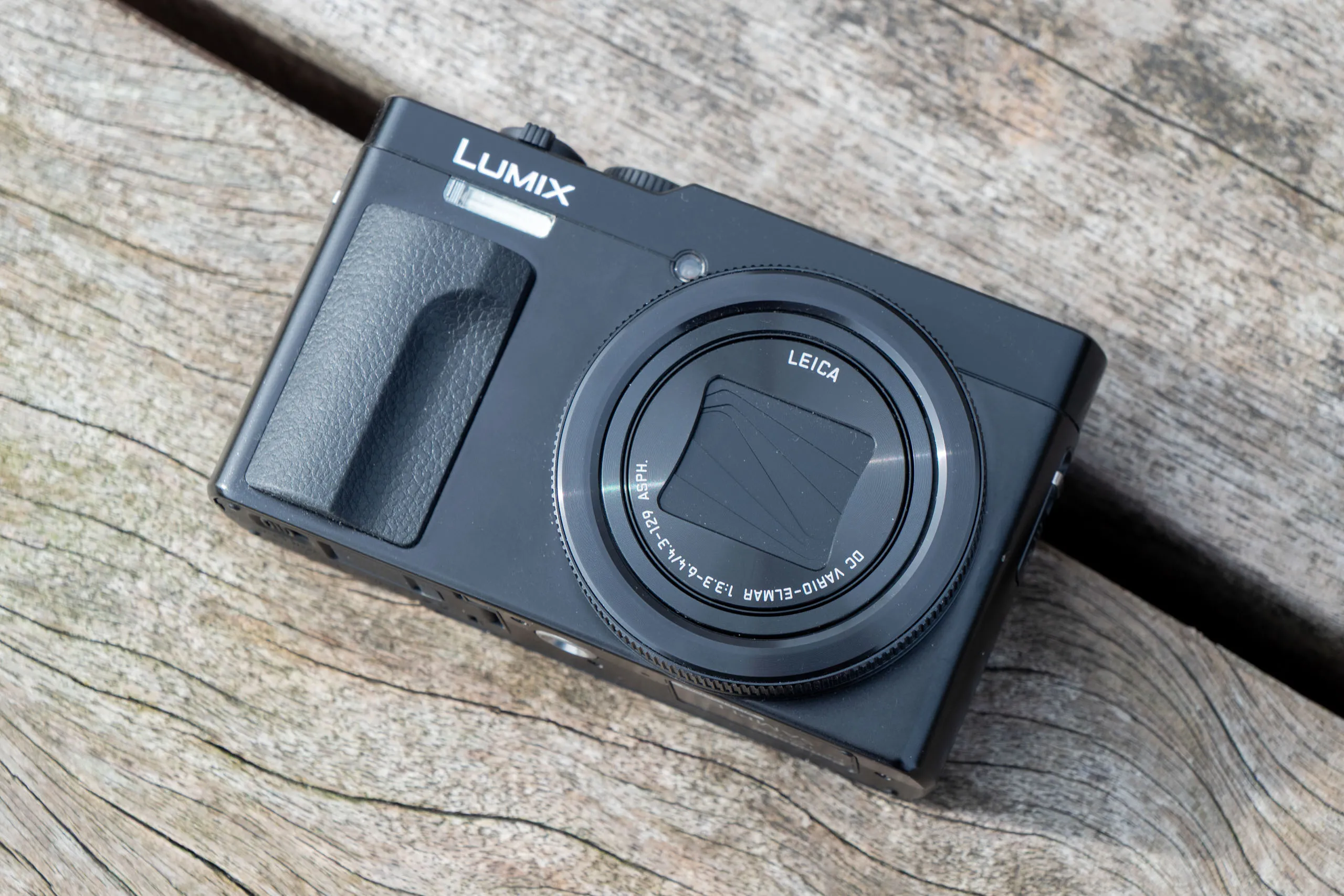
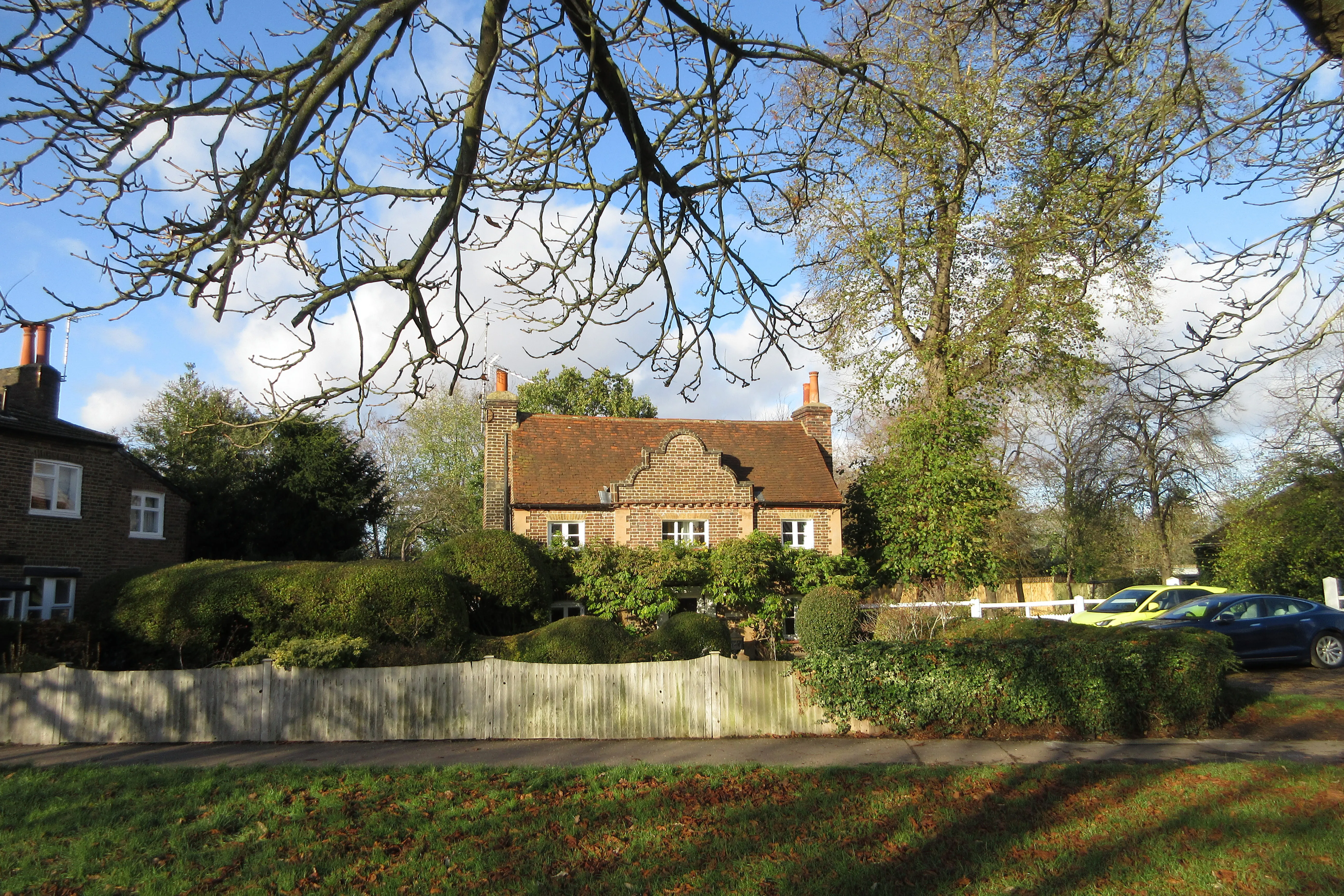
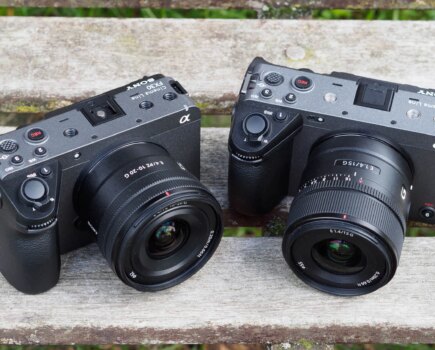
Leica D-Lux 8 compared to Canon PowerShot G7 X II (left) and Fujifilm X100VI (right). Credit: Andy Westlake
The best compact cameras are the perfect camera to always have with you. Defined as a camera with a fixed lens that cannot be changed, a good compact camera offers something that a smartphone can’t, resulting in superior imaging capabilities.
What this ‘something’ is, exactly, can vary. Some compacts provide a larger imaging sensor, delivering greater image detail and dynamic range than a phone can. Others offer long optical zoom lenses, or a full suite of manual controls that makes them more pleasant to operate, or both. Imagery from top-tier compacts can easily stand toe-to-toe with top mirrorless cameras and DSLRs – as you can see from the sample images I’ve included throughout. You can click through each entry to read our team’s full review of every camera, giving you the full picture of how they perform.
For this guide, I have focused on smaller, compact cameras that deliver excellent value for money, from cheap point-and-shoot cameras to premium compacts from the likes of Leica, Ricoh and Fujifilm. Some of the most popular cameras in recent years have been compacts, such as the stylishly retro-looking Fujifilm X100VI, which is still my number-one choice despite how hard it can be to get hold of. I’ve mostly left out big superzoom bridge cameras as they are more a category of their own — if this is what you’re looking for, check out our guide to the best ultra zoom cameras.
The best compact cameras: our quick list
Best compact camera overall: Fujifilm X100VI – Buy now
Best compact camera for street photography: Ricoh GR IV – Buy now
Best full-frame compact camera: Leica Q3 – Buy now
Best compact camera for video: Canon PowerShot V1 – Buy now
Best waterproof camera: Olympus/OM System Tough TG-7 – Buy now
Best pocket camera for photos and vlogging: Canon PowerShot G7 X Mark III – Buy now
Best for image quality: Fujifilm GFX100RF – Buy now
Best premium compact zoom: Leica D-Lux 8 – Buy now
Best travel compact: Panasonic Lumix ZS99 / TZ99 – Buy now
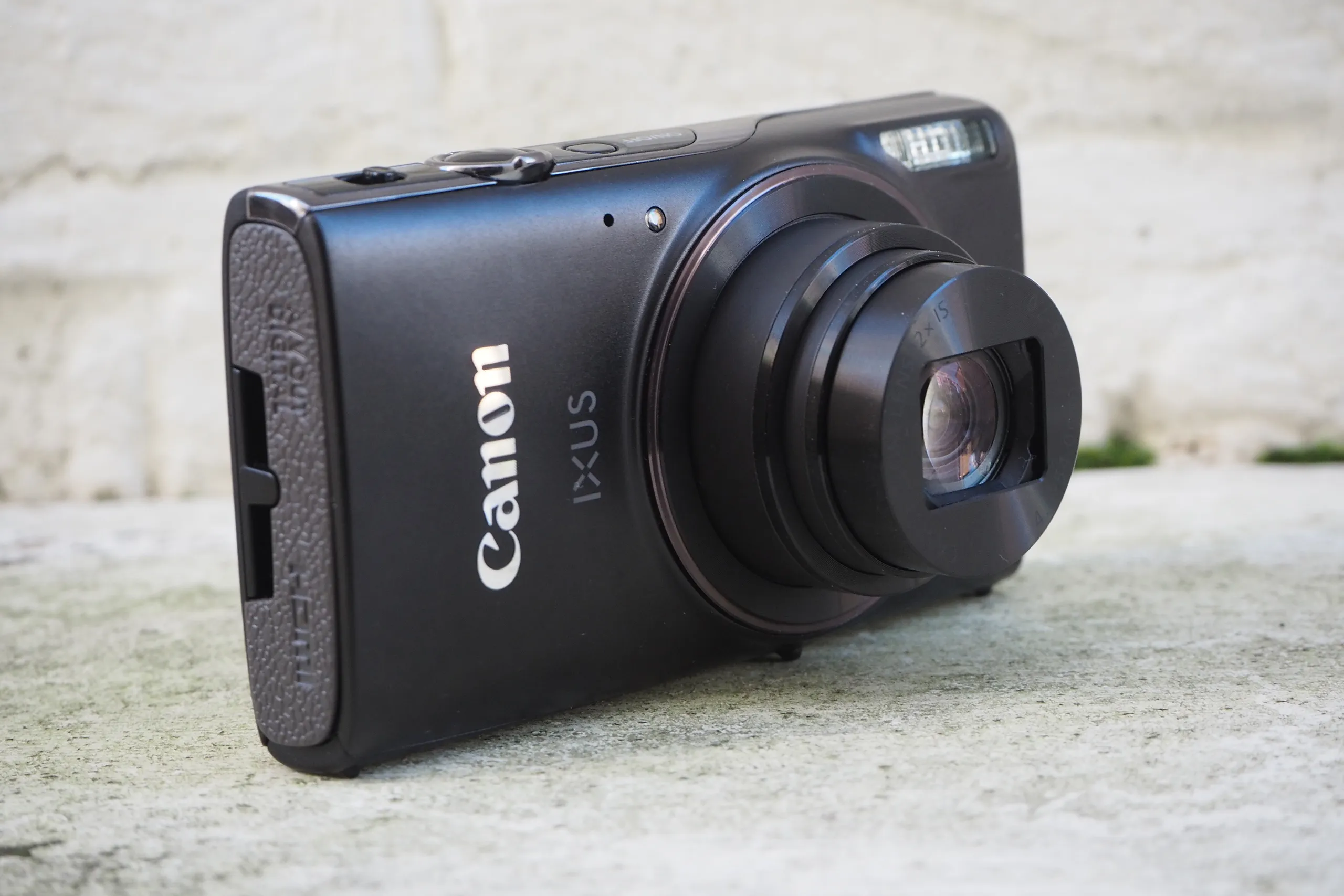
Best ultra-slim compact: Canon IXUS 285 HS A / PowerShot ELPH 360 HS A / IXY 650 m – Buy now
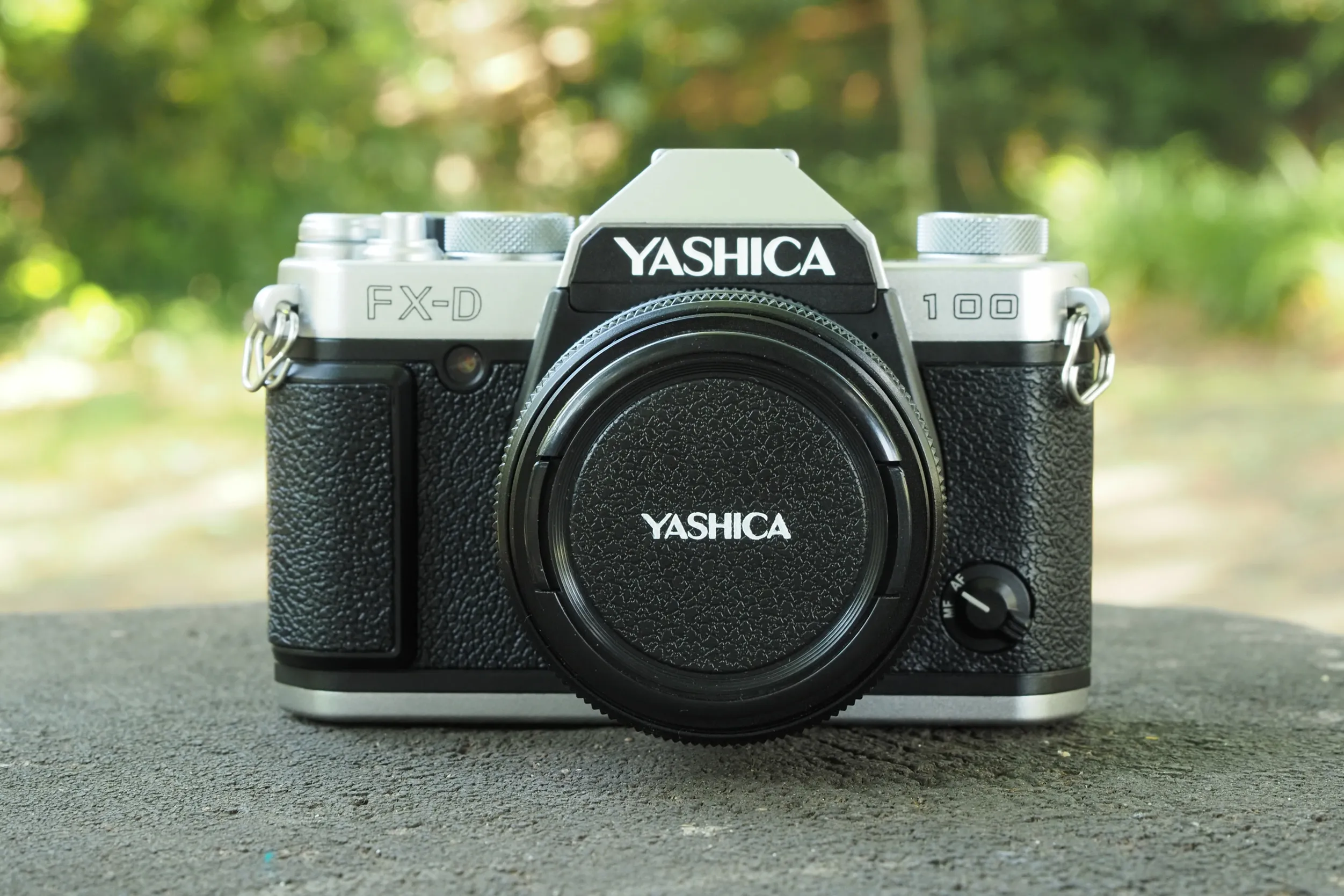
Best cheap retro-styled compact: Yashica FX-D 100 – Buy now
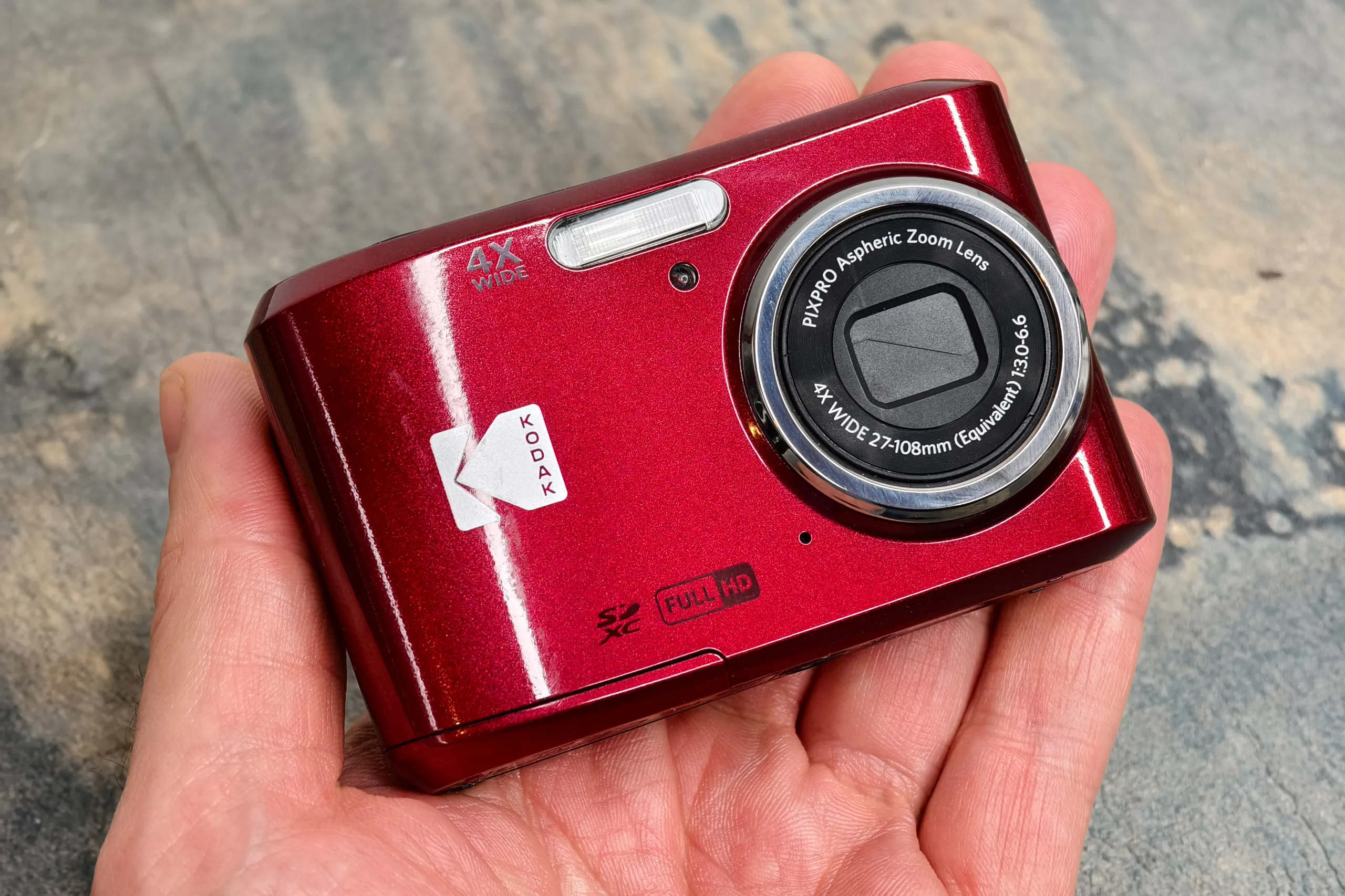
Best cheap compact camera: Kodak PixPro FZ45 – Buy now
Looking for the best deal on compact cameras? Not only will you find the best compact cameras, but also some of the best compact camera deals, as our ‘Buy now’ buttons are set to automatically take you to the best prices from trusted retailers. You’ll also find a list of other retailers below each camera, so you can find the right deal for you.
In this unmissable buyer’s guide, I take a closer look at some of the best compact cameras that you can currently buy and give my expert recommendations about what each one is best for…
Why you can trust Amateur Photographer
We spend many hours testing every product we recommend, in detail, in a variety of situations and shooting scenarios, and only use experts for our reviews, so you can be sure that you’re getting the best products. Find out more about our expert writers.
BEST COMPACT CAMERA
Best compact camera overall: Fujifilm X100VI
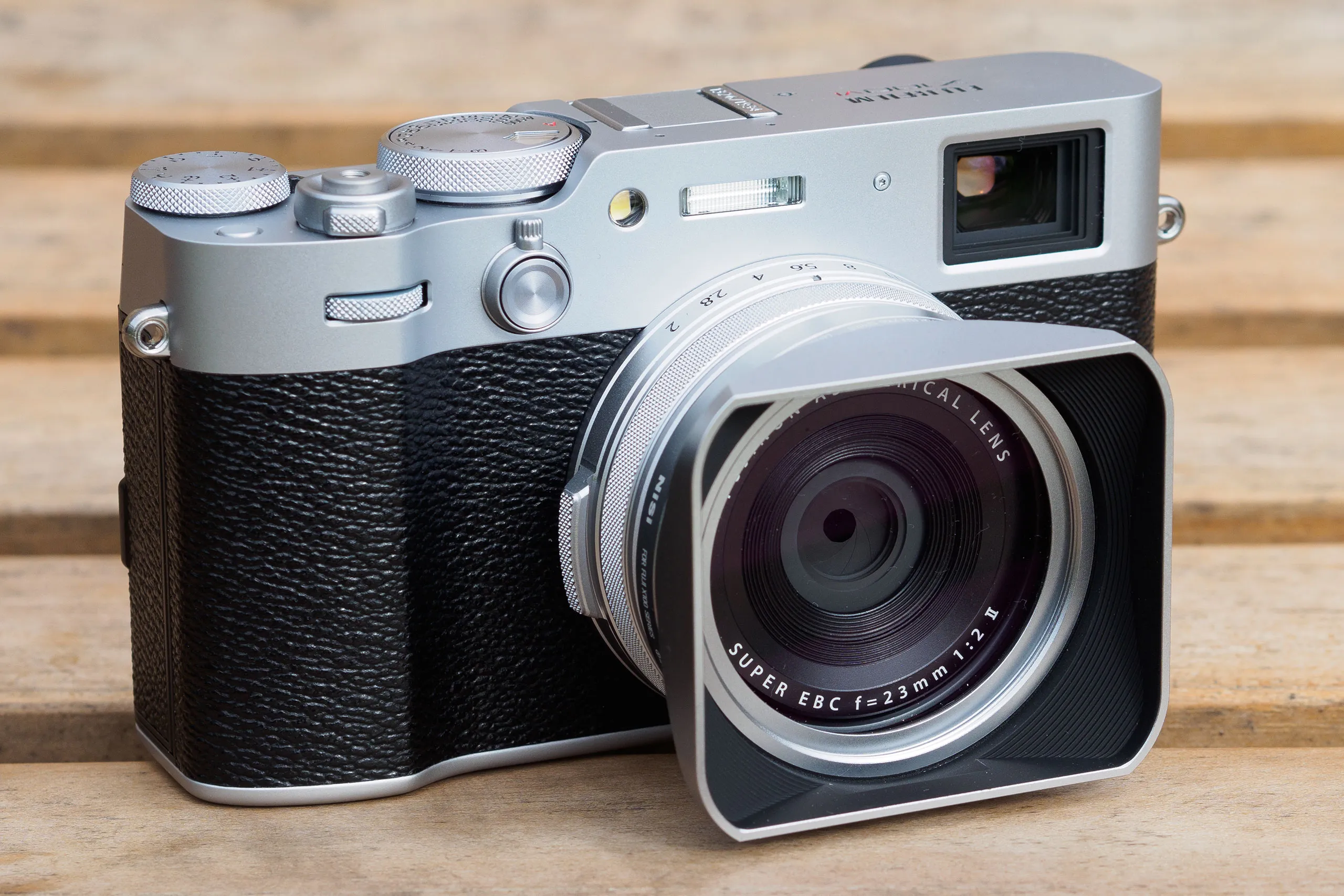
The NiSi UV filter and hood set is a really nice match to the Fujifilm X100VI. Credit: Andy Westlake
Amateur Photographer verdict
The Fujifilm X100VI updates the cult-like X100V in a number of useful ways, with a new 40MP sensor, in-body image stabilisation, and improved AF. This camera is sure to be a huge success.
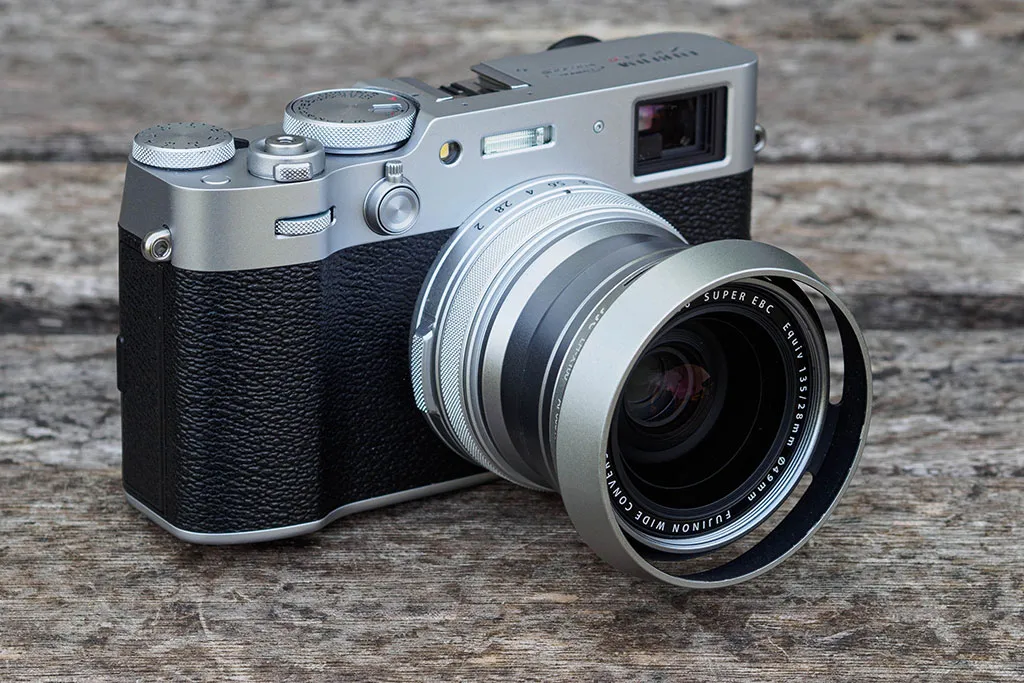
The Fujifilm X100VI continues to break sales records and can be elusive to buyers as the company struggles to keep up with demand. I can see why: the X100VI is indeed a very capable and well-featured camera. It boasts one of the highest resolution sensor on our list with 40.2MP, as well as 5-axis In-body image stabilisation that helps you capture things at slower shutter speeds and potentially without a tripod. While reviewing, I found that this allows sharp hand-held shots with shutter speeds as slow as 1/8s and 1/4s.
The fixed 35mm equivalent f/2 lens lets you focus on objects as close as 10cm and creates a pleasing bokeh effect- all the while resolving an impressive level of detail across the entire frame, so it is not just ideal for street scenes but for capturing close-up detail too. Fuji offers two lens converters, one that provides a wide 28mm equivalent focal length ideal for landscapes and a 50mm equivalent, better suited for portrait photography. And with the high resolution sensor you still get decent resolution images that are downsized to 20MP or 10MP.
Fujifilm’s Film Simulation modes are very popular and the latest model has 20 modes Fujifilm X100VI, 23mm, 1/240sec at f/4, ISO 125. Photo Joshua Waller
X100VI · f/4 · 1/240s · 23mm · ISO125
The small body has a retro design similar to all of its five predecessors, and has the same sensor and processor as the Fujifilm X-T5. With the X-Processor 5, you get subject recognition autofocus and tracking, with birds, planes, and automobiles all being detected. There’s also human face and eye detection, but this unfortunately, is in a separate menu setting.
The film simulation modes made the X100-series so special in the first place, so Fujifilm’s appealing feature has been added to this latest model too; with the new addition REALA ACE mode, now it has 20 distinct options in total.
Best compact camera for street photography: Ricoh GR IV
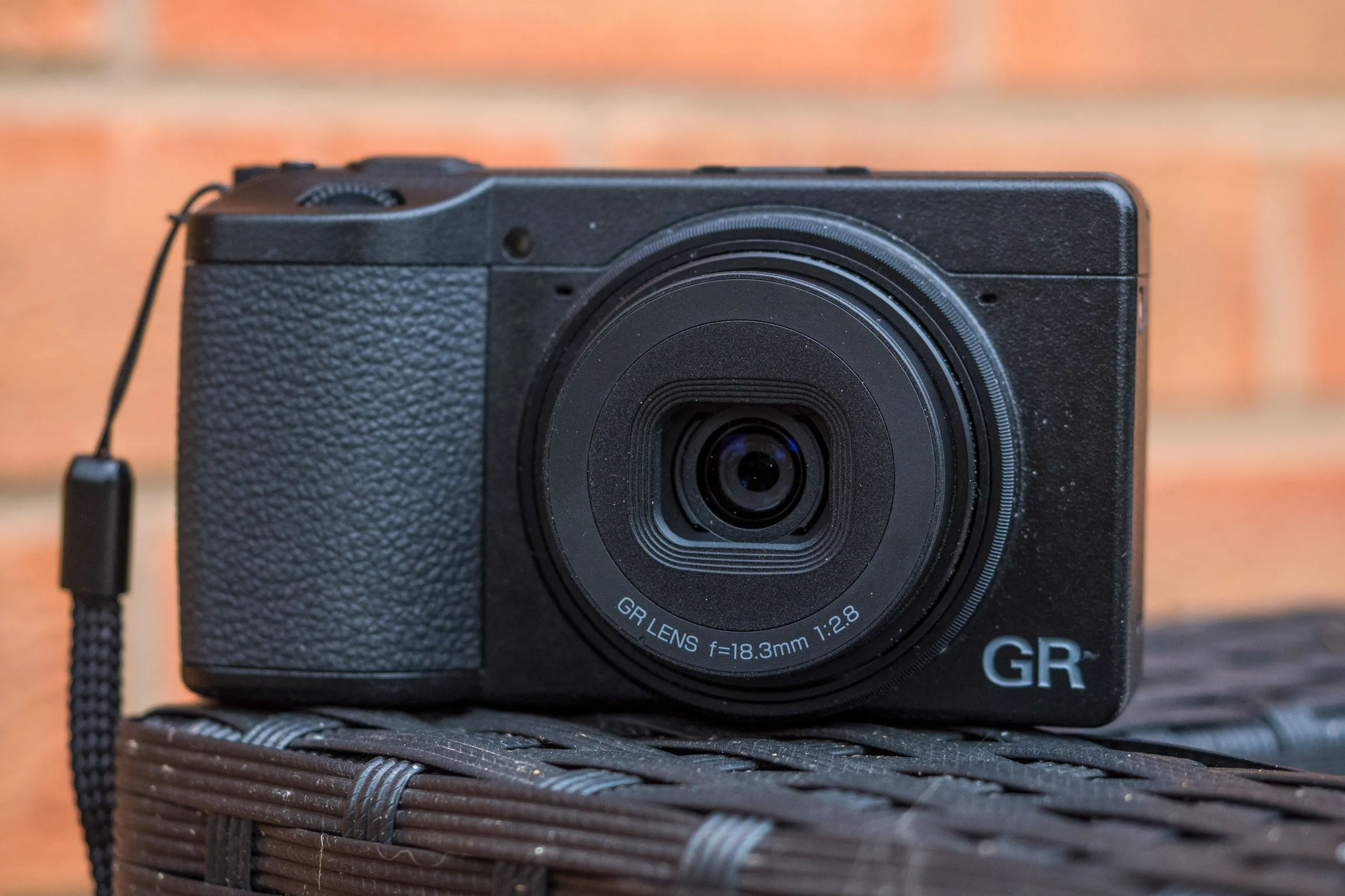
Ricoh GR IV. Image credit: Matty Graham
Amateur Photographer verdict
While the Ricoh GR IV may look very much like its predecessor, it’s been substantially upgraded inside. It retains the same street-shooter appeal, though, if you can live with its fixed rear screen.
Pros
True pocket-friendly dimensions
Excellent image quality
Fast start-up time
Discreet design
Cons
Fixed LCD and no viewfinder
Lower resolution than rivals
Micro SD card storage
Scroll to see more →
Specifications
Ricoh GR IV
Lens
18.3mm f/2.8 (28mm equiv.)
Sensor
25.87MP APS-C CMOS, 23.3 x 17.5mm
Viewfinder
No viewfinder
Screen
3.0in, 1.04m-dot fixed LCD touchscreen
Continuous shooting
4fps
ISO
ISO 100-204800
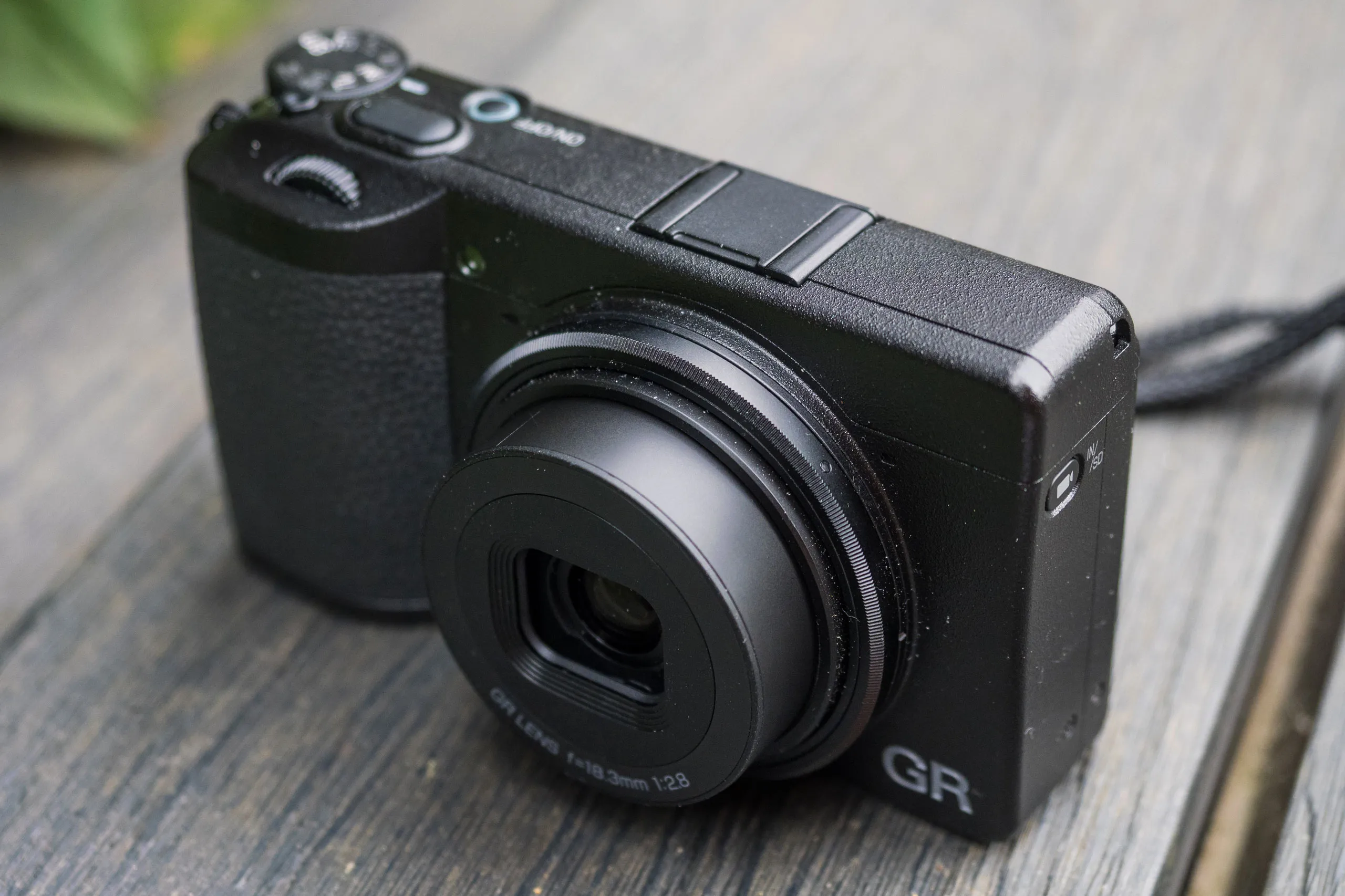
The Ricoh GR IV, like the Fujifilm X100V, has an APS-C CMOS sensor – impressive considering the compact size of the camera. It features an 18.3mm f/2.8 lens, equivalent to 28mm (in 35mm terms), and the camera has a clever ‘Snap’ focus system so you can quickly get shots without any delay from focusing, making it another great street camera.
The Ricoh GR IV is the latest digital iteration of the cult classic Ricoh GR film camera, and is designed to be so pocketable (weighing just 262g) that you can take it anywhere. There’s also built-in 5-axis image stabilisation that helps you capture steady shots while moving through crowded streets or handheld at slower shutter speeds in low light. Combine that with the built-in ND filter, and you can play with motion blur at busy marketplaces or traffic streams—adding atmosphere to your images.
Ricoh GR IV street guitarist sample image. Image credit: Matty Graham
RICOH GR IV · f/2.8 · 1/2500s · 18.3mm · ISO320
Its design keeps things minimal and pocketable—no viewfinder, just a crisp 3.0-inch LCD touchscreen. The battery is compact too, but thanks to the new USB-C port, you can just plug into a power bank on the go. Plus, with 52GB of built-in storage, you’ve got a safety net in case your MicroSD card fills up mid-trip. It has a rapid sub-one-second start-up time, making it ideal for some run-and-gun street photography. It also boasts quick shutter response, comfortable single-handed operation and intuitive controls.
If you primarily shoot black and white, you are in luck, as Ricoh announced a new Monochrome GR IV, perfect for darkening blue skies and creating dramatic city scenes.
The Ricoh GR IV is a well-positioned niche alternative to smartphones and big cameras, offering a wonderful mix of the two. There’s enough in it for smartphone users considering a ‘real’ camera, and experienced photographers who want a ‘proper’ photographic tool in their pocket. But, first and foremost, it needs to deliver excellent image quality in any kind of light… and the GR IV achieves this thanks to the combination of its 25MP APS-C sensor, DNG raw capture and sharp 28mm f/2.8 lens.
The Leica Q3 is a bit like a full-frame X100, but it’s much more expensive. Image credit: Andy Westlake / AP
Amateur Photographer verdict
Yes, it’s expensive – that’s Leica. But for the discerning photographer with deep pockets, the Leica Q3 is a dream of a camera. It’s lovely to use and produces downright gorgeous images.
Pros
Superb raw image quality
Highly capable autofocus
Robust built with dial-led controls
Excellent viewfinder
Cons
Screen tilting, not articulating
JPEG colours a little flat
Scroll to see more →
Specifications
Leica Q3
Lens
28mm f/1.7 optically stabilised
Sensor
60.3MP full-frame
Viewfinder
5.76m-dot, 0.76x, electronic
Screen
3in, 1.84m-dot tilting touchscreen
Continuous shooting
15 fps
ISO
ISO 50-100,000
Video
8K 30p; 4K 60p; Full HD 120p
Image stabilisation
An utterly superb performer, the full-frame Leica Q3 is in a league of its own. With 60.3MP of resolution on offer, it produces images of absolutely dazzling quality, aided by the optically stabilised 28mm f/1.7 lens mounted to its front. As on the Leica M11, the Q3’s sensor is a triple-resolution type, with the option to shoot at 36MP or 18MP in JPEG or raw if card space becomes a higher priority than detail.
While the Leica Q3 offers that supple Leica manual focusing action, its autofocus is also first-rate – much improved from previous generations of the Q compacts, with phase-detection and subject-recognition delivering impressive speed and accuracy. Present and correct are the dial-based controls, which make the camera feel perfect in handling. It’s every bit the premium photographic experience you would expect (demand, even) when paying $6,295 / £5,400 for the privilege.
Subject detection is great for quick grab shots. Leica Q3, 1/20sec at f/1.7, ISO 100. Credit: Andy Westlake
With a wide ISO range spanning from 50 to 100,000, the Leica S3 is capable of getting clean, sharp images even in challenging low-light situations. There’s also the new intelligent Dynamic Range (iDR) option, which boosts shadow detail in high-contrast lighting situations, as well as Perspective Control for fixing converging verticals.
A more capable compact than ever, the Leica Q3 is a premium camera capable of producing dazzling results. Also, if you prefer a tighter field of view, Leica has also released the Leica Q3 43, which sports a 43mm lens. More recently, we’ve seen the introduction of the Leica Q3 Monochrom, a version that removes the colour filter entirely in order to deliver ultra-sharp image quality – in monochrome only.
4K 60fps (cropped); 4K 30fps (full width); Full HD 120fps
As the ‘V’ designation in its name implies, the Canon PowerShot V1 is all about video. A more conventional format of camera than the unusual PowerShot V10, this is a premium camera for those who are serious about video and vlogging. It’s a cut above most other compacts of its type, owing to the fact that it sports a 1.4-inch type sensor, which is larger than the 1-inch type found in many comparable compacts (though smaller than APS-C), and delivers improved image quality with greater dynamic range.
The lens on the camera is an 8.2-25.6mm f/2.8-4.5 optic, which is an equivalent focal range of 16-50mm in full-frame terms. While photographers would likely find this a bit restrictive, it’s ideal for video shooters, and vloggers especially who want to be able to easily film themselves. A built-in three-stop ND filter also adds to the video-centric toolset, along with headphone/mic sockets, a windshield, and a tally lamp on the front of the camera to indicate when it is recording.
The lens delivers a strong level of detail given its range and small size. Image credit: Richard Sibley
A built-in fan is included to dissipate heat and ensure that the camera can offer long recording times. There’s no viewfinder, and no option to attach one, but again, this is a video-centric camera – if you’re buying if for photos, you’re doing it wrong (see further down for the Canon PowerShot G7 X Mark III, a compact that provides more of a balance between photo and video functionality).
Offering superior video quality and functionality to any of Sony’s ZV compacts, the Canon PowerShot V1 is the new standard to beat when it comes to lightweight, video-centric compacts. Excellent autofocus, a wide lens, and 4:2:2 10-bit quality – all this adds up to a supremely impressive video package.
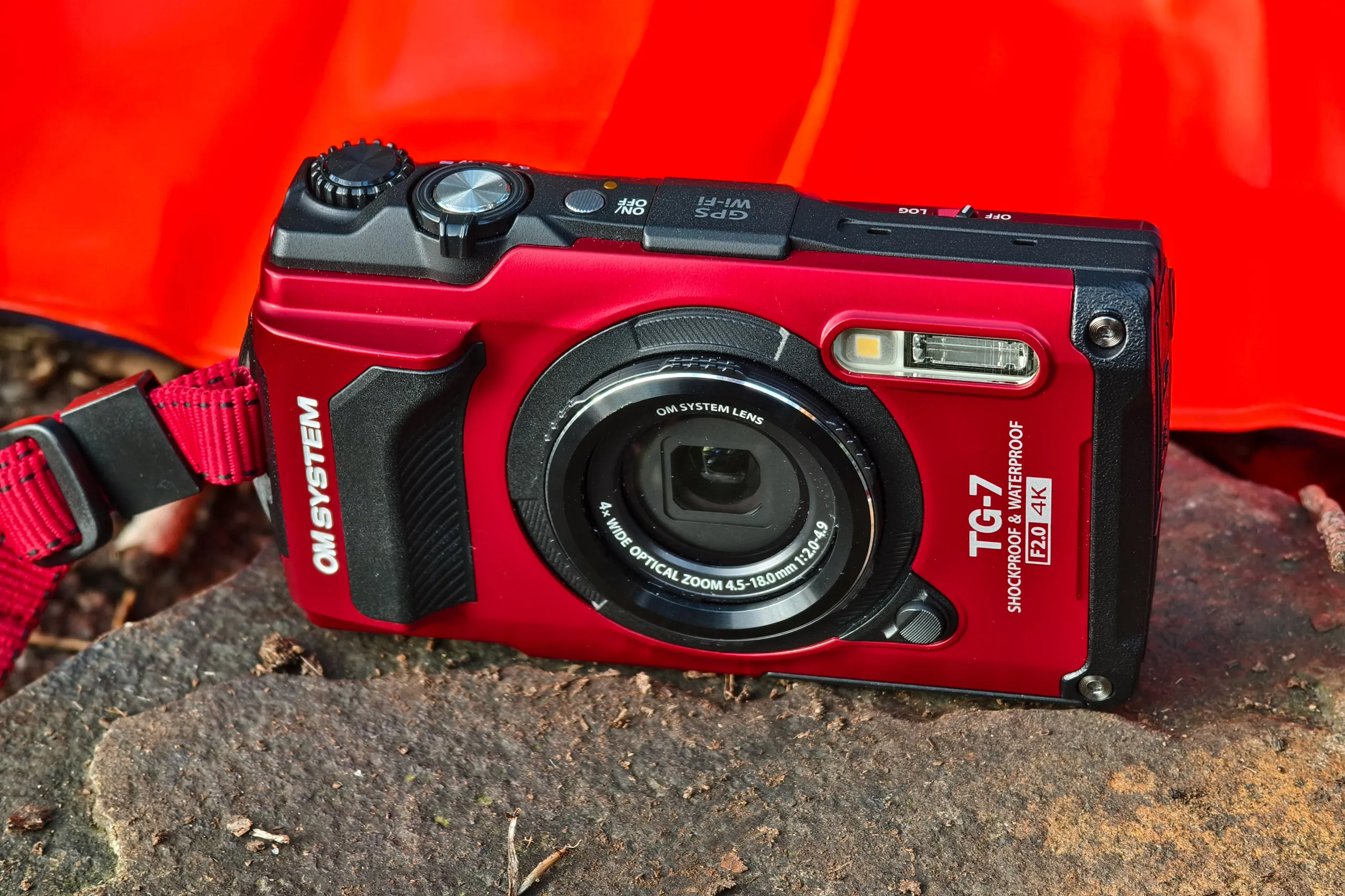
Best waterproof compact camera: OM System Tough TG-7
OM System Tough TG-7 in red. Photo Joshua Waller
Amateur Photographer verdict
For those that want an easy to use, but tough point-and-shoot camera, the OM-System Tough TG-7 would make a great choice, particularly if you need something that can survive all environments
Olympus has been making tough, waterproof, compact cameras for a very long time now, culminating in the OM System Tough TG-7, the 7th version of the premium waterproof camera. Over the years it’s been refined with improvements to image quality, video recording, and strength. You’ll even find there’s a range of accessories available for this camera that can improve close up flash performance or add extra protection to the camera and dive as deep as 45m.
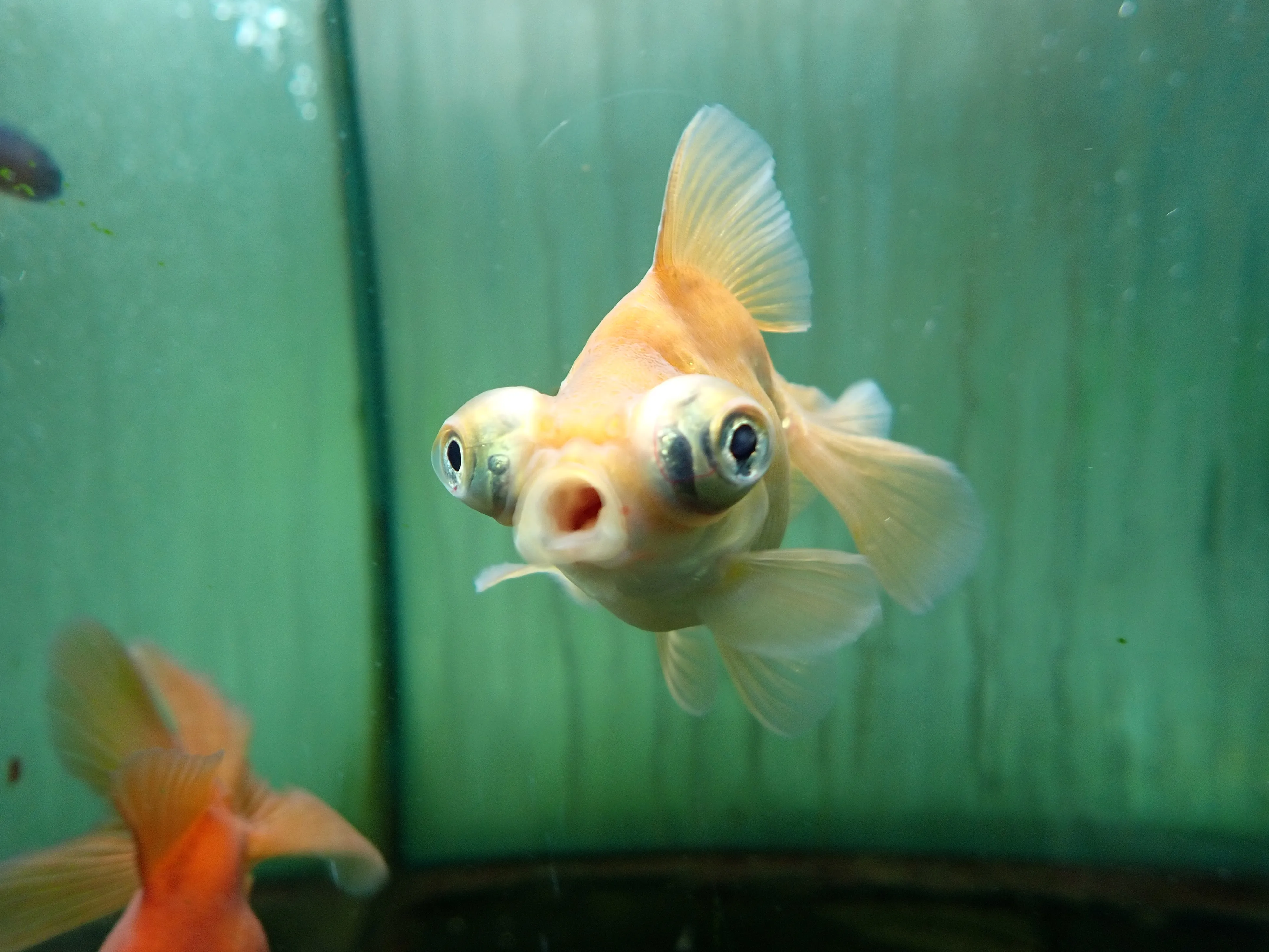
OM System Tough TG-7. A fish in water. Photo Joshua Waller
TG-7 · f/2 · 1/30s · 4.5mm · ISO200
The camera uses a 12MP sensor along with an f/2.0 lens which gives it an edge over entry-level waterproof cameras, and will help with the low-light conditions you find underwater. Thanks to the folded optics used in the construction of the lens, the camera has an impressive level of macro performance letting you get detailed close-up shots.
Being able to shoot raw (and raw+JPEG) means you’re able to take single shots and then recover highlight and shadow detail later, rather than having to remember to shoot in the HDR mode. High-quality, 4K video recording is included as well. Fans of macro photography will be impressed by the built-in focus stacking, and there are some manual controls available for when you’re shooting. This model also benefits from USB-C charging.
Best pocket camera for photos and vlogging: Canon PowerShot G7 X Mark III
Canon PowerShot G7X Mark III
Amateur Photographer verdict
The Canon PowerShot G7 X Mark III is a lovely pocket camera that produces great results and has some impressive video features.
Pros
Very good image quality
Vlogger-friendly features
Feels premium
Cons
No viewfinder
Scroll to see more →
Specifications
Canon PowerShot G7 X Mark III
Lens
24-100mm equivalent, f/1.8-2.8 lens
Sensor
20.1MP, 1-inch CMOS sensor
Viewfinder
No
Screen
3in, 1.0m-dot tilt touchscreen
Continuous shooting
20fps burst, 8.3fps with AF
ISO
ISO 125-12,800
Video
4K 30p, FullHD 60p
Image stabilisation
4 stops lens shift-type
Canon’s PowerShot G7 X Mark II was an unexpected hit with YouTubers, with its combination of a high-quality 1-inch sensor and 24-100mm equivalent lens covering a very useful focal range from landscapes to portraits and more. The Mark III version is fundamentally the same camera, but with uncropped 4K UHD video, a 3.5mm mic jack, and the ability to livestream directly to YouTube. High demand for it has followed accordingly.
Photographers may be put off by the lack of a viewfinder; vloggers and YouTubers, less so. The 180-degree tilting LCD screen is very useful for selfies and self-taping, while the defined grip also makes the camera more comfortable to hold than its slim dimensions might indicate. The metal control ring around the lens is also comfortable to use, giving the G7 X Mark III a premium feel.
While the maximum zoom reach doesn’t lend itself to capturing far away, fast-moving action, the 20.1MP resolution lets you crop into your photos and produce reasonable results. 100mm equivalent, 1/320sec at f/4, ISO 400. Image: Audley Jarvis
Image quality is excellent in stills as well as video – it may be a vlogging camera first, but the G7 X Mark III is no slouch for photographers. For hybrid content creators who want a lightweight camera that does a bit of everything, the G7 X Mark III might just be it, and is the better buy than the even more video-focused PowerShot V1.
Best compact camera for image quality: Fujifilm GFX100RF
The GFX100RF gives superlative image quality in a small camera. Image credit: Andy Westlake
Amateur Photographer verdict
It’s hard to believe that a camera this small can take such incredible pictures – but the medium-format GFX100RF is a true feat of engineering. Its 100MP sensor delivers sumptuous detail.
Pros
Exceptional image quality
Engaging analogue controls
Aspect ratio dial encourages creative composition
Great out-of-camera colour thanks to Film Simulation modes
Cons
Relatively small f/4 maximum aperture lens
No image stabilisation
Scroll to see more →
Specifications
Fujifilm GFX100RF
Lens
35mm f/4 (35mm equivalent: 28mm f/3.2)
Sensor
102MP GFX CMOS II, 43.8mm x 32.9mm
Viewfinder
5.76m-dot, 0.84x OLED
Screen
3.25in, 2.1m-dot tilting touchscreen
Continuous shooting
6fps
ISO
ISO 80-12,800 (standard); ISO 40-102,400 (extended)
Video
4K 30p
Pairing tactile X100-style shooting with the sublime large-sensor image quality of the GFX series, the Fujifilm GFX100RF is quite frankly an astonishing achievement. The stylish retro design and engaging manual controls make this an immediately appealing compact camera to pick up and use, and it’s possibly the model that best fulfils the GFX-series promise of medium format that you can just pick up and use. The days when large sensor photography was restricted to bulky and unwieldy bodies are well and truly ever – somehow, the GFX100RF weighs just 735g. Indeed, it’s smaller than full-frame bodies like the Sony A7R V and Canon EOS R5 Mark II, which have smaller sensors!
The GFX100RF is a camera that’s all about image quality, and it certainly delivers on that front. Outstripping even the mighty Leica Q3, with the combination of a 102MP medium-format sensor and a superlative 28mm-equivalent lens, it records a stunning level of detail in images, with a dynamic range that’s out of this world at low ISOs. If you’re willing to spend some time in raw processing, you can do essentially whatever you like in terms of tonal adjustments. However, like all Fujifilm cameras, the GFX100RF is a brilliant one to shoot with in JPEG mode, thanks to its inclusion of all the popular Film Simulation modes.
The sensor’s huge dynamic allows you to balance bright and dark tones during raw processing. Image credit: Andy Westlake.
While cheaper than many medium format cameras, the GFX100RF is still unavoidably an expensive proposition, with an asking price of $4,899 / £4,699. That’s a lot, though considerably less than a Leica Q3. It’s probably only going to suit the budget and tastes of a fairly small proportion of photographers – but if you fit into its target niche, boy are you in for a treat. This is an utterly sublime compact camera.
Leica’s D-Lux 8 is an evolution of the D-Lux 7 from 2018. Credit: Andy Westlake
Amateur Photographer verdict
Traditional control dials, and a multi aspect ratio sensor make the D-Lux 8 a joy to use and create with. Its JPEGs can be dull; best results are obtained from raw.
Pros
Unique multi-aspect ratio sensor
Large aperture zoom lens
User-friendly DNG-format raw recording
Improved viewfinder over predecessor
Cons
Uninspiring JPEG colour
Non-tilting rear screen
Minimal handgrip
Scroll to see more →
Specifications
Leica D-Lux 8
Lens
24-75mm equivalent f/1.7-2.8 lens with OIS
Sensor
17MP Four Thirds multi aspect-ratio sensor
Viewfinder
2.36m-dot, 0.74x OLED
Screen
3in, 1.84m-dot LCD touchscreen
Continuous shooting
11fps
ISO
ISO 100-25,000
Video
4K 30p
The D-Lux 8 is a new offering from Leica (launched July 2024 in the UK) that supersedes the D-Lux 7. It is an improvement on this; not least in its new viewfinder. The zoom lens provides a good level of compositional flexibility, and our reviewer really appreciated the ability to change aspect ratios via a switch on the lens.
Leica have employed a smaller Four Thirds type sensor with a clever multi-aspect ratio design, joined by a 24-75mm equivalent zoom with a bright f/1.7-2.8 aperture. It compares in price with the X100VI, at $1,595 / £1,450 vs $1,599 / £1,600. With traditional photographer-friendly controls for the main exposure settings, and a corner-mounted viewfinder in a flat-bodied ‘rangefinder-style’ design, it is a joyous thing to use.
With the focus switch set to macro, the D-Lux 8 gives impressive close-ups. Credit: Andy Westlake
LEICA D-Lux 8 · f/1.7 · 1/640s · 10.9mm · ISO200
Its 20MP Four Thirds sensor is used in a unique way. It never uses the entire sensor area to create images, but instead crops in to offer a range of aspect ratios with the same diagonal angle of view.
Best compact camera for travel: Panasonic Lumix ZS99 / TZ99
The Panasonic Lumix ZS99 / TZ99 switched off and the lens fully retracted into the body. Image: Amy Davies
Amateur Photographer verdict
If you want a long-zoom compact that will fit in your pocket, then this is a great option.
Pros
30x optical zoom
Fits in a pocket
Front facing touchscreen
Cons
Small sensor reduces low light performance
No viewfinder
Scroll to see more →
Specifications
Panasonic Lumix ZS99 / TZ99
Lens
24-720mm equivalent lens, 30x optical zoom
Sensor
20.3MP, 1/2.3-inch size sensor
Viewfinder
No
Screen
3in, 1840k-dot touch-sensitive LCD screen, tilts 180°
Continuous shooting
10fps AF-S, 5fps AF-C
ISO
ISO 80-6400
Video
4K 30p
Panasonic’s travel zoom compact builds on the successes of all that came before it. It features a 30x optical zoom, but in return for that large zoom range, you need to accept a smaller sensor than its one-inch comrade, the TZ100.
This is still among the most well-featured superzoom compacts on the market. As well as the huge zoom, 4K video shooting, a touch-sensitive screen, manual controls, raw format shooting and a body which just about fits in your pocket.
A great choice for those looking for something to take on their travels, in low light it suffers by comparison to its larger sensor rivals. If you’re mainly going to be using it on your sunny holidays, you shouldn’t worry too much about that.
Best ultra-slim compact: Canon IXUS 285 HS A /PowerShot ELPH 360 HS A/ IXY 650 m
The Canon IXUS 285 HS A is equipped with USB and mini-HDMI ports. Image credit: Gavin Stoker
Amateur Photographer verdict
A modest re-hash of its nigh identical predecessor, now with a microSD card capability. It remains a strong option for photographic newcomers, while old hands will likely feel a twinge of nostalgia
Pros
Larger zoom than most pocket snappers at 12x
Intuitive controls
Pocket-sized
Reasonably priced
Cons
MicroSD card
Uses Mini-B USB charging
Snapshot quality images
Scroll to see more →
Specifications
Canon IXUS 285 HS A / PowerShot ELPH 360 HS A / IXY 650 m
Lens
25-300mm (35mm equiv.) f/3.6-f/7.0, OIS
Sensor
20.2MP 1/2.3-inch back-illuminated CMOS sensor
Viewfinder
N/A
Screen
3-inch LCD, 461K dots
Continuous shooting
7.2fps
ISO
80-3200
Video
up to Full HD resolution video at 29.97fps
The Canon IXUS is a versatile pocket camera ideal for photography novices and those who appreciate a tactile design and easy-to-use controls. Among the ultra-compact options on our list the IXUS 285 HS A is the slimmest at 22.8mm, slipping conveniently into a jeans pocket, making it a perfect everyday carry-around camera.
Despite its compact dimensions, it packs a generous 12x optical zoom (equivalent to 25-300mm on a full frame), overshadowed only by the Lumix ZS99 with 30x zoom on our list.
From the 20.2MP 1/2.3-inch sensor, you can expect bright, colour-rich images in good light with a reasonable amount of detail. While low-light scenarios are aided by a lens-shift type optical image stabilisation system. You also get Full HD video and easy image transfer via Wi-Fi or NFC to edit your images on your phone.
Forget everything about this camera (the amazing looks, the film wind lever, and the film simulations), and there’s one unique feature on this cameras that makes this truly magical…
Pros
Gorgeous retro SLR looks
Really looks like a mini film SLR camera
FIlm wind lever is extremely tactile
Infrared mode!
Cons
Mysterious film modes (Yashica aren’t famous for making film)
No 3:2 aspect ratio (the aspect ratio of 35mm film)
Purple fringing and poor image quality
Scroll to see more →
Specifications
Yashica FX-D 100
Lens
25-76mm equivalent lens with a f/1.6-f/2.8 variable aperture
Sensor
13MP 1/3.06-inch stacked Sony IMX 458 CMOS sensor
Viewfinder
N/A
Screen
2.8-inch LCD flip screen display, with 640×480 resolution
Continuous shooting
N/A
ISO
100-3200
Video
4K 30p, 2.7K 60p, Full HD 120p video
Launched first on Kickstarter, this digital compact with a classic SLR look is now available more widely. The Yashica FX-D 100 is not just styled retro but also handles like one. To encourage you to slow down and shoot as if you were using an analogue camera, it includes a film lever to advance between exposures when shooting in Digital film mode.
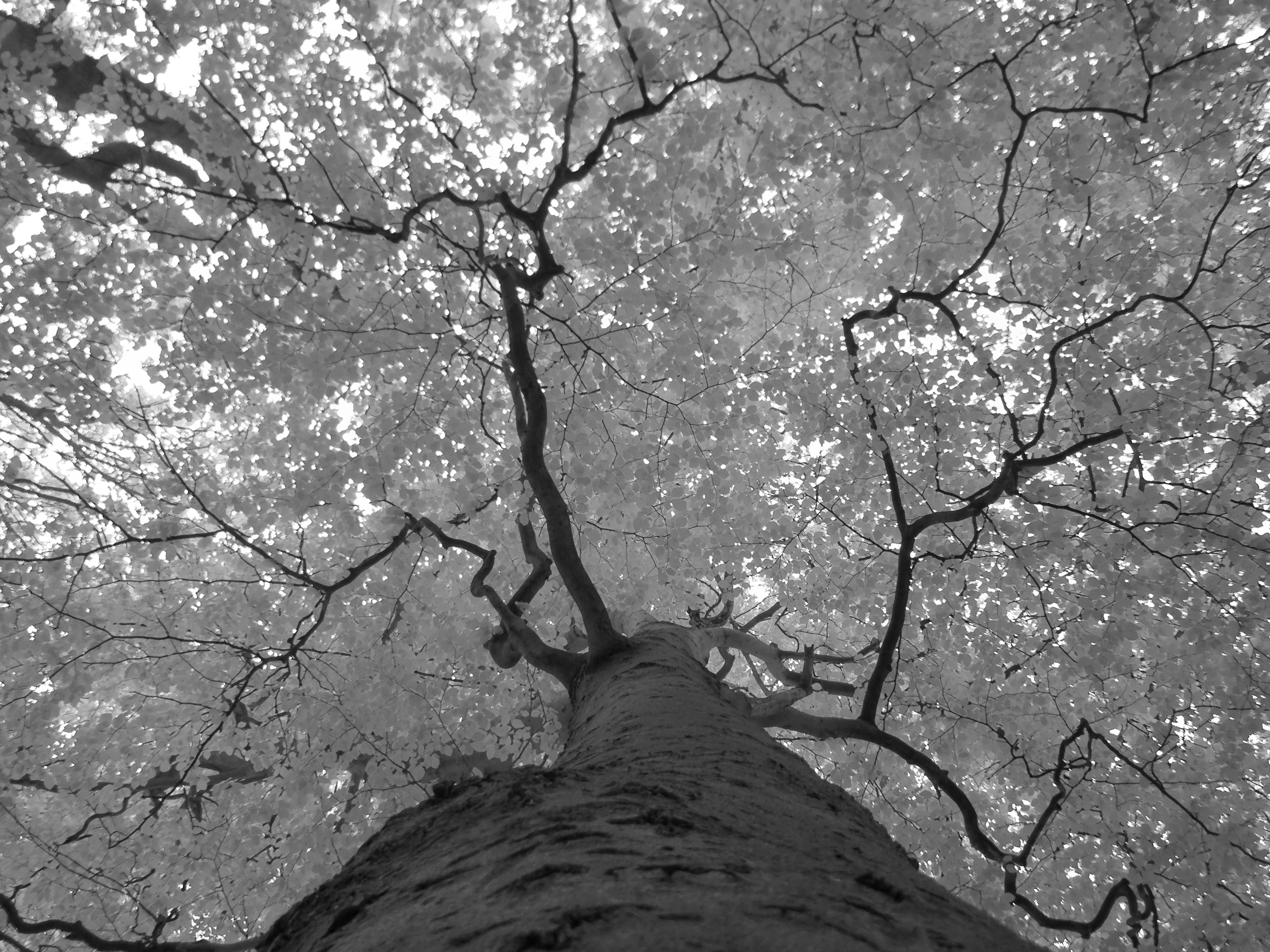
Select between 6 film simulations or modify and save your preferred style to the four slots on the mode dial. More intriguingly, it offers a unique infrared mode, which lets you create unique, surreal black and white images like the one below.
When it comes to image quality, the 13MP sensor will get you images roughly on par with a budget smartphone, so don’t go pixel peeping. But if you are after a stylish and mindful little camera and want to focus on your process instead of tech and resolution than the Yashica FX-D100 is an ideal choice.
The Camp Snap is a simple, fun and affordable compact that’s ideal for those who don’t want to worry too much about technical details, but instead just enjoy the process.
Pros
Cheap entry into digital photography
Honest, simple, fun
Tough
Long battery life
Cons
Delayed shutter response
Limited options
Scroll to see more →
Specifications
Camp Snap
Lens
Fixed focus f/3.2 lens
Sensor
8MP CMOS
Viewfinder
Optical
Screen
No screen / screen-free
Battery
USB-C rechargeable
ISO
ISO 800 Automatic
Flash
Built-in LED
The closest thing you can get to a disposable film camera, but with a digital soul. The Camp Snap with its pared-back design will help you focus on taking photos and staying in the moment. There’s no LCD screen, or Wifi connection to your smartphone, just compose through the optical viewfinder and snap. Keeping it simple.
Featuring only two buttons, it is very straightforward to use. One button will turn the camera on or off and take photos, while the other sets the built in LED flash to On, Off and Auto. The latter function in most cases is best avoided, however.
At the back there’s only a counter, indicating how many snaps you have taken. With the pre-installed 4GB Micro SD card, you can capture up to 1000 images. Photos from the 8MP CMOS Sensor and fixed-focus f/3.2 lens (roughly 35-40mm equivalent) have a vintage 80-90s look.
Camp Snap camera, outdoors on a mostly grey day. Photo Joshua Waller
BEST CHEAP
Best cheap compact camera: Kodak PixPro FZ45
Kodak PixPro FZ45 in red. Photo JW/AP
Amateur Photographer verdict
For $99, the Kodak PixPro FZ45 is one of the cheapest new cameras available. If you do want something better, then you’ll need to look at the used market.
Pros
Easy to use
Includes a real flash
Cheap
Uses AA batteries
Cons
Image quality won’t match other cameras
MicroUSB connection
Scroll to see more →
Specifications
Kodak PixPro FZ45
Lens
4x optical zoom, f/3.0-6.6, 27-108mm equivalent
Sensor
16MP 1/2.3inch CMOS sensor
Viewfinder
No
Screen
2.7in, 230k-pixel, fixed LCD
Continuous shooting
5fps
ISO
ISO 100-3200
Video
FullHD 30p
Battery
2x AA batteries
The Kodak PixPro FZ45 is one of the cheapest compact cameras available from a mainstream brand! It may surprise you to see that Kodak are still making digital cameras, but it’s actually made under licence by another company. This doesn’t really matter too much – the salient point is that you actually get a reasonably good camera, especially when you consider the price tag. In the US, it currently retails for $119 (up from the original price of $99 due to tariffs), and in the UK it’s going for £94.
Kodak PixPro FZ45 group photo with flash. Photo JW
KODAK PIXPRO FZ45 · f/3 · 1/34s · 4.9mm · ISO200
The camera is very easy to use, fits in your pocket, and takes AA batteries. When I used this camera, I was particularly impressed by the built-in flash, which helped with low-light shooting, as well as the battery life which seemed to last for ages when using the provided alkaline batteries.
It’s available in a number of colours, with black, white and red options available, giving you something a bit more interesting than all the black cameras out there.
In this guide, I’ve avoided comparing images pixel by pixel (if you want to see that sort of detail, check out our camera reviews). That said, we’ve come a long way since the simple point-and-shoot camera, and there are some key specs worth considering picking your compact camera. Here are the important things to keep in mind…
Sensor size and resolution
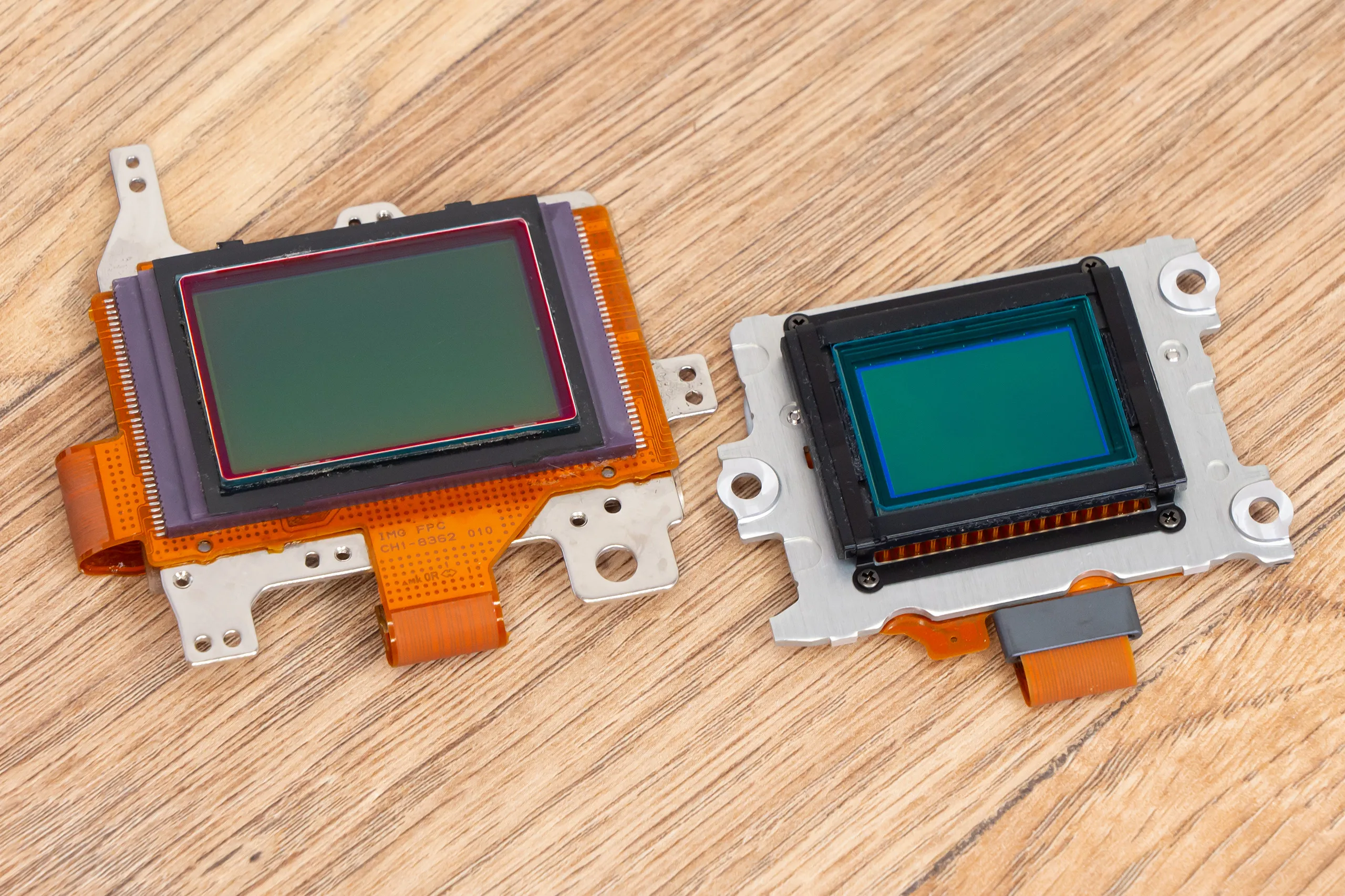
The sensor size and resolution will have a big effect on the final look of your image. With compacts, you’re generally dealing with sensors in 4-5 sizes. From smallest to largest, they are: 1/2.3-inch, 1-inch, Micro Four Thirds, APS-C, and full-frame. A larger sensor is generally better in terms of image quality, allowing for greater tonality and dynamic range. However, they cost more, and require larger cameras to house.
Resolution, measured in megapixels (MP), refers to the level of detail in an image. More megapixels mean you can print images in higher quality, and crop more, but it can incur more image noise, reducing quality in low light.
The lens
The other half of a compact camera is, of course, the lens. The focal range will determine how much you can zoom in and out. Big zooms will naturally give you more versatility, but it tends to come at a cost of optical quality. Indeed, some compacts like Fujifilm’s fabulous X100V don’t zoom at all, being equipped with a high-quality prime lens. These produce sublime images, but if you want to get close to a subject, you need to move your feet.
Speed, noise and video
Other features are worth considering. Want to shoot fast action? Check how many frames per second the camera can manage. Think you’ll be working in low light? A higher ISO range is your best bet. If you want to shoot video as well as stills, check the video resolution and frame rate.
Ricoh GR IV. Image credit: Matty Graham
However, images benefit from compact cameras with a larger sensor (1-inch, APS-C or larger). A compact camera can also field a much larger and more sophisticated lens than a smartphone, which offers a number of advantages. It might provide a large optical zoom range, which even the most sophisticated smartphones still can’t match. Or, it might be a prime lens that provides dazzling sharpness and detail, as well as an aperture that can be opened wide to produce a shallow depth of field — a sharp subject and an artfully blurred background (a.k.a. the effect that the Portrait Mode on your smartphone is trying to simulate).
Smartphones will always win out in terms of sheer convenience. However, compact cameras offer a number of hardware advantages and should not be counted out. Check out our detailed article on the differences between a digital camera and a phone to see all the details, as well as the pros and cons of each system.
What are the disadvantages of choosing a compact camera?
Compact cameras do not suit all photographers and videographers, and it’s worth being fully aware of what you’re getting into before you buy one. That means familiarising yourself with the disadvantages of compacts as well as the advantages.
The defining attribute of a compact camera is its fixed lens. The lens that your compact camera fields out of the box is fixed in place and cannot be changed. If your compact has a focal range of 28-70mm, then 28-70mm is what you’ve got to work with until you buy a different camera. That’s it. So, naturally, if you discover that you enjoy sports or wildlife photography after buying this compact, for either of which you’d typically need a significantly longer focal length, then your only real option is to trade it in for a new model.
Fujifilm X100VI with WCL-X100 wide converter and JJC hood . Credit: Andy Westlake
This also touches on another potential downside – compacts can’t really be upgraded and augmented the way system cameras can. If you buy an entry-level or mid-range DSLR, you can keep adding new lenses as you grow into learning how to use it — and when it comes time to get a more advanced camera, you’ll likely be able to keep using most of these lenses (particularly if you keep the same sensor size). Compacts don’t offer an upgrade path in the same way.
Compact cameras also on average have smaller sensors than interchangeable-lens cameras (i.e. mirrorless and DSLRs). All of the compact cameras on our list above have sensors ranging between 1/2.3-inch, 1-inch, Four Thirds and APS-C — none are full-frame. Smaller sensors will perform worse in low light, with greater digital noise at higher sensitivities. Larger full-frame sensors offer a number of key benefits, and while all the other sensor sizes listed can produce excellent images, there is a gap. See our rundown of full-frame vs APS-C for more detail.
If you want a larger full-frame sensor and the benefits it brings, if you’re on a budget then you’re going to have to opt for a mirrorless camera or DSLR. Yes, there are some full-frame compacts out there, such as Leica’s Q series. However, these tend to be expensive and are therefore really only of interest to niche hobbyists (or, y’know, rich people) rather than general shooters.
Compact cameras can be brilliant for portability, convenience, style and value for money. But it pays to be aware of their limitations, too.
Frequently asked questions (FAQ)
Is a compact camera better than a phone?
The short answer to this is yes: a compact camera can produce better images than a smartphone. The long answer is that in reality it depends on all the factors discussed above. If you buy a budget camera, with a small sensor 1/2.3-inch sensor, then the image quality could easily be equal to or worse than that of a premium phone, particularly if you just look at it on a screen. Modern smartphones do a lot of processing trickery on the images they produce, and while this may not hold up to printing, it’s certainly good enough for Instagram.
How we test compact cameras
Testing compact cameras isn’t just about comparing megapixels or zoom ranges — it’s about discovering how they perform in everyday use. Each model is tested across a wide variety of lighting conditions, subjects, and shooting scenarios.
As compact cameras are designed to be small and convenient, we pay particular attention to build quality, ergonomics, and ease of use. We assess whether the camera fits comfortably in a pocket or bag, and how intuitive their control layout is for quick shooting.
We take a look a screen size, brightness and response time if they have touchscreens. We test their viewfinders with particular attention to size, brightness and colour accuracy. Autofocus performance is another key factor. We evaluate how quickly and accurately the camera locks onto subjects in good and poor light, and how well it tracks moving subjects.
An effective image stabilisation system is also crucial, so we look at how these cameras compensate for shake while shooting handheld and at slower shutter speeds. We also assess lens performance across its entire zoom range, checking for sharpness, distortion, and chromatic aberration. Last but by no means least, we critically evaluate image quality, in both JPEG and raw, including resolution, high-ISO noise, and dynamic range – as well as video capabilities.
We then take all these factors into account when giving our final conclusion and score. You’ll find the full breakdown of how each compact camera has performed in our full reviews.
Recent updates
March 2026: Specifications updated, frequently asked question added, and how to choose section updated.
February 2026: The Yashica FX-D 100 was added as the best retro-styled compact camera.
January 2026: The Canon IXUS 285 HS A was added as the slimmest pocketable compact camera. Prices checked.
December 2025: Added the Fujifilm GFX100RF as the best compact camera for image quality.
October 2025: Added the Canon PowerShot V1 as the best compact camera for video, and removed the Panasonic Lumix LX100 II as it is no longer available to buy new. Removed several cameras rendered redundant by other entries on the list: Sony RX100 VII, Sony RX100 VI, Fujifilm X100V, Sony ZV-1.
Amy is a highly experienced photography and technology journalist who has been working on AP since 2018, having been working in the industry since 2009. She is a graduate of the magazine journalism course at Cardiff University and has written for a wide range of publications and websites. As Features Editor, she is responsible for commissioning an eclectic mix of features connected to general photography, along with interviews. She is also a very experienced reviewer of cameras and associated technology, with her reviews featured on multiple sites including TechRadar, Digital Camera World, Trusted Reviews, ePhotozine, Stuff, Expert Reviews, T3, Photography Blog and more. She is also an expert on smartphone photography and smartphones generally.