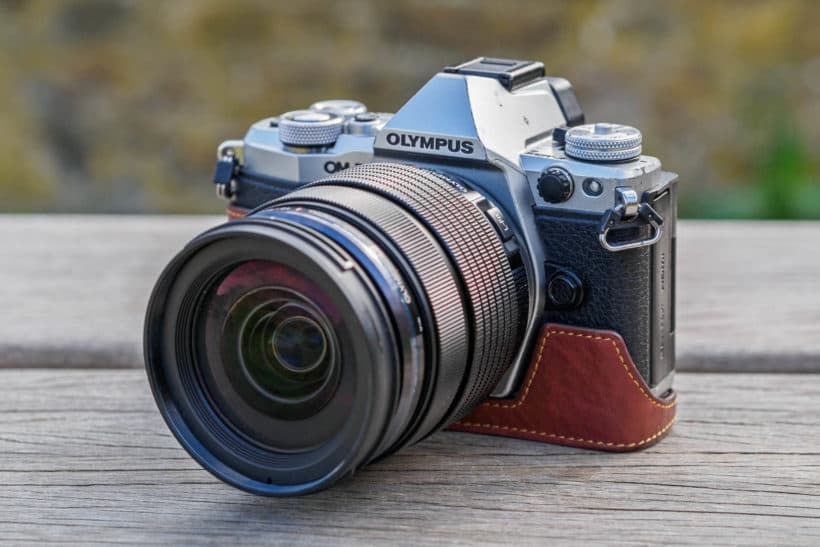




The OM-System OM-5 Mark II was a pleasant surprise when it arrived earlier this year, as it solved all of my main complaints regarding the original OM-5 – and even then, these were quite minor, in the grand scheme of things, but in another way, some of these were things I’d been asking for for well over 10 years of reviewing Olympus cameras.
Olympus has had difficult to use menus for a very long time, and when OM/Olympus introduced the OM-1 (the last Olympus branded camera) the new menus were a breath of fresh air, with colour coding, and a logical layout that finally made sense. These weren’t introduced in the following OM-5, so it was nice to see them in the OM-5 Mark II.

For me, the Micro Four Thirds system is one of the most compelling camera systems available, in fact it offers some of the highest image quality possible for the size. If you want to use a small camera, then there is little image quality on offer from a compact camera (with a small sensor), but with Micro Four Thirds, you can have a larger than 1-inch sensor, and your own choice of lens. I have multiple lenses that I absolutely love to use on OM cameras and can tell the difference in image quality compared to a compact camera or a smartphone.
OM System cameras (and Olympus beforehand) have been amongst the industry leaders when it comes to computational photography, it’s designed to help you capture things that are otherwise more difficult on other cameras. Since Live Bulb/Time, the ability to see the image as it develops on the screen is something that is incredible to see, and it’s worth looking at a demonstration in person or in a video to see how it can be used, and with LiveND you can capture slow moving water without fiddling with filters.
I could go on… but won’t. But look at how many people are choosing OM cameras for macro work and judge them by their work – it will be hard to be anything but impressed. The camera system’s macro features such as focus-stacking, as well as small compact weather-sealed macro lenses, make the cameras a great choice, and in addition to this, the weather-sealing and small size, also make them great for going out in all weather conditions.
How does OM get so overlooked in comparison to other camera brands? Perhaps it’s time for the obsession with full-frame sensors to be left in the darkroom. (ha-ha, see what I did there, made a 35mm film reference).
Related reading
- Why Micro Four Thirds offers something no-one else can
- Is Micro Four Thirds dead? (or just an easy target?)
- Here’s what I’ve learned from taking 200,000 photos in 25 years
The views expressed in this column are not necessarily those of Amateur Photographer magazine or Kelsey Media Limited. If you have an opinion you’d like to share on this topic, or any other photography related subject, email: [email protected].
Follow AP on Facebook, Instagram, YouTube and TikTok.