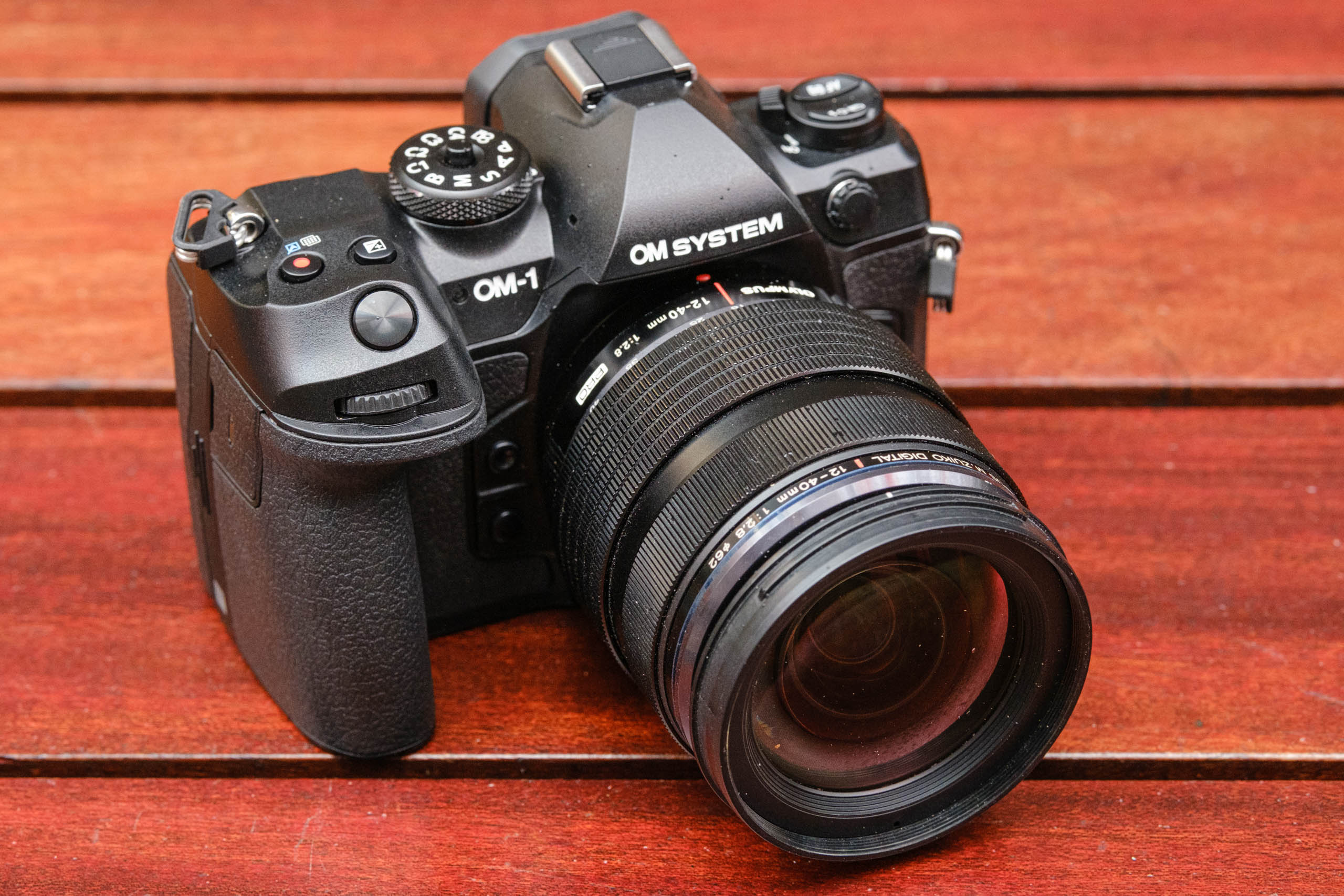




However, if you need 120fps continuous shooting, then alternatives (with Stacked BSI CMOS sensors) are considerably more expensive. This includes the Nikon Z8 at $3,699 / £2,999 (11MP at 120fps), and the Sony A9 III at $5,998 / £5,000 (24MP at 120fps).
OM System OM-1 Mark II Review – a worthy successor
Our Verdict
5/5OM System OM-1 Mark II Verdict
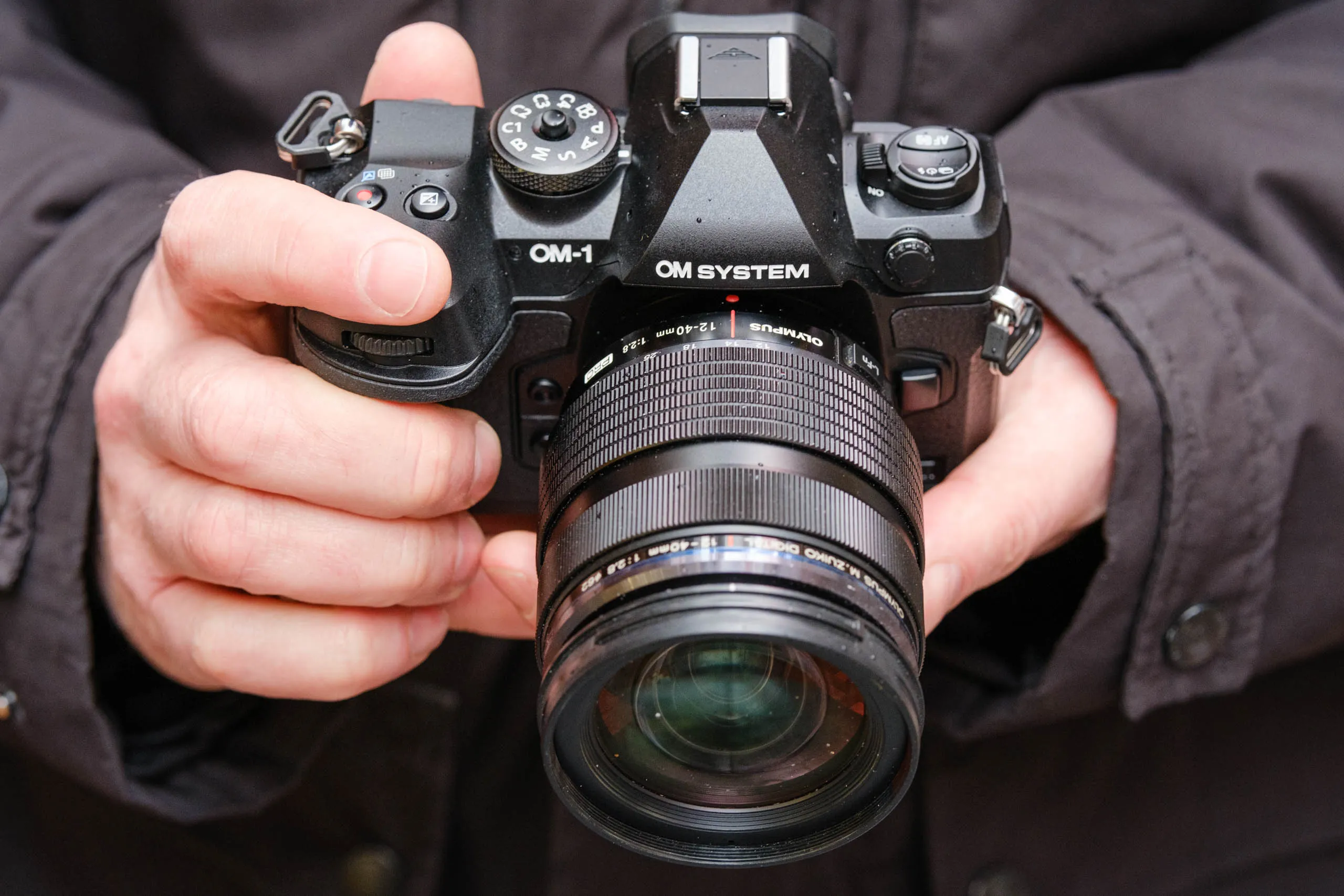
Gone is the Olympus branding, and introduced is a range of useful new features. Whilst not all of these changes are revolutionary, the camera has one of the fastest sensors available, with just a small handful of cameras offering such high-speed continuous shooting, and the others are notably more expensive. It’s also introduced further impressive photographic features that really do help make it an impressively compact, and capable camera system.
Playing to Micro Four Thirds strengths, there’s a relatively compact camera body, IP53 weather-sealed rating, and along with a range of compact lenses, you can now leave your grad ND filters and holders at home, and simply use the built-in feature.
The OM-1 was, and still is, an impressive camera, and the Mark II builds on that, with new features, improved continuous shooting, and a few other tweaks that make an already impressive camera even better. For some people this will be worth the cost, but others might turn to the original OM-1, especially when on offer.

The OM-1 Mark II answers a lot of the small complaints we had with the first OM-1: quicker access to subject selection AF (now on the Super Control Panel), and there are other improvements too. The menus looks good, but as is the case with most camera companies, there’s no search function, and it really is time for camera menus to develop search functionality.
With the same sensor and processing as the original OM-1, the camera gives the same high image quality as the original OM-1. This gives extremely pleasing colours, great levels of detail, and very good dynamic range.
There’s a lot to like about the 20MP BSI Stacked CMOS sensor in the OM-1 (and Mark II), as it enables the ultra-high-speed 120fps continuous shooting, and up to 50fps shooting with continuous AF, with the right lens. If OM switched to another sensor, perhaps giving higher resolution, then we’d most likely have lower continuous shooting speeds, and maybe even higher noise levels. If you do want higher resolution images, then the 50MP/80MP hi-res modes work really well.

OM-1MarkII · f/6.3 · 1/500s · 548mm · ISO500
Obviously, this isn’t a full-frame camera, but if you’re expecting OM to release a full-frame camera, then you could wait forever. There are benefits to smaller sensors, including size, speed, and price. If you do want 120fps raw from a full-frame camera, you’re going to need to spend 3x as much for a Sony A9 III.
The real question is, will these new features be tempting enough for existing Olympus/OM users to upgrade? If you already own the OM-1, then there might not be enough here, and you can rest assured knowing you already have an extremely capable camera.
With excellent subject detection auto-focus, you can rely on getting great shots from the OM-1 Mark II. It’s available now, and is both an enjoyable camera to use, with excellent handling, and has a vast range of features to explore.

See more sample photos taken with the OM System M.Zuiko 150-600mm lens