

Amateur Photographer verdict
A refreshing change for prime telephoto users looking for greater versatility and an eye-opener for wildlife enthusiasts who’ve previously been limited to shoot telezoom.
- Huge focal range
- Image Stabilisation
- Compatible with teleconverters
- Weather sealing
- Bulky and heavy
- Slower variable max aperture
- Non-removable tripod collar
Canon RF 200-800mm F6.3-9 IS USM at a glance:
- Price $2249 / £2299
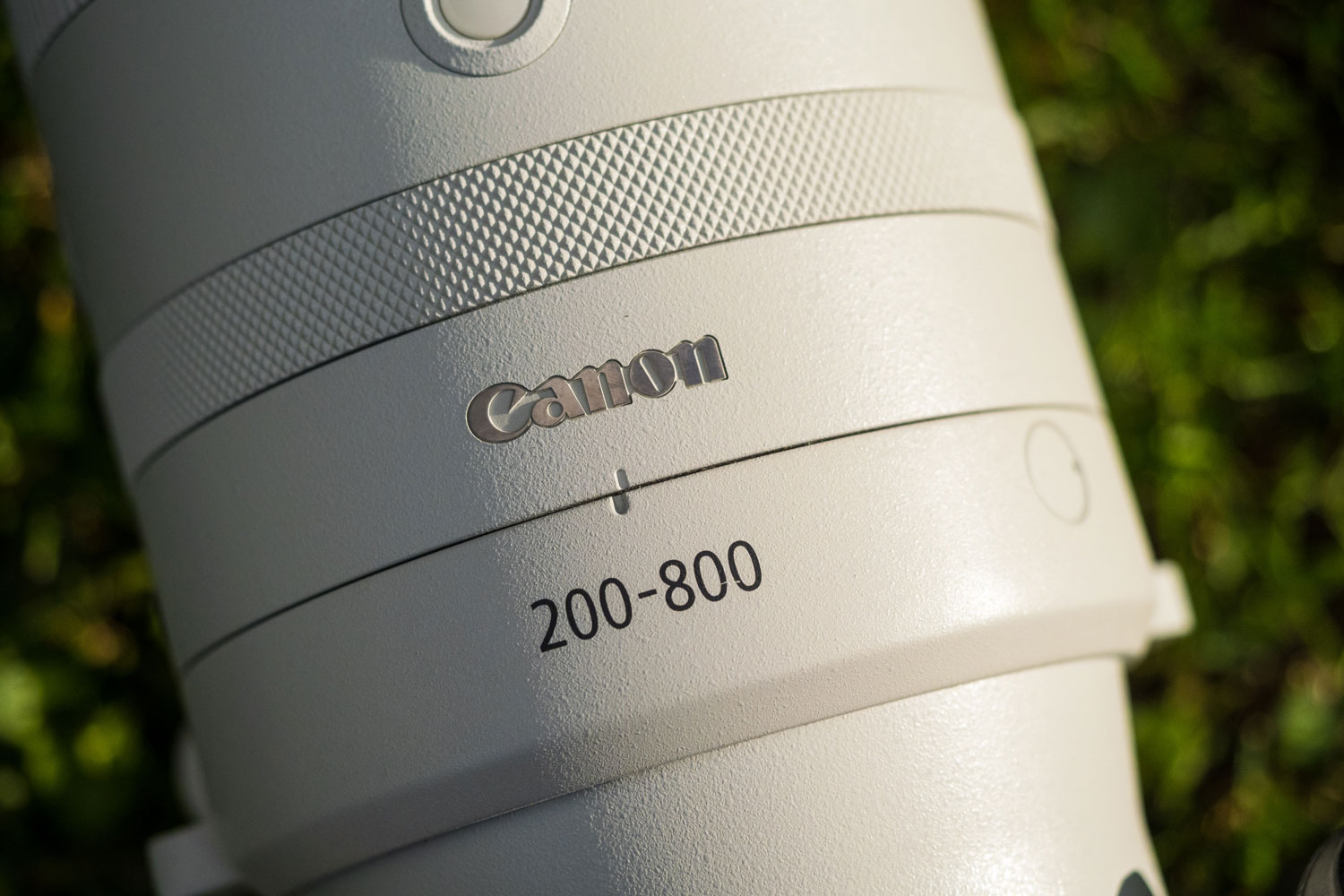
- 200-800mm focal-length range
- 5.5 stops of optical image stabilisation
- 314.1mm long, 2050g
- 0.8-3.3m minimum focus
- Canon RF mount
When searching for the best RF lenses for Canon, those who want to “go long” usually need deep pockets. That was always the issue for sports and wildlife photographers seeking a lens with an extended focal length. What’s more, while Micro Four Thirds users had options that benefited from a 2x crop factor, full-frame camera users would typically have to save up for expensive primes.
Enter the RF 200-800mm F6.3-9 IS USM, an optic launched in November 2023 that delivers unprecedented zoom reach for Canon’s mirrorless users. This comes with a $2249 / £2299 price tag that’s attainable for keen wildlife photographers. Too good to be true? Maybe, as many may be put off by a slow maximum aperture of f/6.3-f/9, and the sheer bulk of the lens. But do these numbers tell the full story of this interesting optic, and is it (quite literally) worth the weight?
Canon RF 200-800mm F6.3-9 IS USM – Features
When it comes to this lens’s features, there’s more than immediately meets the eye. First up, let’s take a step back and admire the white paint job that’s usually reserved for Canon’s professional L-series optics. It gives the lens more of a premium feel, as well as adding an element of thermal protection to keep the internals cool. That’s useful if you are planning to be shooting in direct sunlight for extended periods of time.
Canon describes the 200-800mm as an ‘enthusiast level’ lens, but I think this sells the optic short, as it could certainly find a home in the gear bags of more semi-pro wildlife photographers. The zoom range lends itself to subjects such as deer or birds that won’t tolerate photographers getting too close. It should also be handy in scenarios where you’re limited in how you close you can get – photographing seals from a boat, for example.
The 200-800mm isn’t just limited to wildlife, however, and will also interest nature, sports and even landscape photography lovers. For example, the closest focusing distance is 0.8m at 200mm, rising to 3.3 metres at 800mm. This enables users to fill the frame with small subjects close by, opening further doors for nature photography. The compressed field of view when you switch from 200mm to 800mm with a twist of the zoom ring can completely change the look of a landscape scene, isolating elements to help them stand out.
When paired with an APS-C body, such as the Canon EOS R7, the equivalent focal length increases to 320-1280mm, expanding the versatility even more. As the lens is compatible with Canon’s RF 1.4x and 2x tele extenders, a maximum focal length of 2560mm equivalent is achievable, but at an extremely small aperture of f/18.
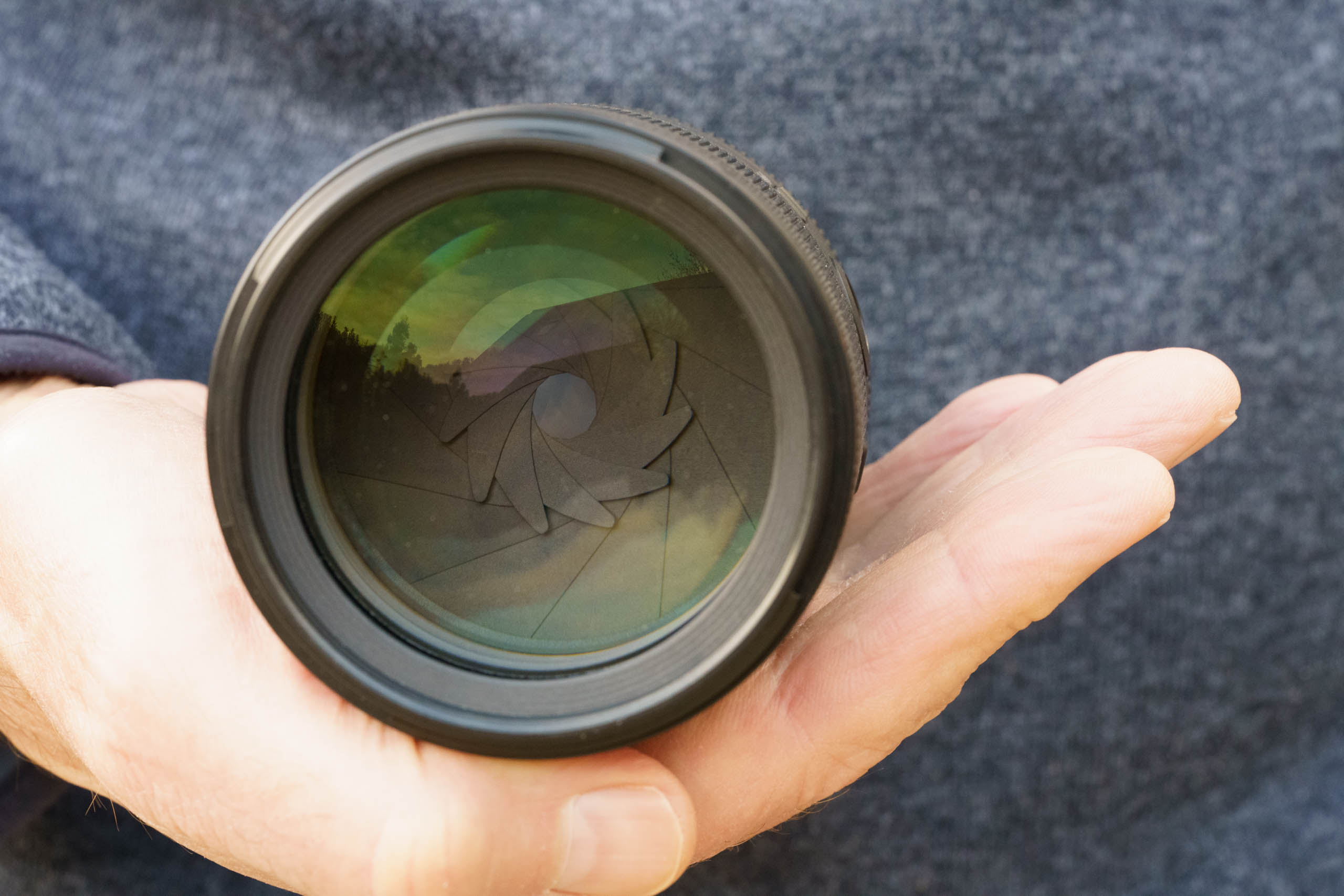
Featuring an optical construction of 17 elements in 11 groups, there is plenty of glass here. Three UD lenses are used to correct chromatic aberration, while a nine-bladed aperture is designed to deliver pleasant bokeh. The lens also benefits from Canon’s Super Spectra coating, which aims to reduce ghosting and flare.
As you can guess from the IS in the name, the 200-800mm boasts Canon’s Optical Image Stabilisation. This affords the user 5.5 stops of compensation, or 7.5 stops on bodies with in-body image stabilisation (IBIS). That goes some way to combating the slower maximum aperture, at least when your subjects aren’t moving.
Canon says the 200-800mm offers resistance against dust and moisture equivalent to the brand’s L-series lenses. Photographers can also make use of the big lens hood to shield the front element from glare. The lens accepts screw-in filters, although with a thread size of 95mm, these will be expensive.
Canon RF 200-800mm F6.3-9 IS USM – Build and handling
The 200-800mm is not a small lens, measuring 314mm in length. This could easily exceed the dimensions of your camera bag, depending on which camera body you pair it with. The lens doesn’t feature internal zooming either, so the front extends by about 9cm when you increase the focal length. But this doesn’t heavily affect the centre of gravity, so you don’t feel the lens is front-heavy.
Tipping the scales at 2050g, this lens is nearly 500g heavier than Canon’s RF 100-500 F4.5-7.1 L IS USM: another, more expensive option that could be on the radar of wildlife photographers looking to upgrade their kit bag. Although the maximum aperture is pretty limited at f/7.1 to f/9, this is still faster than the fixed aperture found on Canon’s RF 800mm F11 IS STM prime optic. But then again, this is half the price of the 200-800mm, and just 60% of the weight.
During my time with the lens, I made use of a monopod to take the weight, and I think many photographers will side with this option or go even further and use a tripod. When I was capturing imagery in a wildlife hide, I switched to a bean bag to cushion the lens on the window ledges.
Near to the camera, there is a combined manual focus and control ring, along with switches to flip from auto to manual focus, and to turn the Image Stabilisation on and off. There are also two AF stop buttons, one for horizontal and the other for vertical shooting.
You may expect some sort of zoom lock switch to stop the lens extending during transit. But instead, Canon has fitted a zoom torque adjustment ring which ranges from Smooth to Tight. When set to the latter, there is very little chance of zoom creep.
There is a tripod mount, which is great for pairing with your monopod, but adds weight to an already hefty optic. It isn’t removable either, which is a shame, as there were many times when I was moving around where I would have chosen to leave it to one side. What’s more, the tripod collar is not Arca-Swiss compatible, meaning you’ll need to add a separate plate if you use an Arca-Swiss tripod head. This is a further misstep by Canon, especially given the price tag.
Canon RF 200-800mm F6.3-9 IS USM – Autofocus
After testing the lens in a range of lighting conditions, I’m generally pleased by the autofocus performance. For the most part, photographers will be focusing on subjects a fair distance away, and this is when the autofocus works at its best. Even when I switched to movie mode and was capturing videos, the lens kept up well and held focus, rather than hunting around.
The only problems I came up against were when trying to focus as close as I could to the lens’s limits. This wasn’t really an issue at 200mm, but trying to walk the tightrope of the 3.3m closest focusing distance at 800mm was less reliable.
Overall, though, the AF performed a lot better than I expected from a lens of this size and nature. It also excelled well when I paired the optic with the EOS R5 Mark II’s Subject Detection technology, with the combo picking up small birds in the frame quickly and accurately.
Canon RF 200-800mm F6.3-9 IS USM – Image quality
Make no mistake, this is a lens that punches above its (substantial) weight in terms of optical quality. Detail and clarity are impressive, especially around mid-range apertures. Flare and ghosting are well controlled, too. Shooting into the light returned a few frames that showed slight signs of chromatic aberration, but this was resolvable with correction treatment in Adobe Lightroom. Against bright blue skies, a hint of vignetting becomes evident, but this is very minor.
On overcast days, though, you will have to raise ISO levels to keep shutter speeds fast enough to ward off shake – especially if you are under the shade of a tree’s canopy. I tested the lens with the 45MP EOS R5 Mark II and the older 20MP EOS R6. Pushing ISO levels up to ISO 4000, both cameras served up files where any visible noise was easily corrected in Adobe Lightroom.
Overall, the level of clarity and sharpness in the frames I captured landed at a level I would expect from a lens with a higher price tag. Maybe not on the same page as a pricey 400mm f/2.8, but certainly heading that way.
Canon RF 200-800mm F6.3-9 IS USM – Verdict
The 200-800mm is definitely a lens that can help you capture amazing imagery, returning frames that are good enough for a photographer who makes their living from their images. But it’s also an optic that you will have to adapt to using, especially if you’ve previously been used to holding lighter optics, or lenses from systems such as Micro Four Thirds. In many ways, the weight is less of an issue than the length. Parking the ‘finding space in your bag’ issues aside, you do feel conspicuous carrying such a big, white lens. Especially as a lot of the time, I preferred to abandon the bag completely and carry the lens with a monopod attached.
The optical quality of the glass will take many by surprise, and the long zoom will definitely help you capture images that were previously out of reach. As a result, the 200-800mm is likely to appeal to both upper-end enthusiasts and semi-professional users. Perfect on the side of the runway at airshows, exceptional in the birding hide and great for wildlife. The vast focal-length range gives users so much choice for composition options.
Ultimately the 200-800mm is a refreshing change for prime telephoto users desperate for greater versatility and an eye-opener for wildlife enthusiasts who’ve previously been limited to shoot telezoom focal lengths. This is a lens that justifies its tag as one of the most interesting optics on Canon’s RF line-up, albeit one that brings a unique set of compromises to the table.
Full Specifications
| Filter Diameter | 95mm |
| Lens Elements | 17 |
| Groups | 11 |
| Diaphragm blades | 9 |
| Aperture | f/6.3-9 – f/32-54 |
| Minimum focus | 0.8-3.3m |
| Length | 314.1mm |
| Diameter | 102.3mm |
| Weight | 2050g |
| Lens Mount | Canon RF |
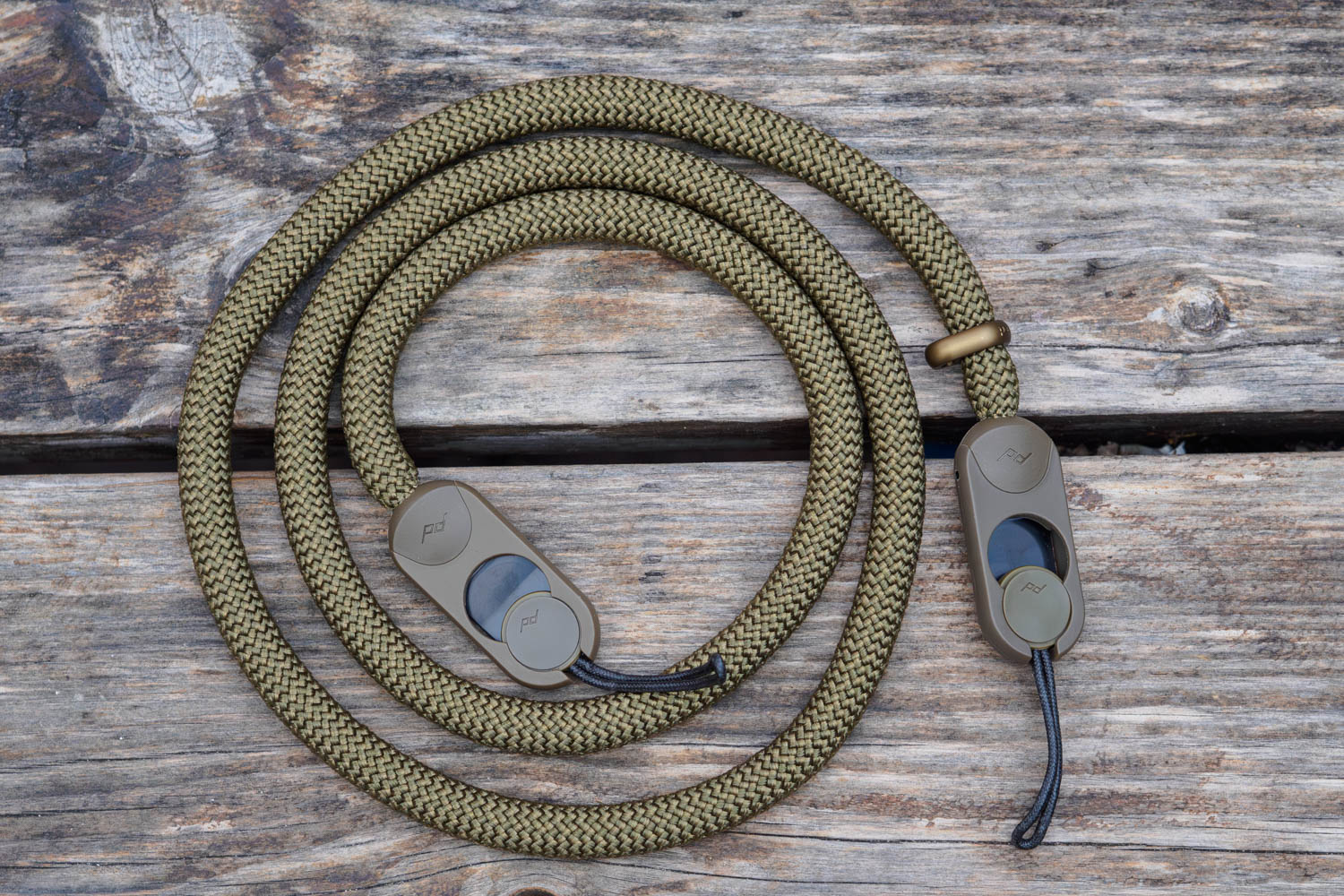
| Included accessories | Hood, caps, tripod collar, strap |