


When looking for the best iPhone for photographers, you might be inclined to think that the top-line models are what you should be spending your money on.
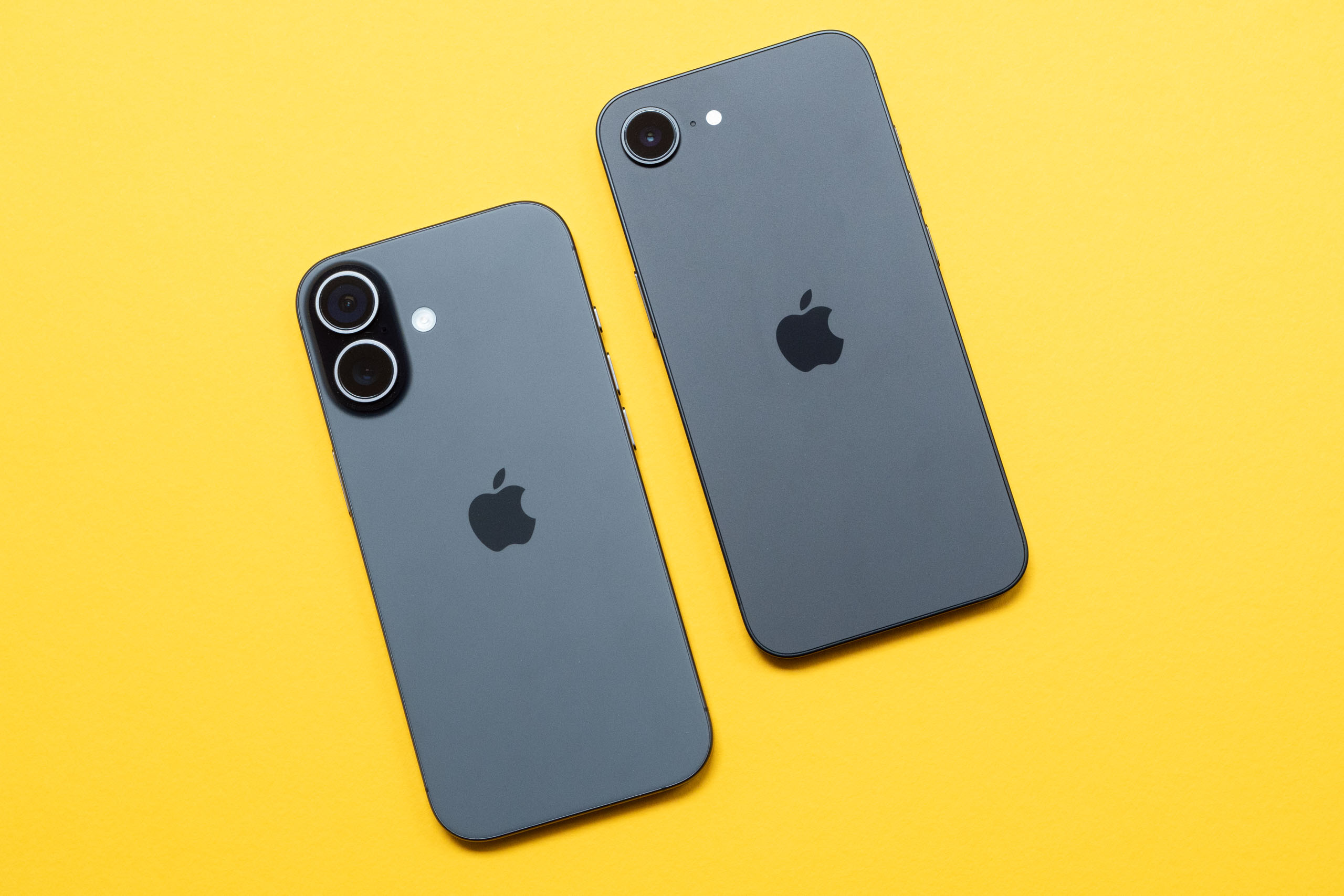
But, if you want to save cash, while still holding in your hands an Apple product, you do have some options. You can go second-hand, or you can look at the cheaper options in Apple’s current line-up. Right now, the two most recent “cheap” iPhones are the iPhone 17 and the iPhone 16e

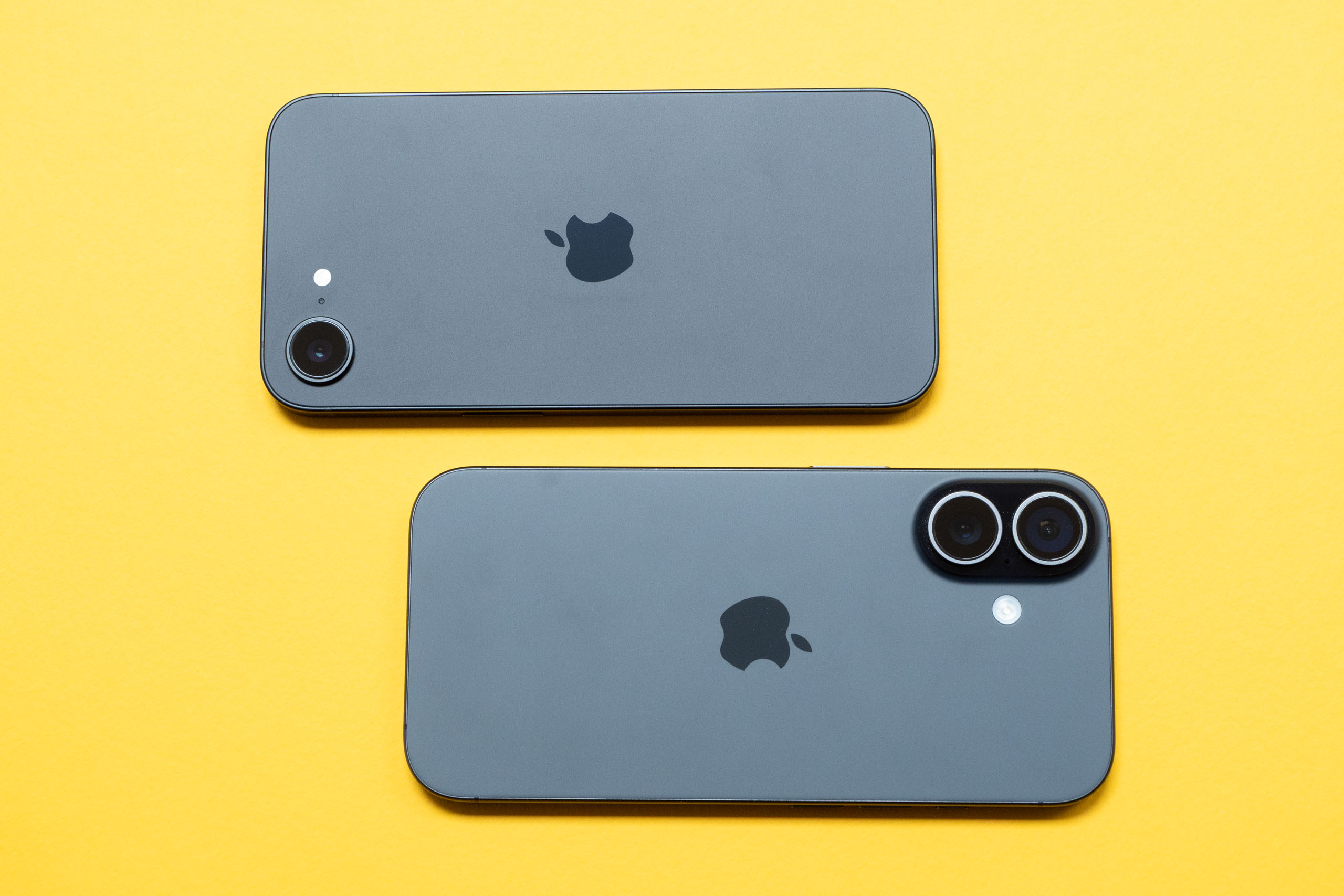
The iPhone 17 sits below the flagship iPhone 17 Pro, while still offering many of the same or similar specifications, while the iPhone 16e is designed squarely as the affordable option. Of course, both have cameras, but the iPhone 16e only has one, while the 17 has two.
Other differences are of course there, which I’ll come on to in a moment. But, in terms of price, then you’re looking at a significant saving if you opt for the iPhone 16e, which is available for as little as $599/£599, while the lowest price for the iPhone 17 is $799/$799.
But, as I’ve learned over the years, cheaper doesn’t necessarily equate to better value for money – so let’s explore this a bit further.
iPhone 17 vs iPhone 16: Specs
In the table below, I’ve compared some of the key specs of the iPhone 17 and the iPhone 16 Pro.
For the cameras, the biggest difference is of course the fact that one phone has two cameras, while the other has just one. On the plus side for the 16e, the one that it does have is a pretty good offering – being 48MP and f/1.6, with a standard output of 24 megapixels.

If you opt for an iPhone 17, you get the same camera, plus an additional ultrawide camera, giving you a 13mm equivalent focal length. It could be that you’re not wholly bothered by having this, only you can say how much you would use an ultrawide lens.
Both phones are lacking in a telephoto lens, so any zooming will have to be done digitally. Both have in-sensor 2x cropping, as well as 10x digital zoom. It’s perhaps also worth noting that with neither model can you shoot in raw (not something I ever do, but if you want it, you won’t have it here – you’ll need a Pro model to achieve that).
The selfie camera is notably better for the iPhone 17. There’s the new square sensor that is also found on the higher-end iPhone 17 Pro model, and it’s a higher resolution at 18MP. The square sensor means you can take horizontal pictures without having to physically rotate the phone – a feature which is arguably more useful than it sounds. The iPhone 16e has a 12MP selfie sensor.

Elsewhere, both models have a Portrait mode, but the iPhone 16e’s is much more restricted. You can only use it for humans (so no pets), plus you can’t add a portrait effect after you’ve shot an image – you can do both of these things with the iPhone 17.
There is a Night mode on both models, but a macro mode only on the iPhone 17 since that requires an ultrawide lens to work.
Both phones have an Action button which you can use to launch the camera and take shots, while neither have the “Camera Control” button found on the iPhone 17 Pro and iPhone 16 Pro models.
| iPhone 17 | iPhone 16e |
|---|---|
| 48MP f/1.6 main camera, OIS, 24MP output,26mm | 48MP f/1.6 main (only camera), OIS, 24MP output, 26mm equivalent, 2x in-sensor crop zoom |
| 48MP f/2.2 ultrawide camera, 24MP output, 13mm | N/A |
| No telephoto lens | No telephoto lens |
| 18MP f/1.9 selfie camera with square sensor | 12MP f/1.9 selfie camera |
| HEIF, JPEG stills | HEIF, JPEG stills |
| 4K 60fps video | 4K 60fps video |
| 6.3-inch XDR OLED Super Retina 2622 x 1206 pixels, 3000 nits max brightness, 120Hz refresh rate, Ceramic Shield 2 front only | 6.1-inch OLED Super Retina 2532×1170 pixels, 1200 nits max brightness, 60Hz refresh rate, Ceramic Shield Front |
| IP68 splash, water and dust resistant | IP68 splash, water and dust resistant |
| Apple Intelligence, A19 processor | Apple Intelligence, A18 Processor |
| 30 hour battery life, wireless and fast charging (40W) available | 26 hour battery life, wireless and fast charging (20W) available |
| 256GB/512GBstorage | 128/256/512GB |
| 149.6 x 71.5 x 7.95mm, 177g | 146.7 x 71.5 x 7.80mm, 167g |
Outside of the photography-centered specs, there’s other things to be mindful of. The iPhone 17 has a larger, higher resolution and brighter screen. It’s also got a better refresh rate than the 16e, so the viewing experience should be better all round. Both models have IP68 splash and dust resistance however, plus they both have a Ceramic Shield front – that’s particularly impressive for the cheaper model.

Battery life is slightly better for the iPhone 17, and it also has quicker fast charging available. It’s great that both support wireless charging – it’s often the case that cheaper phones do away with this, presumably seeing it as a luxury rather than a necessity.
Both models have Apple Intelligence inbuilt, but the iPhone 17 has a faster A19 processor, which makes the overall experience quicker.
iPhone 17 vs iPhone 16: Image Quality
I took images with both the iPhone 17 and the iPhone 16e in a variety of different situations to allow me to directly compare the two. Scroll down to see some comparisons – the first image is always the iPhone 17, and the second image is always the iPhone 16e.
GENERAL IMAGES

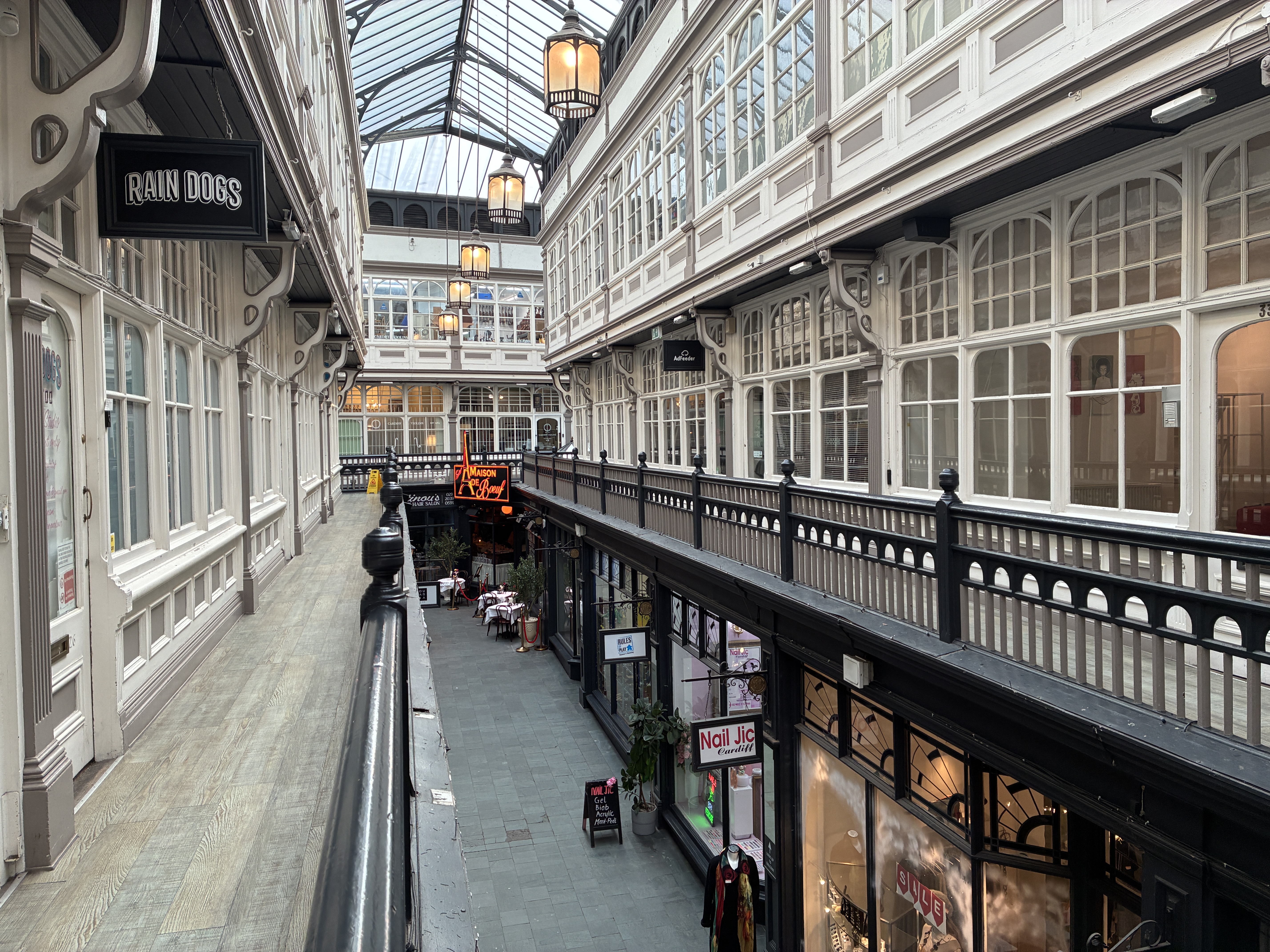
Both the phones do pretty well here, with good colours and lots of details. The lenses may or may not be the same – Apple can be a bit cagey about things like that, but they do share very similar specifications. Here at least there’s little to separate the two.
ULTRAWIDE
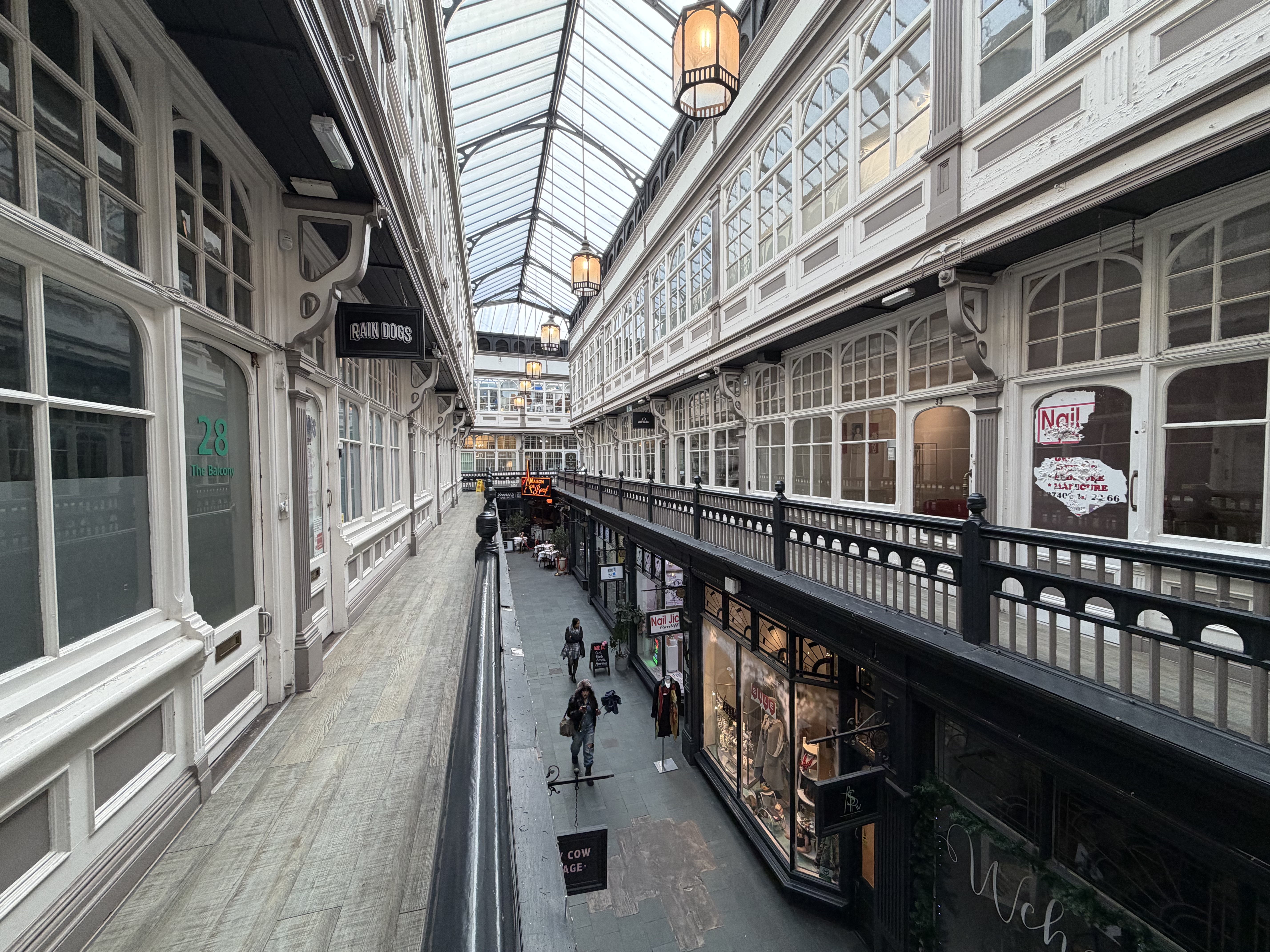
Obviously, there simply is no ultrawide for the iPhone 16e, so there’s no comparison picture here, just the one from the 17. If you think you’ll use this a lot (it’s something I like to use fairly frequently), then the 16e may not be for you.
ZOOM 2X


Both the iPhone 17 and the iPhone 16e offer in-sensor 2x cropping. They both deliver pretty good results, and if the two sensors are the same that makes a lot of sense. I’d be happy to use either of these options, making it less problematic that neither phone has a zoom lens.
ZOOM 10X


You can digitally zoom with either model, but by the time you reach the maximum 10x, images are a little lacking in detail from both. I would avoid this unless you’re really keen for a “record” shot and don’t care too much about the quality.
MACRO
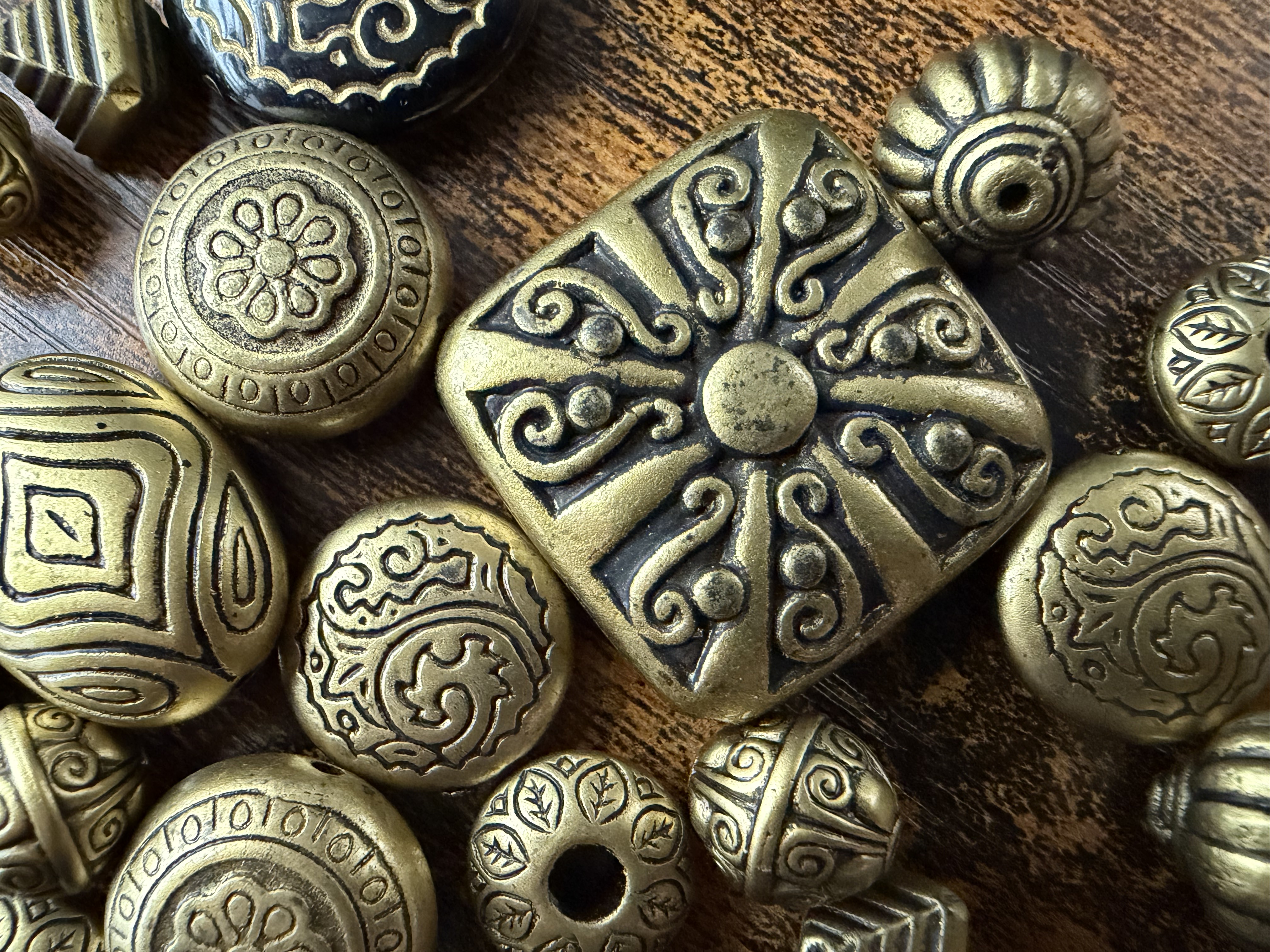
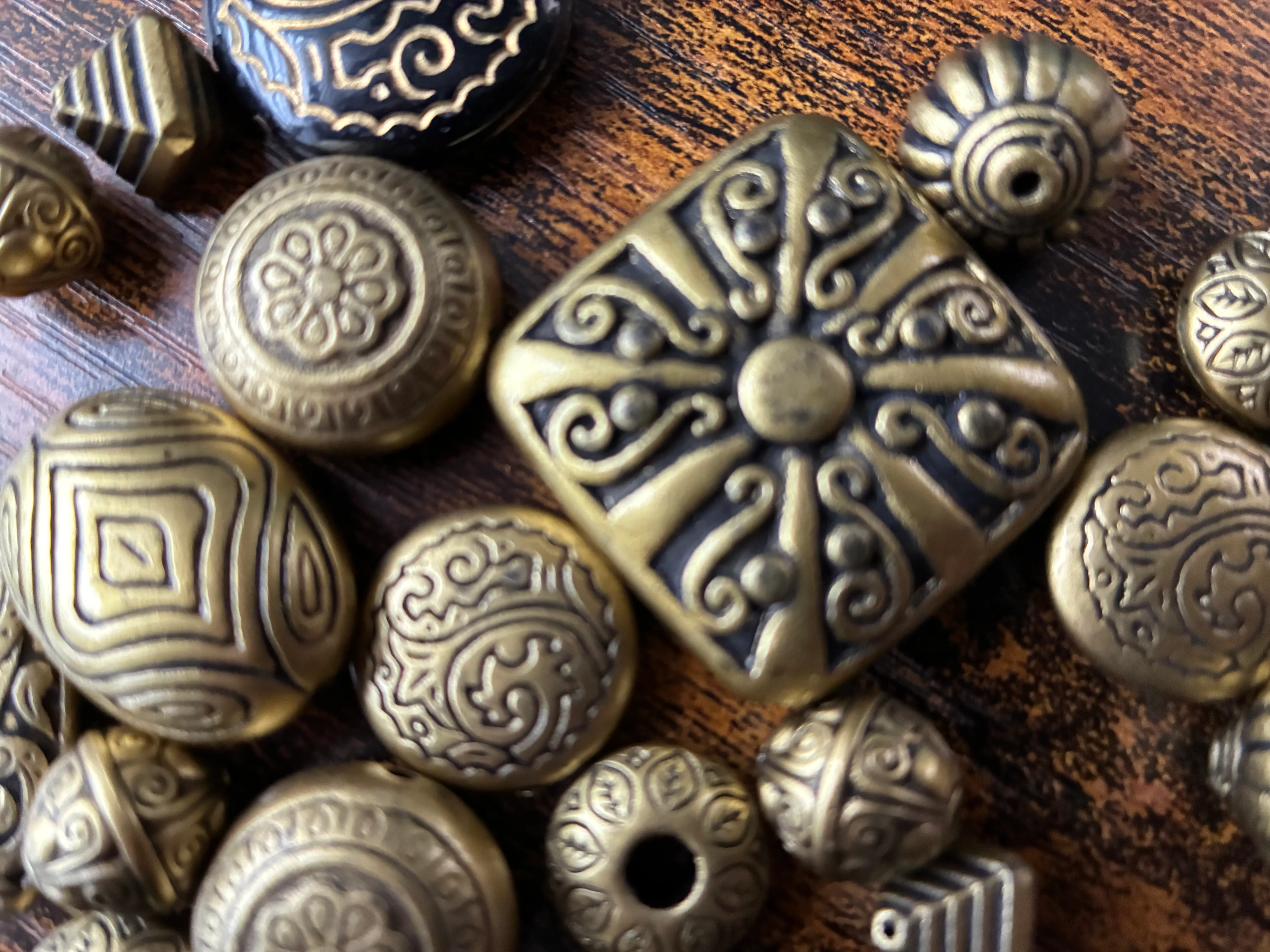
The iPhone 16e doesn’t have a macro mode, thanks to not having an ultrawide angle lens. Therefore you simply can’t get super close to a subject. The iPhone 17 has one. You can clearly see here the difference it makes – the iPhone 16e is incapable of focusing so close.
LOW LIGHT

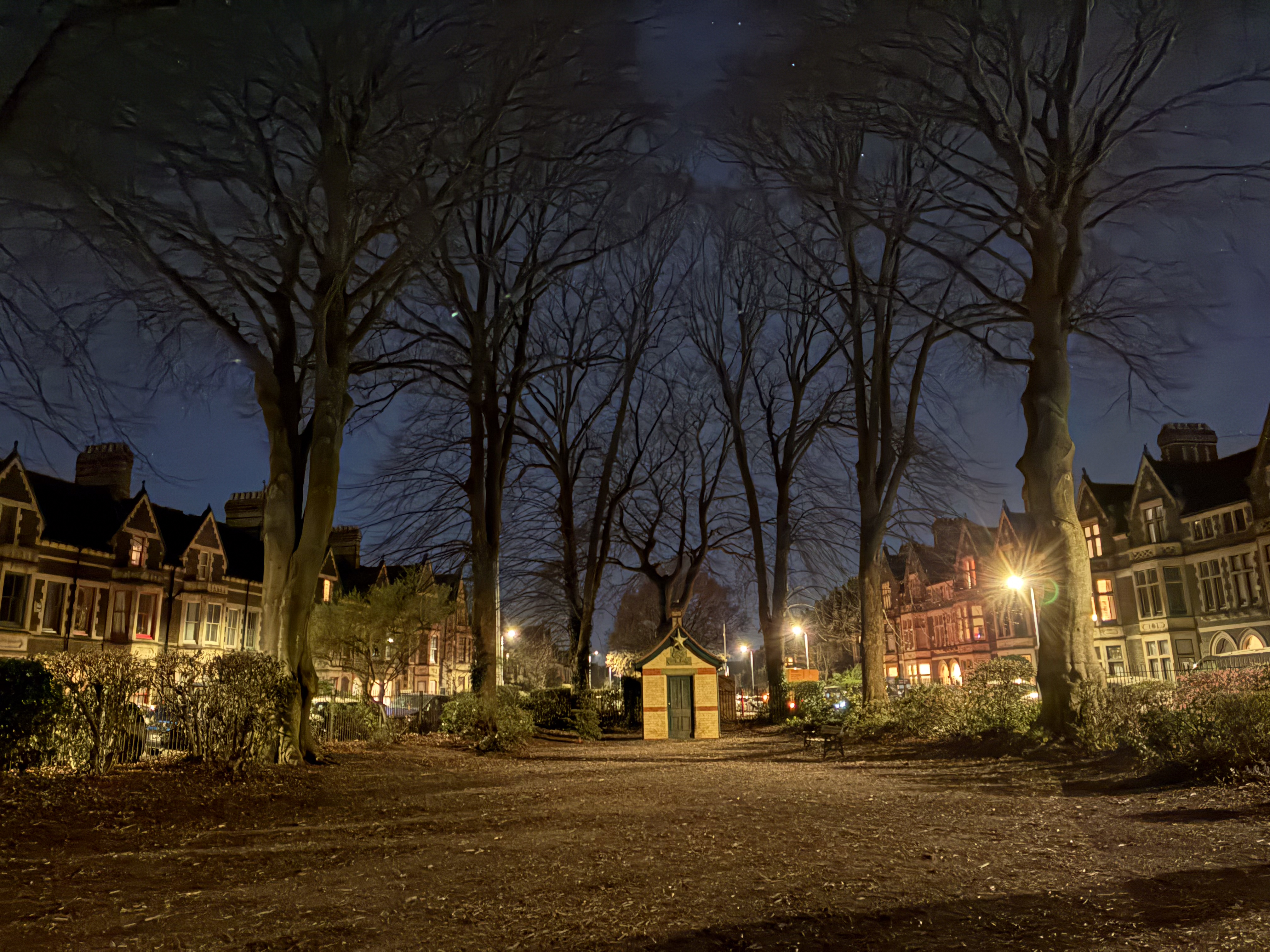
Both phones have a night mode, but the iPhone 17 seems to have done a much better job compared to the iPhone 16e – there’s lots more detail and far less smudging. If low light is something you do a lot of, I’d be inclined towards the iPhone 17.
PORTRAIT


Both models are very capable of taking great portraits. However the big difference is how Portrait mode works. With the iPhone 17, every photo you take in the normal Photo mode (if it’s of a person or a dog or cat) can later can be converted to a portrait. With the 16e, you have to activate Portrait mode first. A small things, perhaps, but it can lead to missed moments. Not only that, but the iPhone 16e won’t let you do portraits of dogs or cats, either, which is a big shame.
SELFIE


The selfie camera on the iPhone 17 is higher resolution, and also has the new square sensor which enables photographing in landscape format without having to actually rotate the camera. Both actually produce fairly similar results, with a little more detail from the iPhone 17. Another difference is that you can’t convert a selfie into a “Portrait” selfie (blur the background) with the iPhone 16e, unless you shoot in that mode initially. So while the overall results are fairly similar, you get more flexibility with the iPhone 17.
iPhone 17 vs iPhone 16e: Price and Value for Money
It’s important to distinguish again here the difference between price and value for money.
The iPhone 16e is cheaper than the iPhone 17, it’s as simple as that. It starts at $599/£599 for a 128GB device, whereas the iPhone starts at $799/£799 (though you do get 256GB). A like for like comparison between the two storage sizes is $699/£699 for iPhone 16e 256GB. There’s also a 512GB option for both, which is $899/£899 for the iPhone 16e and $999/£999 for the iPhone 17.

What we’re looking at here is $100/£100 uplift for the iPhone 17 if you want the same storage size.
Now, does that make it worse value for money, because it’s more expensive? I say absolutely not. For that extra $100/£100, you get a lot, several specs which even individually would make it worth the extra cash.
There’s an extra lens, there’s a better and larger screen, there’s better battery life, a faster processor and there’s better flexibility with some of the camera’s modes (such as Portrait mode). All of those extras for £100 I’d actually say is a bit of a bargain, really – especially as they are genuinely useful features.

You could also consider the iPhone 17 Pro, but there you’re forking out a minimum of $999/£999. You get extra stuff for that cash, but, I’d certainly argue it’s less useful stuff, or stuff that you can happily live without.
Verdict
Overall, you can get some great pictures from either of these models.
However, the iPhone 16e is a little bit of a disappointment. Yes, it’s cheaper than the iPhone 17, but you get so much less for it, that the saving becomes questionable.
If you can afford the extra for the iPhone 17, you get so much more for your money that it undoubtedly represents better value. It would be better to save for a bit longer and get the more expensive model – it’ll likely last you a bit longer, too.
There are several rumours that an iPhone 17e is very imminently about to be announced. Perhaps it will bring the two models a little closer together, but right now, I’d advise anyone to go for the iPhone 17 and eschew the 16e.
Which one would you opt for?
Related reading:
- iPhone 17 Pro vs 16 Pro: Which takes the best photos, and should photographers upgrade?
- iPhone 17 Pro review: Apple’s best camera, but is it worth upgrading?
- iPhone 17 review: is this the iPhone you should buy?