





The Moto G77 pairs a premium 108MP camera and 5000-nit AMOLED screen with a budget price. But does a dated chipset and 2K video limit hold this stylish Motorola back?
Amateur Photographer verdict
At £250, it’s a tough sell against more reliable rivals. While the 108MP camera shines in daylight, the 2K video cap and sluggish performance make last year’s G86 a much smarter buy.
- Large, bright screen
- Main camera does okay in good light
- Sub par 2K video
- Very soft results from ultra-wide camera
- Sluggish performance
- Prone to lens flare
After some delay, Motorola ventured into the Fold phone realm and also added a new ‘Signature’ line as its premium flagship. Their budget camera phone offering got a fresh batch of devices as well, with the G77 in the middle of their lineup, offering a 108MP main camera.
Moto G77 at a glance:
- Price: £250
- 108MP (23mm) main camera, f/1.7 PDAF OIS
- 8MP (15mm) ulra-wide camera, f/2.2
- 32MP (22mm) selfie camera f/2.2
- 6.78in, 120Hz AMOLED, Corning GorillaGlass3, 5000nits peak brightness
- 2K30p video
- 5200mAh battery 30W
- Mediatek Dimensity 6400
- IP64 water resistance
Their naming system makes me wonder if a random number generator designed it, so if you find yourself lost on how the G77 can come after the G86, which was released in 2025, you are not alone. In short, for the European market, the first digit represents the phone’s tier while the second represents the generation. Essentially, the G77 should sit slightly below the G86 in terms of specs.
As for the G, it marks the more affordable options; one up is Edge, which was the crowning jewel until the recent announcement of the Signature line. Let’s not forget the stylish Razr flips, and finally, the Fold, which looks like it will give Samsung’s fold a run for its money. But let’s get back to the Moto G77.
How I test phones
I review smartphones from the perspective of their photography and camera performance. I look at what the Motorola G77 offers, and the features included for photography and video, paying particular attention to the cameras, photo editing capabilities, the output from each different lens, and the features offered.
Moto G77 – Features
The 108MP main camera’s sensor has a 0.64μm pixel size, the phone uses pixel binning to o scale up to 1.92μm and output roughly 12MP images.
For the ultrawide camera, it uses the same 8MP camera with f/2.2 aperture and 1.12μm pixel size as previous budget Moto devices.
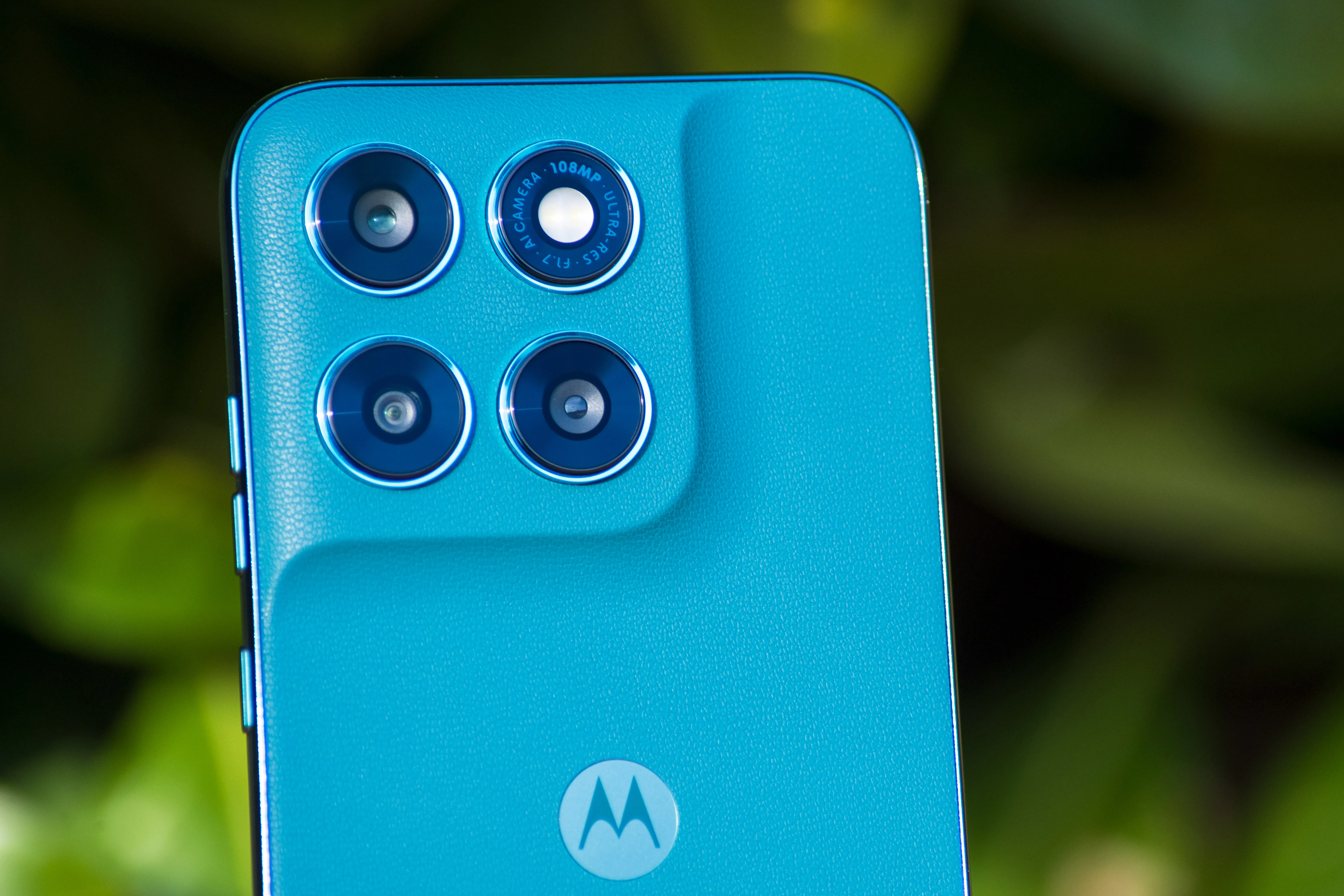
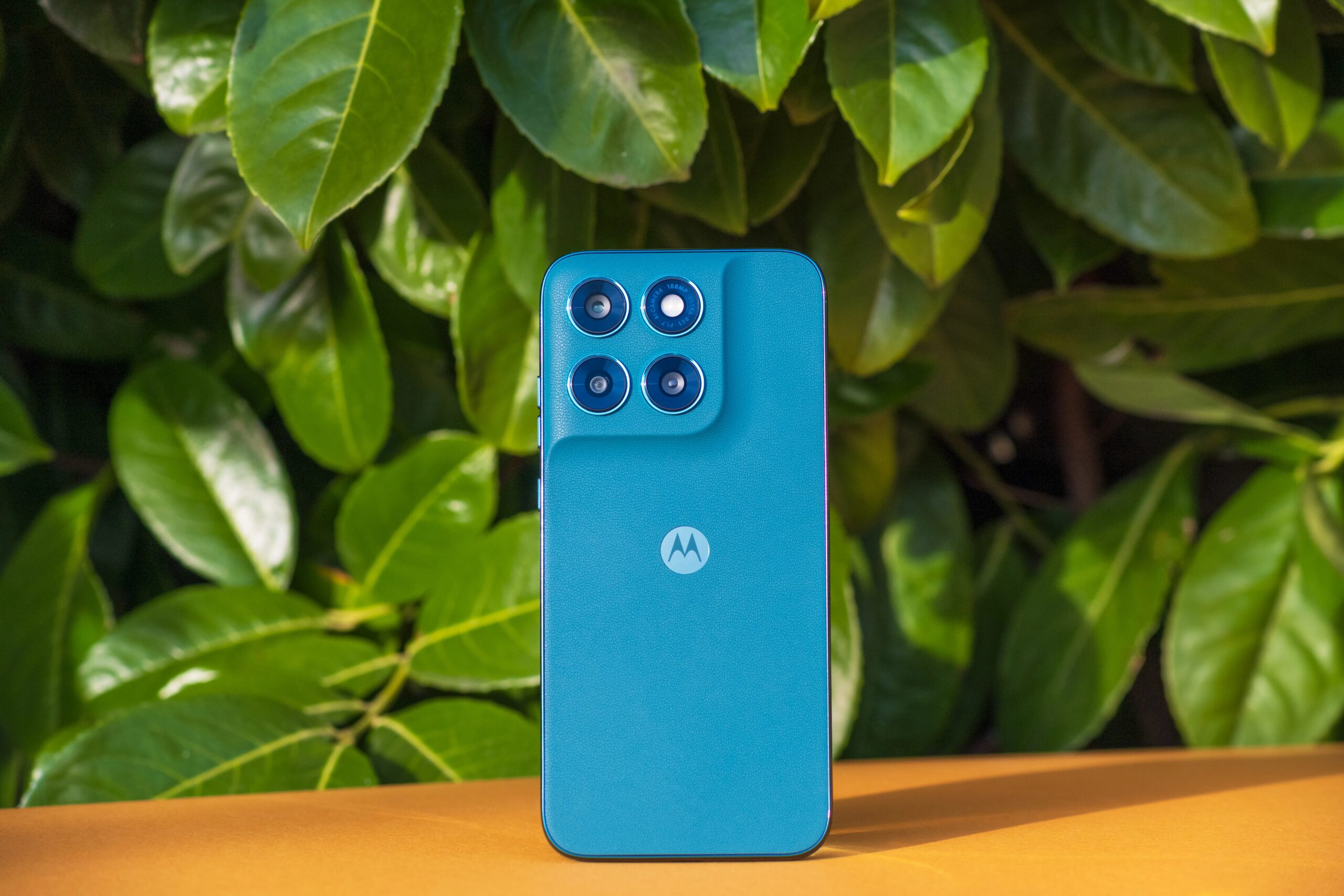
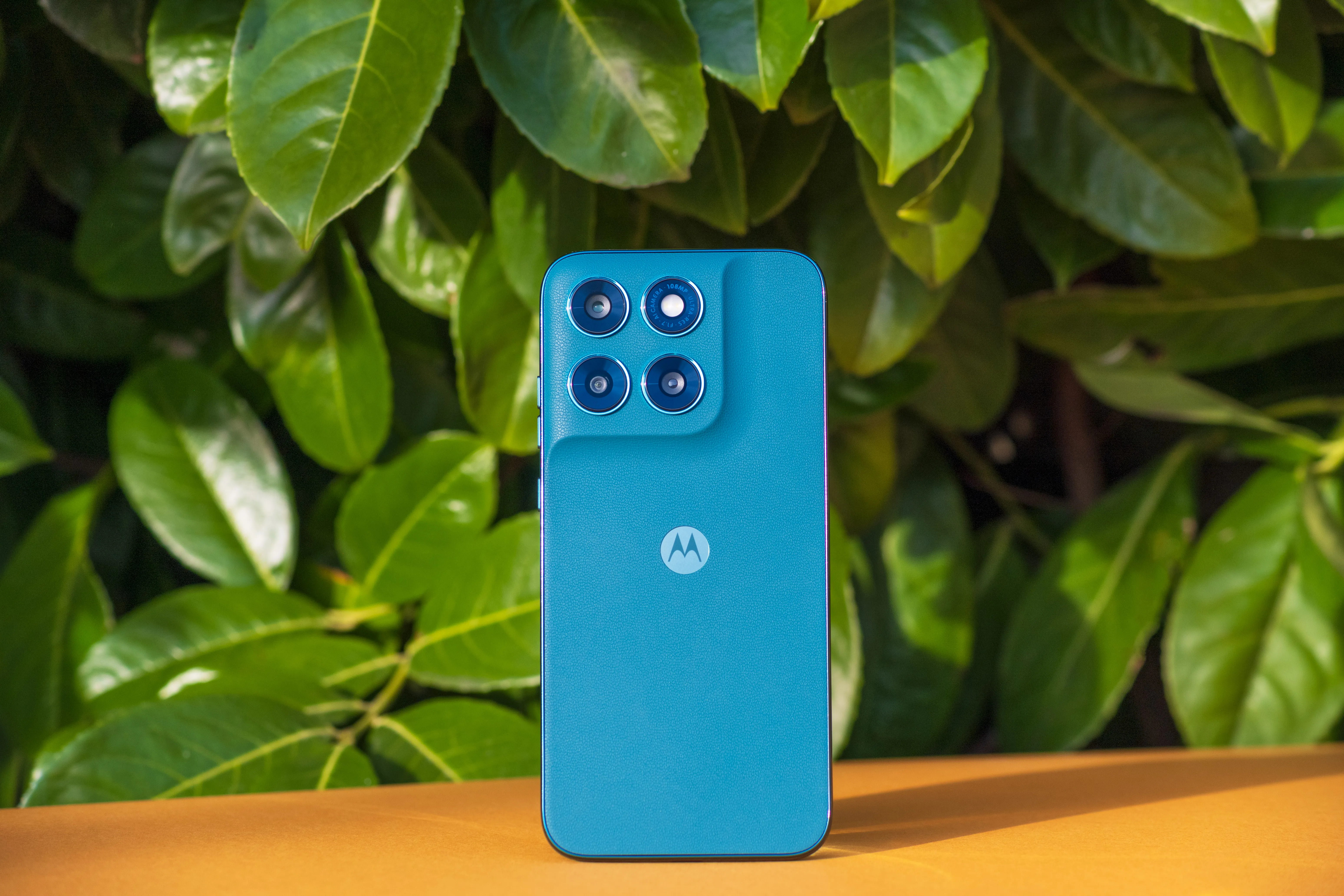
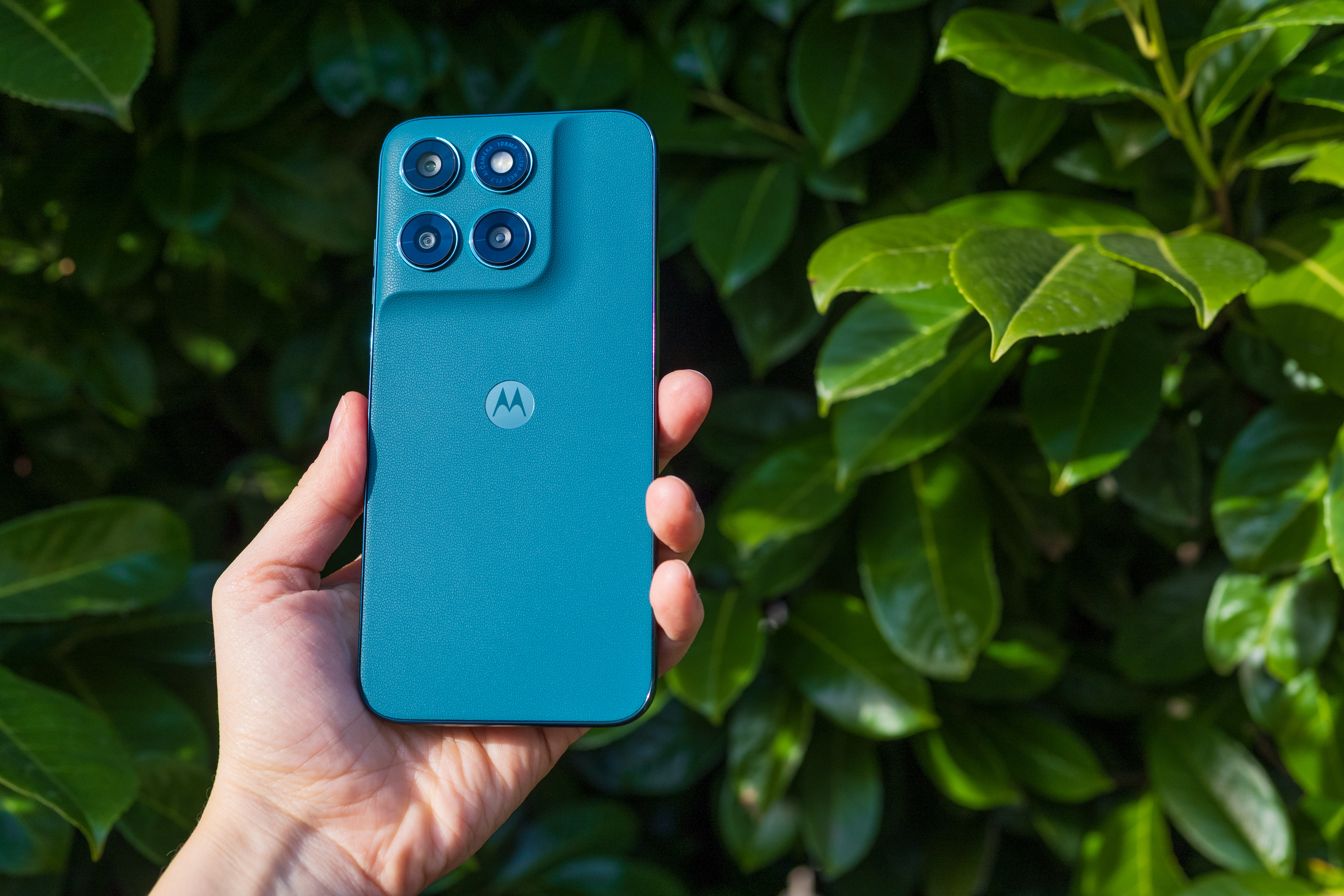
There’s another familiar set-up with a 32MP f/2.2 selfie camera that also uses pixel binning to output 8MP images. The same unit we’ve seen on previous Moto G devices, like the G75, G56 and G86. Worth noting that despite its looks, the third and fourth “lenses” are in fact not camera lenses, but instead an ambient light sensor and a flash unit.
Despite 4K becoming quite prevalent even in budget phones, video resolution has been downgraded to 2K only. The 32MP front camera also maxes out at 2K 30fps, and features no autofocus, although the latter is rare anyway at this price point. Even though you won’t have to worry about 4K footage filling up your memory, it is nice that the G77 offers a 256/512 GB base version with the option to expand up to 2TB using a micro SD card, so you wouldn’t need to transfer images often.
Motorola’s choice to bring an older Mediatek Dimensity 6400 chipset on board, instead of the Snapdragon 6 Gen 3, made the overall performance lacklustre, with a slow gallery and a noticeable lag when trying to take images in rapid succession. You get plenty of shooting time though, with the 5200mAh battery, which supports 30W fast charging.

Slightly slimmer and lighter than the previous Moto G75, weighing 182g and measuring only 7.3mm in width, but with an upgraded AMOLED screen over the previous LCD one, with 120Hz max refresh rate and 5000nits of peak brightness, and a Gorilla Glass 7i protection.
As usual, the device feels sturdy and tactile in hand with the flat screen and the vegan leather finish at the back. The teal ‘shaded spruce’ colour way I tested was very appealing too. The G77 comes with Android 16 and is promised to receive 3 major version updates and 4+ years of security patches.
MotoG77 – Native camera app
Overall, it does a decent job, but it becomes sluggish when trying to take multiple shots one after another, in place of a burst mode. Motorola’s usual shooting modes are present, with Photo, Portrait, Pro, Video and Slow motion options available in the main screen, and Scan, Night vision, Panorama, Ultra-res, Photo booth, Timelapse, and Dual capture video under the More tab.
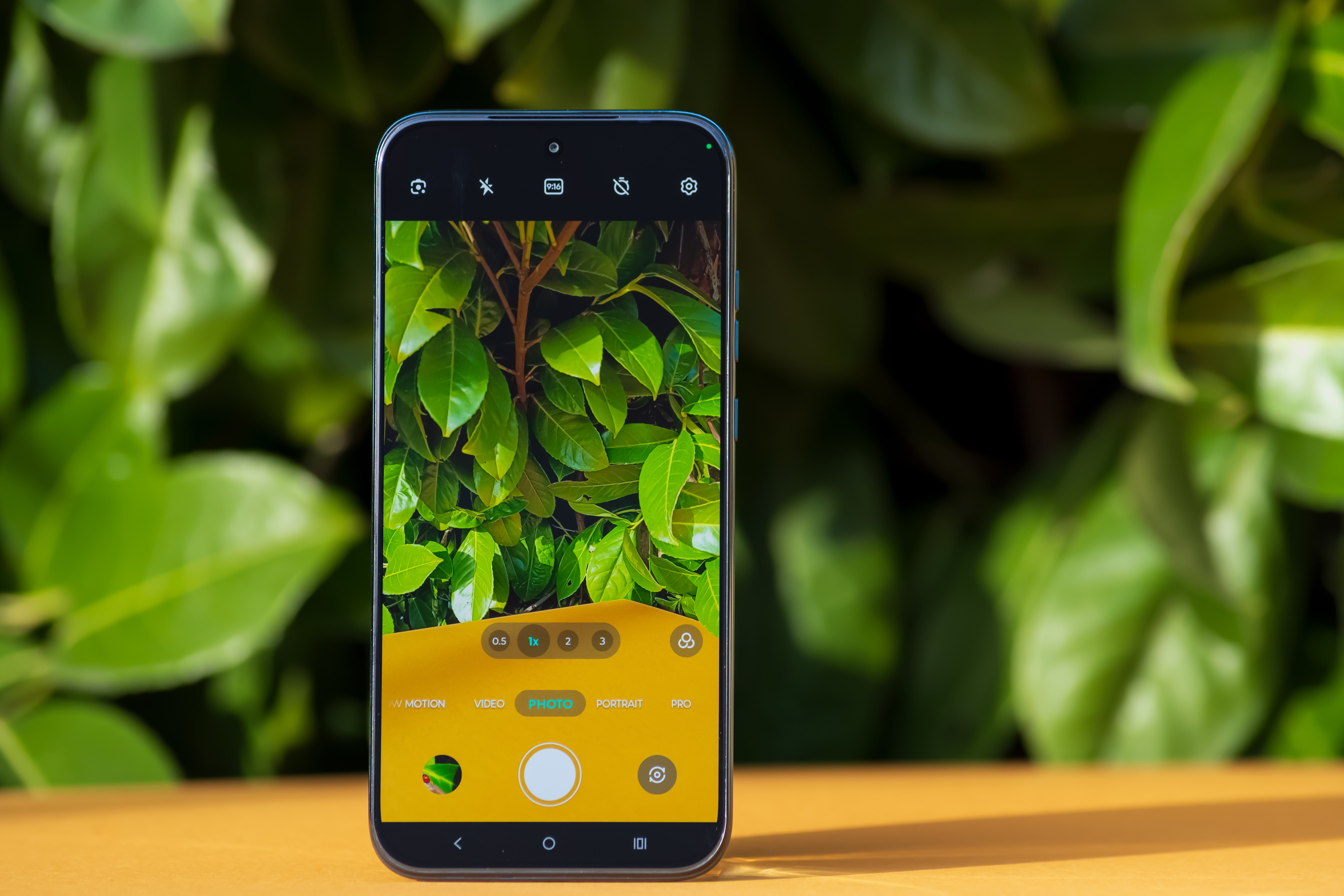
Pro mode will allow you to shoot in RAW with 12MP output and manually adjust focus, white balance, ISO and shutter speed while the Ultra-res option will leverage the full resolution of the quad pixel main sensor.
Moto G77 – Image quality
The 108MP main wide-angle camera predictably delivers the best quality and an adequate amount of detail in good lighting. I’ve found that both the main and ultra-wide lenses were prone to strong lens flare on bright days with the sun in the frame, but this can often be the case with budget lenses.
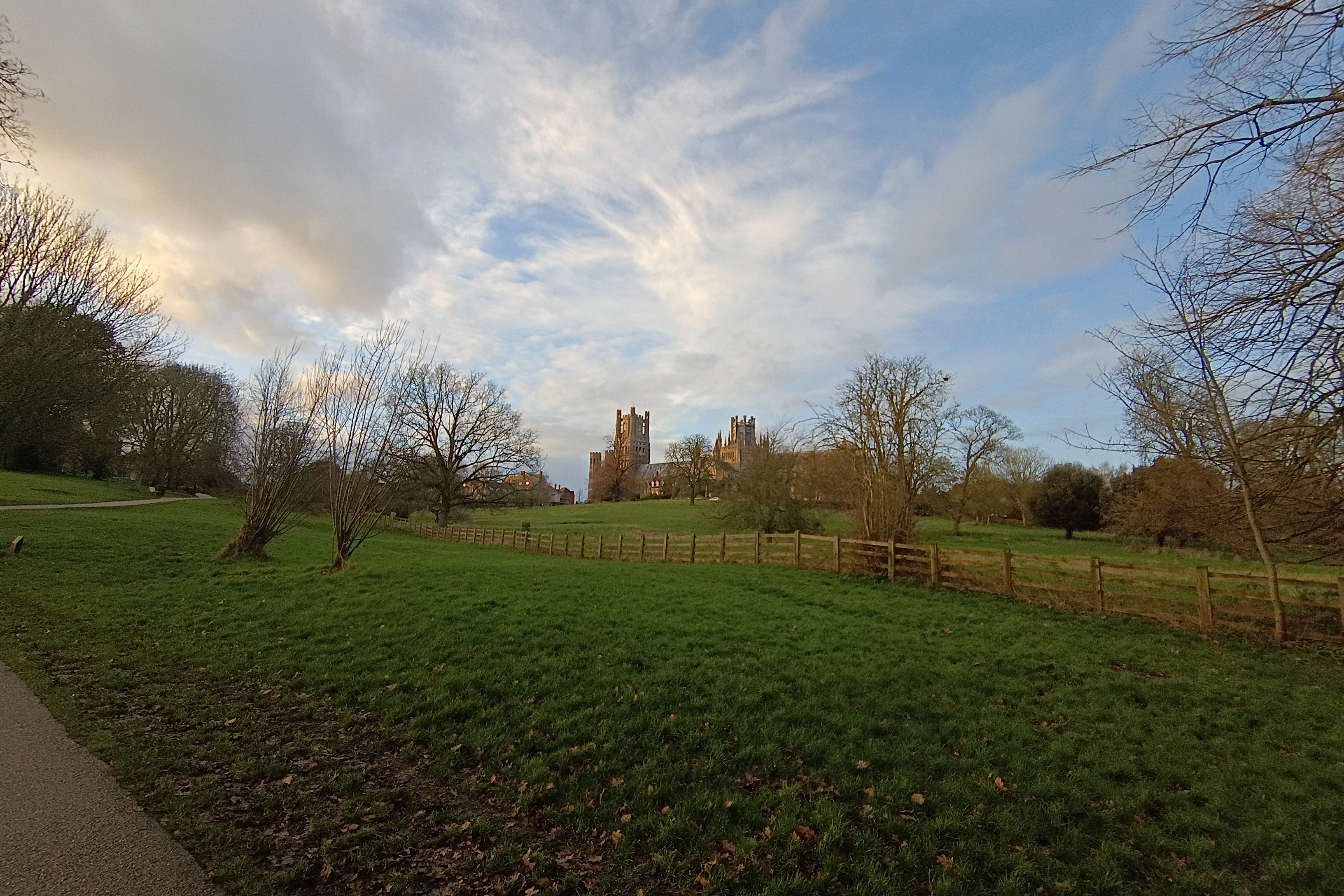
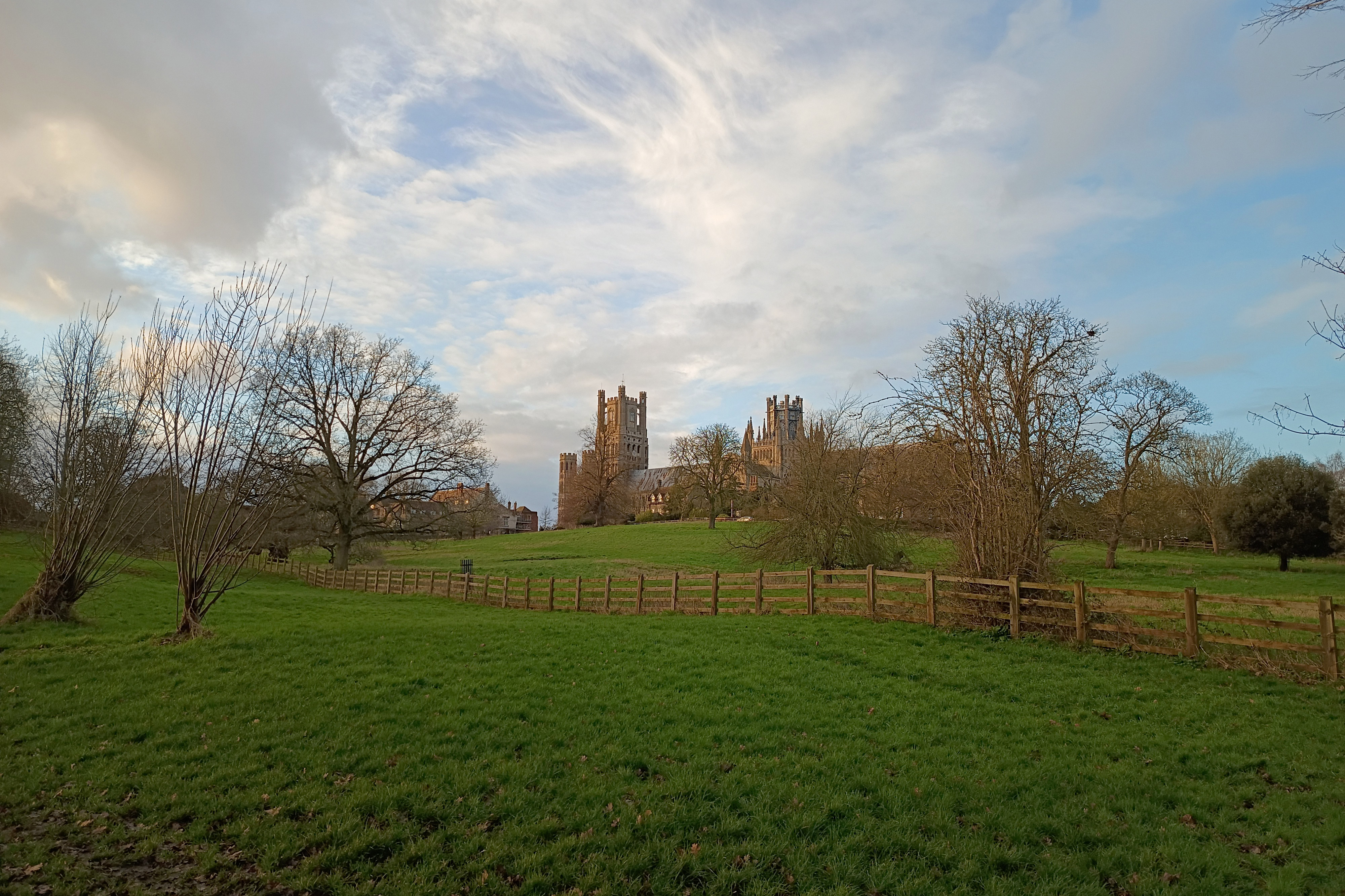



After testing the G56 and G86 with the same 8MP ultra-wide specs, I wasn’t expecting screen schattering resolution, but the results were definitely soft and mushy. So much so that I would advise against using the ultra-wide camera unless you really need to fit something in for the composition’s sake. Without a telephoto camera, the G77 relies on the main sensor for zoom, up to a maximum 10x digital zoom. Intriguingly, results at 2x zoom often appeared noisier than at 3x zoom. Pushing to the 10x limit, the AI sharpening becomes very noticeable.

As for HDR images, it performed generally well, balancing high-contrast scenarios, but I couldn’t get it to consistently produce the same results. This means even though colours are relatively evenly matched between the two rear cameras, because of the unpredictability of the HDR, you could get varying results when photographing the same scene.

Portrait mode offers a wide 24mm and a 35mm option only, and handles simple outlines relatively well, but when it met my frizzy hair, as you see in the next selfie, edge detection struggled greatly. Despite the lack of autofocus on the front-facing 32MP camera, it was easy enough to snap selfies at arm’s length.

Without a dedicated macro camera or macro mode, you will have to rely on the 3x digital zoom. Optical image stabilisation helps to steady the shots so you can get pleasing results, but not a great deal of detail.

Taking photos around golden hour and closer to sunset, or with just not in full sunlight, freezing motion and producing sharp images becomes a challenge.
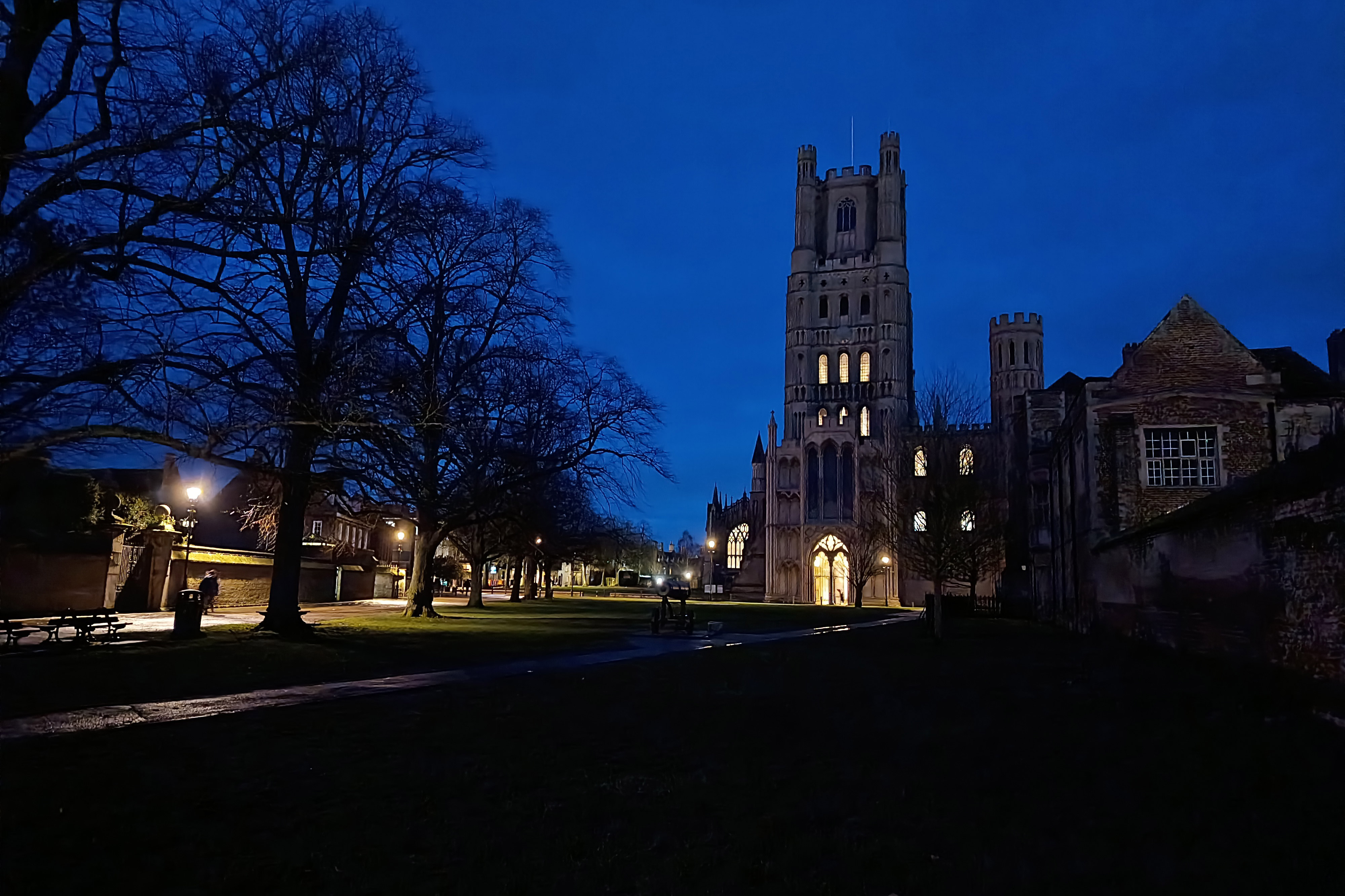
At night, the G77 is really showing its limitations, with less detailed and visibly noisy images. Lens flare from street light can sometimes create a quirky scene, but it’s not something you want to see in most of your shots. Night vision is automatically suggested when there isn’t enough available light. It delivers slightly more detail in the darkest parts, but upon zooming in, you see how the AI makes up details to create a crisper image.
Moto G77 – Value for money
Released in the UK for £250, the Moto G77 has plenty of competition, even within its own stables. If you want to get more for your bucks have a look at last year’s Moto G86 or G86 Power (with an even bigger battery) which is new dropped to £220 and features a more reliable camera set up as well as 4K60p recording.
Samsung’s Galaxy A56 is similarly priced (£250/128GB version) and offers a triple camera on the rear and 4K video. While Honor’s budget entry, the Honor 400, now can be found around £300, strikes a balance between price and performance.
Moto G77 – Verdict
With so much buzz around its flagship lineup, I was hoping to see a solid performance from this budget shooter as well. As expected from an affordable camera phone, the main camera was the strongest performer. In good overall lighting, it delivered pleasing results, with a good amount of detail, especially if you’re only going to view your images on a phone screen. The 3x digital zoom performed reasonably well, too. But in low light, it struggled to keep up with movement, and at night, to deliver enough detail.
Cost-effectiveness be damned, as downgrading to 2K video and an old chipset left this device with an unreliable and laggy photo performance. The G77 hardly feels like a dependable shooter, and for the same price, you’ll be better off with last year’s G86 or the Honor 400. Both offer a more consistent software experience, superior video capabilities, and better-optimised chipsets that won’t leave you waiting for the gallery to load.

Moto G77 – Full Specifications
| Main, wide angle camera | 108MP (mm) f/1.7, PDAF, OIS, 3x digital zoom (0.64μm quad pixel for 1.92μm) |
| Ultrawide camera | 8MP f/2.2 aperture 1.12μm pixel size |
| Selfie camera | 32MP f/2.2 (0.7μm quad pixel for 1.4μm) |
| Telephoto camera | N/A |
| Video | 2K 30fps FHD 60p30p |
| Screen | 6.78in AMOLED 120Hz Corning GorillaGlass3, 5000nits |
| Battery | 5200mAh, 30W fast charge |
| Audio | Dolby Atmos stereo speakers |
| Chipset | MediaTek Dimensity 6400 |
| Operating system | Android 16 |
| Memory (RAM) | 8/12GB |
| Storage | 256/512GB |
| Dimensions | 167.18 x 77.37 |
| Weight | 182g |
| Dust and water resistance | IP64 |
Follow AP on Facebook, Instagram, YouTube and TikTok.