


Honor Magic 8 Pro Review – Is the Magic back? I test it and find out

The Honor Magic8 Pro offers a high-spec triple camera setup, with an emphasis on night photography, but how does it perform?
Amateur Photographer verdict
The Honor Magic8 Pro offers a great triple camera setup with the 3.7x telephoto offering both good low-light night photography, and lovely close-up photos with an 85mm equivalent.
- Updated telephoto night camera (3.7x)
- Great close-ups with telephoto camera
- IP69K protection rating
- 6270/7100/7200mAh battery (region dependant)
- Up to 7 major updates
- Fixed focus selfie camera
- UK only gets the smaller battery
- Not available in the US
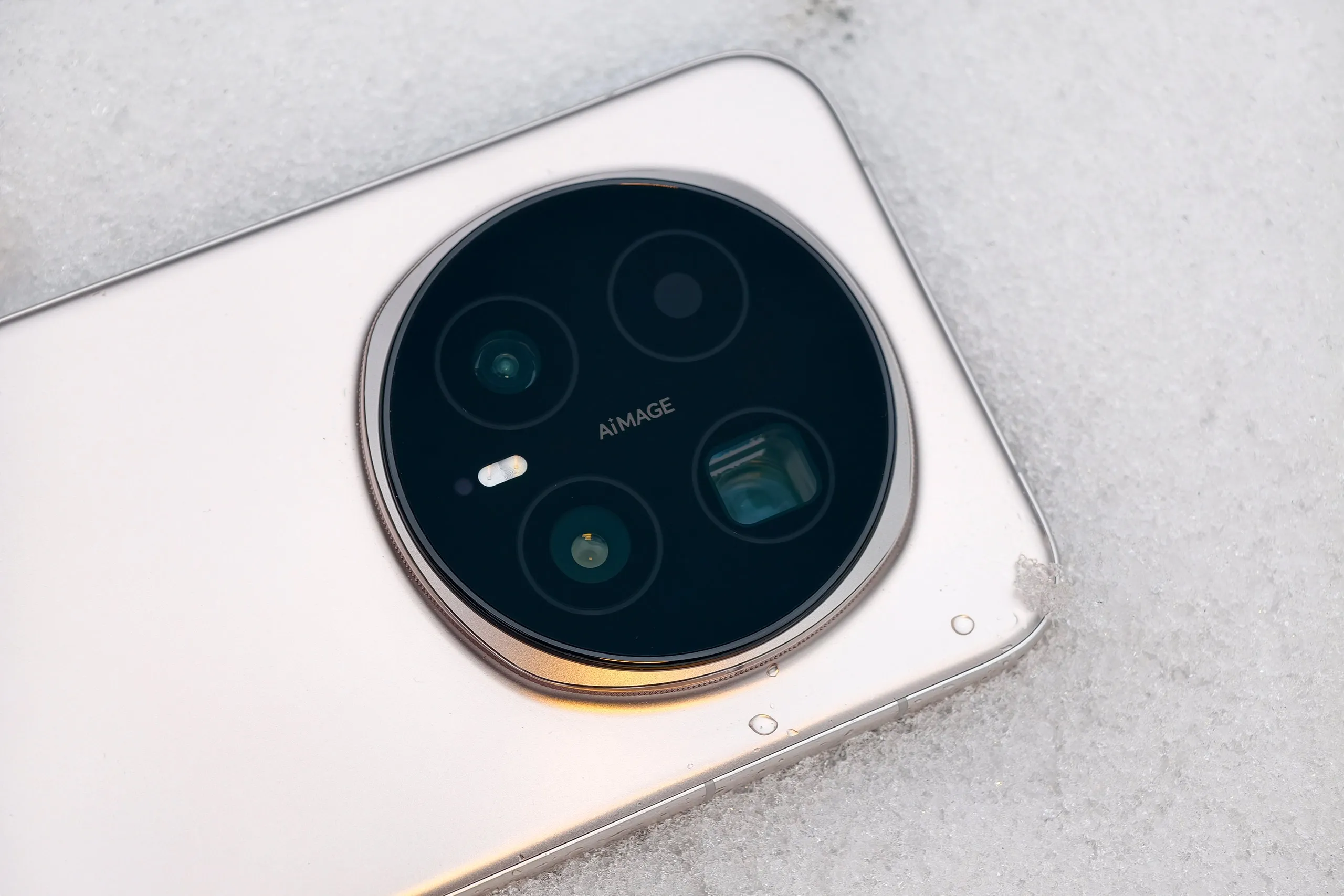
The Honor Magic 8 Pro is Honor’s flagship smartphone (outside of folding phones), and aims to offer the best camera setup available, with an emphasis on making every camera a top of the range model, with a particular focus this year on the night performance of the 200MP telephoto camera. This not only features a 200MP resolution, but it’s also using a relatively large 1/1.4inch sensor, and an f/2.6 aperture, which Honor say makes it ideal for low-light telephoto photography. Let’s find out how it performs and if it makes it into our list of the best phones for photography.

At a glance
- 50MP f/1.6 main camera with AF, OIS
- 200MP f/2.6, 3.7x telephoto with AF, OIS, with close-focus
- 50MP f/2.0 ultra-wide with AF (and macro)
- 50MP f/2.0 selfie, fixed focus
- 6.71inch OLED 120Hz, 1800/6000nits (HBM/peak) screen
- 6270mAh (Europe), 7100mAh (International), 7200mAh (China) Silicon Carbon Li-ion battery
Features
The telephoto camera has been upgraded, and is now offering a 3.7x telephoto zoom, 85mm equivalent (compared to 3x on the Magic 7 Pro), with the same f/2.6 aperture, and 200MP 1/1.4inch sensor, with PDAF (phase-detection auto-focus), optical image stabilisation (OIS), and quick access to 10x zoom (230mm equivalent). The telephoto camera has a close focus distance of 14cm, so you can also use this for close-up/macro photos, but activate the Super Macro mode and the phone will switch to the ultra-wide camera.
There’s a 50MP main camera, with an f/1.6 aperture, optical image stabilisation (OIS) and auto-focus. The previous model had a variable aperture that could be switched between f/1.4 and f/2.0. Whilst a cool feature to have on the Magic7 Pro, it’s not really essential on smartphones, and is not something that would make me buy one phone over another – whereas telephoto macro would.
Plus a 50MP ultra-wide-angle camera, with AF allowing for macro photography. This gives an ultra-wide view, as expected, but is wider than many competitors giving a 12mm equivalent, and 0.5x as the on-screen selectable camera, compared to 0.6x on many Android phones.

There’s a 50MP selfie camera, with an f/2.0 aperture, but this is fixed focus, lacking the auto-focus from the previous model. In addition there’s a 3D TOF sensor for depth and biometrics, including face unlock.
Handling and design
The Honor Magic8 Pro features a large round camera bump on the back, much like other phones outside of Samsung, Google, and Apple, and this looks good to me. Your own personal preferences may vary. The Magic 7 Pro had a gloss surround, whereas this is more of a matte effect, and this helps reduce reflections, for example if you were taking photo/video through glass.
The build quality of the phone has been further improved with not only an IP68 and IP69 rating, but also an official IP69K rating. This shows a high level of confidence in the build-quality of the phone, although, of course, all the usual disclaimers apply.
The phone also comes with a pre-installed plastic screen protector, great for giving a little bit extra longevity. Speaking of plastic, the back of the phone is also made of plastic, giving additional durability. I’m sure we all remember breaking the back glass on a phone at some point in time, not fun.

The side “camera” button gives quick access to the shooting mode, and hold it down and you can shoot continuously for 100 shots.
If you get it just right, you can use it to control the zoom level, and it is also possible to use it to pre-focus like a two-step shutter button, however, this seems unnecessary on a smartphone, as the focus seemed to be rapid enough anyway. I also found the zoom control quite awkward to use.
Whether you use it or not will be up to you, but I found I didn’t use it much, as the power button also gives quick access to the camera, and is more naturally positioned for me to press when I pick up the phone.
There’s an under-screen fingerprint reader, plus the phone has a 3D face scanner to unlock the phone, should you prefer to use that. Rare on phones outside of Apple.
The processor in this phone is next level impressive
The phone comes with the latest Qualcomm Snapdragon 8 Elite Gen 5 – if you’re unfamiliar with smartphone processors – this is currently the fastest smartphone CPU/processor available now, and performance is impressive. If this was in a computer, it’d probably rank as quicker than most PCs and laptops you can buy today (depending what you pick).

It scores an impressive Geekbench 6 score of 3708 single-core, and 11011 multi-core (for reference this is better than a 12/24 core AMD Ryzen 9 3900X desktop CPU). This means you can throw anything at it, and it’ll be quick, responsive, and perform extremely well, whether you’re editing video or playing the latest games.
The camera app
The camera app is clearly laid out and easy to use, with manual controls available if needed. You’ll also find some more advanced features available under light-painting, and these can be used handheld, giving some nice results. The range of additional modes seems to be reduced compared to the previous model, but for more people there will be more than enough.


For low-light, you’ll find the Night mode on the left as one of the main shooting modes available. In more you’ll find Light painting, plus “Stage” mode, both designed for low-light photography, with light-painting offering modes for ‘light trails’, light graffiti, silky water (rivers, waterfalls etc), and star trails. Stage is designed for atmospheric low-light.
Viewing photos in playback, there’s a delay while the phone adjusts the view, often taking a second or more to adjust the brightness and contrast and show the final photo. This seems a little odd considering the impressive performance of the processor. Perhaps an update will improve this in future.
AI editing is available, called Magic Retouch, letting you erase objects when needed, and you can use “AI outpainting” just like Adobe Photoshop’s generative expand features, and if you haven’t seen the before picture, then the results can be impressive. Of course, your own results may vary depending on your scene complexity. Under “AI Colour” you’ll find three Magic Colour filters, with options for ‘Romantic blue’, ‘Golden autumn;’ and ‘Warm sunset’ – these are designed to give any image a different feel, using AI processing. You’ll also find a vast range of standard filters in here. These are different to the Magic Colour options available when taking photos.
Performance
Here I look at the image quality performance of the Honor Magic8 Pro, which offers 3 cameras on the back, with additional zoom options at 2x and 10x.


The default zoom range from 0.5x, 1x, 2x, 3.7x, and 10x gives a really useful zoom range. Images look good at first glance, although noise and splotches of noise in the corners of the image can look a little poor (using the ultra-wide and wide cameras). Switching to the 3.7x camera, results are good with plenty of detail, however, the exposure does seem a little brighter, in comparison to the other cameras, and hopefully a software update can improve this.

The main camera gives great colour and detail, although corners can be an issue. Zoom at 2x from the main camera looks very good, with decent levels of detail, and no corner issues to worry about.
Telephoto camera

Telephoto images have good levels of detail, however there were times where I found images a little bit too bright for my liking, so adding some exposure compensation gave me a more pleasing image, but your tastes may vary. Use lots of zoom and AI will add additional detail, here we have more detail added to the moon, but it looks a little bit messy in places.

On the subject of AI zoom, results can look good with man-made objects like buildings etc, but with natural things like animals the results can look, well, a little artificial. If you stick to 10x zoom or less, you should be very pleased with the results.
Telephoto at night

Viewed on screen and on the phone, low-light images and images taken at night look really pleasing, with good levels of detail, and good colour. There are areas where noise is visible, but I found the results from the Magic 8 Pro showed less noise than the S24 Ultra taking the same shot in the same conditions. There are times when AI image generation is used to add detail to images, and if you view images at 100% this can give your photos a slightly unrealistic look, but again, when viewed on the phone, images look great.

The ultra-wide camera (12mm, 122˚ ) is slightly wider than other phones. Images are quite sharp and detailed, although there are times where noise becomes an issue (bottom right, above), and images can look a little smudged in these specific areas. It’s not a great look and does seem as though image processing could be improved, as it’s possible to see some shots look better than others from one shot to the next.
Macro performance…


Macro with the ultra-wide looks reasonable but nothing special, and it’s a shame that the Super Macro mode switches to the ultra-wide, as the telephoto macro will give much more pleasing results, with less distortion and pleasing background blur, that the ultra-wide isn’t able to provide (why no telephoto macro mode?). Scroll the photos above to see the difference.

The selfie camera does a good job, although it’s a shame that it is fixed focus, as auto-focus can be found on competitors in this price range. If you planned on using the selfie camera for video, the lack of auto-focus could be an issue depending on what you plan on recording.
Video
4K 120p is available on the telephoto and main cameras, and 4K 60p from all cameras. Slow-motion video doesn’t appear to be available (but was available on the Magic 7 Pro). 8K video isn’t available, which is a shame as some other brands, like Samsung and OnePlus offer this.
Value for money
The Honor Magic 8 Pro is available for £1099 (RRP) for the 512GB version, this compares favourably with competitors, as they often start at a similar price, but with 128 or 256GB storage. If you buy early, then Honor are offering an extra £200 off, making it £899, which makes it much cheaper than many competitors, and with generous storage and impressive processor performance it is incredible value for money. Unfortunately, the Magic8 Pro is not currently available in the US.
Verdict
The smartphone market is more competitive than ever, with Honor now well and truly established as one of the main brands in the flagship smartphone market. The Magic8 Pro feels like 2 steps forwards (processor and telephoto camera), and at the same time 1 steps back (fixed focus selfie camera). The lack of auto-focus on the selfie camera puts it at a disadvantage compared to Samsung, Google, and Apple.
You can now buy a flagship phone from all the brands, and you really do have to do something really impressive to stand out, as they’re all capable of giving you extremely good photos, and with strong integration with Google AI features on Android phones. Honor are adding to this with an emphasis on telephoto shots taken at night, and in my tests I found it gave images with less noise than similar competitors.

The built-in colour filter options are good to see, giving you not only colour options, but film styles as well. You can also use the telephoto camera for close-up shots, and the results can be very pleasing, looking much more like real photography than macro using the ultra-wide. It’s disappointing that the selfie camera no longer features auto-focus, whereas the Magic 7 Pro had this feature.
Overall, whether you choose the Honor Magic8 Pro or a different phone will most likely depend on your needs, if telephoto and low-light is a priority, then this is a very strong contender. The power of the main processor in this system is insanely impressive, and you can hook it up to a monitor and use it as a computer (like DeX or Google’s Desktop Mode). If you get this on offer for £899, then it’s incredible value for money. If you can only find it at the full price, then other brands start coming into the mix and the decision may be more difficult.


Specifications
| Main cameras | 200MP telephoto, f/2.6, 1/1.4inch, 3.7x optical, OIS, AF 50MP main, f/1.6, 1/1.3inch, 1x, OIS, AF 50MP ultra-wide, f/2.0, 0.5x, 122°, AF (2.5cm macro) |
| Selfie camera | 50MP f/2.0, 3D depth camera, fixed focus |
| Video | 4K 120p, 60p |
| Screen | 6.71inches, FHD+ 1256×2808, OLED, 1800/6000 nits (peak/HDR) |
| Battery | 6270mAh (UK) / 7100 / 7200mAh (China) battery (region dependant) (100W wired, 80W wireless) |
| Chipset | Snapdragon 8 Elite Gen 5 |
| RAM/storage | 12GB/512GB |
| OS/Updates | Android, 7 years |
| Protection | IP68/IP69/IP69K, Honor NanoCrystal Shield |
| Dimensions, weight | 161.2 x 75.0 x 8.4mm, 219g |
Follow AP on Facebook, Instagram, YouTube and TikTok.